
Posts Tagged "Ingredients"
Articles and guides related to Ingredients.
124 posts with this tag
Related Tags
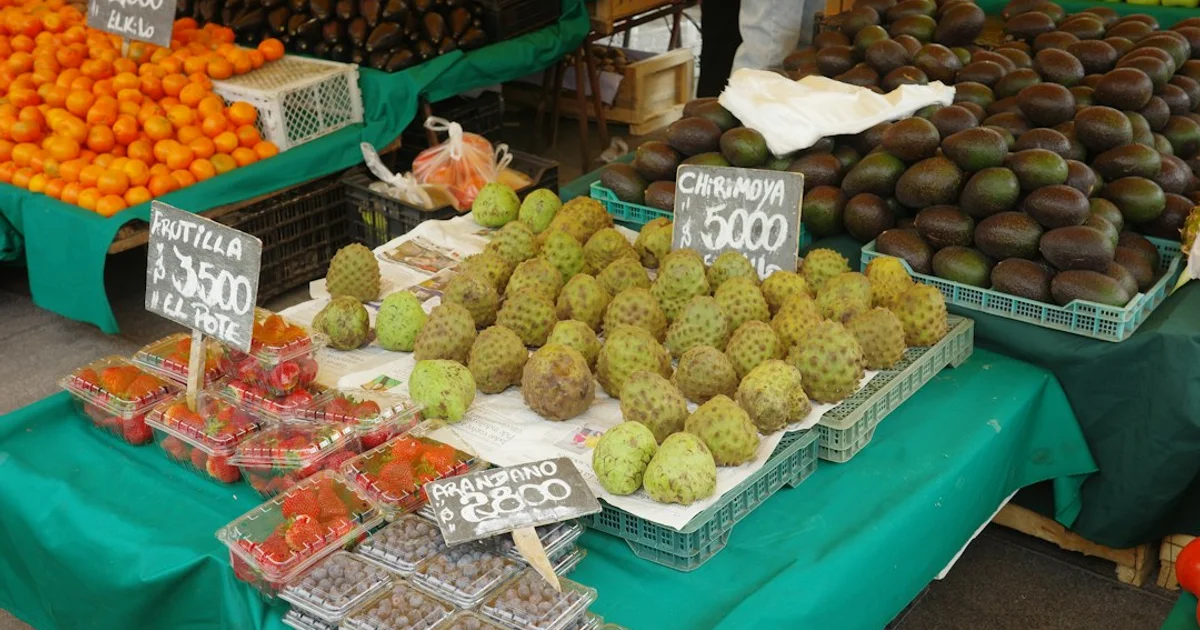
Indonesia's Halal Exemptions: 7 Categories That Need No Certificate (Decree 301/2026)
BPJPH Decree 301 of 2026 lists nine criteria and seven categories of products and ingredients exempt from Indonesia's mandatory halal certification — fresh produce, plain nuts, natural water, purified minerals and more. Exemption ends the moment another ingredient is added.
Is Milk of Magnesia Halal? Glycerin and the 0.45% Alcohol
Milk of Magnesia's active ingredient is a mineral. The halal question is the glycerin and the 0.45% alcohol in the flavoured bottles — and one flavour avoids both.
Halal Instant Noodles in Ireland: Nissin Says No, Samyang and Nongshim Have Certificate Numbers
Nissin's European arm states in its own FAQ that its products are not halal. Samyang and Nongshim hold Korea Muslim Federation certificates you can look up by number. And most mainstream chicken and beef flavours contain no meat at all.
INS Numbers Explained: The E-Number System Under Another Name
INS numbers are the Codex Alimentarius naming system for food additives, used on labels in India, Australia, Malaysia, Singapore, Indonesia and the Gulf. INS 471 is the same additive as E471, and the halal question is identical. Here is how to read them.
Is Propylene Glycol (E1520) Halal? The Flavour Solvent Explained
Propylene glycol (E1520) is halal. It is a synthetic diol made from petroleum-derived propylene oxide, contains nothing animal-derived and does not intoxicate. The word 'glycol' is not 'alcohol' in the fiqh sense. Where it does matter: as the carrier in flavourings that may also contain ethanol.
Halal Protein & Supplements in Austria: Brand Guide (2026)
ESN certifies 30 products but names no certifier, MyProtein's UK halal range doesn't reach myprotein.at, and Body Attack's halal claim has no proof behind it. What's actually verifiable for Austrian gym-goers.
Best Halal Protein & Meal Replacement Shakes USA 2026
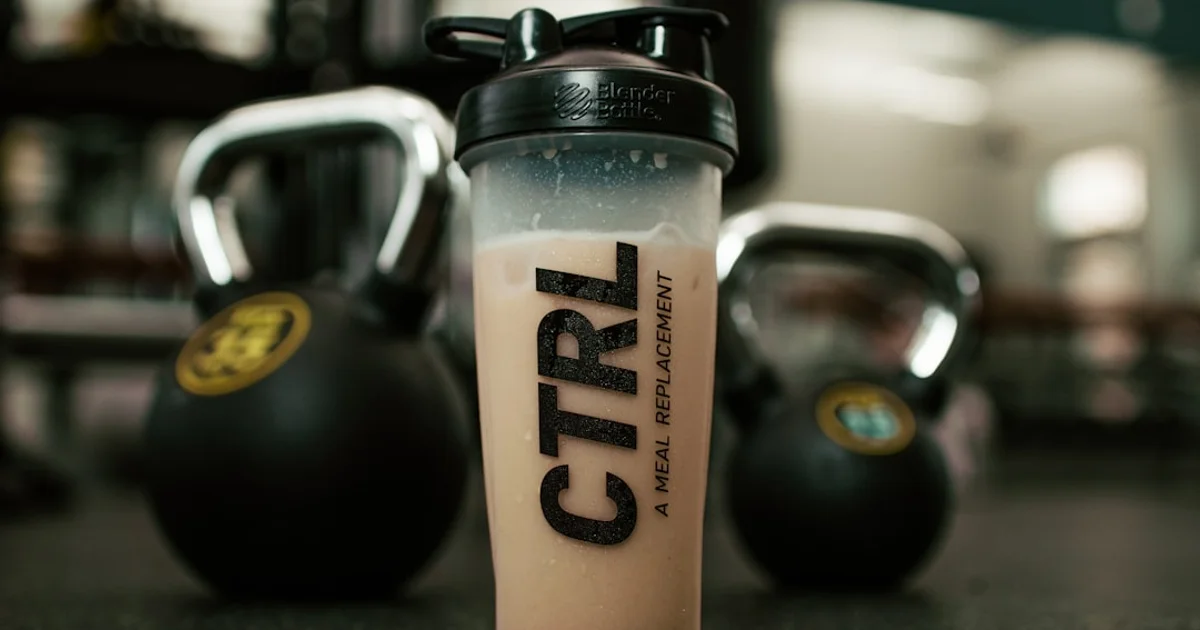
We checked seven US ready-to-drink protein shake brands for a real halal claim. One has a facility-level accreditation with caveats — the rest don't. Here's what we found.
Is Michael Angelo's Eggplant Parmesan Halal? Cheese and Rennet Checked (2026)
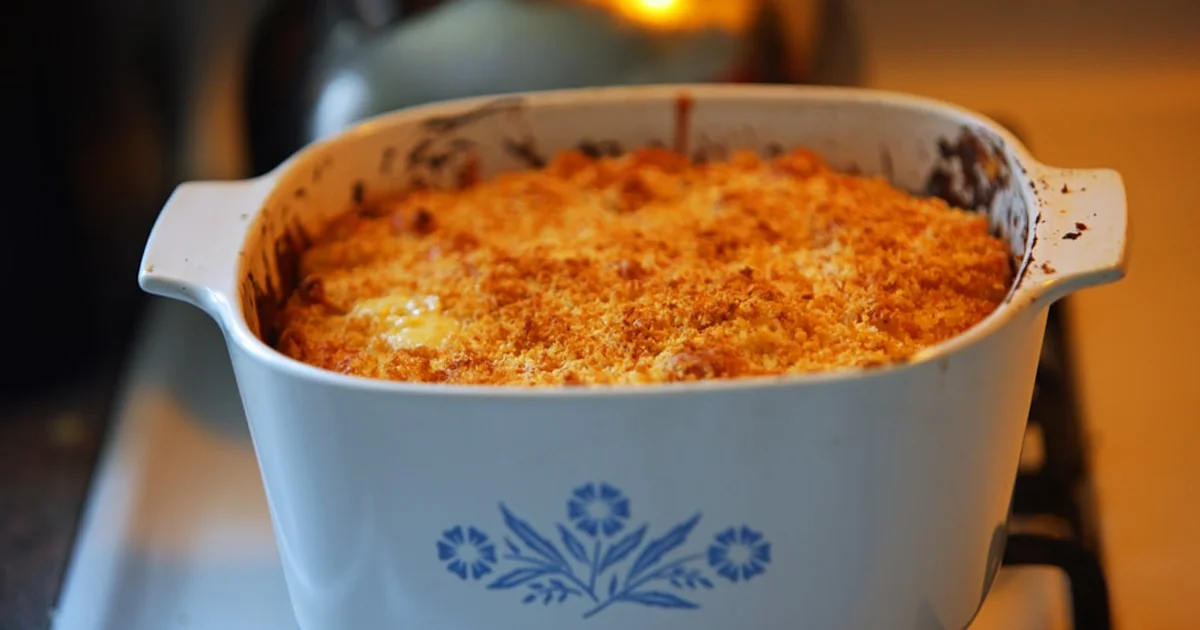
No pork, gelatine, or wine in Michael Angelo's Eggplant Parmesan — but the mozzarella, Romano and Parmesan cheeses list 'enzymes' without naming the rennet source. Mushbooh explained.
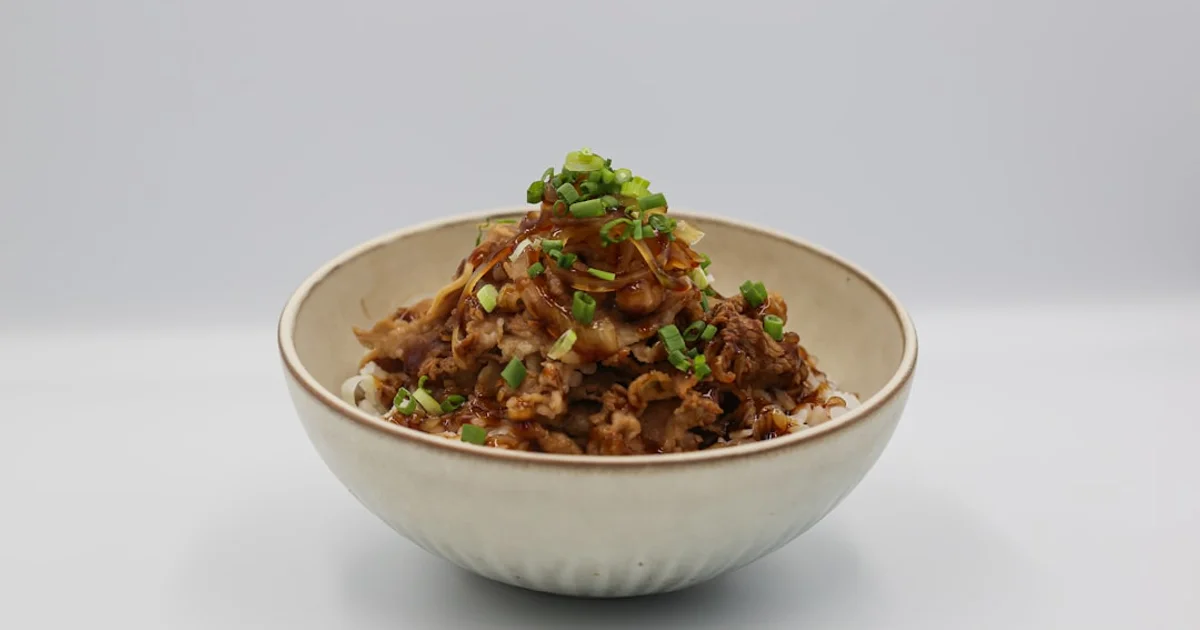
Is Shallot Halal? Raw Shallots vs Crispy Fried Shallot Products (2026)
Raw shallot is a plain vegetable with no halal concern at all. Packaged crispy fried shallots are usually clean too — shallots and palm oil — but check for animal-derived flavour powders on specific brands.
Is Sodium Citrate (E331) Halal? The Short Answer (2026)
Sodium citrate (E331) is a fully synthetic acidity regulator made from citric acid and sodium hydroxide. No animal source, no alcohol — halal across all four Sunni madhabs.
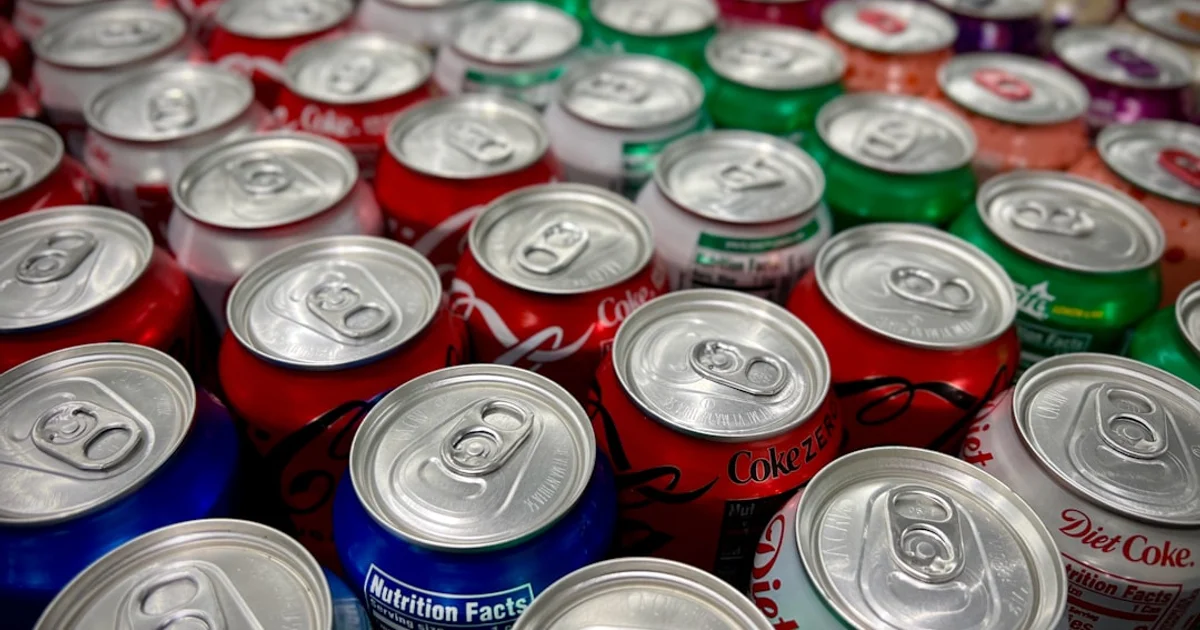
Is Aspartame (E951) Halal? The Old Alcohol Myth Explained (2026)
Aspartame (E951/NutraSweet) is synthetic, made from amino acids. Alcohol is used in processing but doesn't appear in the finished sweetener — most scholars and certifiers now rule it halal.
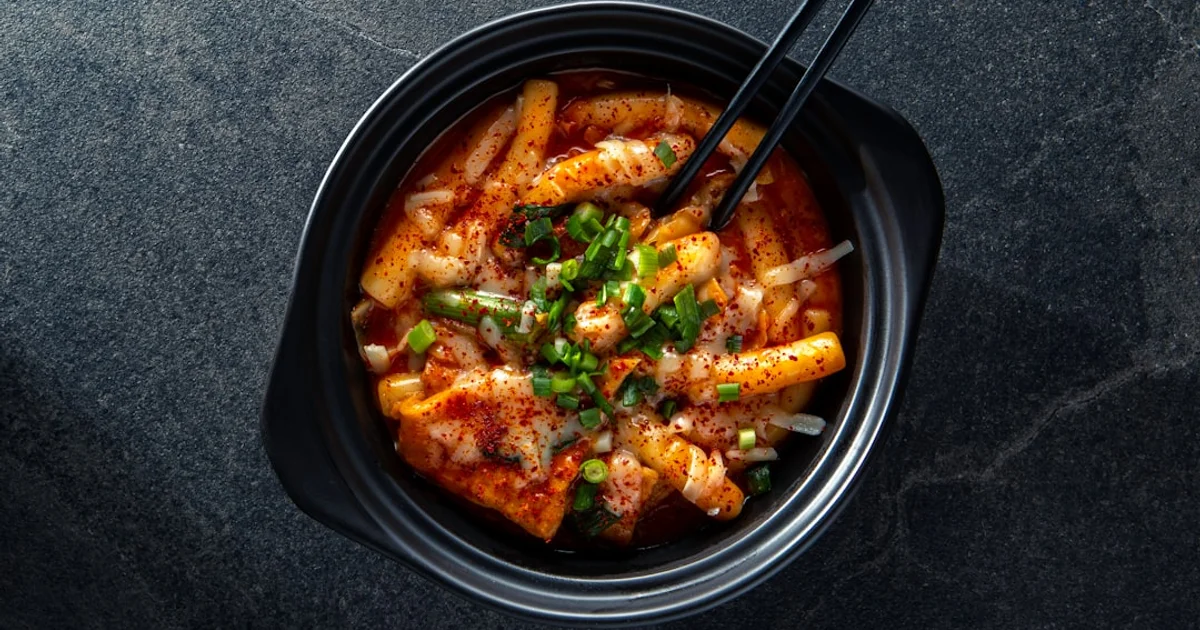
Is Tteokbokki (Topokki) Halal? Rice Cakes, Fish Cake, and the Gochujang Problem
Tteokbokki's core ingredients — rice cakes, anchovy broth, fish cake — are halal by nature. The real risk is store-bought gochujang, some of which uses alcohol in fermentation or as a preservative.
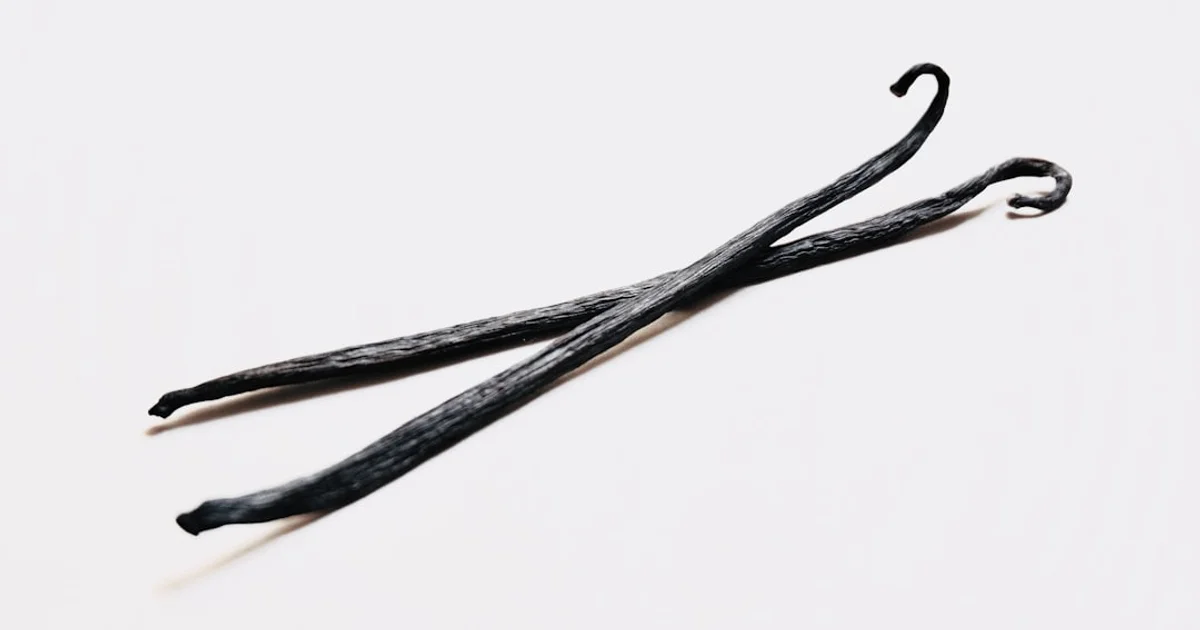
Is Trader Joe's Vanilla Bean Paste Halal? The Alcohol Question Explained
Both Trader Joe's Vanilla Bean Paste and the Bourbon version contain ethyl alcohol from the concentrated vanilla extract. Here's why that's Mushbooh rather than a clean Halal, and what changes when it's baked.
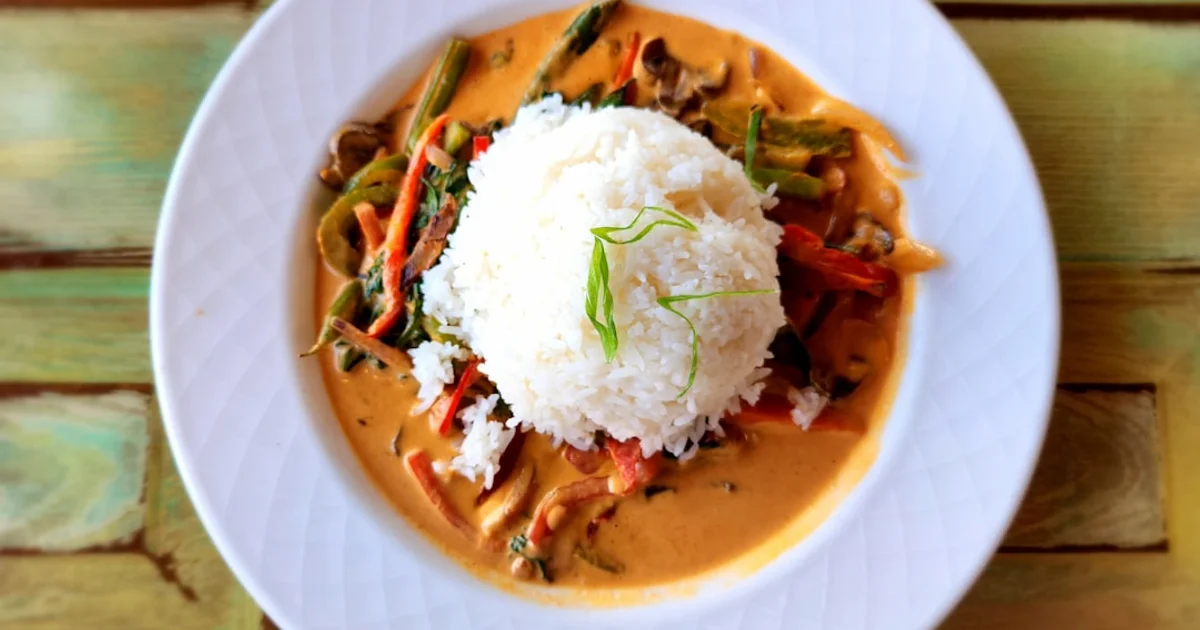
Is Piaren Ah Manuk Halal? Sabah's Grated Coconut Chicken Curry Explained
Piaren Ah Manuk is a chicken curry from Sabah's Iranun and Bajau communities, made with a rempah spice paste, grated coconut, and coconut milk. Here's why it's halal and where to find it in Malaysia.
Is The Ordinary Multi-Peptide Eye Serum Halal? INCI Checked (2026)
The Ordinary's Multi-Peptide Eye Serum is PETA-certified vegan, alcohol-free, and its peptides are synthetic — permissible to use, though not halal-certified.
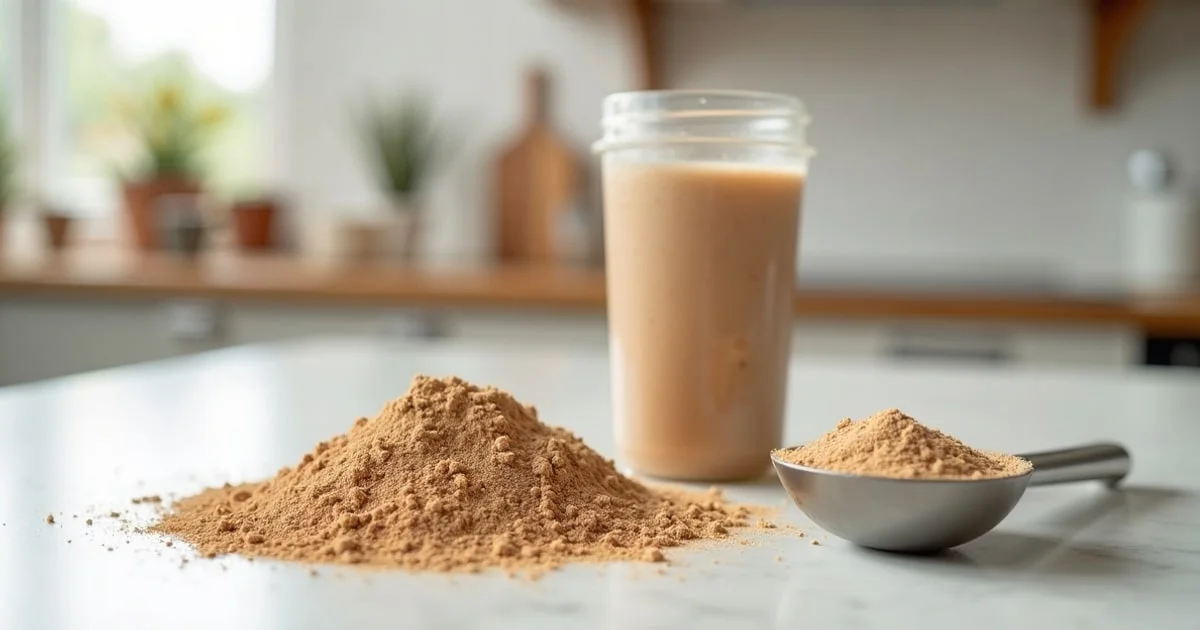
Is Revolution Nutrition Iso Whey Halal? The Rennet Question (2026)
Revolution Nutrition Iso Whey is Mushbooh: no gelatine or haram additives, but the whey's rennet source is undisclosed and the brand holds no halal certification.
Halal Protein and Supplements in Saudi Arabia: The Whey Exemption (2026)
Not everything on a Saudi supplement shelf is halal-verified: SFDA exempts labelled whey from halal certificates and iHerb parcels skip screening. Brand-by-brand guide.
Halal Protein and Supplements in Belgium: QNT, Body&Fit and Who's Certified (2026)
Certified halal protein is easy to buy in Belgium — MyProtein's certified flavours, Bulk, ESN and Applied Nutrition. Belgian brand QNT claims halal but names no certifier.
Malaysia's Gummy Candy Ban and the Halal Gelatin Problem JAKIM Found
Malaysia banned eyeball-shaped gummy candy after a child's death, then JAKIM found pork DNA in most marshmallows tested. Here's how to check gummy candy is halal.
Is Xanthan Gum (E415) Halal? The Fermentation Question Answered
Xanthan gum (E415) is halal. It's produced by bacterial fermentation of plant sugars — no animal ingredients, no alcohol. Here's how it's made and why scholars agree.
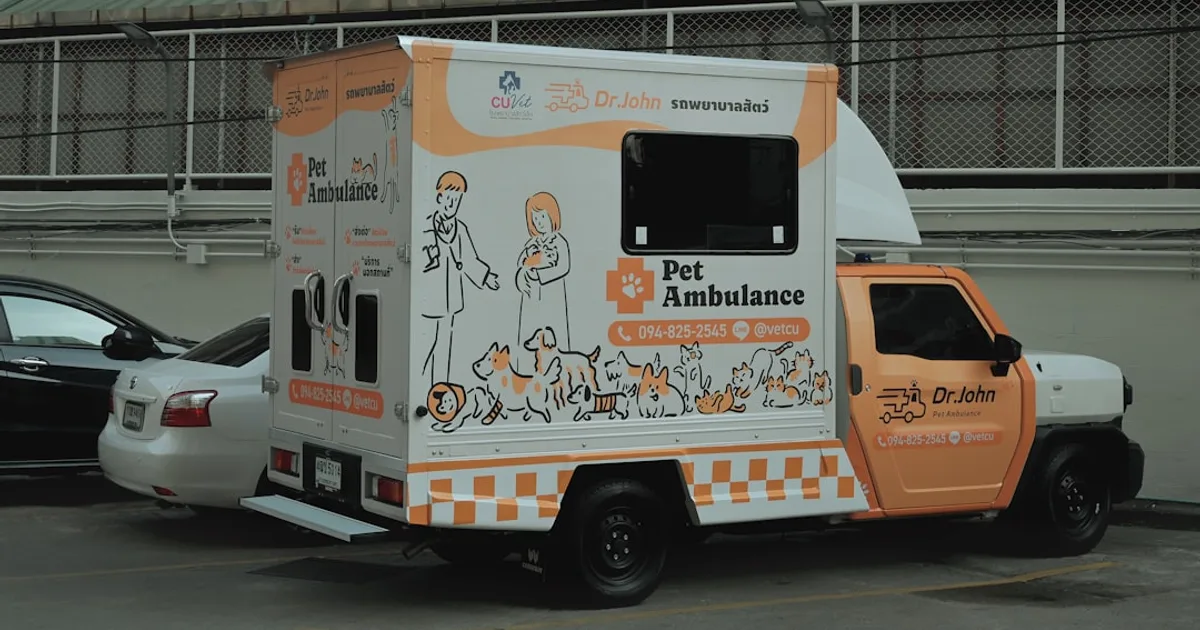
Vet-Prescribed Cat Food Contains Pork — What Does Islam Say?
When a prescription diet your cat medically needs contains pork by-products, necessity (darura) enters the ruling. The conditions, the checklist, and the alternatives.

Is Dog Food Halal? The Question Behind the Question
No halal-certified dog food exists — but the purchase rules are the same as cat food. The dog ownership rulings, the madhab split, and what Muslim dog owners can buy.
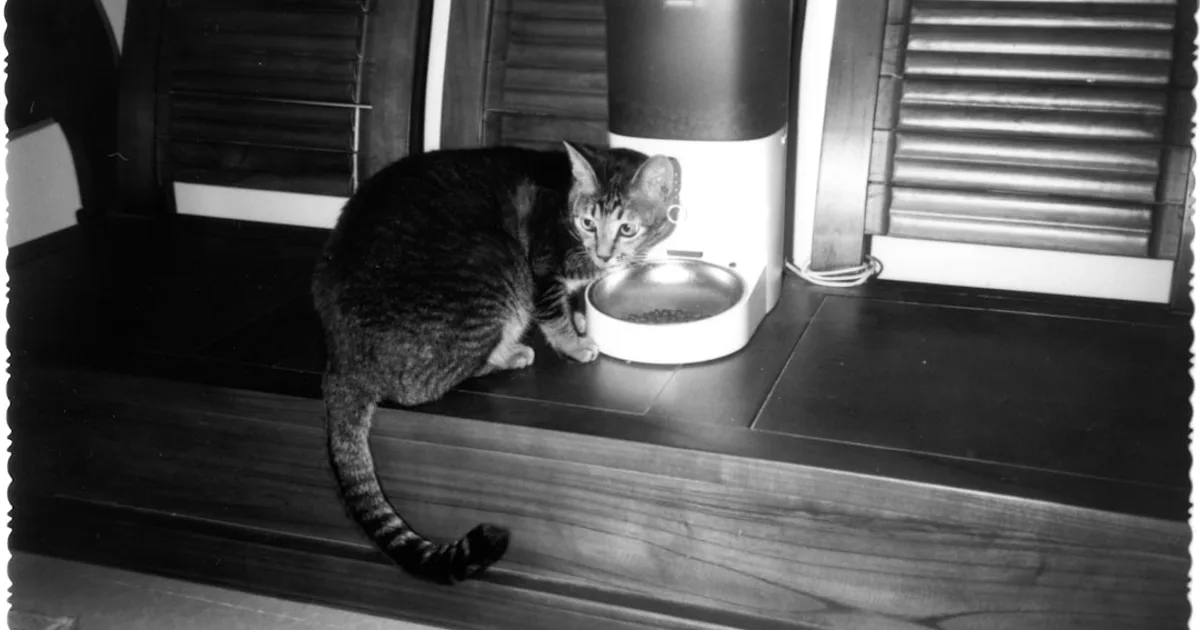
Is Cat Food Halal? What Muslim Cat Owners Need to Know
Cats don't have to eat halal — but buying cat food containing pork or carrion is where scholars differ. The full ruling, plus what's actually in the tin.
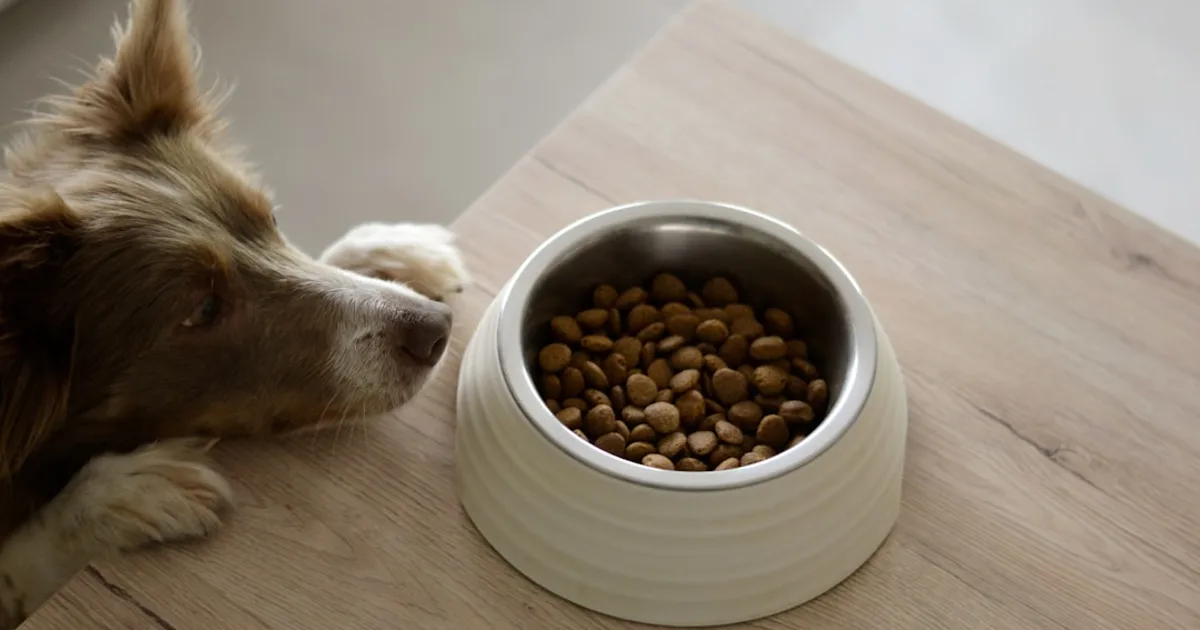
Haram Ingredients Hiding in Pet Food: A Label-Reading Guide
Pet food labels don't have to name the species behind 'animal derivatives'. Here's every haram flag on a pet food label — and how to read past the marketing.
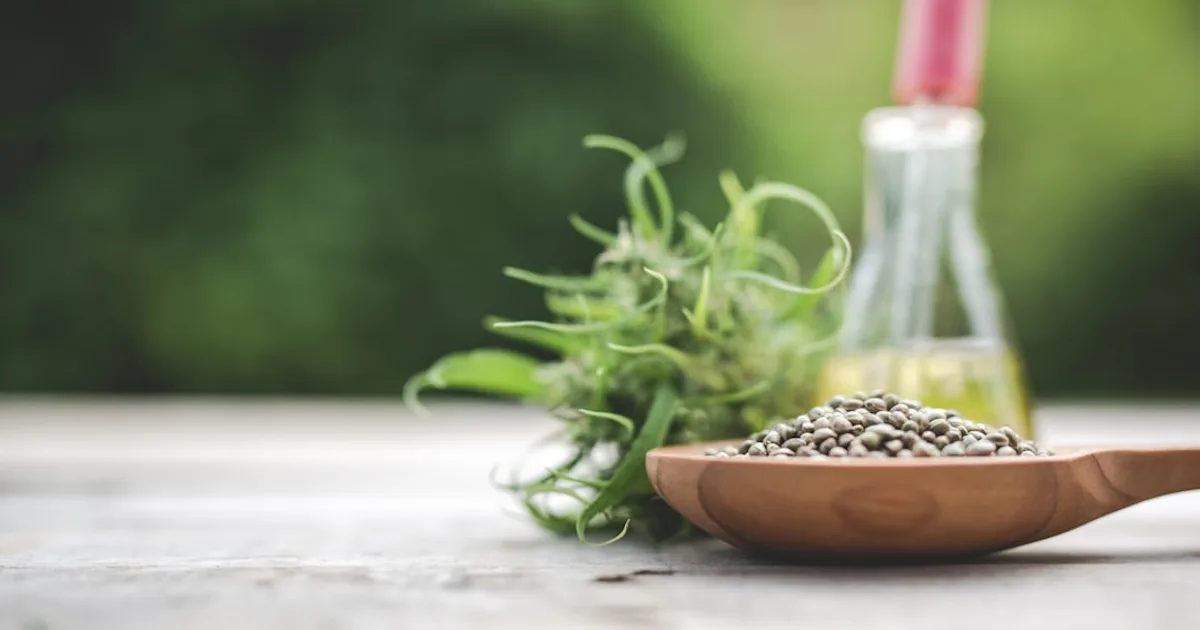
Is Hemp Halal? Hemp Seeds, Hemp Oil and CBD Explained
Hemp seeds and hemp seed oil are halal — they contain no intoxicating THC. CBD is permissible with conditions. Here's what the fatwas actually say.
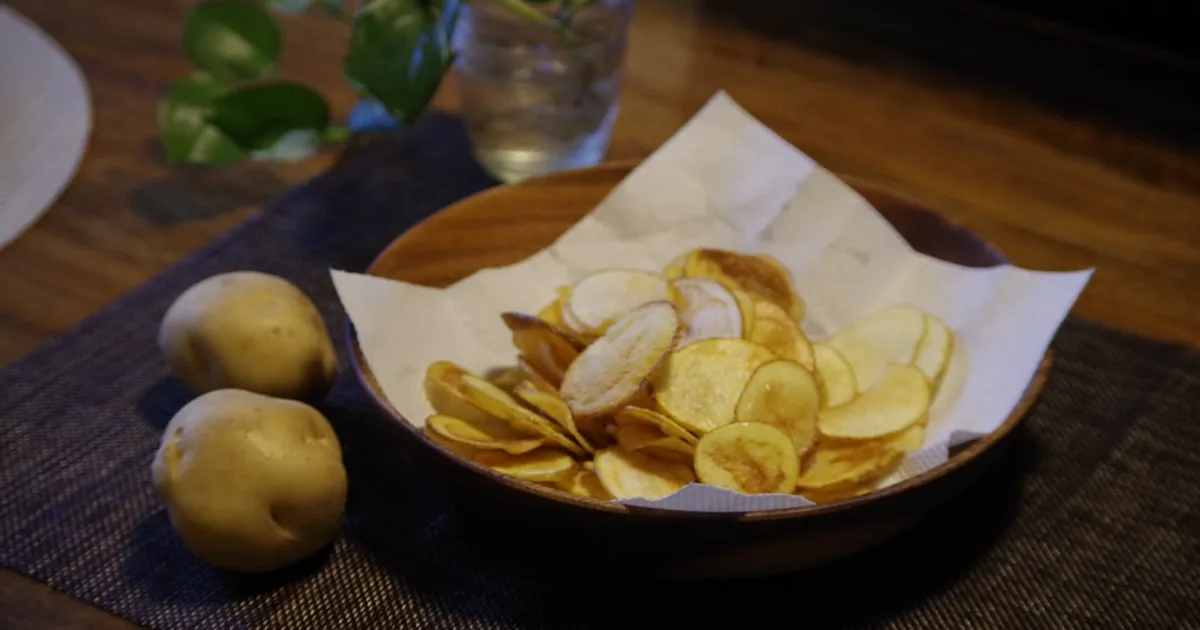
Are Kettle Chips Halal? The Cleanest Crisp on the Shelf
Kettle Chips are halal by ingredients — sunflower oil, potatoes, sea salt, no animal fat, no E120, E441, or E471. No halal certification, but the core range has nothing to flag.
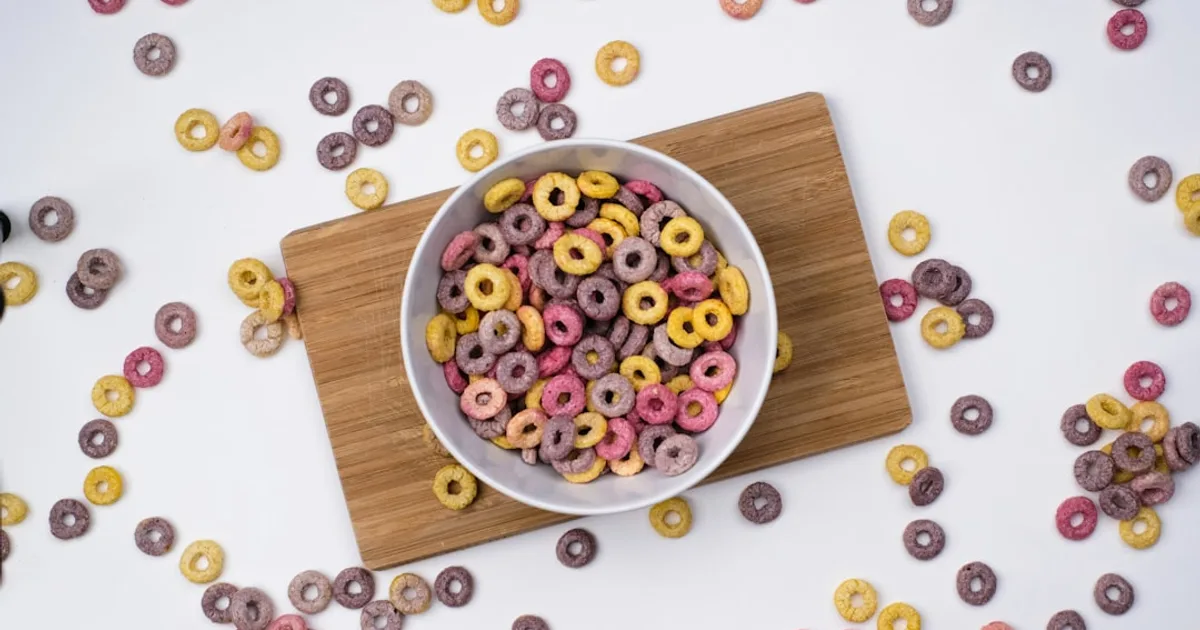
Are Hula Hoops Halal? Original vs Flavoured, Explained
Original Hula Hoops are halal — potato starch, sunflower oil, salt, no animal fat. Flavoured varieties like BBQ Beef need a quick label check for meat flavourings.
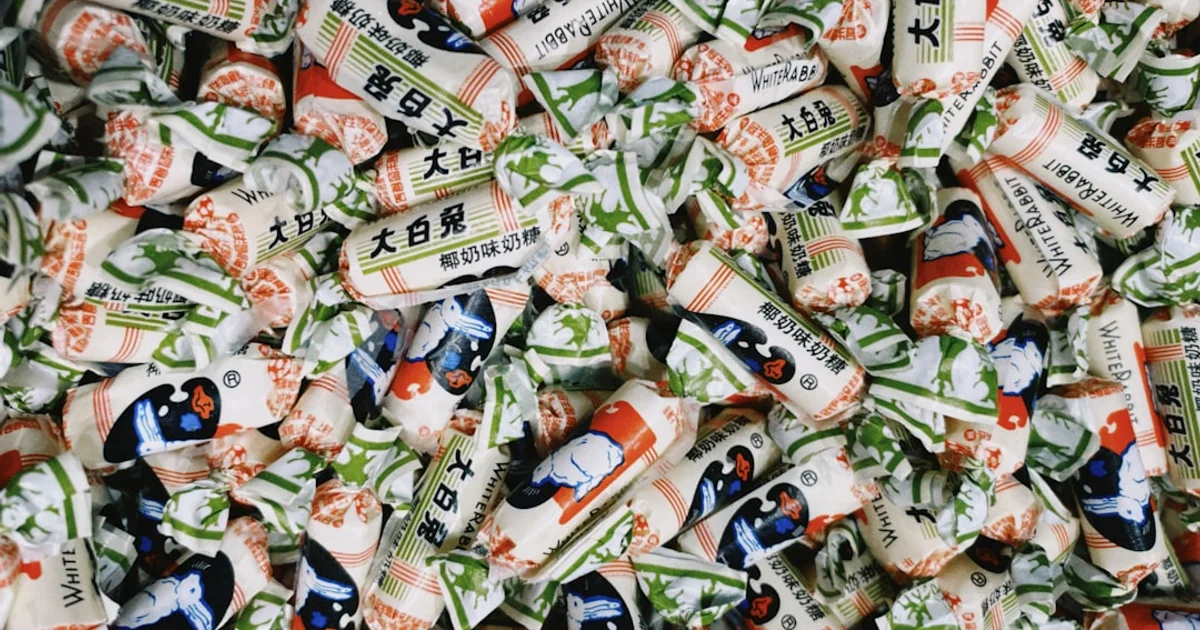
Is White Rabbit Candy Halal? The Chinese Milk Sweet Checked (2026)
White Rabbit candy is a Chinese milk sweet with no halal certification for export markets. The rice paper wrapper is halal. The key concern is whether the milk-based ingredients come from halal-certified dairy supply chains.
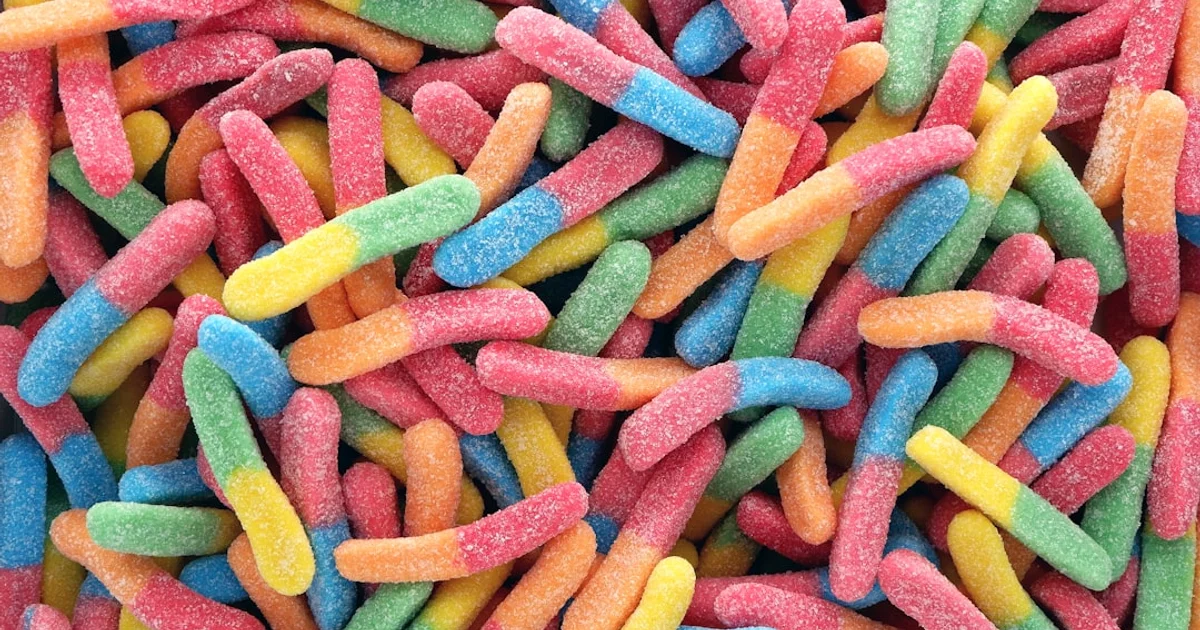
Is Kik Imly Candy Halal? The Tamarind Sweet Checked (2026)
Kik Imly is a Pakistani tamarind candy popular in the UK diaspora. The tamarind base is halal, but artificial colours E110, E122, and E129 are present without halal certification. Verdict: Mushbooh.
The Mushbooh Majority: Why Over a Third of Food Additives Have No Clear Halal Verdict
Analysis of the HalalCodeCheck database reveals that more than a third of food additives carry a Mushbooh status — not because they're unknown, but because their ruling depends on a source that labels don't disclose.
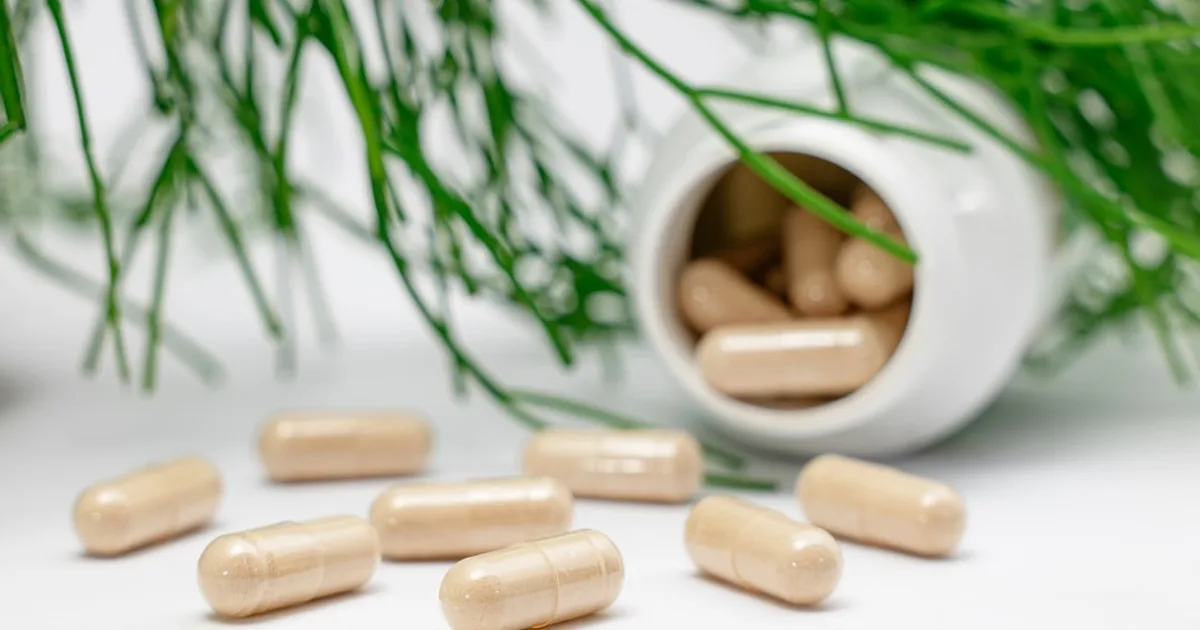
Why "Suitable for Vegetarians" Doesn't Make a Medicine or Supplement Halal (2026)
Vegetarian-labelled capsules still use bovine gelatin — which is not halal without certification. Here's the specific gap between vegetarian compliance and halal compliance, and how to navigate it.
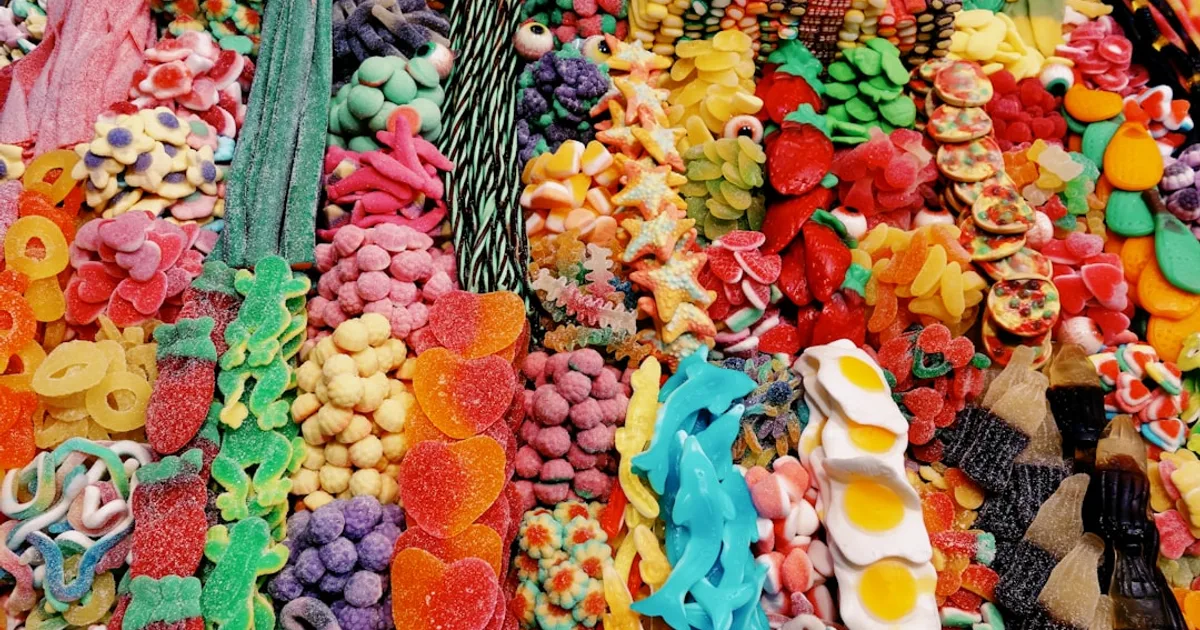
We Checked 40 US Candy Brands: Gelatin, Carmine and Hidden Haram (2026)
US candy labelling hides gelatin behind "confectioner's glaze" and carmine behind "Red 40" confusion. Full audit of Skittles, Starburst, Sour Patch Kids, Haribo US, Swedish Fish, Trolli and more.
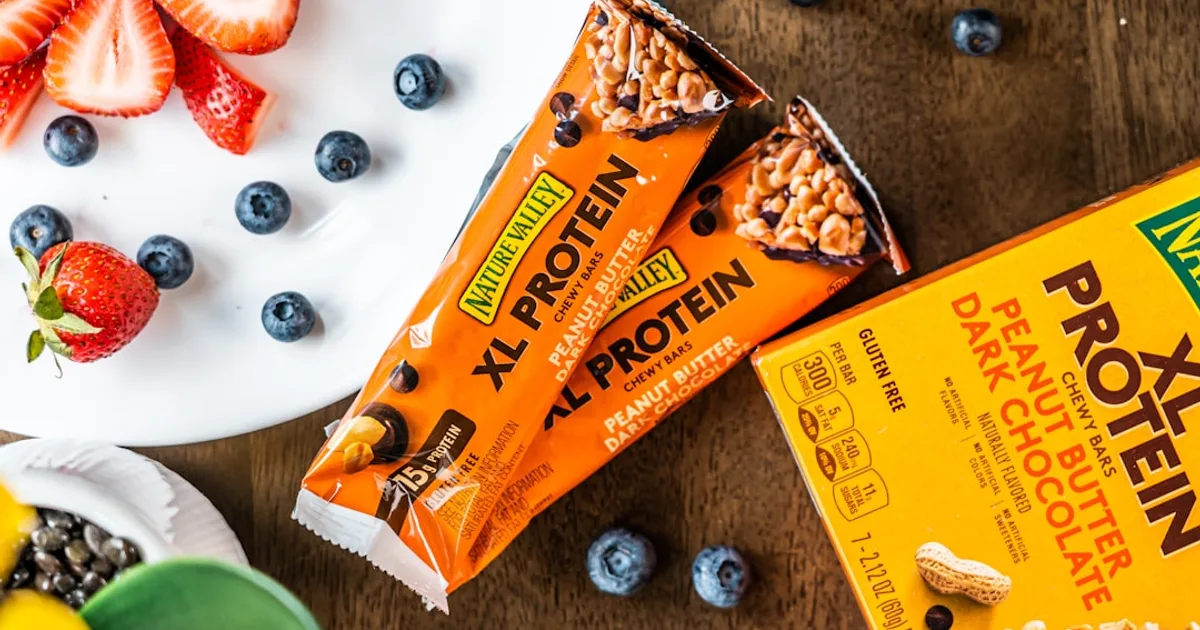
We Checked 50 UK Protein Bars: Every Halal Verdict (2026)
Gelatin, carmine, E471 from animal fat, and undisclosed alcohol-based flavourings appear across 50 UK protein bars. Full results table covering Grenade, Trek, Clif, Quest, Rxbar, Barebells and more.
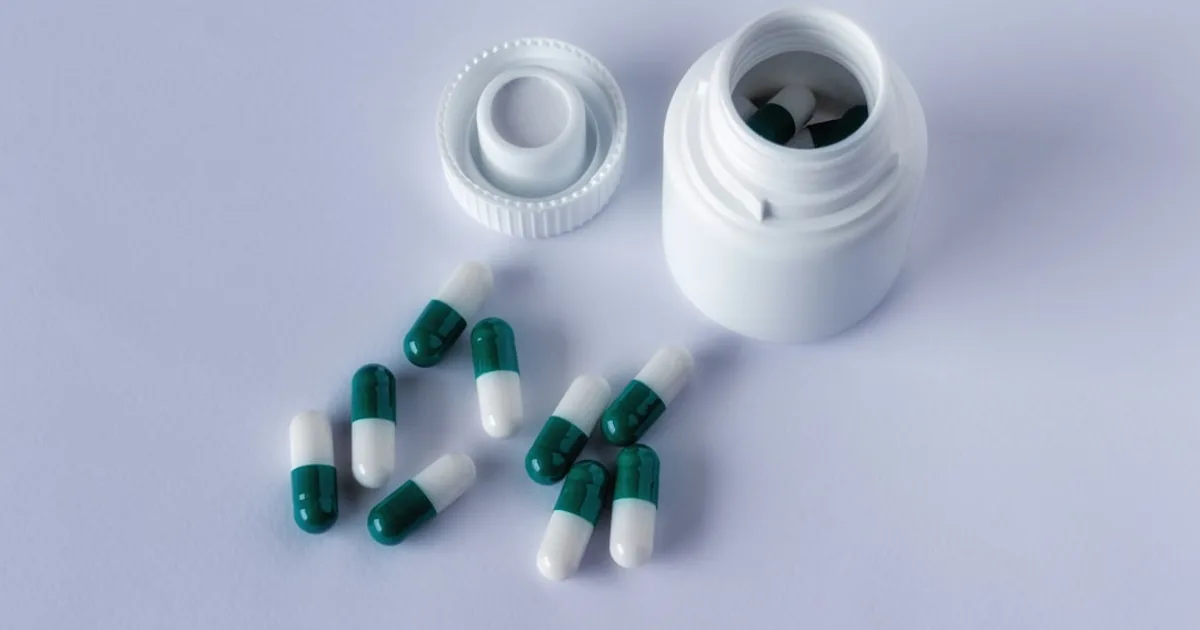
The Supplement Capsule Halal Problem: Gelatin vs HPMC vs Pullulan (2026)
Most vitamin capsules use porcine gelatin — the cheapest shell material. Here's how to identify HPMC (vegetable) capsules on any label and which UK supplement brands use halal-safe capsules.
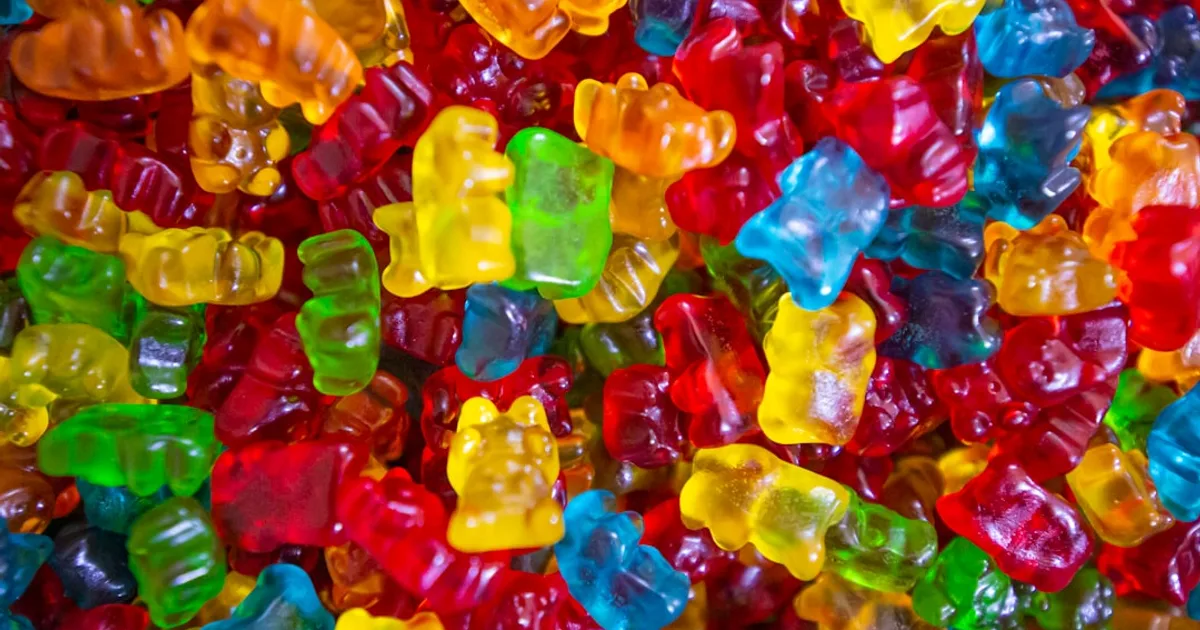
The Gummy Sweets Halal Problem: Why Most Gummies Are Haram (2026)
Porcine gelatin makes most European gummy sweets haram. Haribo UK vs Haribo Germany have different recipes. Here's how to spot safe gummies in any supermarket in 30 seconds.
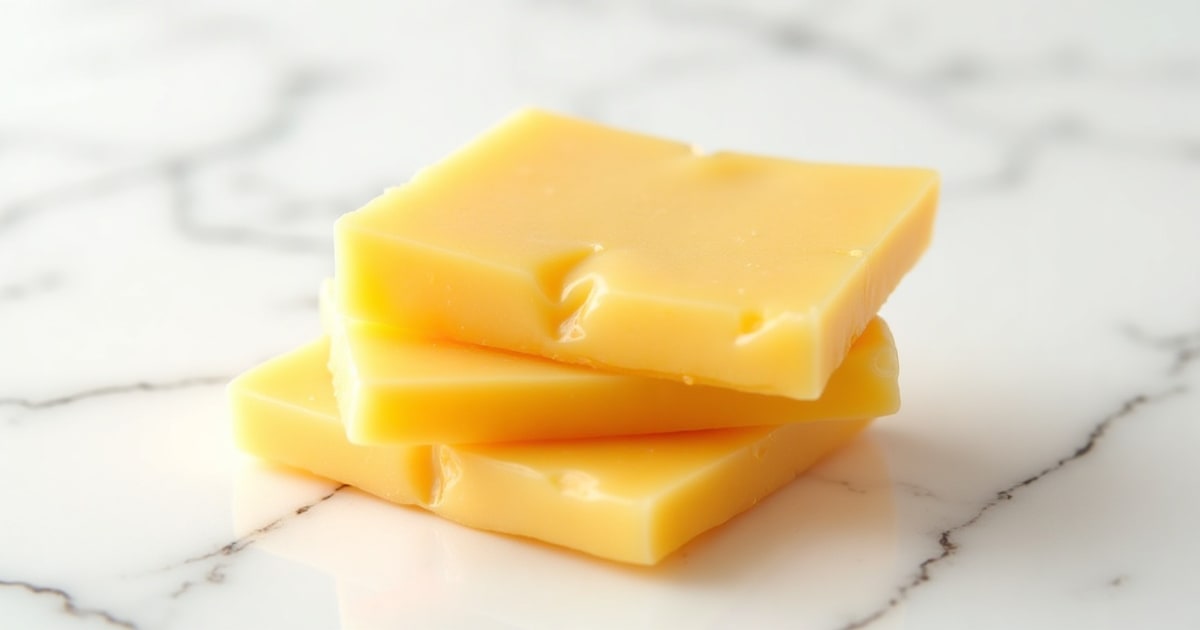
Is Processed Cheese Halal? Rennet, Emulsifying Salts and UK Brand Audit (2026)
Two separate issues: rennet source in the cheese itself, and emulsifying salts (E339, E450, E452) in processed slices. Dairylea, Kraft Singles, Philadelphia, Babybel — all checked.
"No Pork" Doesn't Mean Halal: 8 Other Ingredients to Check (2026)
Gelatin, carmine, shellac, L-cysteine, isinglass, natural flavours, vanilla extract and animal rennet are all haram or mushbooh — and none come from pork. The complete guide to what else to check.
The "Natural Flavours" Halal Problem: What the Label Hides (2026)
"Natural flavours" is the most misleading phrase in food labelling. It can hide castoreum, carmine, isinglass, and alcohol carriers. Here's the systemic problem — and how to navigate it.
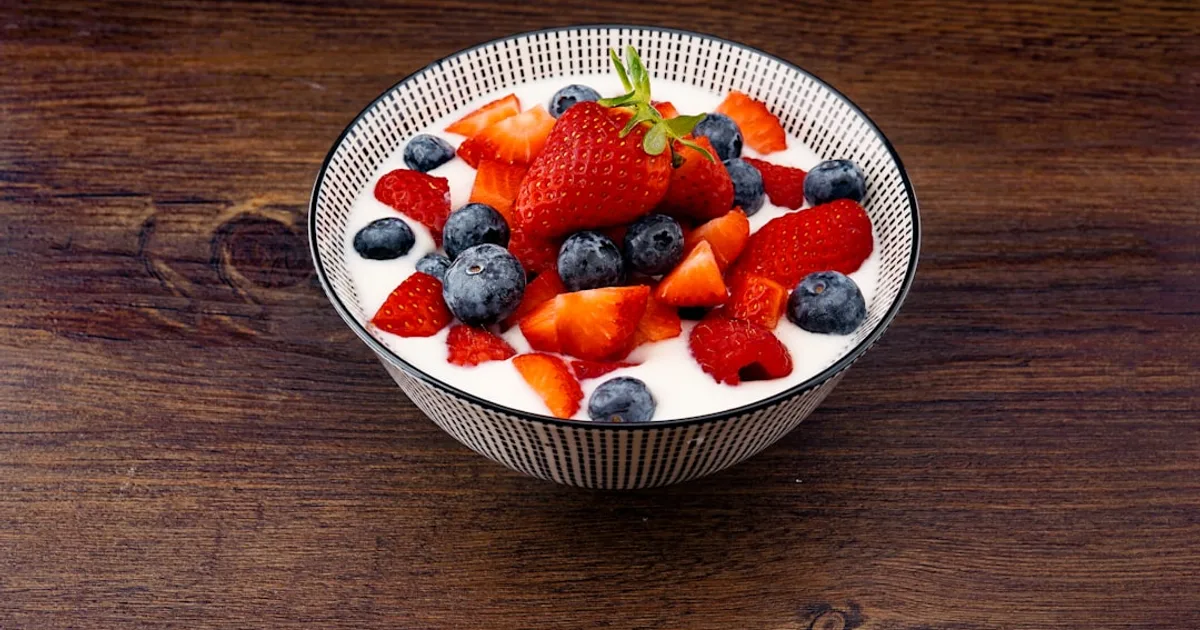
UK Yogurt Halal Audit: Gelatin, Carmine and E-Codes Checked (2026)
Gelatin in set-style yogurts and carmine (E120) in strawberry variants are the main risks. Full audit of Activia, Müller, Yeo Valley, Total Greek, Onken, Alpro and supermarket own-brand.
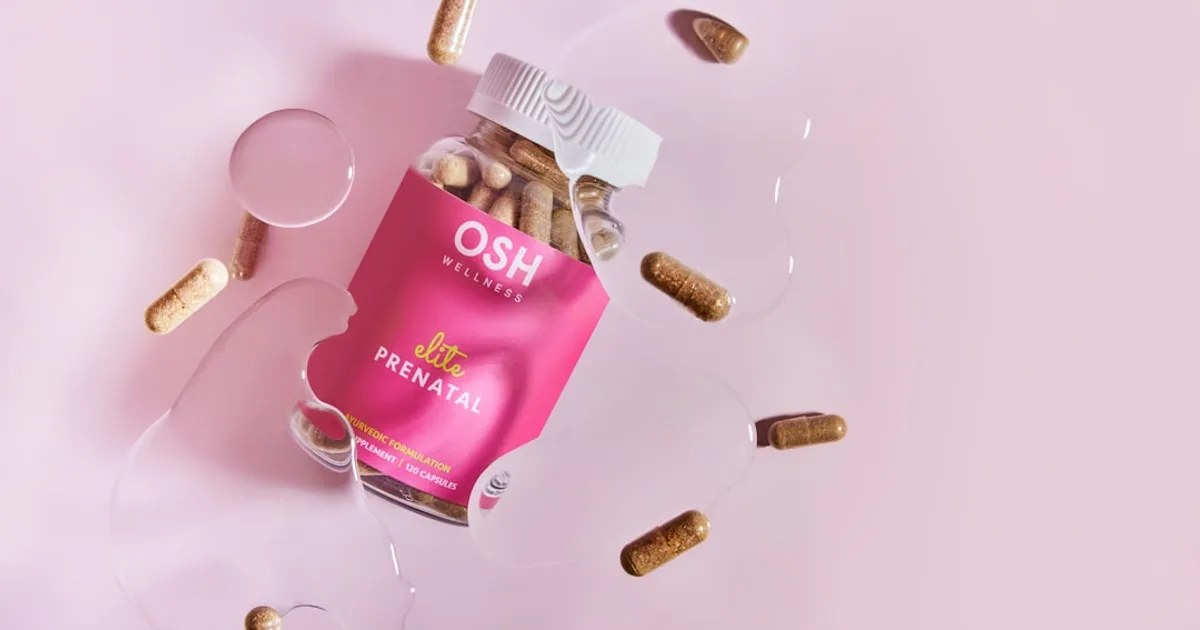
Halal Nutrition During Pregnancy: Vitamins, Supplements & Food Guide (2026)
Gelatin capsules in prenatal vitamins, D3 from lanolin, and omega-3 in fish gelatin capsules make pregnancy supplementation more complicated for Muslim women. Complete guide with safe UK brand picks.
Halal Eating for Muslim Seniors: Medications, Capsules and Supplements (2026)
NHS prescriptions default to porcine gelatin capsules. Here's how to request HPMC alternatives, which OTC supplements to check, and what to say to your GP or pharmacist.
Halal Eating for Muslim Athletes: Protein, Pre-Workout & Recovery (2026)
Whey source, creatine origin, and BCAA derivation are three halal minefields for Muslim athletes. Global guide with practical checks for protein powder, pre-workout, and recovery supplements.
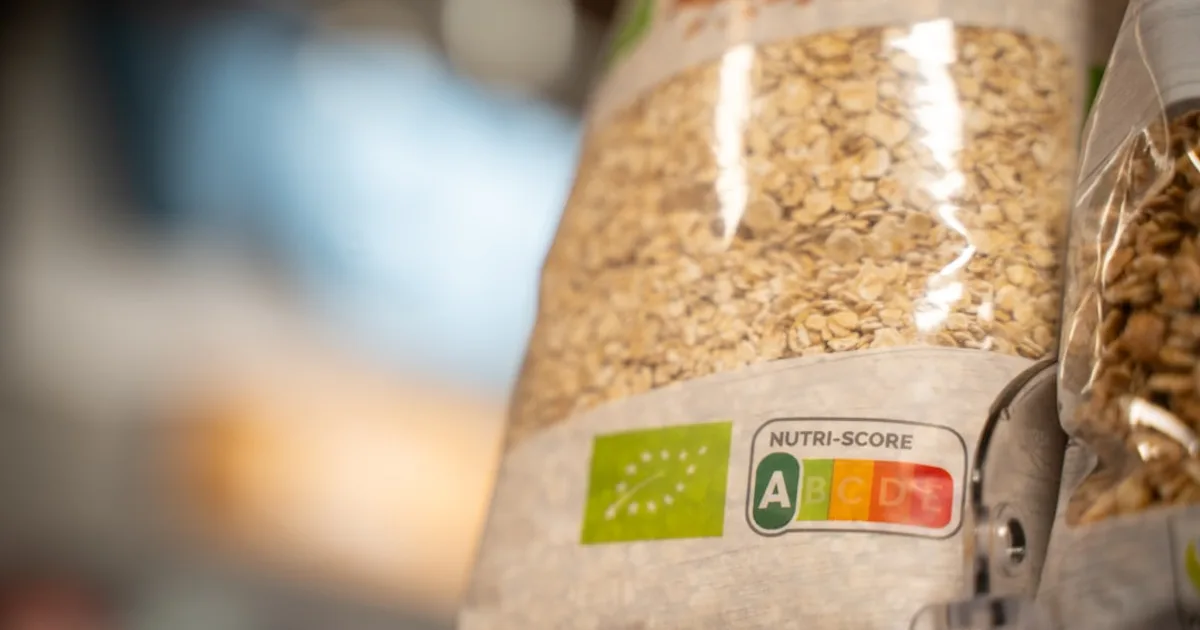
Why Halal-Certified Doesn't Always Mean You're Safe (2026)
Certification covers the product at the point of audit — not every ingredient, every batch, or every recipe change. Here's the specific gaps certification misses and what to do about them.

UK Breakfast Cereals: Full Halal Audit (2026)
We checked every major UK breakfast cereal for vitamin D3, E471, and natural flavours. Weetabix, Kellogg's, Nestlé, Quaker and own-brand — full results table.
UK Biscuits: Which Brands and Varieties Are Halal? (2026)
Animal fat (lard) in shortcrust and E471 in cream-filled biscuits are the main risks. Full audit of McVitie's, Fox's, Lotus, Jammie Dodgers, Maryland, Leibniz and own-brand.
We Checked 30 UK Energy Drinks: Which Are Safe for Muslims? (2026)
Taurine is synthetic (halal). The real risks are carmine (E120) in coloured variants, and L-carnitine source in some formulas. Full audit of Red Bull, Monster, Prime, Ghost, Lucozade and more.
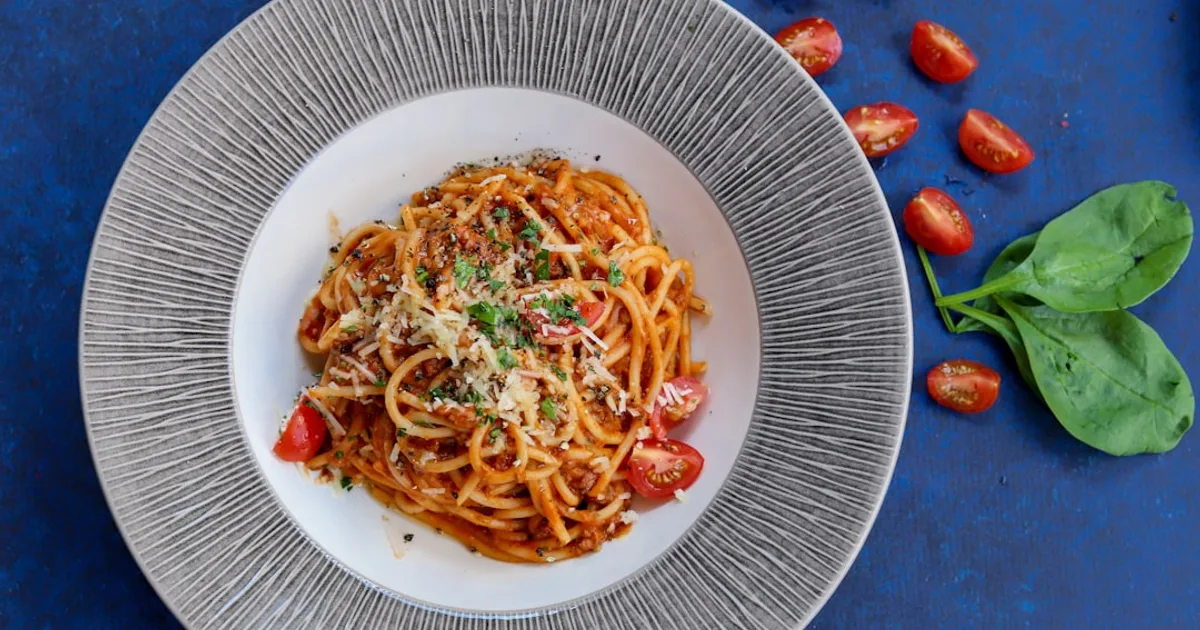
The Complete Guide to Halal Pasta Sauces: Jar, Pesto, Fresh and Ready Meal (2026)
Plain tomato sauces are almost always fine. The problems: wine in bolognese, animal rennet in pesto parmesan, and anchovy in puttanesca. Dolmio, Sacla, Napolina, Lloyd Grossman — all checked.
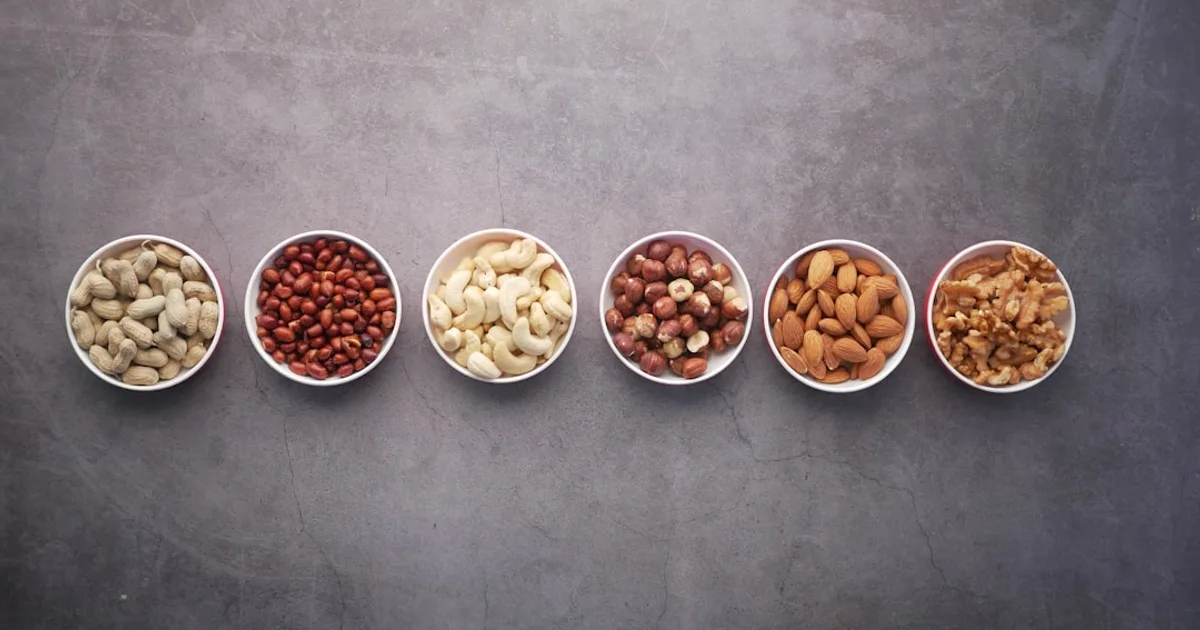
The Complete Guide to Halal Crisps and Savoury Snacks (2026)
Every snack category covered: potato crisps, Doritos, Pringles, popcorn, rice cakes, nuts and crackers. Brand verdicts across Walkers, Tyrells, Kettle, Doritos, Cheetos, Pringles, Popchips and more.
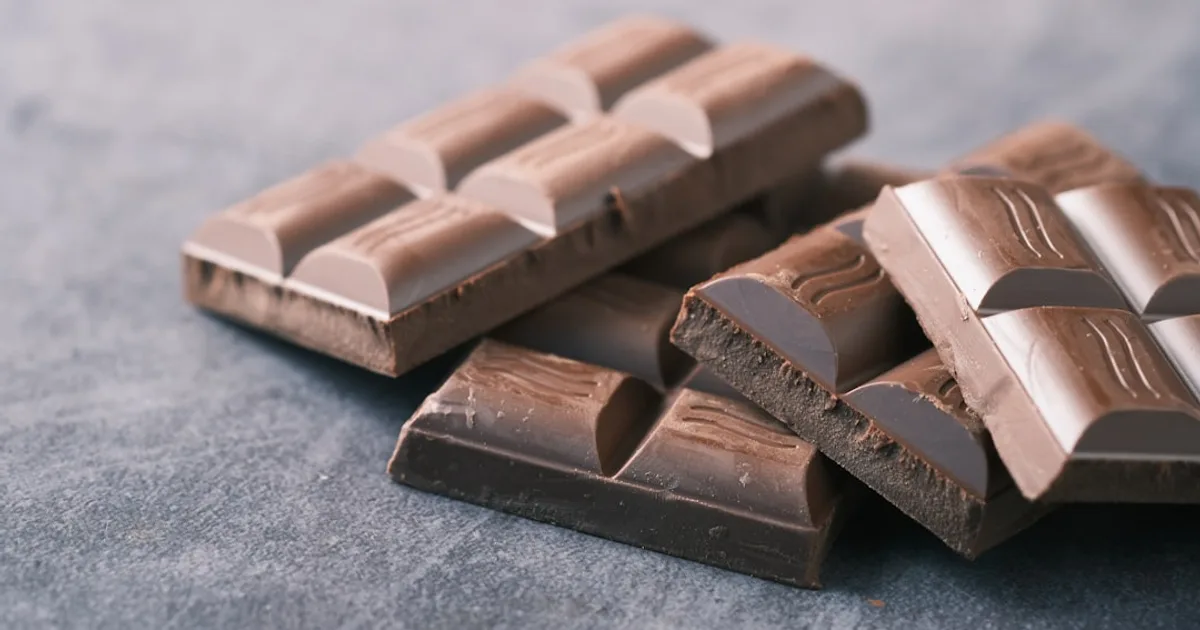
The Complete Guide to Halal Chocolate: Bars, Hot Chocolate, Baking and Spread (2026)
E476 (PGPR), E471, and vanilla extract with alcohol are the three chocolate concerns. Every format covered: chocolate bars, hot chocolate, baking, Nutella alternatives, and white chocolate.
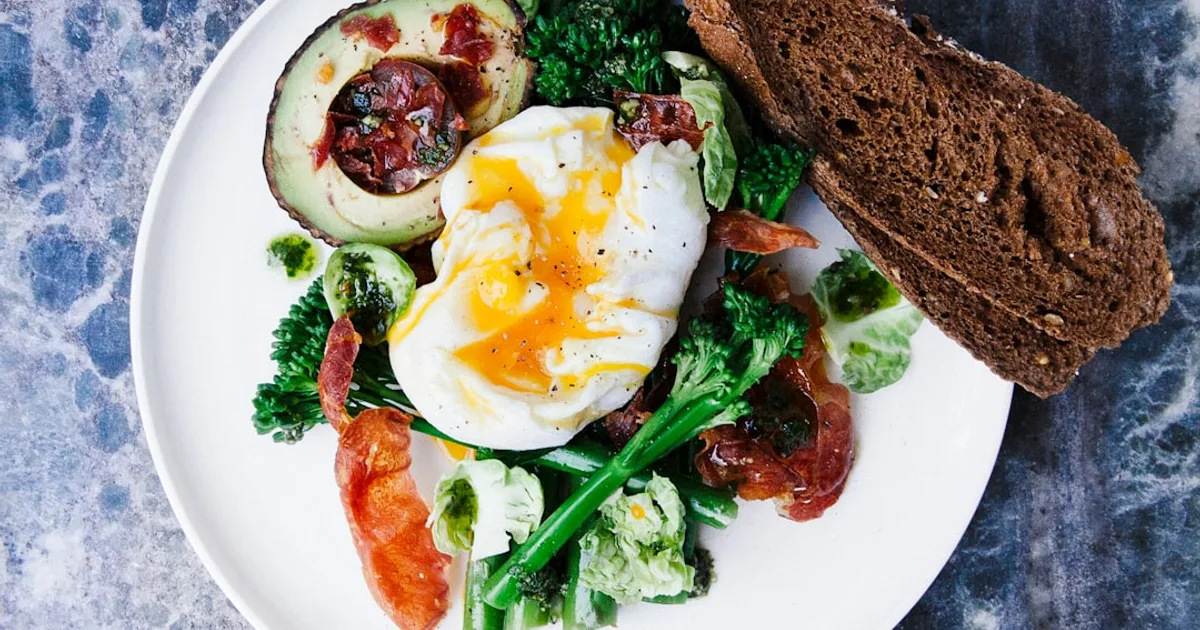
The Complete Guide to Halal Breakfast: Cereals, Bread, Eggs and More (2026)
The definitive halal breakfast resource. Every category covered: cereals (D3, E471), bread (E920, L-cysteine), spreads, eggs, yogurt, juice, and cooked breakfast — with brand-by-brand verdicts.
Trace Alcohol in Food: When It Matters and When It Doesn't (2026)
Cooking wine doesn't "burn off" completely. Vanilla extract vs vanillin are different things. And fermented foods like kefir and kombucha produce their own alcohol. Here's the nuanced guide scholars actually follow.
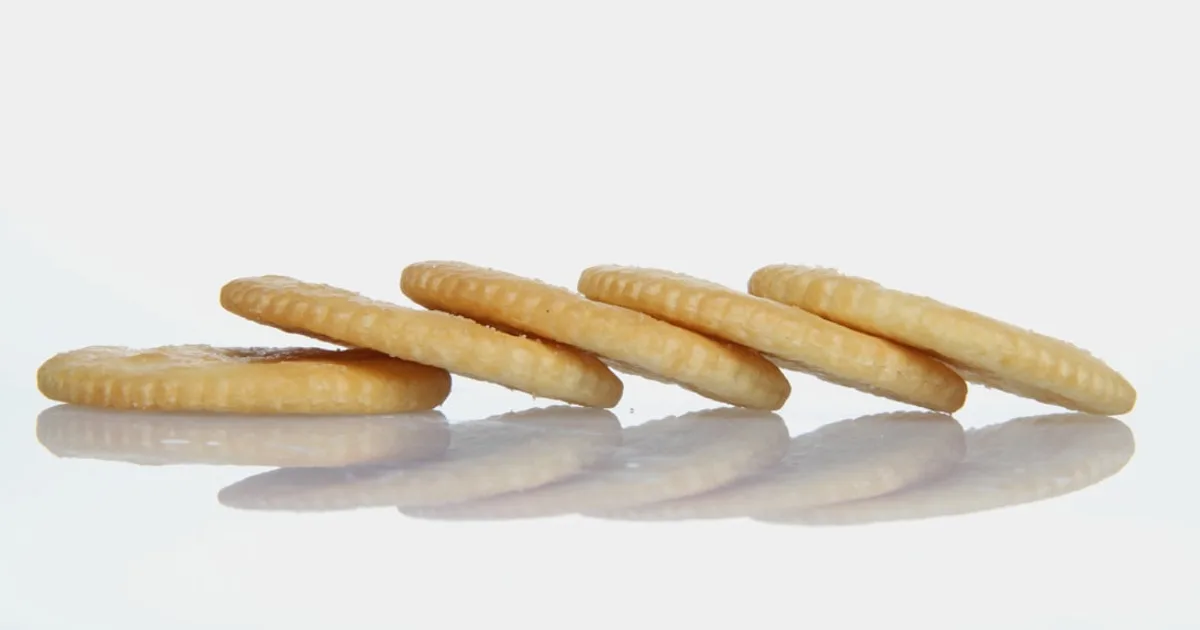
Is Ritz Crackers Halal? Nabisco Ingredients Checked (2026)
Ritz Original Crackers are Mushbooh — they contain E471 (mono and diglycerides) with no animal source disclosure and no halal certification.
Is Milka Chocolate Halal? Complete EU & UK Guide (2026)
Milka chocolate is Mushbooh — it contains E476 (PGPR) and E471 with undisclosed animal fat sources and no halal certification in UK or EU.
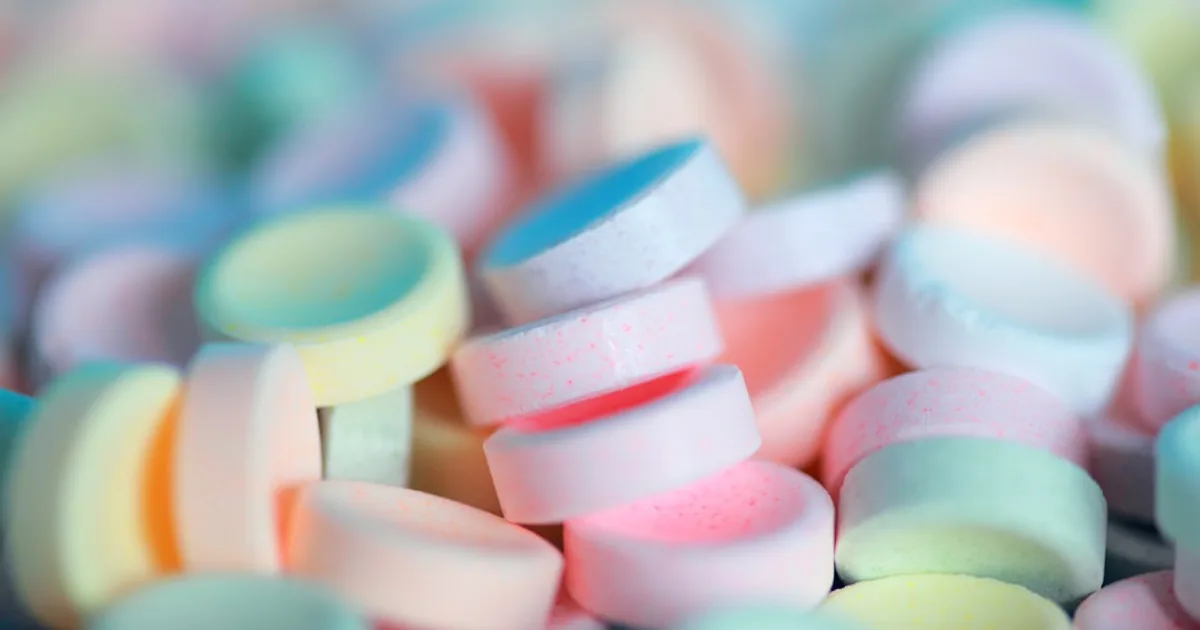
Are Mentos Halal? Every Variety Checked (Rainbow, Mint, Fruit)
Chewy Mentos rolls contain undisclosed gelatine — Mushbooh in UK/EU. Hard mints are gelatine-free but uncertified. Malaysian JAKIM-certified Mentos is halal.
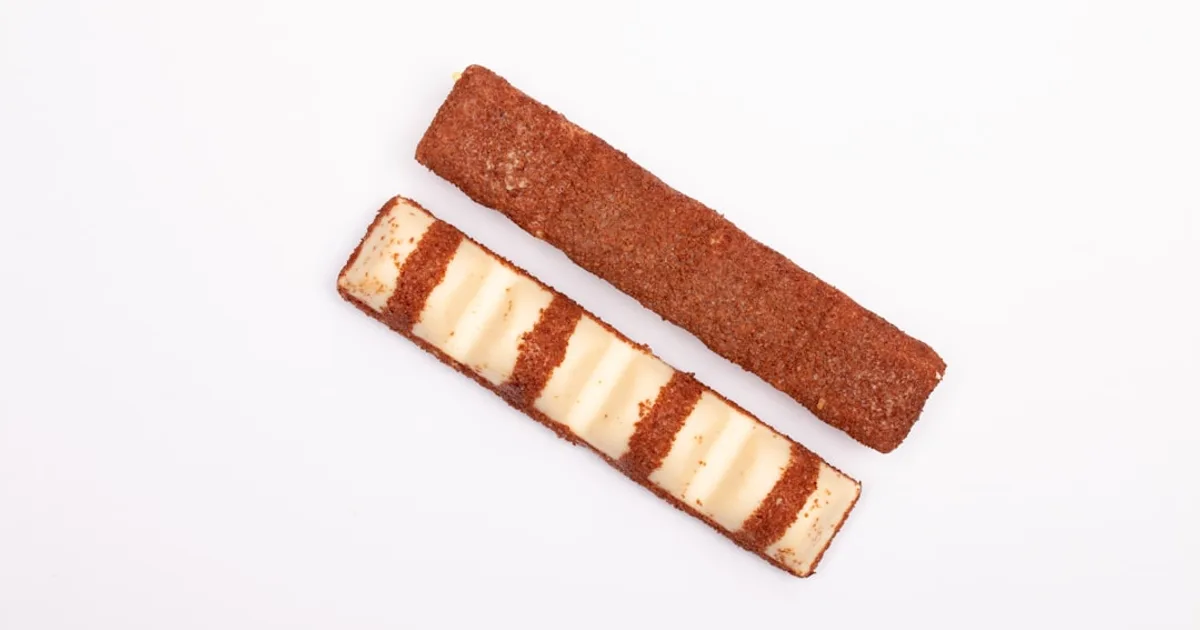
Is Biscolata Halal? Turkish Chocolate Brand Ingredients Checked
Biscolata is Mushbooh — the Turkish chocolate biscuit brand uses E471 with no halal certification for export markets, though Turkish production may meet local standards.
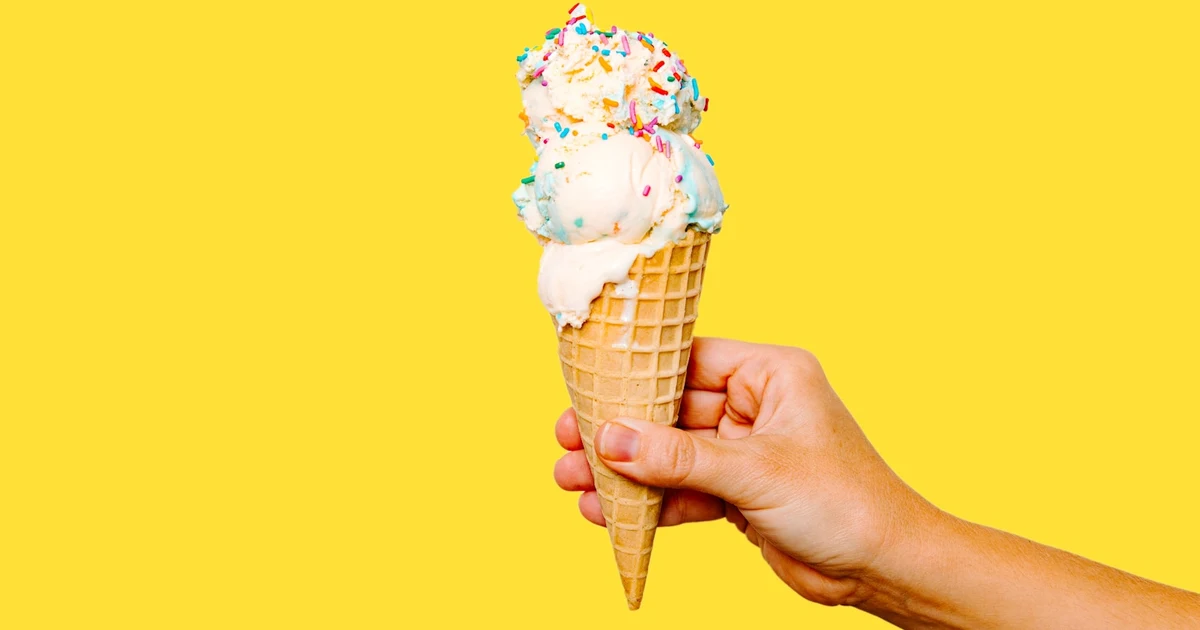
Is Mr Whippy Ice Cream Halal? Cones, Flakes, and Toppings Explained
A plain Mr Whippy soft-serve cone is generally halal, but the Cadbury 99 Flake and some syrups are Mushbooh. Here's what to check before you buy.
Is Sriracha Halal? A Guide to Halal Hot Sauces
Is sriracha halal? Most sriracha sauces are plant-based and halal — but not all. Here's what to check and the best verified halal hot sauces to buy.
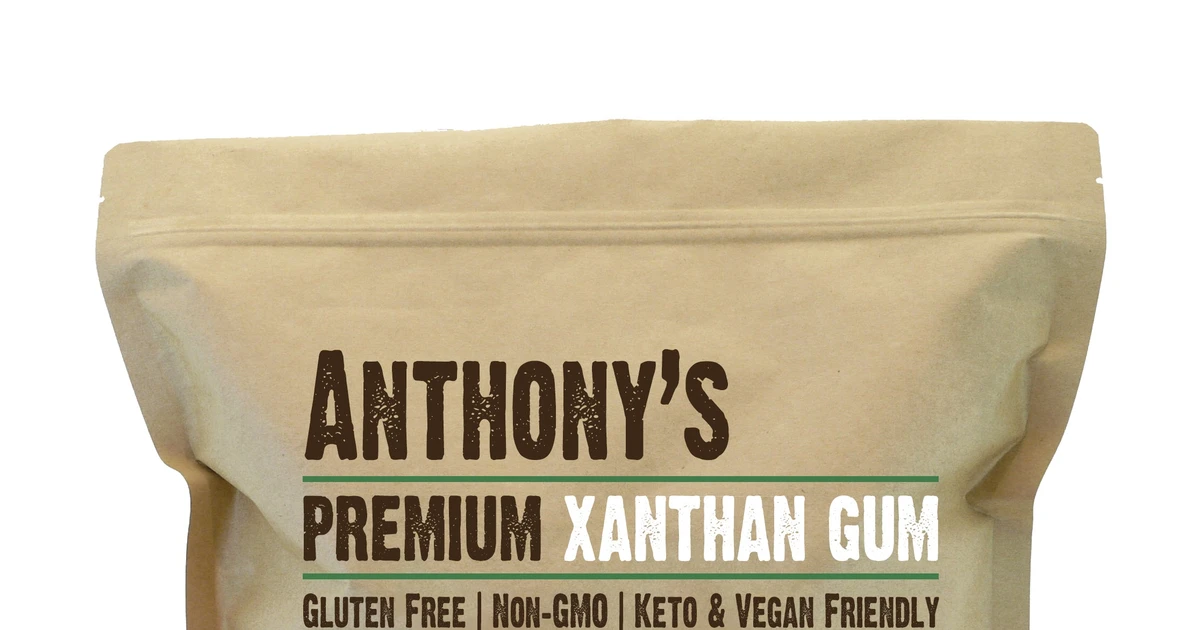
Halal Xanthan Gum for Baking — Which Brand to Buy
Xanthan gum (E415) is produced by bacterial fermentation — halal by default, but the growth medium matters. Here are the best halal-verified xanthan gum brands.
Halal Vanilla: Extract vs Powder — What's the Difference?
Vanilla extract contains alcohol — is it halal? Vanilla powder is the safer alternative. Here are the best halal-verified vanilla options for baking.
Best Halal Whey Protein Powder USA 2026 — Certified Picks
Whey protein from non-certified dairy sources is Mushbooh. Here are the best halal-certified whey protein powders for Muslim gym-goers in the US.
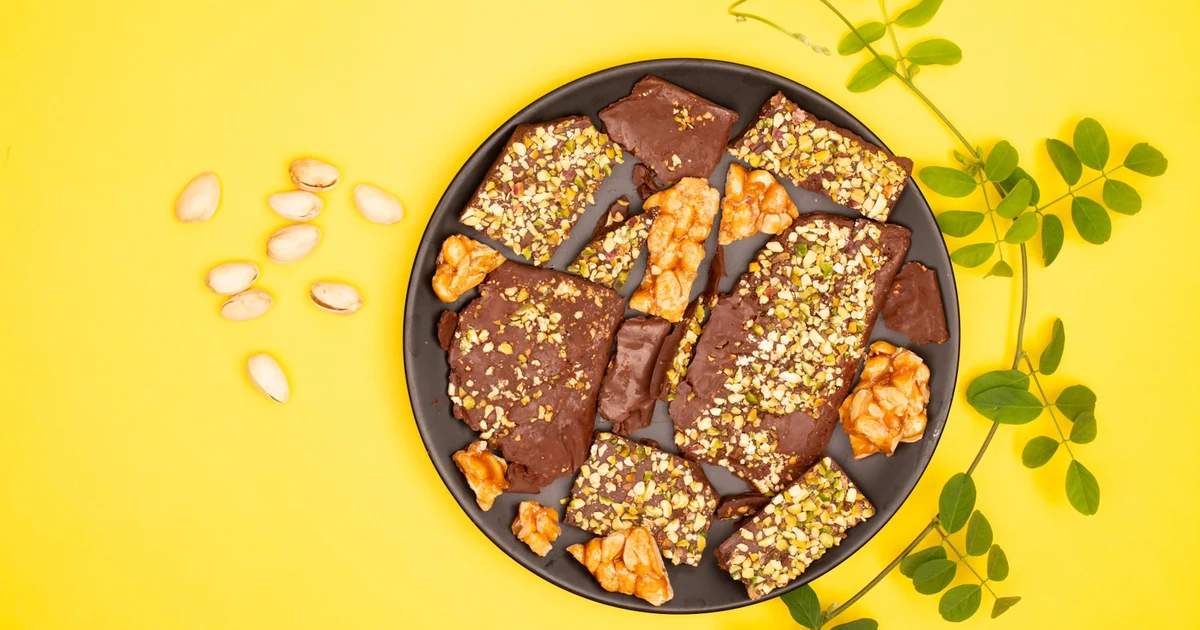
Best Halal Protein Bars USA 2026 — Certified Imports, Clean-Label Picks & Bars to Avoid
Which protein bars are halal in the US? Two certified imports (YuBi, Chief), the cleanest uncertified bars (RXBAR, Misfits, ALOHA), and verdicts on Quest, Barebells, Pure Protein, Built, Grenade and KIND.
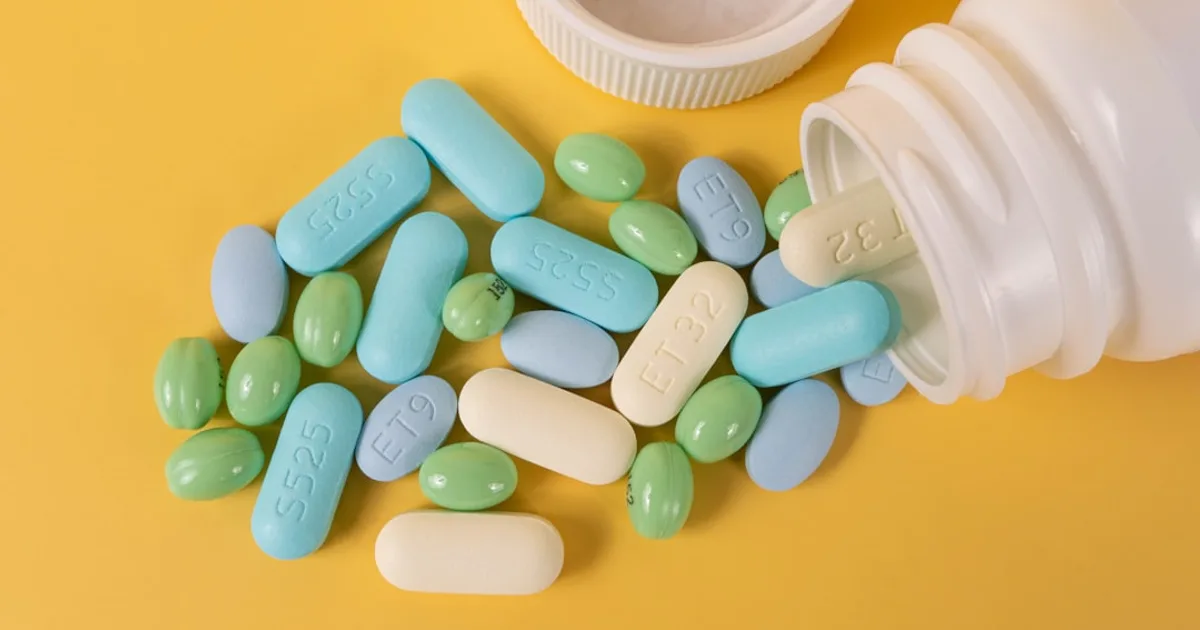
Best Halal Multivitamins 2026 — Certified Picks for All Ages
Most multivitamins contain pork gelatine capsules or E120 coatings. Here are the best halal-certified daily multivitamins available in 2026.
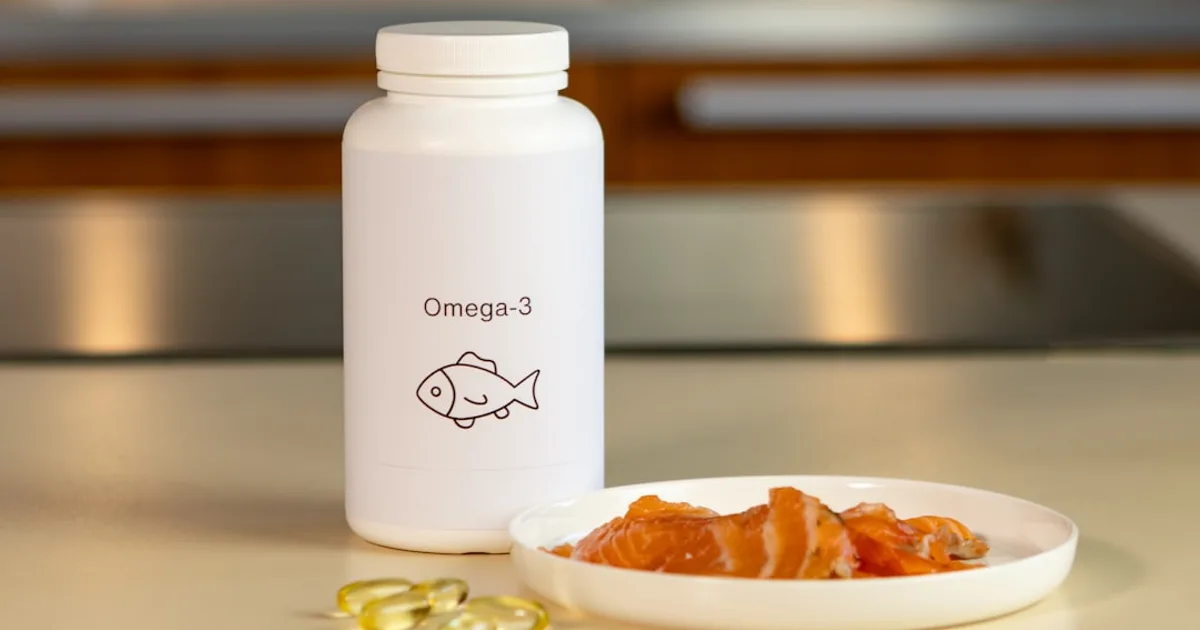
Best Halal Fish Oil Supplements 2026 — Omega-3 Without the Doubt
Fish oil is halal — but the gelatine capsule often isn't. Here are the best halal-certified fish oil omega-3 supplements for 2026.
Best Halal Collagen Powder 2026 — ISA-Certified Picks & Brands to Avoid
Which collagen powder is halal? ISA-certified bovine picks (Zaytun, SHIFAA, Simply Halal), marine options, dose by goal, and why Vital Proteins, NeoCell and Sports Research are Mushbooh.
Best Halal Chickpea Snacks 2026 — High-Protein Plant-Based Picks
Chickpea snacks are naturally halal, high-protein, and increasingly popular. Here are the best halal chickpea crisps and snacks to buy online in 2026.
Is Alcohol in Food Haram? The Complete Guide
Alcohol added as an ingredient is haram. Trace fermentation alcohol and wine-vinegar are treated differently. Here's where the line is, and how the madhabs rule.
Are Starter Cultures & Microbial Rennet Halal?
Starter cultures and microbial rennet are generally halal — the bacteria themselves are pure. The real concern is the growth medium they're propagated on. Here's how to check.
Is Glycerin in Toothpaste Halal? Plant vs Animal Sources by UK Brand (2026)
Glycerin is in almost every toothpaste. The source (animal vs plant) is rarely on the label. This guide checks Colgate, Sensodyne, Oral-B, and halal-certified alternatives.
Is E471 in Baby Food Safe? What Muslim Parents Need to Know (2026)
E471 (mono- and diglycerides) appears in baby rusks, formula, and cereals. Source is rarely disclosed. This guide explains the halal status and which UK brands contain it.
Is Alcohol in Perfume Halal? Denatured vs Ethyl Alcohol Explained (2026)
There is a genuine scholarly debate on alcohol in perfume — this is not a simple yes or no. This guide explains the Hanafi, Maliki, and Shafi'i positions and lists alcohol-free UK alternatives.
Halal Omega-3 Fish Oil: The Capsule Problem No One Warns You About (2026)
Fish oil is halal. The capsule enclosing it usually isn't. This guide explains the porcine gelatine softgel problem and lists safe UK halal omega-3 alternatives.
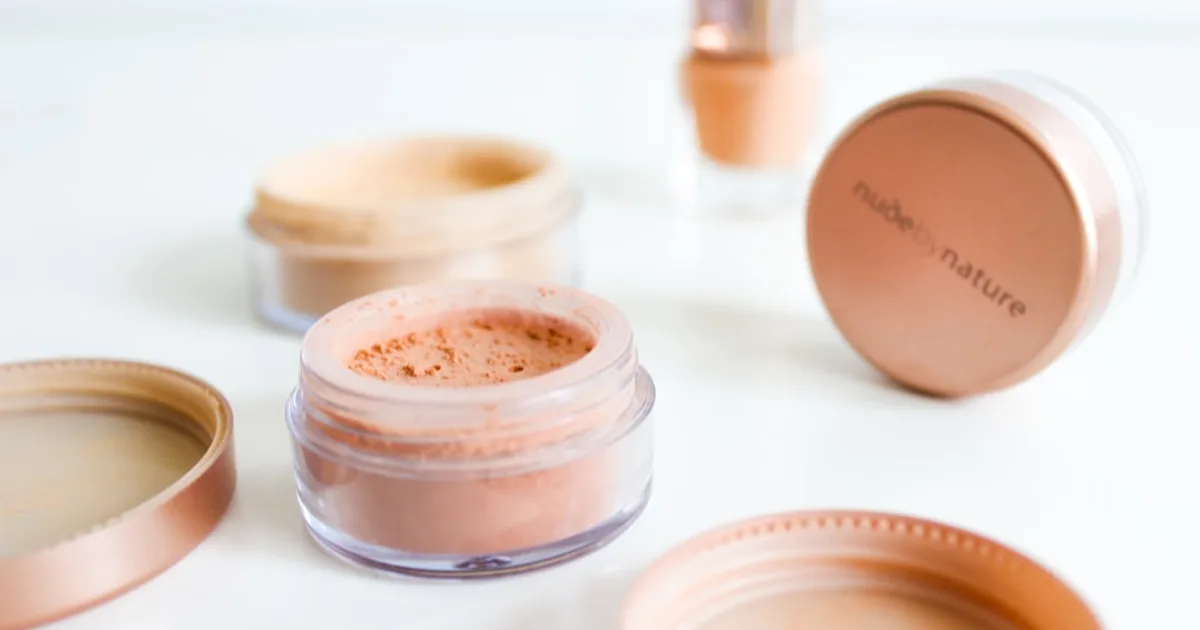
Halal Cosmetics Ingredients: What to Check in Skincare, Makeup & Toiletries (2026)
Carmine, gelatine, glycerin, and alcohol appear in both food and cosmetics. This guide covers the halal status of every major cosmetic ingredient with UK brand examples.
Are Collagen Supplements Halal? Marine vs Bovine vs Porcine Explained (2026)
Collagen supplements default to porcine sources. Marine collagen is halal; bovine needs certification. Full UK brand guide with verdict on each type.
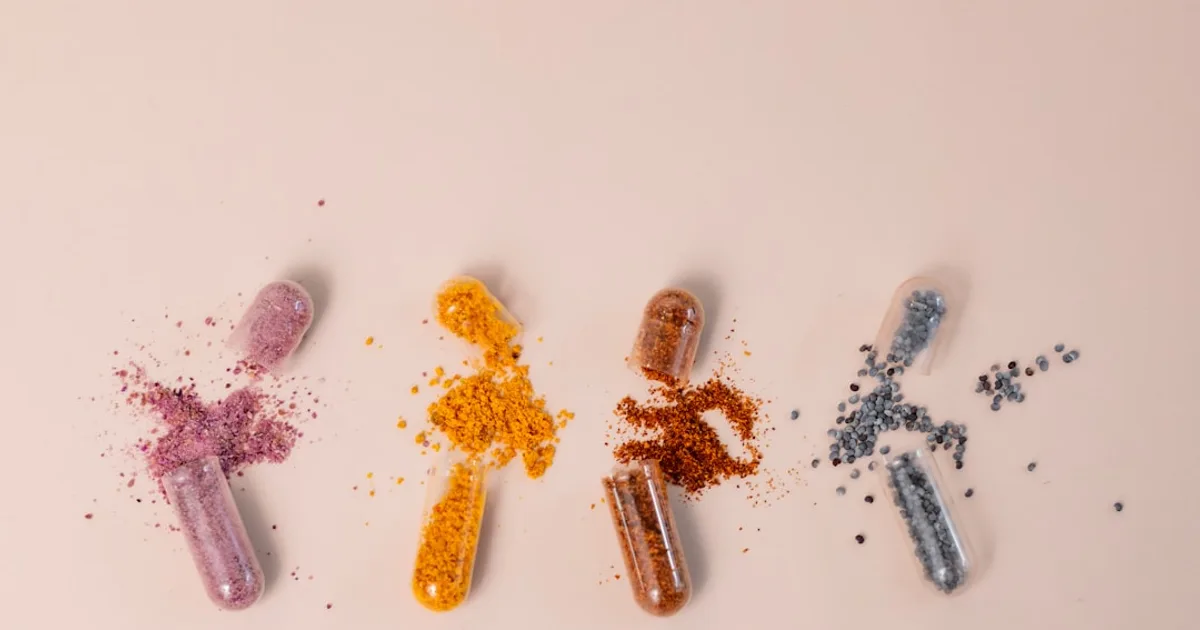
E Numbers in Vitamins and Supplements: What Every Muslim Shopper Needs to Check (2026)
You check E numbers in food. Most Muslims never check their vitamins. This guide covers E470b, E471, E904, E120, and E441 as they appear in tablets and capsules.
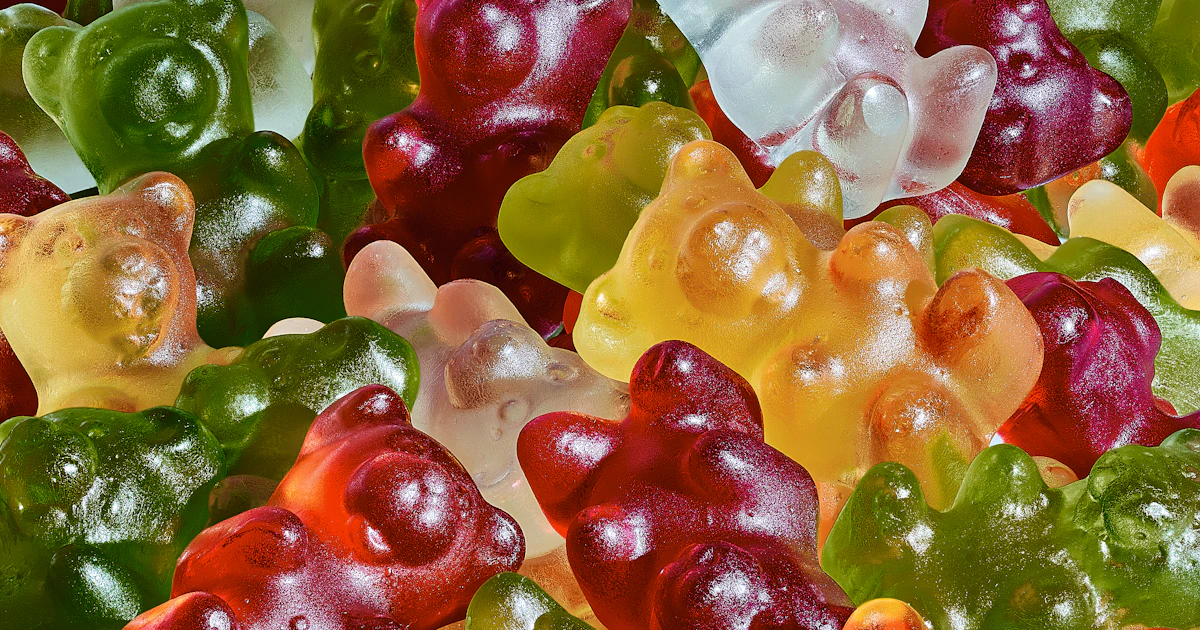
Is Vidal Candy Halal? Spanish Sweets Checked for Gelatin & E-Codes
Vidal sweets are Mushbooh to Haram — most gummy products contain pork gelatine. Some products use plant-based alternatives — check the label for each variant.
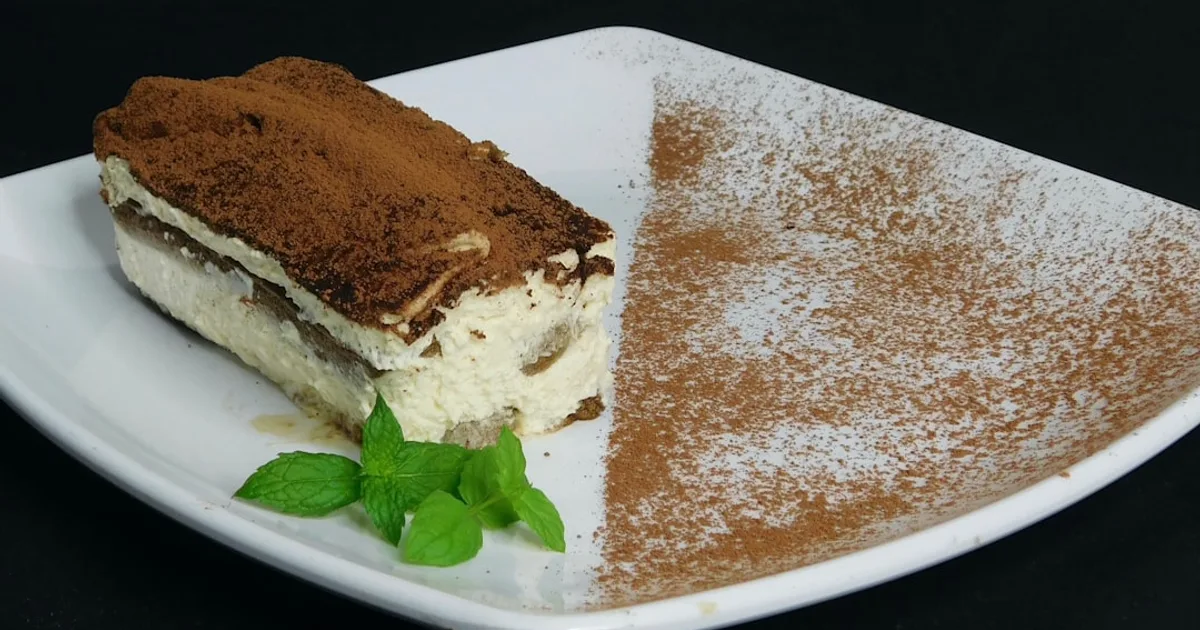
Is Tiramisu Halal? Alcohol, Mascarpone & Marsala Checked
Traditional tiramisu is not halal — it contains Marsala wine and sometimes rum. Halal tiramisu is simple to make and widely available in Malaysia and the UAE.
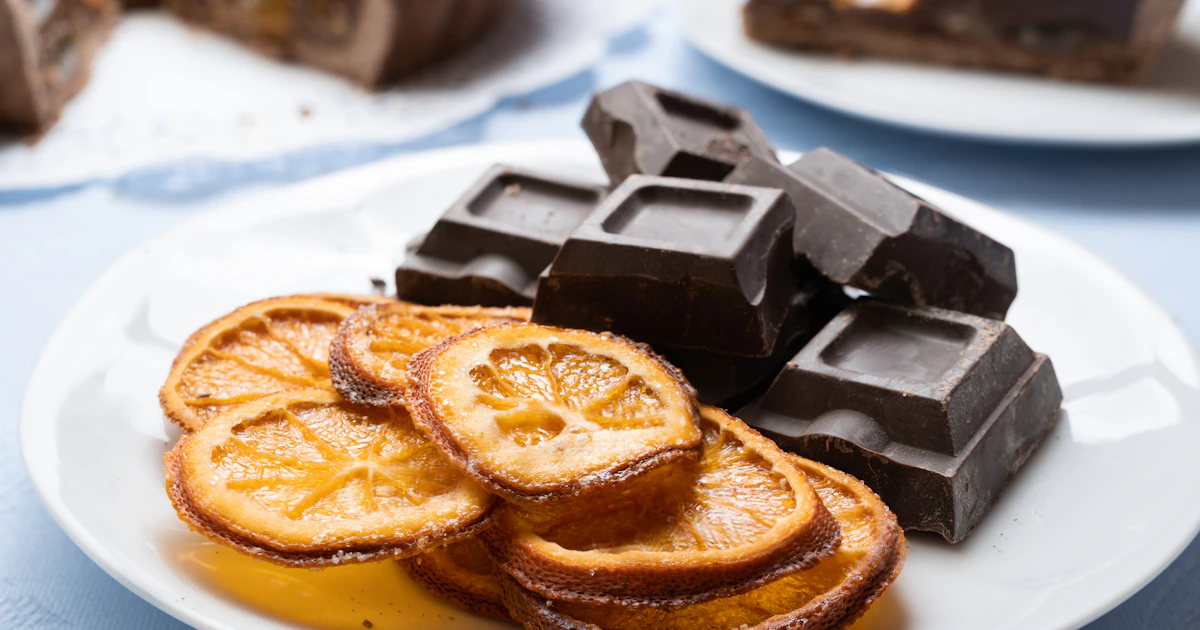
Is Terry's Chocolate Orange Halal? Ingredients Checked
Terry's Chocolate Orange is Mushbooh — it contains E476 (PGPR) with undisclosed glycerol source. No halal certification. The Dark version has the same concern.
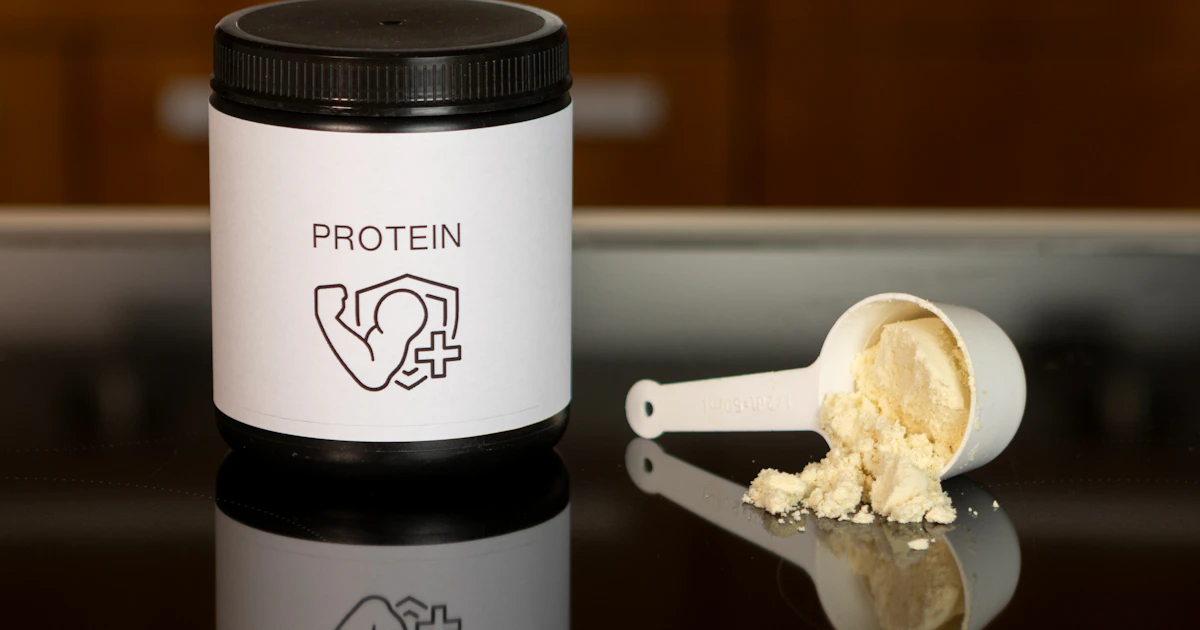
Is Protein Powder Halal? UK Brands Compared (Whey, Vegan, Casein)
Whey protein is Mushbooh without halal certification — it's dairy-derived but processing aids may be animal-based. Vegan protein is generally halal. Full UK brand guide.
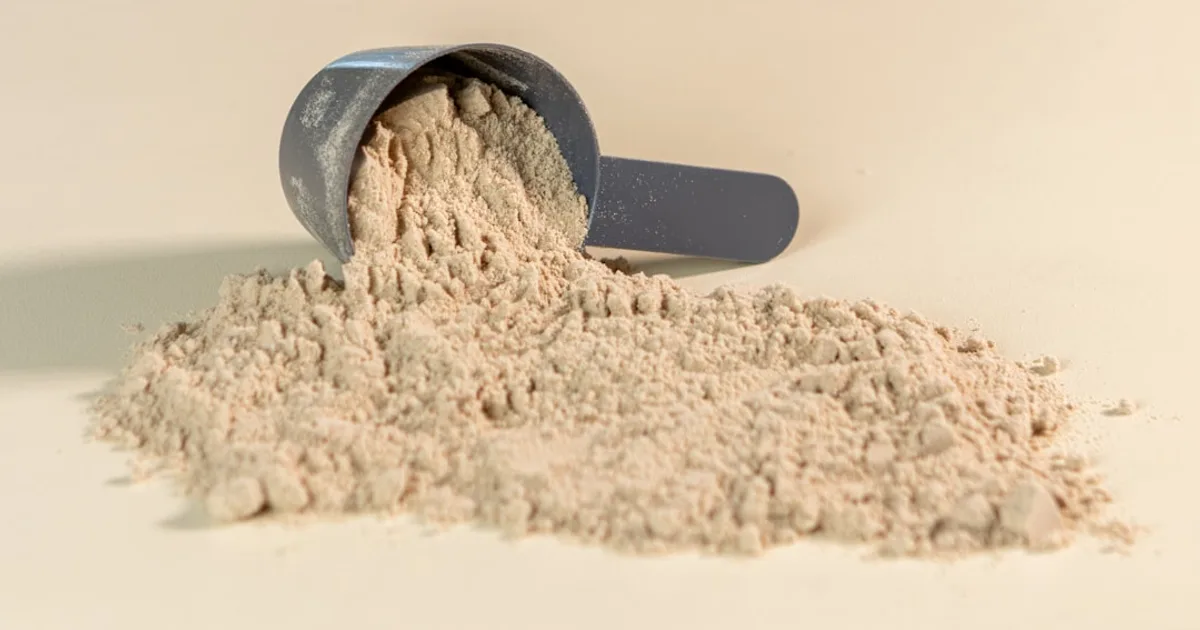
Is Pre-Workout Halal? Caffeine, Beta-Alanine & Proprietary Blends
Most pre-workout powders are halal in formula but lack halal certification. Key concerns: undisclosed flavoring sources, gelatine in capsule form, and alcohol-based extracts.
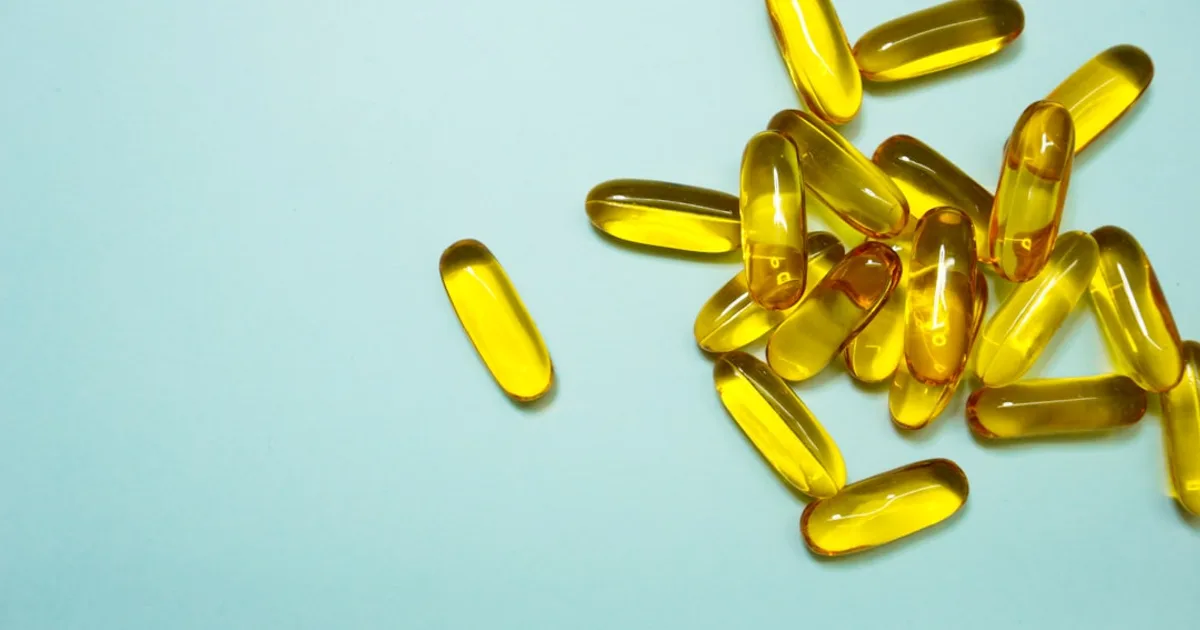
Is Omega-3 Fish Oil Halal? Gelatin Capsules vs Enteric-Coated
Fish oil omega-3 is halal — fish is generally permissible. The concern is the capsule: standard softgels use pork gelatin. Look for fish gelatin or enteric-coated alternatives.
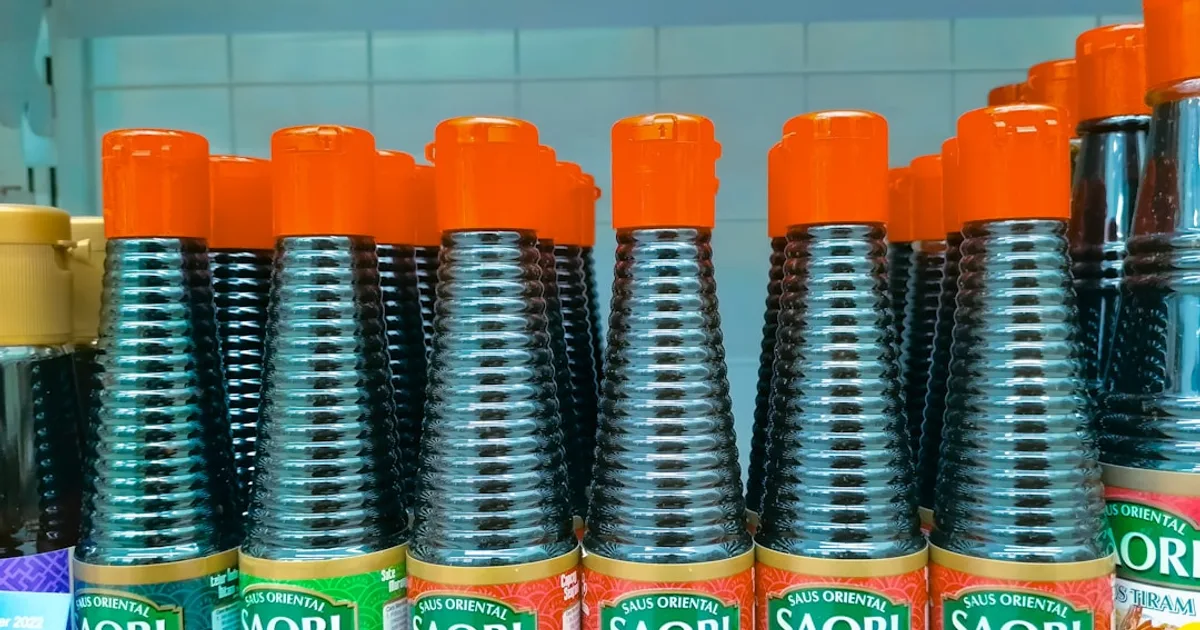
Is Mirin Halal? Japanese Cooking Wine & Halal Cooking
Standard mirin contains alcohol (14% ABV) and is not halal. Alcohol-free mirin alternatives exist and are the practical solution for halal Japanese cooking.
Is Melatonin Halal? Gelatin Capsules vs Gummies Checked
Melatonin itself is halal — it's synthetically produced. The concern is the delivery format: gelatin capsules and gummies may contain pork gelatin.
Is L-Carnitine Halal? Meat-Derived Supplement Checked
L-Carnitine halal status depends on production method — synthetic L-Carnitine is halal, but bacterial fermentation and meat-extracted variants require verification.
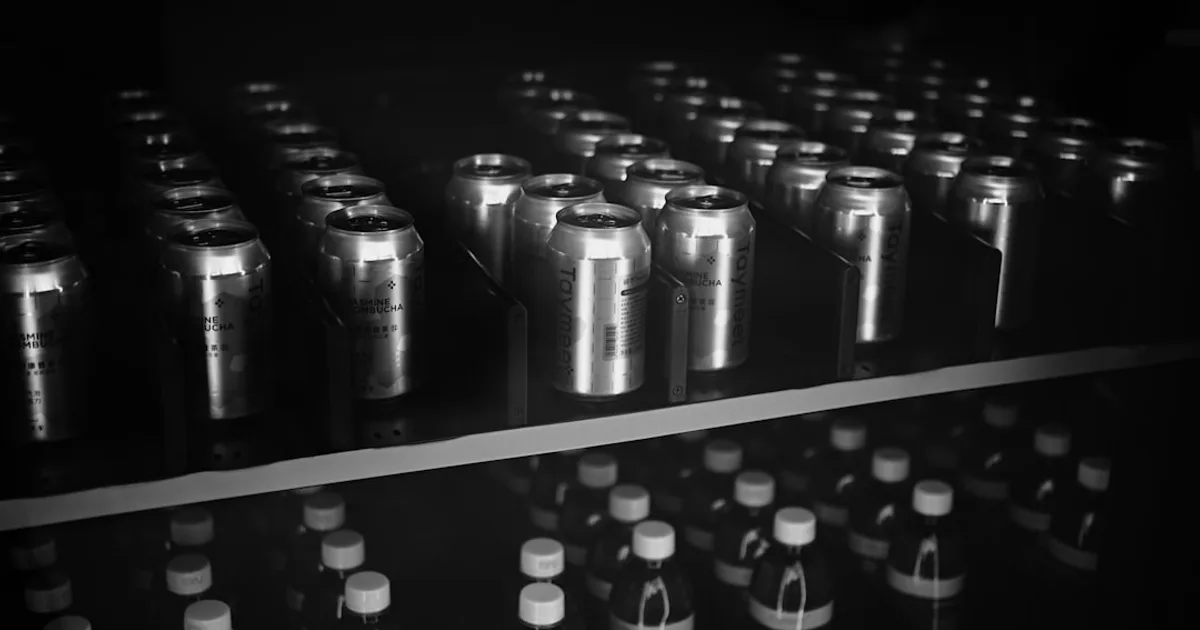
Is Kombucha Halal or Haram? Fermentation & Alcohol Content
Kombucha's halal status is Mushbooh — fermentation produces a small amount of alcohol (0.5-3%). Most scholars require the alcohol content to be below 0.5% for permissibility.
Is Inositol Halal? PCOS & Mental Health Supplement Checked
Inositol is halal when derived from plants — myo-inositol and D-chiro-inositol are typically made from plant sources. Check the capsule format.
Is Halal Food Actually Halal? The Certification Trust Gap
Some products claim halal but aren't — this is an honest look at the certification trust gap, the four failure modes, and a practical 5-point consumer verification framework.
Is Halal Certification Trustworthy? How to Spot Fake or Weak Logos
Not all halal logos are equal — some are self-certified with no audit, others are internationally recognized with facility inspections. Here's how to tell them apart.
E951 Aspartame: Is It Halal? Diet Coke, Sugar-Free & More (2026)
E951 aspartame is halal — it's a synthetic amino acid sweetener with no animal derivatives. But check the capsule carrier in supplement form.
E950 Acesulfame K: Halal, Haram or Mushbooh? Complete Guide
E950 Acesulfame K is halal — it's a synthetic sweetener with no animal-derived ingredients. Found in energy drinks, diet foods, and sugar-free gum.
E481 (Sodium Stearoyl Lactylate): Why Your Bread May Be Mushbooh
E481 SSL is Mushbooh — the stearic acid in this bread emulsifier may come from animal fat. No disclosure on most UK bread labels.
E476 (PGPR): Is It Halal? The Chocolate Emulsifier Guide (2026)
E476 (PGPR) is Mushbooh — made from castor oil and glycerol that may be animal-derived. Here's what every halal-conscious chocolate buyer needs to know.
E470b Magnesium Stearate: The Supplement Ingredient You Need to Check
E470b magnesium stearate is Mushbooh — the stearic acid component can be animal-derived (often pork). Critical check for supplement capsules.
E450 Diphosphates: The Processed Food Additive Most People Miss
E450 diphosphates are halal — they're mineral-derived phosphate salts with no animal components. Found widely in processed meats and baking powder.
E339 Sodium Phosphates: Halal Guide for Processed Cheese & Meats
E339 sodium phosphates are halal — mineral salts with no animal derivatives. The concern is what they're found IN, not what they're made from.
E322 Lecithin: Soy vs Sunflower — Which Is Halal?
E322 lecithin is usually halal — most is soy or sunflower-derived. Egg lecithin and animal-derived variants exist but are rare. Here's how to tell.
E1442 Hydroxypropyl Distarch Phosphate: Halal Guide (Chips & Sauces)
E1442 is halal — it's a chemically modified starch from corn, potato or tapioca. No animal derivatives. Found in chips, sauces, and frozen foods.
E133 Brilliant Blue FCF: Is This Food Dye Halal?
E133 Brilliant Blue FCF is halal — it's a synthetic petroleum-derived food dye with no animal components. But check what it's used in.
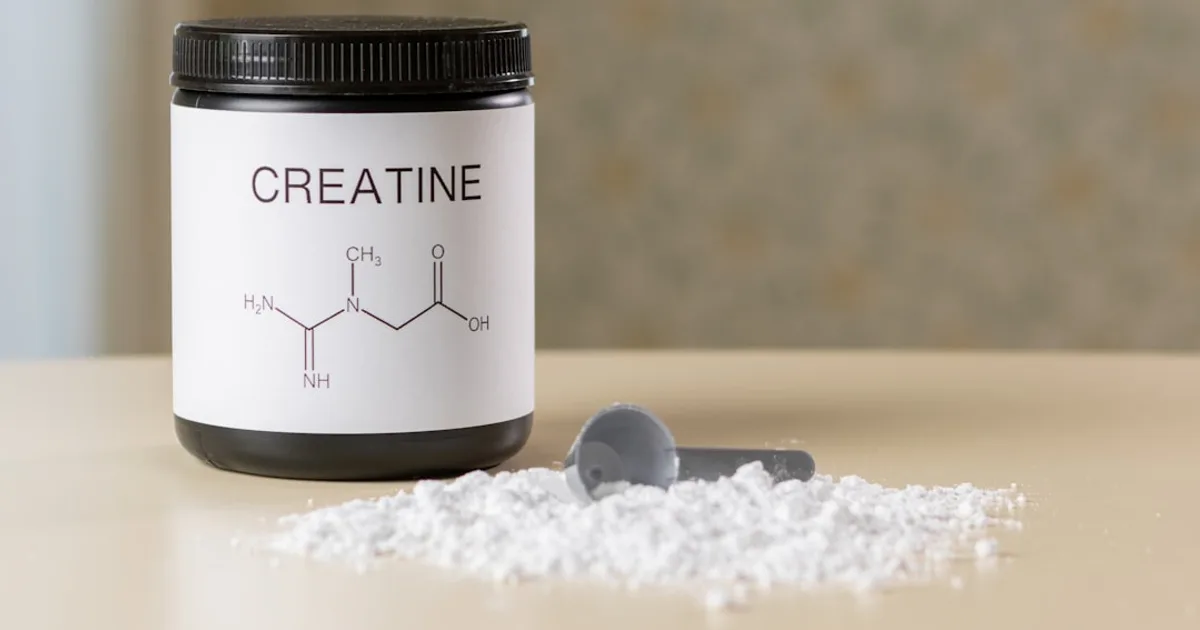
Is Creatine Halal? Pork-Derived vs Synthetic — Gym Supplement Guide
Most creatine monohydrate is synthetic (halal) but some older extraction methods use animal byproducts. Here's how to verify your brand.
Is Collagen Halal? Bovine, Marine & Vegan Sources Compared (2026)
Collagen halal status depends entirely on source: marine collagen from fish is halal, bovine requires zabiha slaughter verification, porcine is haram.
Is Bragg Apple Cider Vinegar Halal? (Vinegar, Supplements & ACV Guide)
Bragg Apple Cider Vinegar is halal — it's fermented apple cider vinegar with no animal derivatives. The 'mother' is a bacterial culture, not an animal product.
Halal Snacks for Kids: US School-Safe Options (2026)
Most popular US kids' snacks contain gelatin or undisclosed animal-derived ingredients. Here's the definitive list of halal-safe school snacks with brand names and what to avoid.
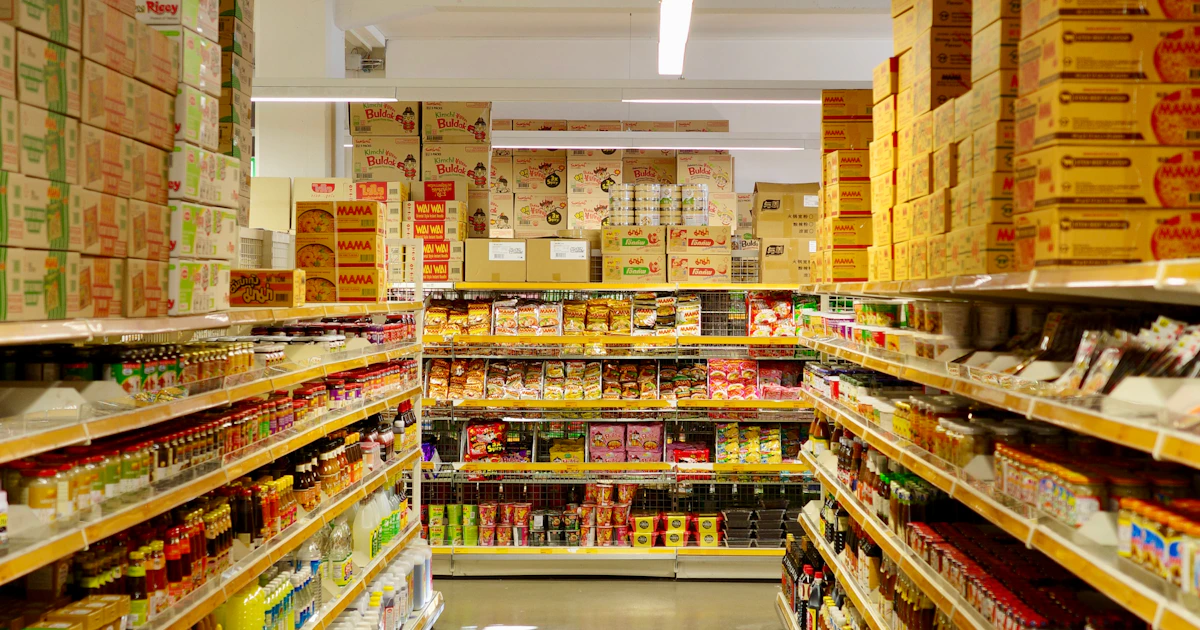
Halal Shopping at Coles: Aisle-by-Aisle Australia Guide (2026)
Coles stocks halal-certified meat from accredited abattoirs but own-brand packaged goods require E-code checking — here's what to look for in each aisle.
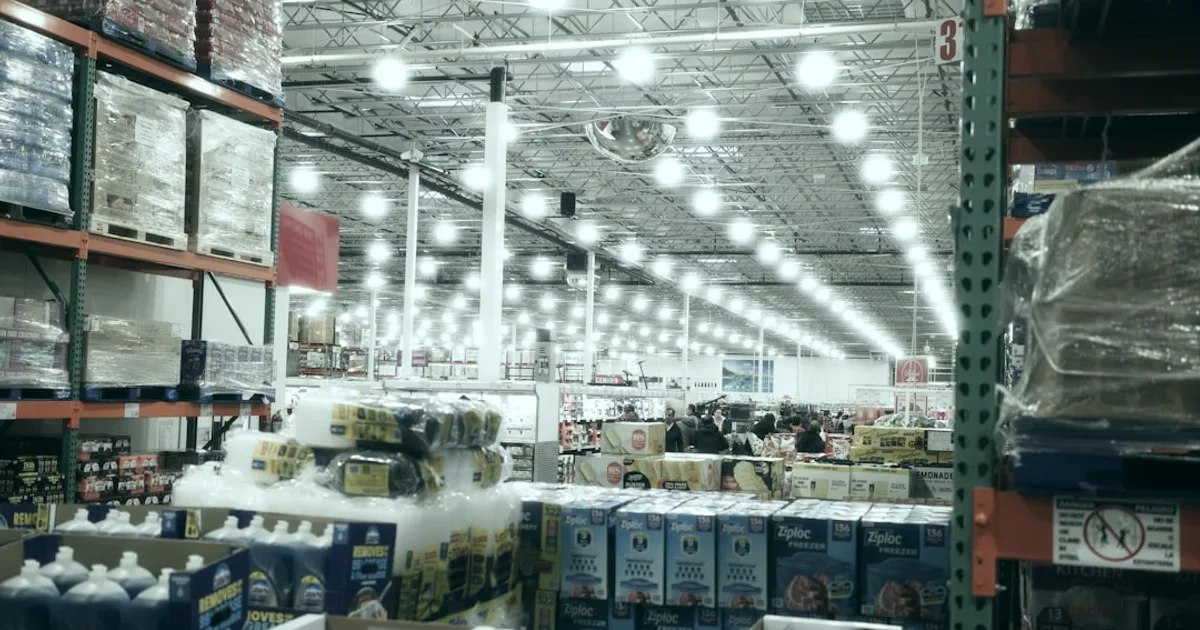
Halal Shopping at Carrefour: France, UAE & Turkey Guide (2026)
Carrefour's halal status varies by country — UAE stores stock certified halal products throughout, while French stores require label-by-label checking.
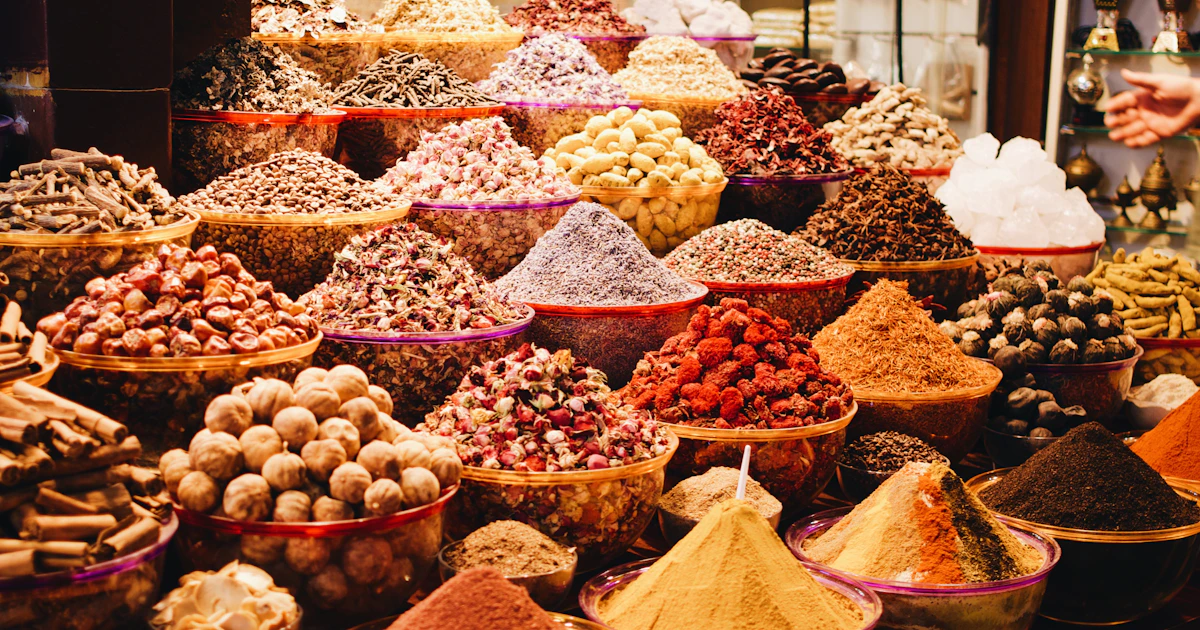
Halal Food in Saudi Arabia: Imported Brands & Label Guide (2026)
Saudi Arabia applies strict halal import standards — but expat workers and tourists still encounter label-reading challenges with imported packaged foods.
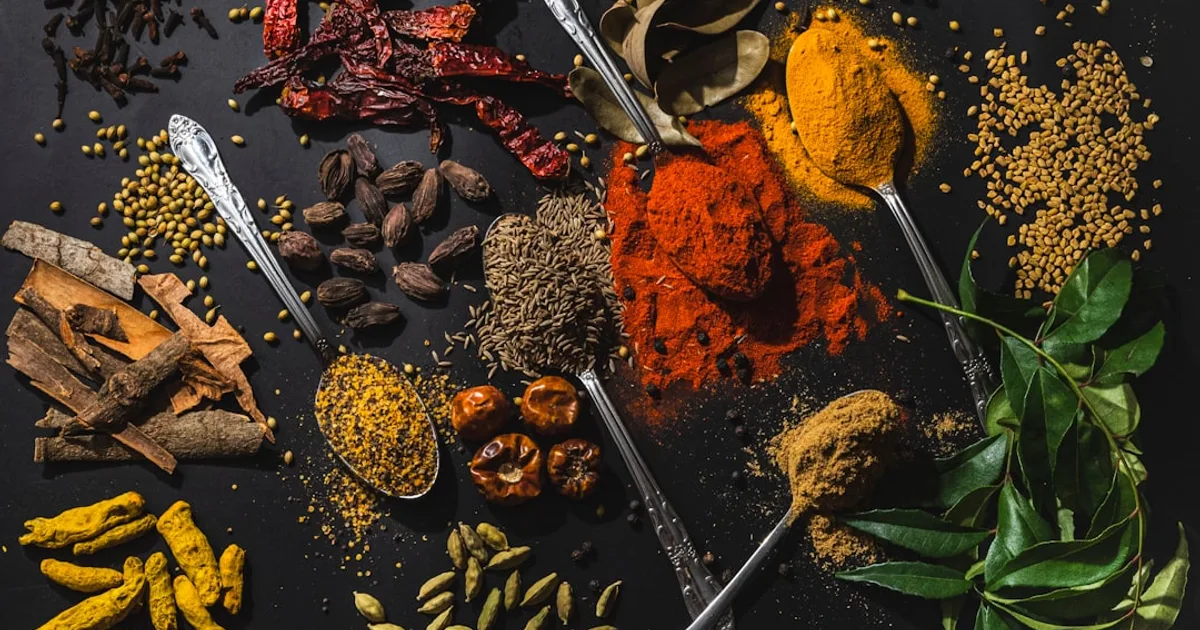
Halal Food in Pakistan: Label Reading & Brand Trust Guide (2026)
Pakistan is a majority-Muslim country with mandatory halal standards — but imported brands, unlabelled products, and certification gaps still create real consumer questions.
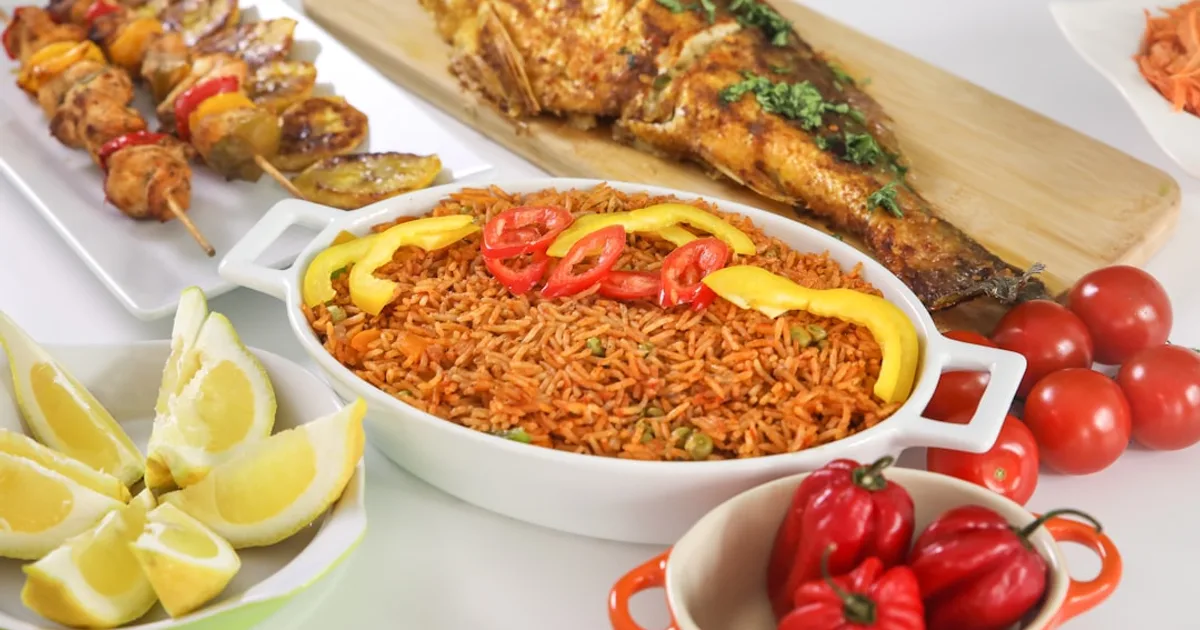
Halal Food in Nigeria: Lagos, Kano & Supermarket Guide (2026)
Nigeria has 90+ million Muslims — halal food access varies dramatically between the Muslim-majority north and Lagos. Here's the practical consumer guide.
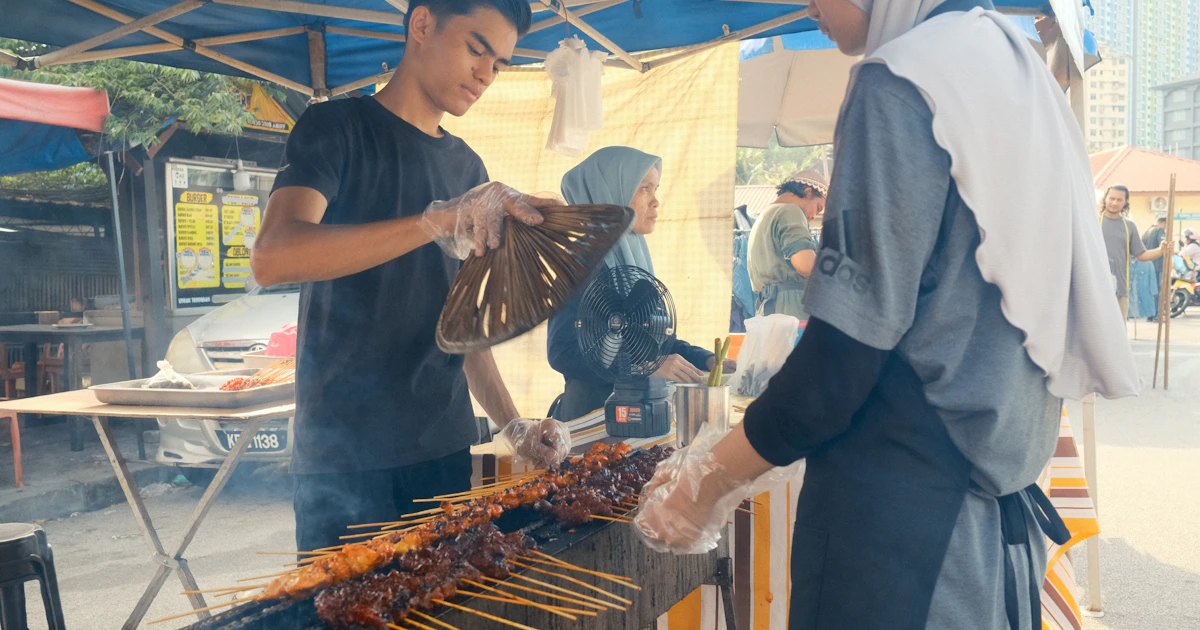
Halal Food in Malaysia: Beyond JAKIM — Full Supermarket & Brand Guide
JAKIM certification is Malaysia's gold standard but not every product on shelf is JAKIM-certified — here's how to shop confidently in Mydin, Giant, and Aeon.
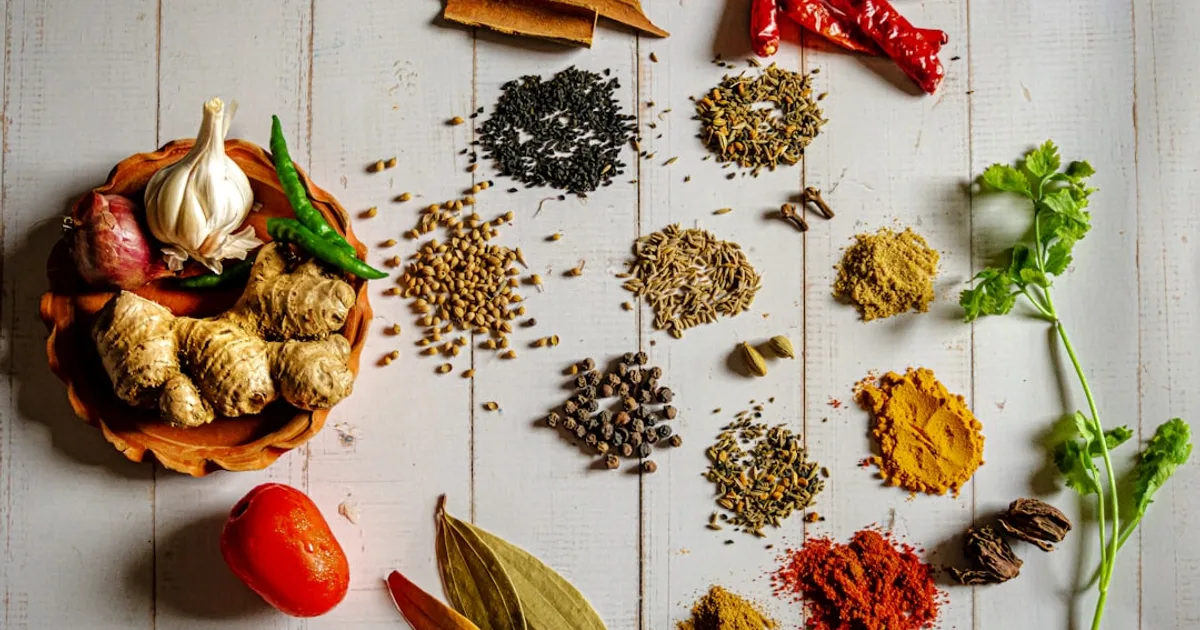
Halal Food in Bangladesh: What Labels & Brands Are Safe?
Bangladesh is 90% Muslim with strong halal food culture — but imported snacks, E-codes, and global fast-food chains create new challenges for label-conscious consumers.
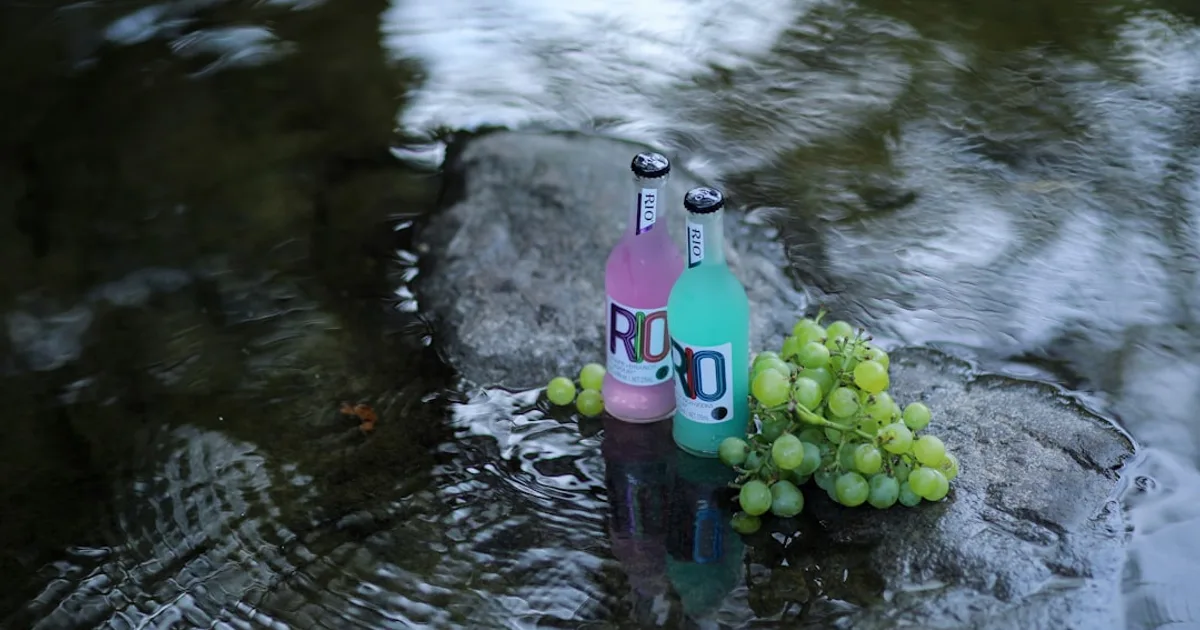
Are Welch's Fruit Snacks & Grape Juice Halal? (2026)
Welch's Fruit Snacks contain gelatine and are not halal. The grape juice and most beverages are halal — no animal derivatives.
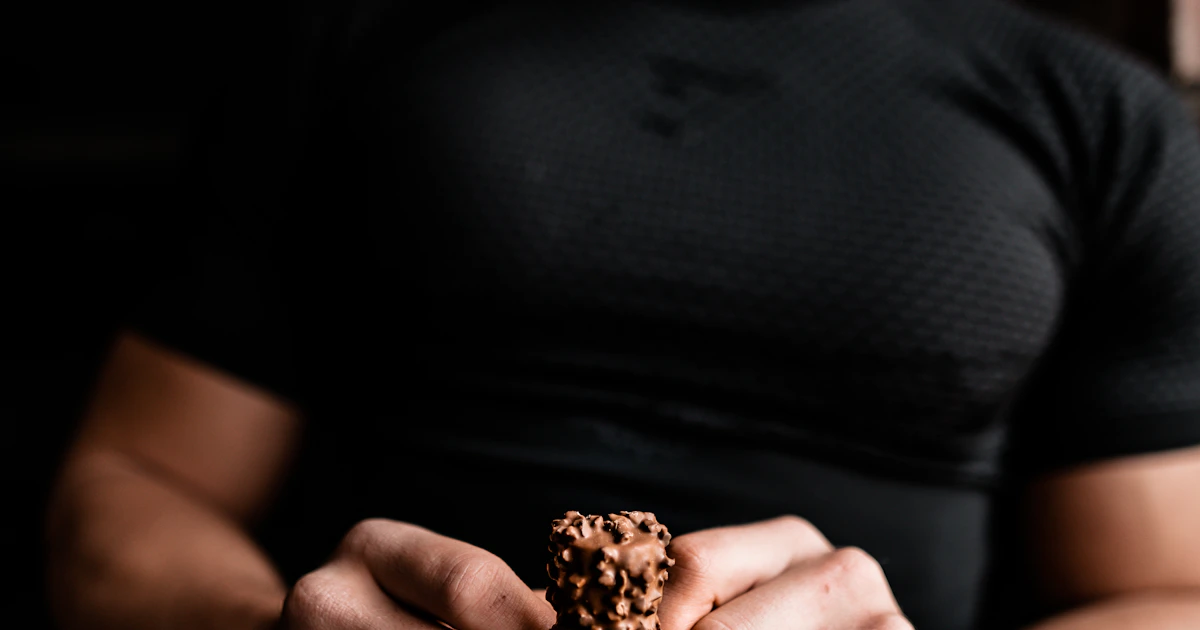
Are Quest Bars Halal? Protein Bars Ingredient Audit
Quest Bars are Mushbooh — no halal certification. Most flavours contain no pork derivatives but use milk protein and may have cross-contamination concerns.
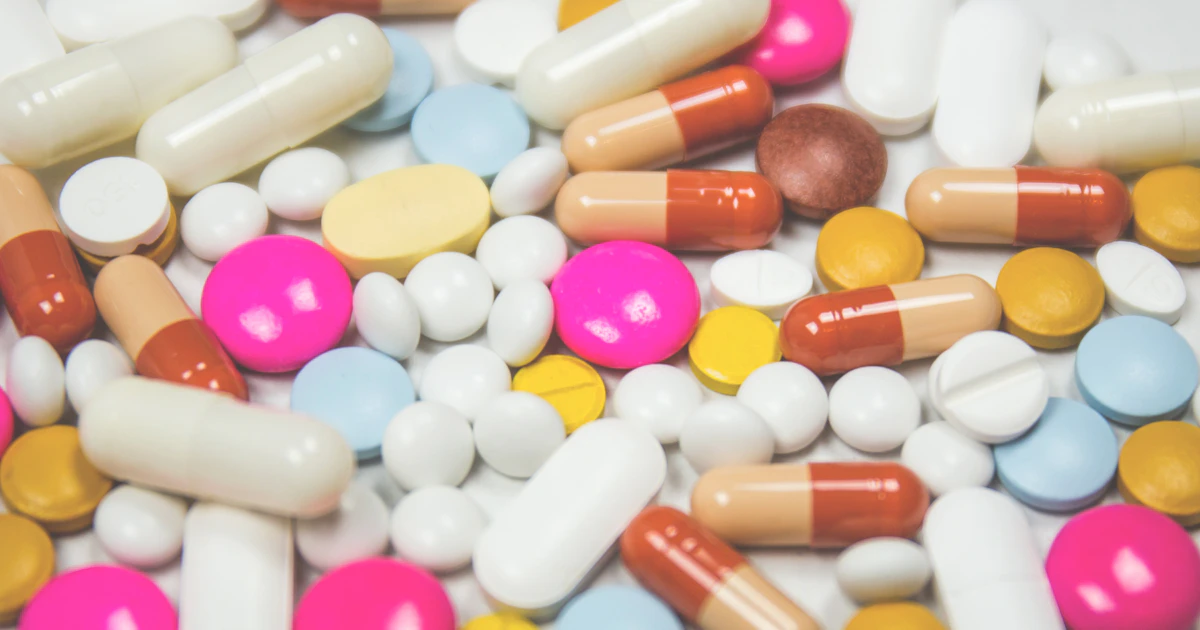
Are Gelatin Capsules in Medicines Halal? The Complete Pharmacist Guide
Most pharmaceutical gelatin capsules use pork gelatin — this is the key halal concern in medicines. Islamic scholars have varying rulings; here's the practical guide.
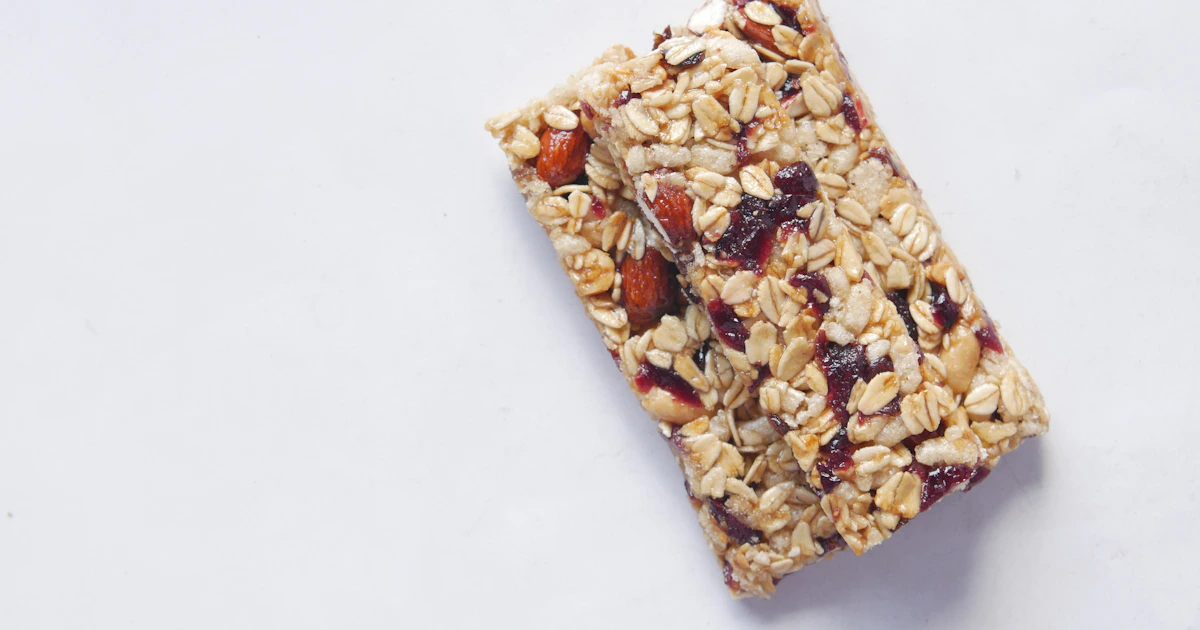
Are CLIF Bars Halal? Ingredients, Gelatin & Certification (2026)
CLIF Bars are Mushbooh — no halal certification, but most contain no gelatin. The concern is E471 in some variants and shared manufacturing facilities.
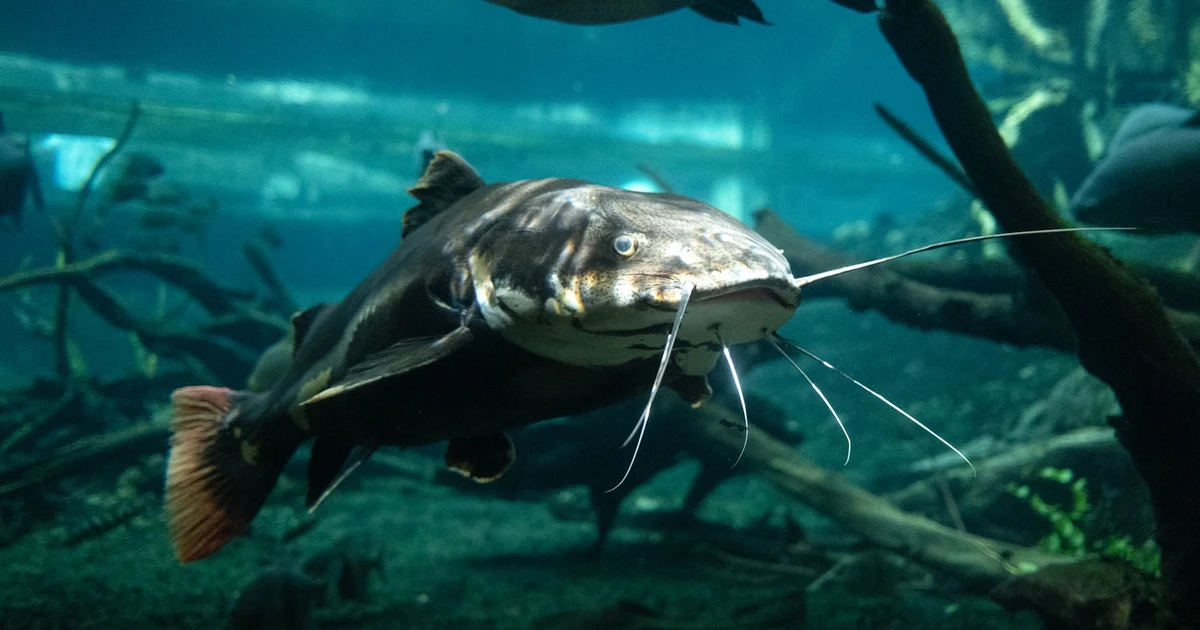
Is Catfish Halal or Haram? Hanafi vs Shafi'i Ruling Explained (2026)
Catfish is halal in mainstream Sunni jurisprudence across all four madhabs. We explain why some communities still avoid it, what the scaleless fish debate means, and what USDA food programs say about catfish for halal households.
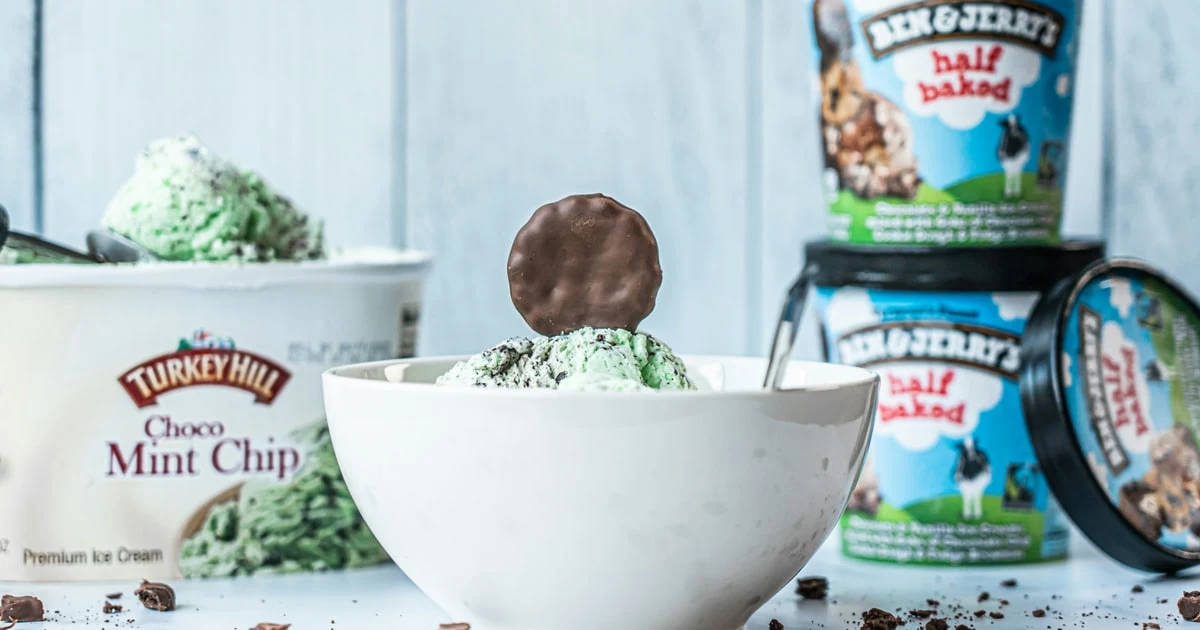
Is Ben & Jerry's Cookie Dough Ice Cream Halal? The Honest Answer (2026)
Ben & Jerry's Cookie Dough is Mushbooh — contains E471 from an undisclosed source, no halal certification. Specific to Cookie Dough flavour — see our full brand guide for all flavours.
E120 in Fruit Yogurt: Is Your Child's Strawberry Yogurt Halal?
E120 (cochineal) is made from crushed insects and is Haram. It appears in many fruit yogurts sold in UK supermarkets. Here's how to spot it and find safe alternatives.
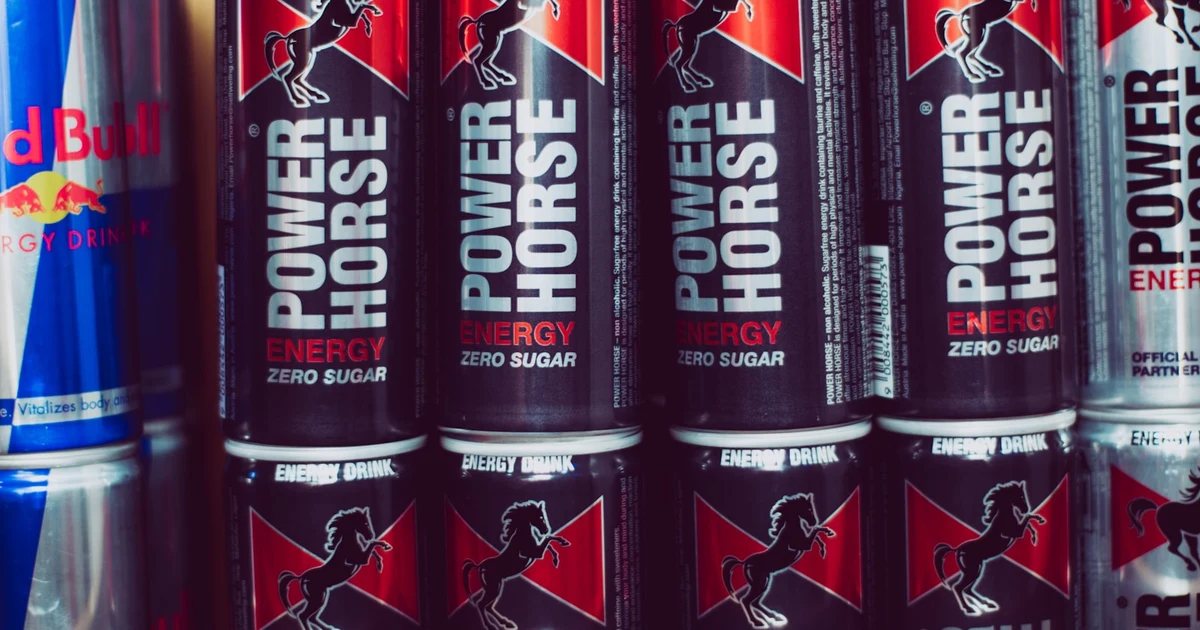
Are Energy Drinks Halal? E120, Alcohol, and What to Check
Some flavoured energy drinks contain E120 (crushed insects) for colour. Others raise questions around trace alcohol and E621. Here's what to check on the label.
Is Mayonnaise Halal? Hellmann's, Heinz, and Homemade Mayo Explained
Is mayonnaise halal? Plain mayo uses eggs, oil, and vinegar — all halal. The concern is the vinegar type and 'natural flavours' in branded products. Here's how to check your jar.
Are Natural Flavours Halal? What the Label Really Means
Natural flavours can be halal or haram — 'natural' doesn't mean plant-based. Learn how to spot animal-derived flavourings, alcohol carriers, and when to ask the manufacturer.
Is Whey Halal? Whey Protein, Whey Powder, and the Rennet Question
Whey is a milk by-product that is generally halal — but porcine rennet used in cheesemaking can make it haram. Learn how to verify whey in protein powders and food products.
Is Isinglass Halal? The Fish-Derived Fining Agent in Beer and Juice
Isinglass is a fish bladder-derived fining agent used to clarify beer, wine, and some juices. It is haram in alcoholic drinks. In non-alcoholic products, it is mushbooh.
Is Casein Halal? Milk Protein in Cheese, Protein Powders and Dairy
Casein is a milk protein that is generally halal — but the rennet used in its production process may not be. Learn when casein is a halal concern and when it is not.
Are Enzymes Halal? Lipase, Protease, and Food Processing Enzymes Explained
Enzymes on food labels are mushbooh — they can be animal, microbial, or plant-derived. Porcine lipase is haram. Here's how to identify the concern and when to ask.
Is Vanilla Extract Halal? Alcohol Content Explained
Vanilla extract contains 35%+ alcohol. Vanilla paste and powder are safer alternatives. Learn the difference, what labels to look for, and which vanilla products are halal.
Is Rennet Halal? Cheese, Calf Rennet, and Microbial Alternatives
Rennet in cheese can be halal or haram depending on the source. Animal rennet from pigs is haram. Microbial rennet and FPC are widely considered halal. Here's how to check.