
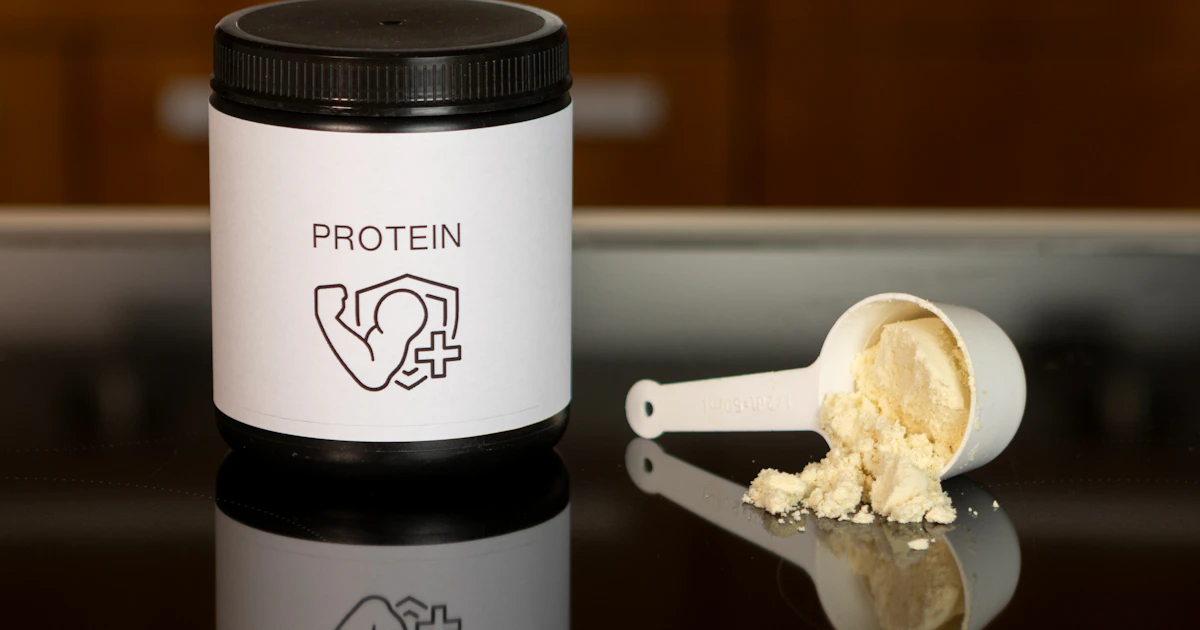
Protein powder is the foundation of almost every gym supplement stack. For Muslim athletes, the question of halal status deserves a thorough answer — not just a quick yes or no. The source of protein matters, and so does what happens to it during processing.
This guide covers the four main protein types (whey, casein, plant, egg white) with honest assessments of the UK’s most popular brands.
The Four Protein Types: A Halal Overview
Whey Protein — Mushbooh Without Certification
Whey is a by-product of cheese manufacturing. Milk is halal; the cheese-making process introduces the halal concerns.
Why whey is mushbooh (not automatically halal):
-
Rennet and processing enzymes: Cheese production uses enzymes including lipase and chymosin (rennet). These may be from porcine, bovine, or microbial sources. The whey stream carries residual enzyme traces.
-
Flavouring complexes: Chocolate, vanilla, strawberry, and other flavoured whey products contain flavoring blends. These may include minute quantities of animal-derived compounds (dairy-based flavour carriers, etc.). Without disclosure, the source is unverified.
-
Vitamin D3 fortification: Many whey powders add vitamin D3 — which is typically derived from lanolin (sheep wool grease). Lanolin-derived D3 is considered halal by most scholars (wool is permissible), but some stricter interpretations require confirmation.
-
E470b (magnesium stearate): A common anti-caking agent that can be animal or plant-derived.
None of these are automatically haram — but none are confirmed halal without certification.
Casein Protein — Same Position as Whey
Casein is precipitated from milk either using acid or rennet. The same enzyme and processing concerns apply. Casein is mushbooh without certification.
Casein is slower-digesting than whey, commonly used as a nighttime protein. Given that Greek yogurt and cottage cheese are accessible halal-certified alternatives for slow-release protein, the practical need for casein supplements is lower.
Plant-Based Protein — Generally Halal
The protein source itself (pea, rice, hemp, soy, oat) is plant-derived and halal. The halal concerns to check:
- Natural flavoring: Same undisclosed risk as whey
- Vegan certification: A vegan label resolves the ingredient sourcing question for plant proteins more thoroughly than for dairy proteins
Plant protein from a reputable brand with a vegan label = halal in practice. No known concerns.
Egg White Protein — Halal With Verification
Eggs from chickens are halal without slaughter requirement (eggs are not meat). Egg white protein powders are generally halal. Standard concerns: natural flavoring, magnesium stearate source.
UK Brand Comparison Table
| Brand | Product | Type | Halal Cert | Vegan? | Verdict |
|---|---|---|---|---|---|
| MyProtein | Impact Whey | Whey | Named flavours only (certifier not disclosed) | No | Varies by flavour |
| Optimum Nutrition | Gold Standard Whey | Whey | None | No | Mushbooh |
| PhD Nutrition | Smart Protein | Whey/plant blend | None | No | Mushbooh |
| Bulk | Pure Whey Protein | Whey | None | No | Mushbooh |
| Maxi Nutrition | Promax | Whey | None | No | Mushbooh |
| Sunwarrior | Warrior Blend | Plant (pea/hemp) | None | Yes | Halal |
| Vivo Life | Perform | Plant (pea) | None | Yes | Halal |
| Form Nutrition | Performance Protein | Plant (pea/rice) | None | Yes | Halal |
| Bulk | Vegan Protein | Plant (pea/rice) | None | Yes | Halal |
| MyProtein | THE Plant Protein | Plant | None | Yes | Halal |
Key insight: Almost every mainstream whey brand in the UK is mushbooh for its standard range — none carry HMC or HFA certification. MyProtein is the one exception worth flagging, and only partially: it lists named Impact Whey, Impact Whey Isolate and Clear Whey flavours as halal-certified on its UK site, though it names no certifying body, so treat it as a manufacturer claim rather than a verified certification. Every major plant protein brand with vegan certification is halal-friendly.
Readers shopping in the States face a different shelf entirely, and a better-stocked one: our ranked roundup of halal-certified whey protein brands available in the US covers the certified options that genuinely exist there — none of which carry the unverified enzyme question hanging over the UK tubs above.
The Halal Certification Landscape for Protein Powders
The lack of halal-certified whey in mainstream UK retail is a genuine gap. MyProtein now lists a halal-certified range of named Impact Whey and Clear Whey flavours on its UK site — though it names no certifying body, so the basis is the manufacturer’s own claim (see our MyProtein verdict for the flavour-level detail). For the UK shelf as a whole, our UK-specific protein powder buying guide works through what is actually buyable and on what basis.
Where to find halal-certified whey in the UK:
- Bsam (bsam.co.uk) — HMC-certified whey protein
- Myfitness halal — certified products available online
- Halal Nutrition — specialist halal supplement retailer
- Some South Asian / halal grocery retailers stock certified brands
If you specifically want whey protein, these specialist sources are worth checking.
The Practical Recommendation
For Muslim gym-goers who cannot access certified whey:
-
Switch to plant protein — pea protein isolate achieves near-equivalent muscle protein synthesis to whey in studies when dose and leucine content are matched. Form Nutrition Performance Protein and Vivo Life Perform are well-formulated, fully vegan options.
-
Use food sources — Greek yogurt (halal-certified brands), cottage cheese, chicken breast, and eggs deliver equivalent protein without supplement uncertainty.
-
If using whey: Choose unflavoured whey (eliminates the natural flavoring concern) from a brand that labels “suitable for vegetarians” (indicates microbial enzymes in cheese production). This reduces risk but does not eliminate it.
Processing Aids: A Deeper Dive
Microbial vs animal enzymes in whey production: The cheese industry increasingly uses microbial enzymes (fermentation-derived chymosin, fungal lipase) because they are cheaper and consistent. “Suitable for vegetarians” on a cheese or dairy product indicates non-animal rennet, which is the primary enzyme concern in whey. Whey from vegetarian cheese is cleaner than whey from standard cheese.
Emulsifiers in flavoured whey: Lecithin (E322) — typically soy or sunflower, halal. Occasionally egg lecithin — also halal. Rarely animal-derived.
How We Reached This Verdict
- HMC/HFA ingredient guidance: Dairy-derived protein without certification = mushbooh; animal enzyme processing aids unverified
- Manufacturer statements: MyProtein, ON, Bulk — none have published halal enzyme sourcing confirmation for standard UK products
- Academic literature on whey processing: Confirms enzyme use in cheese/whey manufacturing (lipase, chymosin)
- Darul Iftaa Birmingham: Whey from non-certified sources = mushbooh; advises halal-certified alternatives where available
- Sunwarrior, Vivo Life, Form Nutrition: Confirmed vegan, plant-derived — no animal enzyme or slaughter concern
Madhab Note
- Hanafi: Whey from dairy (halal animal) without certification = mushbooh; requires investigation of processing aids. Plant protein = halal.
- Maliki: Similar position; may apply more leniency on dairy processing — but manufacturer disclosure is still recommended.
- Shafi’i: Whey from non-halal-certified production = mushbooh. Plant protein with vegan cert = halal.
- Hanbali: Conservative on undisclosed enzyme sources. Plant protein = safest option.
Use the ingredient scanner to check your specific protein powder’s full label. Check the E-codes database for E470b (fatty acid salts) — common in protein powders. For the broader supplement picture, see is pre-workout halal.
Ingredients change. Be first to know.
Brands reformulate without warning. We track every E-code update and halal certification — one short weekly email.
Related Articles
 Shopping Guides
 Is Pre-Workout Halal? Caffeine, Beta-Alanine & Proprietary Blends
Most pre-workout powders are halal in formula but lack halal certification. Key concerns: undisclosed flavoring sources, gelatine in capsule form, and alcohol-based extracts.
 Shopping Guides
 Is L-Carnitine Halal? Meat-Derived Supplement Checked
L-Carnitine halal status depends on production method — synthetic L-Carnitine is halal, but bacterial fermentation and meat-extracted variants require verification.
 Shopping Guides
 Is Inositol Halal? PCOS & Mental Health Supplement Checked
Inositol is halal when derived from plants — myo-inositol and D-chiro-inositol are typically made from plant sources. Check the capsule format.