
Is this food halal?
Modern food is complex.
Halal verification shouldn't be.
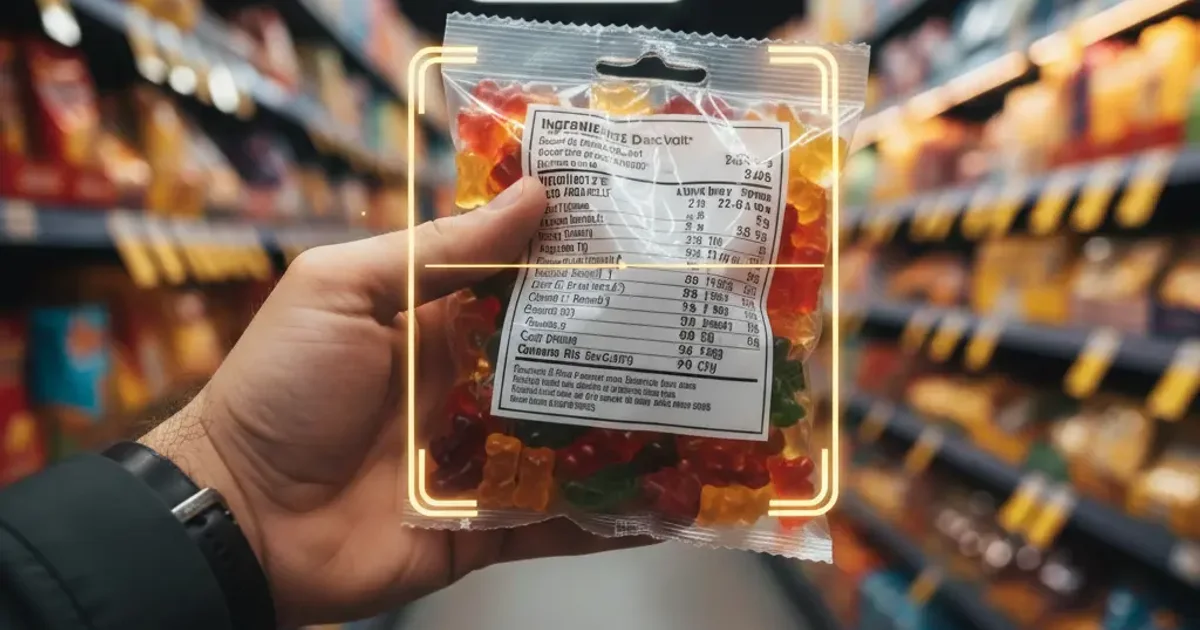
Food supply chains span dozens of countries and hundreds of ingredients. Labels use codes, abbreviations, and industry names most people have never heard of.
Ingredient sourcing is often unclear
Common additives like gelatin, lecithin, and glycerin can be halal or haram depending entirely on their source — which labels rarely state.
Labels don't always answer halal questions
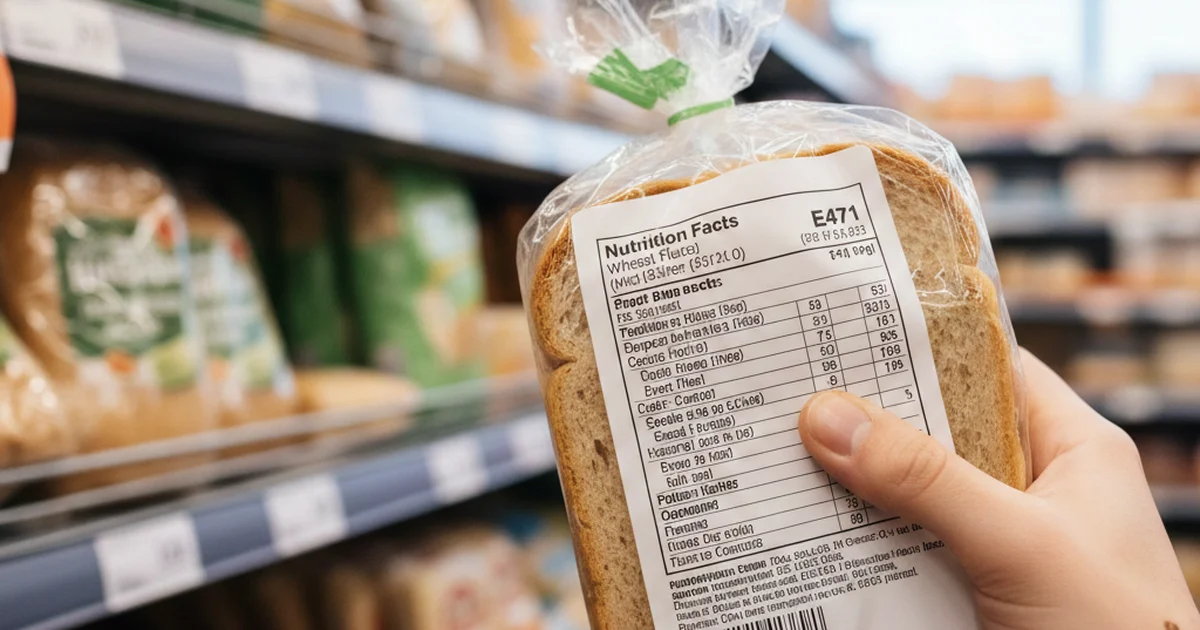
E-codes, chemical names, and regional labelling conventions were designed for regulators — not for Muslim consumers making faith-based food decisions.
Existing tools are incomplete
Most halal checkers cover fewer than 100 E-codes. They rarely cover ingredient names, brand verification, or regional certification differences.
One place to verify, certify, and export with confidence
Source-aware verdicts on 360+ ingredients, brand verification, halal certification guides, and market access intelligence — all free, transparent, and no sign-up required.
How we determine verdictsGet the Weekly Halal Food Guide
New product verdicts, ingredient alerts and trusted halal recommendations.
- New product verdicts
- Ingredient alerts
- New halal brands
Halal knowledge, from ingredient to export
Research-backed guides covering food additives, halal certification, labelling law, and market access — for consumers and food businesses alike.
Is Milk of Magnesia Halal? Glycerin and the 0.45% Alcohol
Milk of Magnesia's active ingredient is a mineral. The halal question is the glycerin and the 0.45% alcohol in the flavoured bottles — and one flavour avoids both.
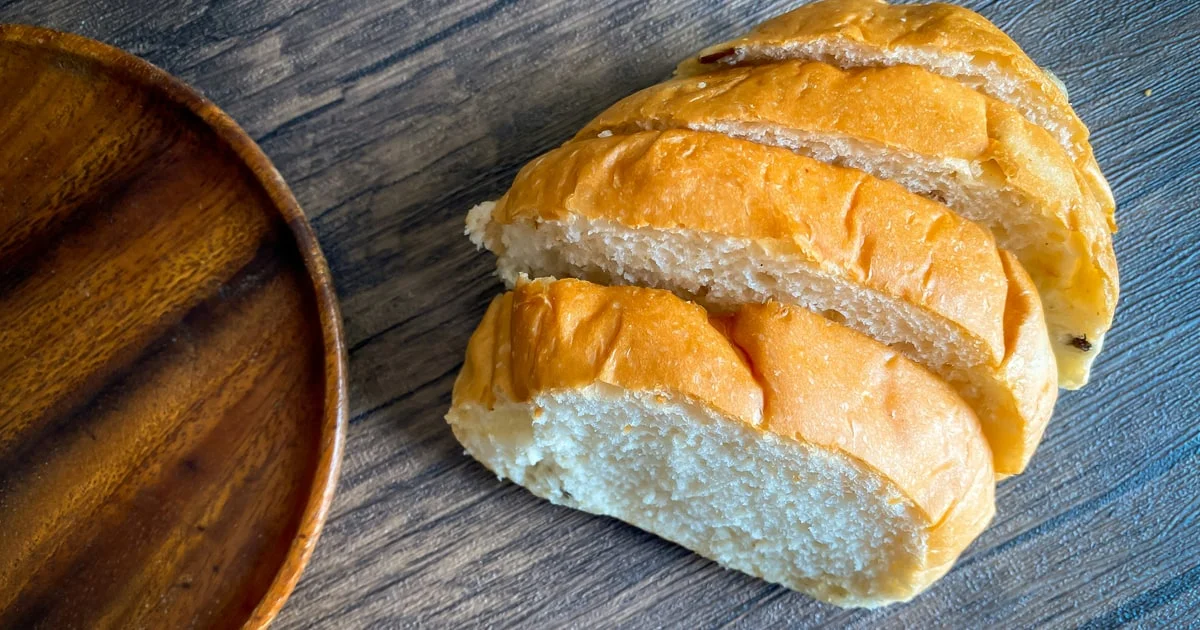
Halal Bakery and Bread in the Philippines: Gardenia Is Certified, But Not by JAKIM
Gardenia Philippines holds product-level IDCP certification with identity numbers you can check. The JAKIM certificate people cite belongs to a different company in Malaysia. And one Filipino maker uses vegetable shortening in its bread and lard in its piaya.
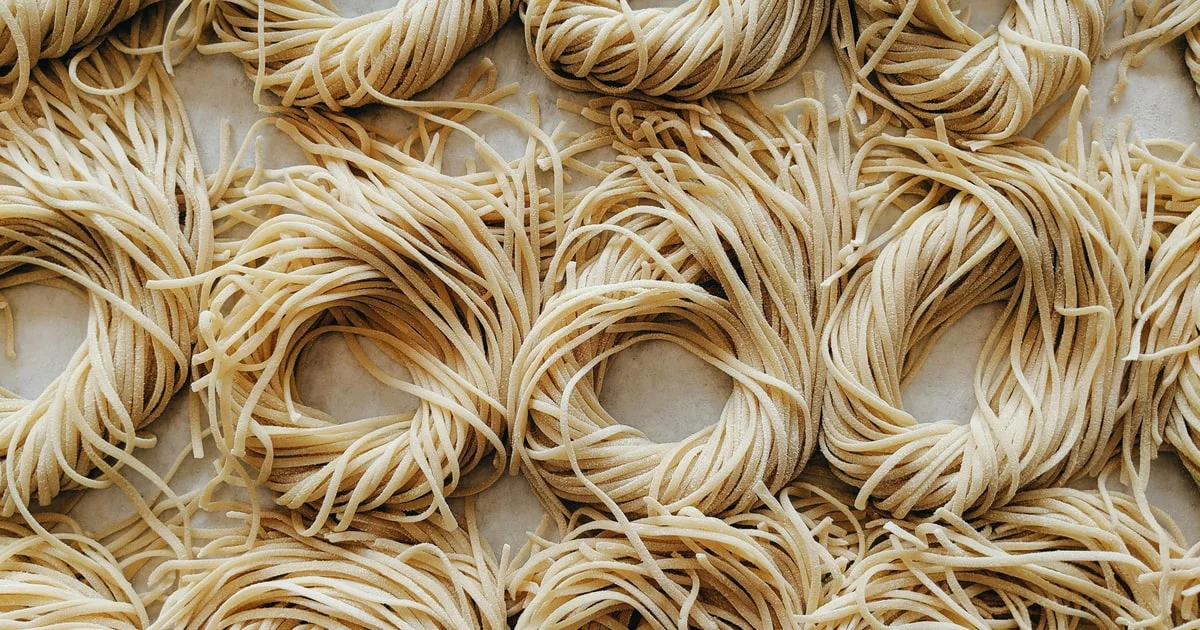
Halal Instant Noodles in Ireland: Nissin Says No, Samyang and Nongshim Have Certificate Numbers
Nissin's European arm states in its own FAQ that its products are not halal. Samyang and Nongshim hold Korea Muslim Federation certificates you can look up by number. And most mainstream chicken and beef flavours contain no meat at all.
Halal Bakery and Bread in New Zealand: Two Different Companies Called Tip Top
New Zealand's leading halal certifier does not list a single packaged bakery brand, and its processed food directory returns zero companies. Meanwhile the Tip Top on your bread bag and the Tip Top in your freezer are different businesses with different answers.
Is this brand halal?
Ingredient-level analysis — not just a label claim.
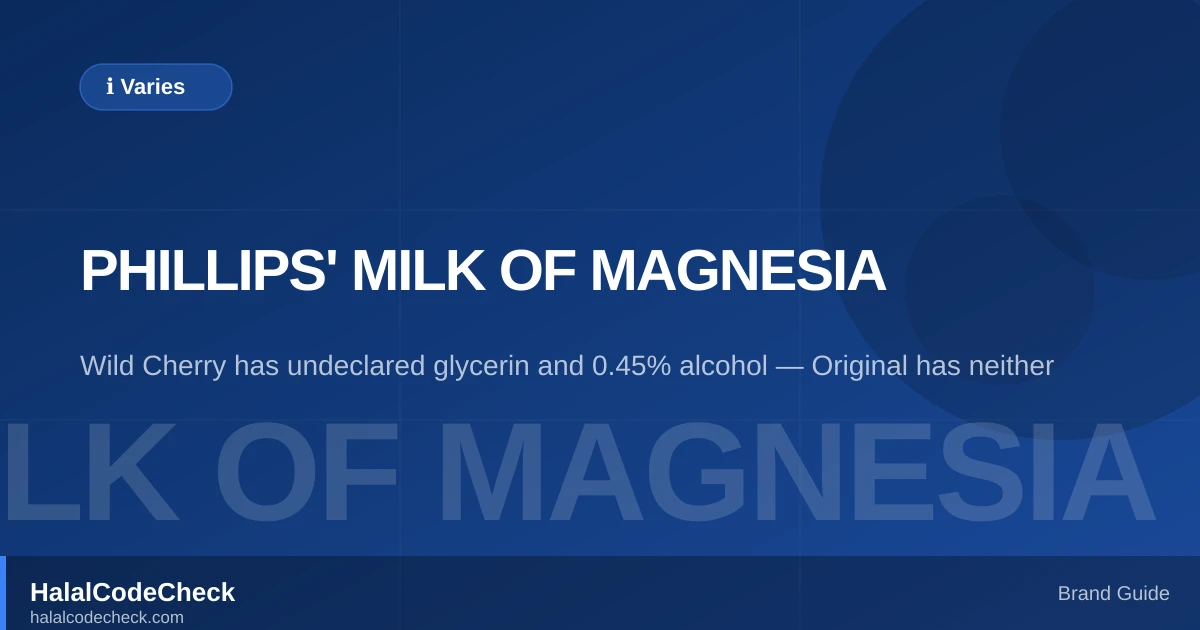
Is Phillips' Milk of Magnesia Halal?
ℹ️Varies by ProductThe flavour decides it. Phillips' Original Milk of Magnesia has two inactive ingredients — purified water and sodium hypochlorite — and nothing in it raises a halal question. Wild Cherry adds glycerin whose source Bayer does not declare, plus 0.45% alcohol carried in the flavour, which makes that bottle Mushbooh.
Is Ajinomoto Halal?
ℹ️Varies by ProductAjinomoto's halal status is decided by market, not by brand. Indonesia is certified by the state body BPJPH and Malaysia by JAKIM, while Ajinomoto Philippines states on its own site that its products are not halal certified. The 2001 Indonesian pork-enzyme case was real, and it was resolved.
Is Cinnamon Toast Crunch Halal?
ℹ️Varies by ProductThe US cereal contains no gelatine and no mono- and diglycerides; its only animal-derived ingredient is vitamin D3, which General Mills sources from lanolin. The Canadian recipe adds mono- and diglycerides with no stated source, the UK product is a different Nestlé formulation using sunflower lecithin, and the US Treat Bars contain gelatine.
Is Fazer Halal?
ℹ️Varies by ProductFazer's chocolate and pastille lines showed no gelatine in the ingredient texts we could verify, while its Tutti Frutti sweets declare gelatine with no source given. Fazer holds no halal certification we could find, and does not publish gelatine origin, so the answer depends entirely on which Fazer product you are holding.
Is Godrej Yummiez Halal?
⚠️MushboohGodrej Yummiez packs and listings carry halal wording — one SKU is named Halal Cut and the company describes its chicken as 100% Halal meat — but no certifying body appears anywhere, on pack, on the brand site or in any Indian halal registry we searched. An uncertified on-pack claim is a supplier assurance, not an audited certificate.
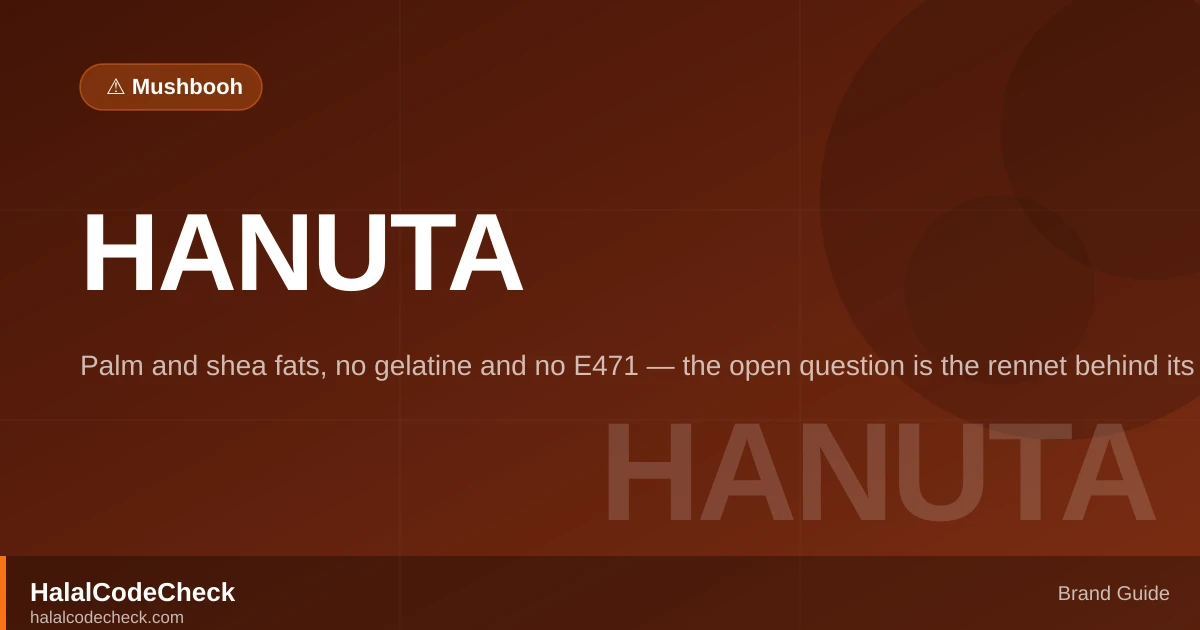
Is Hanuta Halal?
⚠️MushboohHanuta's declared ingredients are cleaner than most filled wafers: palm and shea fats, no gelatine, no E471, no carmine. The only animal-derived components are dairy. What keeps it short of Halal is that Ferrero does not declare the rennet behind its whey powder, and Hanuta holds no halal certification.
Browse halal food categories
See which E-codes are in the foods you buy - and which ones to watch out for.
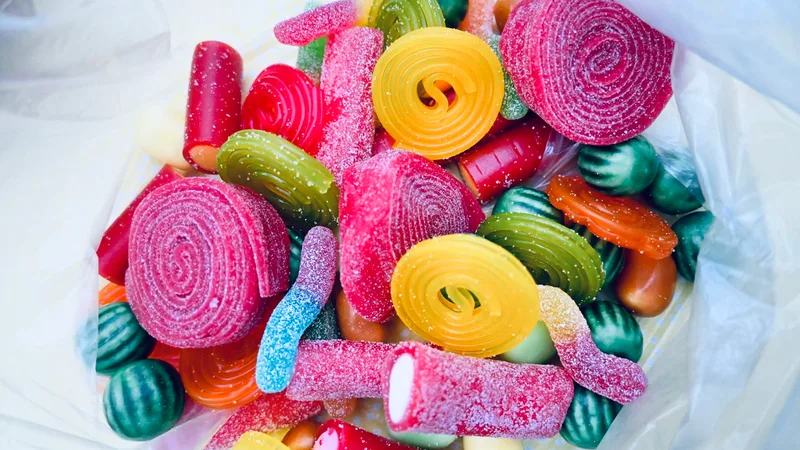 28 Mushbooh
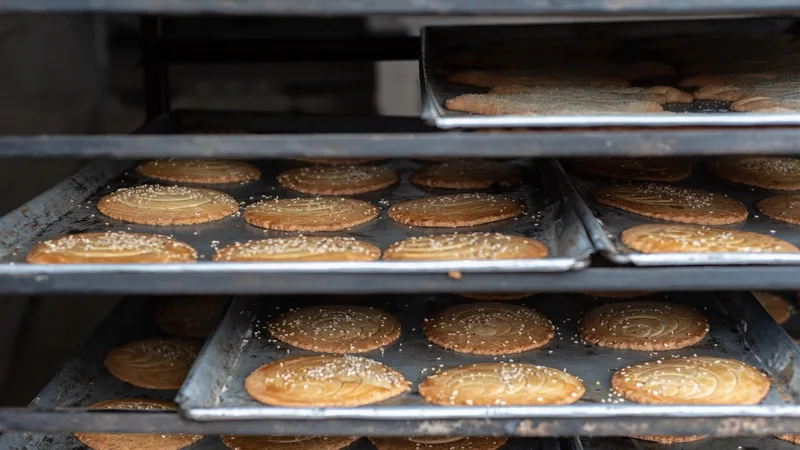 18 Mushbooh
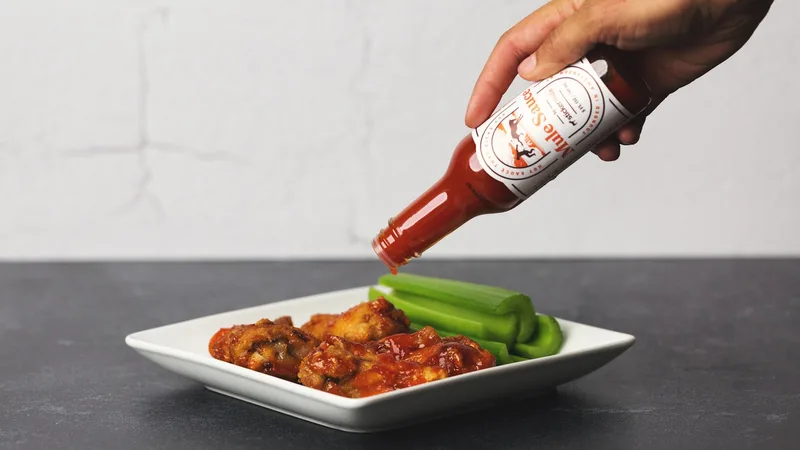 13 Mushbooh
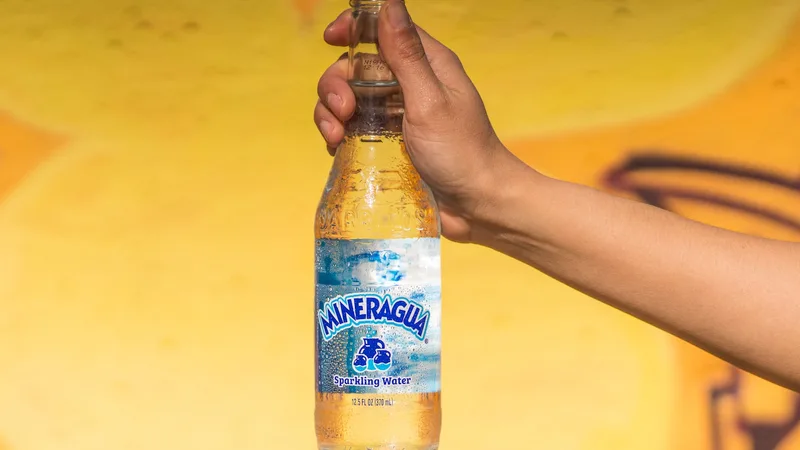 7 Mushbooh
 6 Mushbooh
 12 Mushbooh
For Food Businesses & Exporters
Halal compliance, certification & market intelligence
Whether you're seeking certification, entering new markets, or benchmarking your category — these resources are built for food manufacturers, importers, and exporters.
Halal Certification
Cost guides, body comparisons, and step-by-step certification paths for UK, US, and Australian food businesses.
Certification guides ExportMalaysia Market Access
JAKIM compliance, foreign body recognition, and export documentation for the Malaysian halal market.
Export hub ResearchMarket Research
Data-led analysis of UK and global halal food markets — consumer behaviour, additive patterns, and category audits.
Read the research