
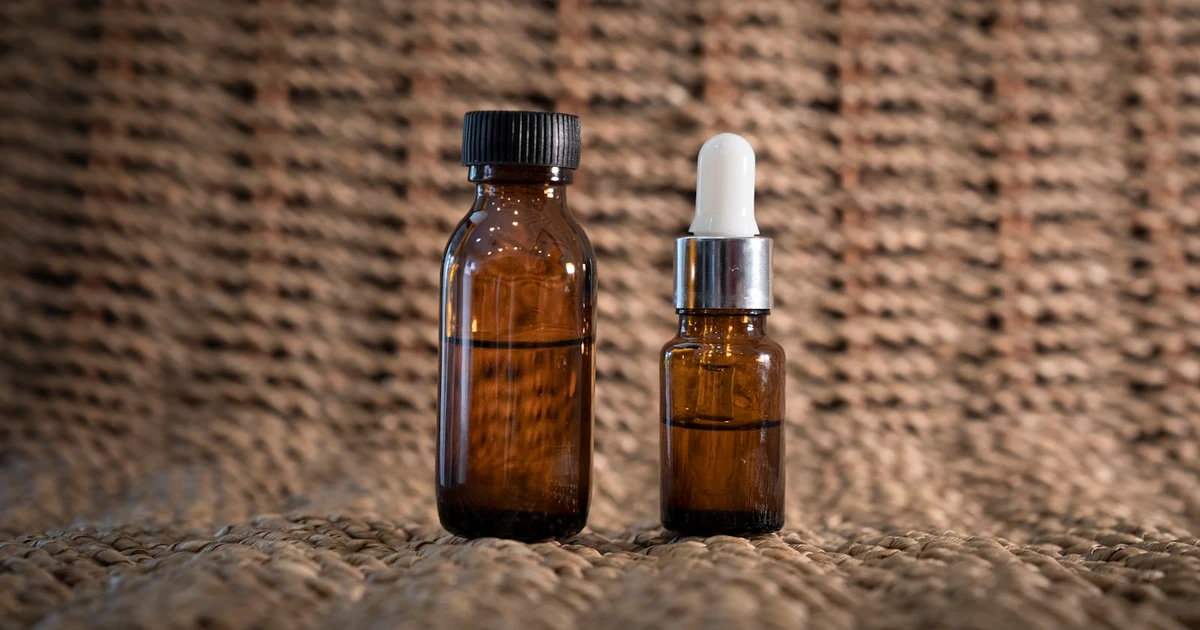
The direct verdict: alcohol added to food as an ingredient is haram — but not every trace of ethanol on a label is. Drinking alcohol (khamr) and cooking with wine, beer, rum or liqueurs falls under the clear prohibition. The grey area is flavour carriers, residual fermentation alcohol, and wine that has turned into vinegar.
This guide separates the four scenarios that actually matter on a label: alcohol as a real ingredient, alcohol-based flavourings, naturally-occurring fermentation ethanol, and wine-derived vinegar. Each is judged differently — and the madhabs split on the borderline cases.
Scenario 1: Alcohol as a Direct Ingredient — Haram
If a product lists alcohol, wine, beer, rum, brandy, sherry, liqueur, or “spirits” in its ingredients, the ruling is straightforward. Khamr — intoxicating drink, classically from grapes and dates — is haram by the explicit consensus (ijmā’) of all four Sunni madhabs, and “whatever intoxicates in large amounts, a small amount of it is haram” (narrated in the Sunan collections).
This covers more products than people expect: rum-soaked Christmas cake, beer-battered fish, wine reductions, sherry trifle, liqueur chocolates, and flavoured coffee syrups that list spirits. The fact that a chef “burns off” the alcohol does not change the ruling. Deliberately incorporating khamr into food is impermissible because the act of using the intoxicant is itself the problem — not merely the residual percentage left after cooking. Studies on evaporation are clear that measurable alcohol can remain after extended cooking anyway.
Scenario 2: Alcohol-Based Flavourings and Extracts — Disputed
This is where most of the real-world confusion lives. Flavourings, extracts and “natural flavouring” often use ethanol as a solvent to carry the aroma compounds. Here the source of the alcohol matters, and the madhabs diverge.
The Hanafi school historically distinguishes between khamr (alcohol from grapes and dates) and non-khamr alcohol (ethanol derived from grains, sugarcane, synthetic processes, etc.). There are two views within the school: the first treats all alcohol like khamr (haram), while the second — adopted by Darul Iftaa Birmingham — permits non-khamr ethanol when it is not used as an intoxicant, is present in a non-intoxicating amount, and is not used frivolously. On this basis, a synthetic-ethanol flavour carrier in a sweet or sauce can be permissible.
The majority view (Jumhūr) — Mālikī, Shāfiʿī, Ḥanbalī, and the first Ḥanafī view — holds that every intoxicant is khamr in ruling regardless of source, so deliberately added drinking-grade alcohol is impermissible even as a carrier. This is the position most major certification bodies operationalise.
The threshold discussion: bodies following the SMIIC / OIC Fiqh Academy framework allow ethanol used only as a flavouring solvent provided it is not from khamr, the flavouring itself stays below ~0.5% ethanol, and the finished product stays below ~0.1%. Above that, or if the alcohol is khamr-derived, it is not permitted. This is a practical line, not a licence to add intoxicating amounts.
| Flavour scenario | Typical ruling |
|---|---|
| Vanilla extract (35%+ alcohol, added deliberately) | Avoid per HMC/HFA/JAKIM; some Hanafis permit non-khamr carrier |
| ”Natural flavouring” with trace ethanol carrier | Permissible under SMIIC threshold / Hanafi non-khamr view |
| Flavouring listing “alcohol” / “wine” / “rum” | Haram |
| Alcohol-free / glycerol-carrier flavouring | Halal |
For the full breakdown of vanilla specifically, see Is Vanilla Extract Halal?.
Scenario 3: Naturally-Occurring Fermentation Ethanol — Halal
Trace ethanol appears in many everyday halal foods through unavoidable natural fermentation: bread, ripe bananas and other ripe fruit, fruit and grape juice, soy sauce, yoghurt, sauerkraut, kimchi, and vinegar. These levels are minuscule (well under 0.5%) and have no intoxicating effect whatsoever.
Mainstream scholars — and the Hanafi school in particular — overlook these trace amounts. The food was never an intoxicant, was not made to intoxicate, and cannot intoxicate. Bread is not haram because yeast produced a fraction of a percent of ethanol that bakes off. Fruit juice is not haram for the trace alcohol of natural ripening.
Kombucha is the borderline case in this group. Commercial kombucha sold as a soft drink is kept below 0.5% ABV by regulation and is treated as non-intoxicating by the same logic. Home-brewed or extended-fermentation “hard” kombucha that climbs to intoxicating levels is a different product and should be avoided. The rule tracks the intoxicating potential, not the mere presence of any ethanol molecule.
Scenario 4: Vinegar From Wine — Istihāla (Transformation)
Wine vinegar is the classical textbook case of istihāla — the transformation of a substance’s essence into something new. When wine sours fully into vinegar, the intoxicant is gone and an acidic, non-intoxicating substance remains.
- Hanafi: Permitted. Classical texts such as al-Hidāyah state that wine which turns to vinegar may be consumed — whether it transformed by itself or through deliberate intervention.
- Maliki: Largely permitted on the same istihāla principle.
- Shafi’i: Many permit vinegar that turned by itself, but consider it impermissible if it was forced to transform by adding substances.
- Hanbali: More cautious on deliberately transformed haram substances.
So “wine vinegar,” “red wine vinegar” and “white wine vinegar” are halal under the Hanafi/Maliki mainstream, and under the Shafi’i view if naturally turned. If you follow the cautious position, choose spirit (distilled) vinegar, malt vinegar, or apple cider vinegar, which do not start from wine.
How to Check Any Food for an Alcohol Concern in 30 Seconds
- Scan for explicit drinks — “alcohol,” “wine,” “beer,” “rum,” “brandy,” “sherry,” “liqueur,” “spirits.” Any of these listed as an ingredient → treat as haram.
- Check flavourings — “natural flavouring” / “flavouring” alone is usually a trace carrier; “flavouring (contains alcohol)” or an alcohol-based extract is the disputed case.
- Ignore unavoidable trace fermentation — bread, juice, soy sauce, vinegar carry harmless trace ethanol; these are halal.
- For wine vinegar, apply your madhab — Hanafi/Maliki: halal via istihāla; cautious view: switch to spirit or malt vinegar.
- When the label genuinely doesn’t say — and you cannot confirm the source, treat it as Mushbooh and verify before relying on it.
Summary
| Question | Answer |
|---|---|
| Is alcohol added as an ingredient haram? | Yes — khamr and added spirits are haram by consensus |
| Does cooking it off make it halal? | No — using khamr is the problem, not just the residue |
| Is an alcohol-based extract (e.g. vanilla) halal? | Disputed — avoid per HMC/HFA; some Hanafis permit non-khamr carrier |
| Is trace fermentation alcohol (bread, juice) haram? | No — non-intoxicating trace amounts are overlooked |
| Is wine vinegar halal? | Hanafi/Maliki: yes via istihāla; Shafi’i: if naturally turned |
| Safest swap for wine vinegar | Spirit, malt, or apple cider vinegar |
Look up any flavouring or additive E-code from a packet in the E-codes database.
To scan a full ingredient list for halal status in seconds, use the ingredient scanner.
If a label leaves you unsure whether something is borderline, read what Mushbooh actually means before deciding.
How we reached this verdict
We checked the following Tier-1 sources before publishing this verdict:
- Halal certification bodies (HMC, HFA, JAKIM) and the OIC framework: HMC/HFA/JAKIM-certified products use alcohol-free flavourings rather than added-alcohol extracts. The OIC International Islamic Fiqh Academy / SMIIC framework (Resolution No. 225) permits non-khamr ethanol as a flavouring solvent only below ~0.5% in the flavouring and ~0.1% in the finished product.
- Manufacturer statements: Public ingredient lists, “contains alcohol” declarations, and vegetarian/vegan suitability labels.
- Sunni fatwa scholarship across the four madhabs:
- Hanafi-leaning bodies: IslamQA Hanafi (case 133736, Ethanol in Food and Drinks), Darul Iftaa Birmingham (case 245277, alcohol in food flavouring/extracts; Ethanol Alcohol in Sandwiches), Daruliftaa.com (Mufti Taqi Usmani), AskImam.org. These set out the khamr / non-khamr distinction and the second (permissive) Hanafi view on non-khamr ethanol.
- Shafi’i / Maliki-leaning bodies: IslamOnline fiqh (Wine Vinegar: Halal or Not?), MUI (Indonesia) and the Malaysian fatwa committee on wine-to-vinegar istihāla.
- Hanbali / Saudi-Salafi-leaning bodies: IslamQA Saudi and the Saudi Permanent Committee on the majority position that every intoxicant is khamr in ruling.
- Classical texts: al-Hidāyah (al-Marghinani) on istihāla and wine vinegar; the hadith “whatever intoxicates in large amounts, a small amount of it is haram.”
Madhab note
The alcohol question is the clearest case of a real madhab split, so it matters which school you follow:
- Khamr (alcohol from grapes/dates) and intoxicating drinks — Haram by the consensus of all four madhabs, in any amount.
- Non-khamr alcohol (grain/synthetic ethanol) as a flavour carrier — Hanafi: two views; Darul Iftaa Birmingham follows the second view permitting non-intoxicating, non-khamr amounts. Majority (Maliki, Shafi’i, Hanbali, and first Hanafi view): every intoxicant takes the ruling of khamr, so deliberately added drinking-grade alcohol is impermissible regardless of source.
- Trace fermentation ethanol (bread, fruit juice, soy sauce, kombucha under 0.5%) — Overlooked as non-intoxicating across the mainstream, the Hanafi school most explicitly.
- Istihāla (transformation) — Hanafi and Maliki accept it strongly: wine vinegar is halal whether it turned by itself or through intervention. Most Shafi’i scholars permit only vinegar that turned by itself, not via additives. Hanbali scholars are more cautious on deliberately transformed haram substances.
If your madhab differs on a specific ruling, the relevant section above flags the school-specific position. For binding rulings on borderline products, consult a competent scholar in your tradition.
Ingredients change. Be first to know.
Brands reformulate without warning. We track every E-code update and halal certification — one short weekly email.
Related Articles
 Ingredient Guides
 Is Dog Food Halal? The Question Behind the Question
No halal-certified dog food exists — but the purchase rules are the same as cat food. The dog ownership rulings, the madhab split, and what Muslim dog owners can buy.
 Ingredient Guides
 Why "Suitable for Vegetarians" Doesn't Make a Medicine or Supplement Halal (2026)
Vegetarian-labelled capsules still use bovine gelatin — which is not halal without certification. Here's the specific gap between vegetarian compliance and halal compliance, and how to navigate it.
 Ingredient Guides
 The Supplement Capsule Halal Problem: Gelatin vs HPMC vs Pullulan (2026)
Most vitamin capsules use porcine gelatin — the cheapest shell material. Here's how to identify HPMC (vegetable) capsules on any label and which UK supplement brands use halal-safe capsules.