
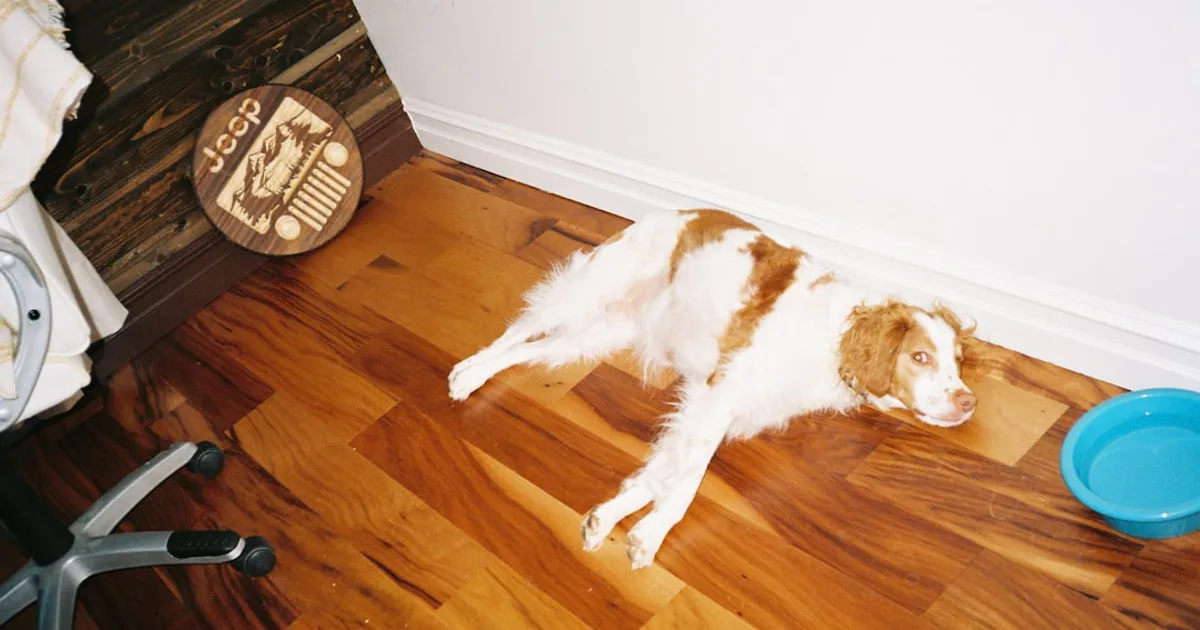
Every halal pet food brand that has launched since 2021 makes cat food. Not one makes dog food — and the reason isn’t in the ingredient list. It’s that for many scholars, the question before “is the food halal to buy?” is “should the dog be there at all?” This post takes both questions in order, because Muslim dog owners exist — farmers, handlers, assistance-dog users, converts who came to Islam with a dog already part of the family — and they get served fatwa fragments where practical guidance should be.
The ownership question, briefly and honestly
The madhabs distinguish sharply between dogs kept for a purpose and dogs kept for company:
- Permitted across all four schools: dogs for guarding property or livestock, herding, and hunting — categories the hadith literature explicitly exempts. Contemporary scholars extend the same reasoning to police dogs, guide and assistance dogs, and search-and-rescue animals: these are needs, and the exemption follows the need.
- Discouraged to prohibited by the majority: keeping a dog solely as a house pet, based on hadith that angels do not enter a house with a dog and that keeping one without need diminishes reward.
- The purity question splits the schools: the Maliki position holds dogs are not najis at all — a living dog is pure. The Hanafi mainstream treats the saliva (not the animal’s essence) as impure, requiring washing after contact with wet saliva. The Shafi’i and Hanbali schools are strictest, treating dogs as najis and prescribing the seven-fold wash.
If you own a dog for a genuine purpose — or you’re responsible for one regardless of how the ruling would have advised beforehand — the animal’s welfare is now your Islamic obligation. Neglect is not a fiqh position. Which brings us to the food.
The food rules are the same as cat food
Nothing about the dog changes the purchase analysis we set out in Is cat food halal?:
- The dog doesn’t need halal food. Animals aren’t bound by dietary law in any madhab.
- The owner faces the same purchase prohibition. The mainstream reading of the hadith prohibiting sale of pork and carrion (Bukhari 2236) covers buying dog food with declared pork or unnamed animal derivatives — and dog food labels use exactly the same opaque categories as cat food.
- Dog food is, if anything, worse on the label. Pork and pork by-products appear more openly in dog food than cat food, especially in wet trays, dental chews and treats — and “meat and animal derivatives” with no species named is the default composition line. Every flag in our pet food label-reading guide applies unchanged; rawhide chews (hide, frequently porcine or non-zabiha bovine) and gelatine-based soft treats are the dog-specific additions to the kill-list — the same gelatine problem covered in our complete gelatine guide.
What a Muslim dog owner can actually buy
No certified option exists, so this is label work:
| Option | What to check | Status |
|---|---|---|
| Named-fish recipes (salmon, whitefish) | Every animal ingredient names a fish; no unnamed “animal fat” | The clean default — fish needs no slaughter in any madhab |
| Single-species named recipes (e.g. “lamb 60%“) | Species named on every animal line, including the fat and flavouring | Non-zabiha but traceable — the debated middle ground |
| ”Meat and animal derivatives” recipes | — | Unknown source; can legally include pork — avoid |
| Wet trays in jelly, soft treats | Gelatine | Assume porcine unless stated — avoid |
| Rawhide chews | Hide source never declared | Avoid; undeclared and frequently porcine |
| Home-prepared with halal meat | Vet-approved recipe (dogs need balanced calcium/phosphorus) | Fully clean religiously |
Insect-protein and plant-based dog foods have also reached the mainstream in the UK and EU — a dog is an omnivore, unlike a cat, so complete vegetarian formulas exist. On the purchase question they’re clean; whether insect protein itself is halal-relevant for trade is a genuinely novel fiqh question, but there is no pork and no maytah in the transaction.
Why no halal dog food market exists — and what it means for you
Producers have judged that a “halal dog food” label would satisfy no one: too controversial for the conservative market that buys certified cat food, unnecessary for owners who follow the intent-based permissive view. The industry’s silence isn’t a fatwa — it’s a marketing calculation. The practical consequence is simply that dog owners don’t get the certified shortcut cat owners now have, and the 30-second label scan habit matters more, not less.
Summary
| Question | Answer |
|---|---|
| Does dog food need to be halal for the dog? | No — animals aren’t bound by dietary law |
| Can I buy dog food with pork or unnamed derivatives? | Majority view: no — same purchase rules as cat food |
| Is there certified halal dog food? | No — the market is cat-only as of 2026 |
| Cleanest buyable options | Named-fish recipes; plant-based complete formulas |
| Keeping the dog itself | Permitted for need (guarding, working, assistance) in all four madhabs |
Look up any additive from a pet food label in the E-codes database.
To scan a full ingredient list for halal status in seconds, use the ingredient scanner.
How we reached this verdict
We checked the following Tier-1 sources before publishing this verdict:
- Ownership rulings: the hadith corpus on dogs kept for hunting, herding and guarding (Bukhari, Muslim) and the four schools’ positions — Maliki purity of living dogs; Hanafi saliva-najasa position; Shafi’i/Hanbali strict najasa — as documented across IslamQA, Darul Iftaa Hanafi responses, and classical school texts; contemporary extensions to assistance and working dogs from mainstream fatwa bodies.
- Purchase ruling: Bukhari 2236 and IslamQA 239264 on trading pork and maytah — the same basis applied in our cat food ruling.
- Market check (July 2026): no halal-certified dog food identified from any Western producer; trade press (PetfoodIndustry, GlobalPETS) confirms the halal segment is cat-food-only; pork by-products and unnamed derivative categories confirmed standard in mainstream dog food composition lines, with rawhide and gelatine treats the least traceable formats.
- Manufacturer labelling: UK/EU category-declaration rules (Regulation (EC) 767/2009) apply to dog food identically — species disclosure is voluntary.
Madhab note
The four Sunni madhabs broadly converge on the rules applied in this guide:
- Buying pork/carrion-containing dog food — prohibited under the mainstream position of all four madhabs; the intent-based permissive view of some contemporary scholars applies here as with cat food.
- Keeping dogs — permitted for need in all four schools; majority discourage pet-only keeping. Maliki: dogs are pure; Hanafi: saliva najis, essence debated; Shafi’i/Hanbali: najis, seven-fold wash after wet contact.
- Feeding haram meat to a dog — permissible in all schools; the animal is not accountable.
- Fish and plant-based food — no purchase concern in any madhab.
If your madhab differs on a specific ruling, the relevant section above flags the school-specific position. For binding rulings on borderline products, consult a competent scholar in your tradition.
Ingredients change. Be first to know.
Brands reformulate without warning. We track every E-code update and halal certification — one short weekly email.
Related Articles
 Ingredient Guides
 Is The Ordinary Multi-Peptide Eye Serum Halal? INCI Checked (2026)
The Ordinary's Multi-Peptide Eye Serum is PETA-certified vegan, alcohol-free, and its peptides are synthetic — permissible to use, though not halal-certified.
 Ingredient Guides
 The Supplement Capsule Halal Problem: Gelatin vs HPMC vs Pullulan (2026)
Most vitamin capsules use porcine gelatin — the cheapest shell material. Here's how to identify HPMC (vegetable) capsules on any label and which UK supplement brands use halal-safe capsules.
 Ingredient Guides
 The Gummy Sweets Halal Problem: Why Most Gummies Are Haram (2026)
Porcine gelatin makes most European gummy sweets haram. Haribo UK vs Haribo Germany have different recipes. Here's how to spot safe gummies in any supermarket in 30 seconds.