
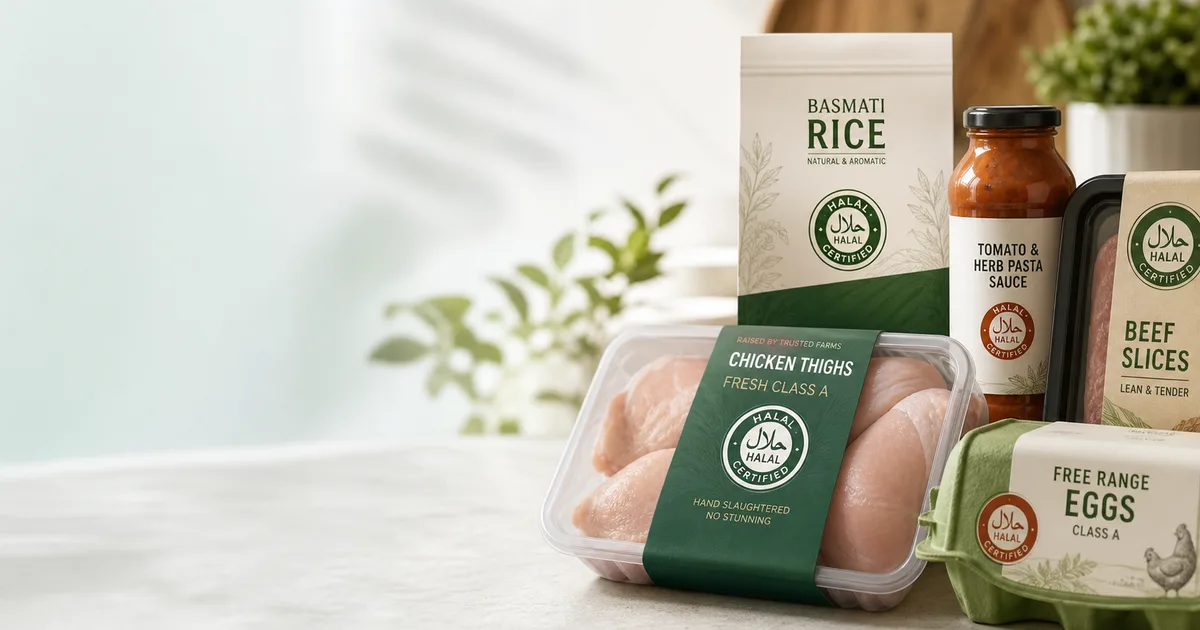
You pick up a product and see a halal mark on the front. The next question is the one that actually matters: which certifier issued it, and is that certification real, current, and relevant to your market?
This guide focuses on the logos Muslim shoppers are most likely to encounter across Malaysia, Singapore, the UK, and North America. It shows the main marks to recognise, explains what each body actually certifies, and gives you a quick process for checking whether a claim is genuine.
At a Glance
1. Name the certifier
A halal logo is only useful when you know which body stands behind it.
2. Match it to the market
JAKIM matters in Malaysia, MUIS in Singapore, HMC or HFA in the UK, and IFANCA across many North American products.
3. Verify before relying on it
Check the certifier’s own directory, certificate listing, or verification portal instead of trusting the packaging alone.
Logo Cheat Sheet
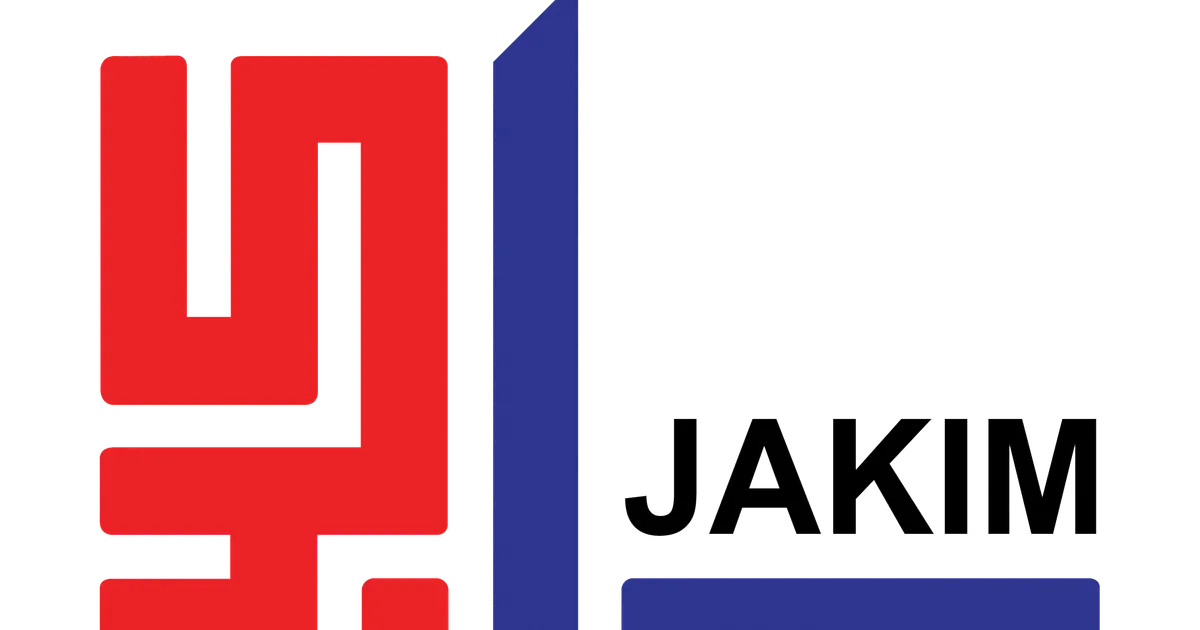
JAKIM
Malaysia’s government-backed halal authority
MUIS
Halal Singapore
MUIS
Singapore’s statutory halal certifier

IFANCA
Major North American halal certifier
HMC
Strict UK hand-slaughter certifier
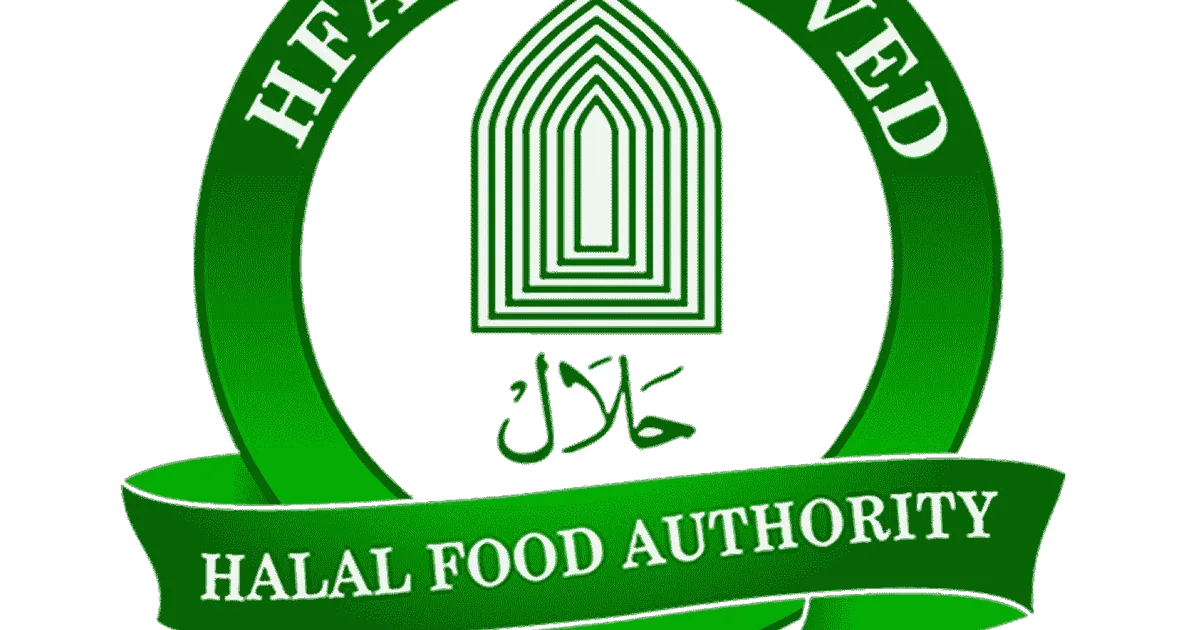
HFA
Mainstream UK certifier with broader acceptance
The exact placement, colouring, and packaging style can vary, but the body behind the mark should still be identifiable. When in doubt, treat the logo as a clue to verify, not proof by itself.
Why the Logo Matters
A halal logo is only meaningful if three things are true:
- A real certifying body actually approved the product or premises.
- The approval is still current and has not expired or been withdrawn.
- The product you are holding matches the business, certificate, and market covered by that approval.
That is why two green symbols can look similar while meaning very different things in practice.
JAKIM — Malaysia
Full name: Jabatan Kemajuan Islam Malaysia
Region: Malaysia
Best known for: One of the world’s most rigorous government-backed halal systems
What JAKIM certifies: Food, beverages, cosmetics, pharmaceuticals, and food service businesses for the Malaysian market.
What the logo means in practice: JAKIM certification signals a full-system halal process rather than a loose supplier claim. For many shoppers, it is the most recognisable benchmark on Malaysian products and on exports made specifically for Muslim-majority markets.
What to look for: A formal JAKIM halal mark together with certificate details or a traceable reference on the product or supplier listing.
How to verify: Use the official Halal Malaysia portal and certificate lookup tools on JAKIM’s site instead of relying only on front-of-pack artwork.
Common on: Malaysian packaged foods, instant noodles, sauces, confectionery, beverages, and products manufactured for export from Malaysia.
MUIS — Singapore

Full name: Majlis Ugama Islam Singapura
Region: Singapore
Best known for: Singapore’s statutory halal authority
What MUIS certifies: Food products and food establishments operating in Singapore.
What the logo means in practice: MUIS matters most when you are buying Singapore-origin goods or checking restaurants and food operators in Singapore. It carries weight because the scheme is centrally recognised for that market rather than competing with multiple large domestic certifiers.
What to look for: A Singapore halal mark linked to MUIS and a certificate number or listing that can be checked against the authority’s records.
How to verify: Check the relevant MUIS halal directory or certification listing rather than assuming that any Singapore-themed halal badge is official.
Common on: Singapore supermarket products, locally made packaged foods, and MUIS-certified food outlets.
IFANCA — North America
Full name: Islamic Food and Nutrition Council of America
Region: United States and Canada
Best known for: Broad recognition across food, ingredients, supplements, and exports
What IFANCA certifies: Food, beverages, ingredients, pharmaceuticals, cosmetics, and manufacturing facilities.
What the logo means in practice: IFANCA appears frequently on North American manufactured products and on export lines that need a recognised halal authority. It is especially relevant on processed foods and ingredients where the halal question is not obvious from the front label alone.
What to look for: The IFANCA name or symbol together with a product listing, manufacturer relationship, or certificate that can be matched to the certifier’s own records.
How to verify: Search IFANCA’s official database or certification resources by product or company name.
Common on: US-made processed foods, supplements, ingredients, and imported American products sold in UK, EU, or Gulf halal shops.
HMC — United Kingdom
Full name: Halal Monitoring Committee
Region: United Kingdom
Best known for: A stricter UK consumer position associated with hand slaughter and no stunning
What HMC certifies: Meat, poultry, some packaged food products, and food businesses in the UK.
What the logo means in practice: HMC is the mark many UK shoppers look for when they specifically want a stricter no-stunning standard. That makes it a practical shorthand for a particular fiqh preference within the UK market, not just a generic halal label.
What to look for: The HMC mark on packaged meat, butcher counters, restaurant displays, or certified supplier materials together with a business or product listing.
How to verify: Check the current HMC directory for the specific business, branch, or product instead of assuming all locations or all supply lines are covered.
Common on: UK halal butchers, selected restaurant chains or branches, and meat-focused halal supply businesses.
HFA — United Kingdom
Full name: Halal Food Authority
Region: United Kingdom
Best known for: A broader mainstream UK certification footprint
What HFA certifies: Meat, poultry, processed foods, restaurants, caterers, and large-scale supply businesses.
What the logo means in practice: HFA is often the more practical UK supermarket and volume-production certifier. Many shoppers will encounter it before they ever see HMC, especially on mainstream retail or foodservice supply.
What to look for: The HFA name on packaging or foodservice materials, plus a directory entry or current certificate that ties the product or business back to HFA directly.
How to verify: Use HFA’s official business or product finder rather than relying on old menus, social posts, or third-party retailer descriptions.
Common on: UK retail halal lines, foodservice suppliers, selected chain locations, and packaged goods aimed at mainstream distribution.
Other Certifiers Worth Knowing
| Body | Main market | Why it matters |
|---|---|---|
| MUI / BPJPH | Indonesia | Important on Indonesian-made products and exports from Indonesia |
| SANHA | South Africa | Common on South African products sold internationally |
| ESMA / UAE halal schemes | UAE | Relevant for Gulf-facing trade and imported products targeting UAE standards |
| Australian halal certifiers | Australia | Common on exported meat and packaged foods |
If you are shopping in the UK, it is completely normal to see international halal logos on imported products rather than HMC or HFA. The key is not whether the body is local. The key is whether the body is credible and verifiable for that product.
How to Spot a Fake or Expired Logo
1. Look for a certificate trail
A legitimate halal claim should connect to a certificate number, product listing, company listing, or current business entry. A floating green symbol with no trail is a warning sign.
2. Verify on the certifier’s own site
Do not stop at reseller pages, supermarket descriptions, or old social media posts. Go to the certifier itself.
3. Match the logo to the product context
A mark that makes sense on a Malaysian export line may not make sense on an unrelated local supplier. The certifier and the supply chain should line up.
4. Be careful with old packaging
Certification status can change. Old stock images, reused packaging, or outdated menu claims are one reason expired or withdrawn halal claims continue circulating.
Which Logo Should You Prioritise?
| If you are shopping in… | First logos to recognise |
|---|---|
| Malaysia | JAKIM |
| Singapore | MUIS |
| UK | HMC or HFA, plus overseas marks on imported products |
| USA / Canada | IFANCA |
If your concern is stricter UK meat standards, HMC usually becomes the key logo. If your concern is mainstream supermarket accessibility, HFA is often the more common reference point. If you are buying imported pantry products, JAKIM, IFANCA, MUI, or SANHA may matter more than either UK body.
For products with no certification mark at all, checking the ingredient label is still the next-best step.
Common Questions
Is a product without a halal logo automatically haram?
No. Many foods are permissible without formal certification. Certification becomes most useful when ingredients, processing aids, flavourings, slaughter method, or cross-contamination risk are not obvious from the label.
Is JAKIM always “better” than HMC or HFA?
Not in a simple ranking sense. JAKIM is a national system for Malaysia. HMC and HFA are UK certifiers serving a different market and different consumer expectations. The better question is whether the certifier is credible for the product and whether its standard matches your own requirements.
Can I trust a halal logo I do not recognise?
Not automatically. Unknown logos should push you toward verification, not confidence. If you cannot find the certifier’s official site, public standards, or current directory, treat the claim cautiously.
Why do some halal logos look different from pack to pack?
Because certifiers update brand assets, allow different packaging layouts, and appear across product categories. Small design differences are normal. What matters is whether the certifying body and product can still be traced back to a current official record.
How We Reached This Verdict
This guide prioritises the certifiers shoppers are most likely to encounter in real buying decisions rather than trying to list every halal body worldwide. We weighted:
- government-backed or market-dominant certifiers in key regions
- marks that appear frequently on supermarket, restaurant, and imported packaged products
- whether a shopper can realistically verify the claim through an official directory or certificate system
Next Steps
If you are checking a product in front of you right now:
- Identify the certifier on the packaging.
- Check whether that body fits the product’s country or market.
- Verify the product, supplier, or business on the certifier’s own platform.
If the product has no certification mark, use the ingredient scanner or browse the E-codes database. If you want the business side of certification, see the Halal Certification hub and the How to Get Halal Certification guide.
Halal Certification Hub
Need the bigger picture, not just this one article?
Browse the full halal certification hub for step-by-step guidance on costs, certification bodies, logos, audits, labelling, and international trade requirements.
Visit the certification hubIngredients change. Be first to know.
Brands reformulate without warning. We track every E-code update and halal certification — one short weekly email.
Partner with HalalCodeCheck
Reach halal-conscious buyers and food businesses at the moment they decide
Our audience uses HalalCodeCheck to verify ingredients, compare certification bodies, and choose products with confidence. That means you can reach both high-intent shoppers and serious food-business decision-makers across the UK, US, Canada, Australia, and Europe.
- Featured product & brand placements
- Certification guide sponsorships & category features
- Search, tool, and directory visibility
Sponsored placements and partnerships by arrangement
Related Articles
 Halal Certification
 UK Halal Certification Bodies: HMC, HFA, HFCE and Other Logos Explained (2026)
Compare UK halal certification bodies and logos. HMC, HFA, HFCE, Halal Trust, MCB, and international certifiers explained — what they do, how standards differ, and how to verify claims.
 Halal Certification
 HMC vs HFA: Which UK Halal Certification Should You Trust? (2026)
HMC and HFA are the UK's main halal certifiers. This guide explains their key differences on stunning, slaughter method, and which restaurants and brands each certifies.
 Shopping Guides
 Best Halal Meal Kits UK 2026 — Which Are Actually Certified
Most UK halal meal kit brands don't name a certifying body. We checked six directly — one names HMC, one admits its kitchen isn't certified, the rest are unverified claims.