
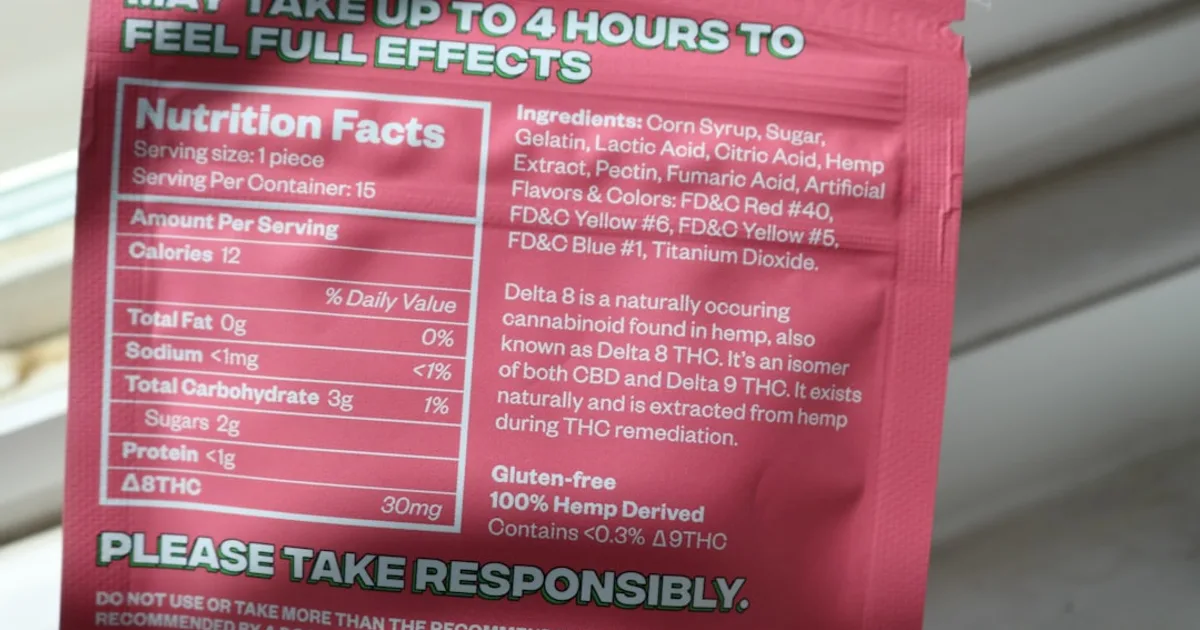
A thread on r/MuslimLounge titled “My son says HALAL is a SCAM” received 58 comments in 2025. On r/islam, “Halal Food Isn’t As Halal as We’d Like to Think” generated 52 responses. The frustration is real — and in some cases, justified.
This is not a conspiracy guide. It is an honest assessment of where the halal food system works well, where it breaks down, and what you can do about it.
Where the System Works
When functioning correctly, third-party halal certification is genuinely reliable. Bodies like HMC, JAKIM, IFANCA, and MUI:
- Conduct on-site facility inspections, including surprise audits (HMC)
- Review complete ingredient chains from source to final product
- Maintain public databases where any certificate can be verified
- Revoke certificates when violations are found
HMC specifically has a public certificate revocation list. That transparency is the gold standard.
The Four Points Where It Breaks Down
1. Self-Certification
An unregulated market allows any company to print a halal crescent and claim “certified.” No UK or US law prevents this. The label says certified — but certified by whom, to what standard, with what verification? Often: nobody, nothing, none.
2. Certification Fraud
Using a reputable body’s logo without a valid current licence. Certificate number lookup on the official database reveals this immediately.
3. Reformulation Without Re-Certification
A manufacturer changes a recipe — new ingredient supplier, different fat source for E471. The certification covers the old recipe. The new recipe is unaudited. The logo stays on packaging.
Detection: Check the “last updated” date on the certificate in the body’s database against the product’s reformulation date.
4. Shared Facility Cross-Contamination
A halal-certified product manufactured on lines also used for pork products. HMC requires dedicated halal facilities. HFA and others accept shared facilities with verified cleaning protocols — a legitimate but less rigorous position.
Practical 5-Point Verification Framework
1. Name the certifying body — A logo with no identifiable body name cannot be verified.
2. Look up the certificate:
- HMC → halalhmc.org
- JAKIM → halal.gov.my
- IFANCA → ifanca.org
- MUI → halalmui.org
3. Check expiry — Certificates expire. An expired certificate on packaging is a failure.
4. Check recent reformulation — “Improved recipe” on packaging + old certificate = potential gap.
5. Ingredient-level back-check — Even on certified products, spot-check key E-codes: E441, E471, E476.
What “No Certification” Actually Means
Many genuinely halal products carry no logo — plain single-ingredient foods, entirely plant-based products, domestic food in Muslim-majority countries. Absence of a logo does not mean haram.
For uncertified products, use the E-codes database and ingredient scanner.
Summary
| Trust level | What it means | How to verify |
|---|---|---|
| HMC / JAKIM / IFANCA with valid certificate | High — audited, verifiable | Database lookup |
| HFA / SANHA / MUIS with valid certificate | Good — real programme | Database lookup |
| Unknown body or no body named | Low — treat as uncertified | Ingredient check |
| No certification | Neutral | E-codes database |
The system is not a scam. It is a mixed market — some providers are excellent, some are nominal. The tools to tell them apart are public and free. Use them.
Check any ingredient in the E-codes database.
Related: Is Halal Certification Trustworthy? How to Spot Fake Logos
How we reached this verdict
- HMC published data: Annual reports and certificate revocation records are publicly available at halalhmc.org.
- FSA guidance: The UK Food Standards Agency has published guidance on halal labelling concerns.
- Community reports: r/MuslimLounge and r/islam threads (2024–2025) document real consumer experiences with questionable halal claims.
Madhab note
The four Sunni madhabs broadly converge on the rules applied in this guide:
- Verification of permissibility — All four madhabs require establishing halal status through reliable means. An unverifiable certification does not constitute reliable establishment.
- Ihtiyat (precaution) — The Hanafi principle supports using available verification tools rather than relying on labels alone.
For a binding ruling on specific products or certification bodies, consult a competent scholar in your tradition.
Ingredients change. Be first to know.
Brands reformulate without warning. We track every E-code update and halal certification — one short weekly email.
Related Articles
 Shopping Guides
 Halal Shopping at Coles: Aisle-by-Aisle Australia Guide (2026)
Coles stocks halal-certified meat from accredited abattoirs but own-brand packaged goods require E-code checking — here's what to look for in each aisle.
 Shopping Guides
 Halal Shopping at Carrefour: France, UAE & Turkey Guide (2026)
Carrefour's halal status varies by country — UAE stores stock certified halal products throughout, while French stores require label-by-label checking.
 Shopping Guides
 Halal Food in Malaysia: Beyond JAKIM — Full Supermarket & Brand Guide
JAKIM certification is Malaysia's gold standard but not every product on shelf is JAKIM-certified — here's how to shop confidently in Mydin, Giant, and Aeon.