
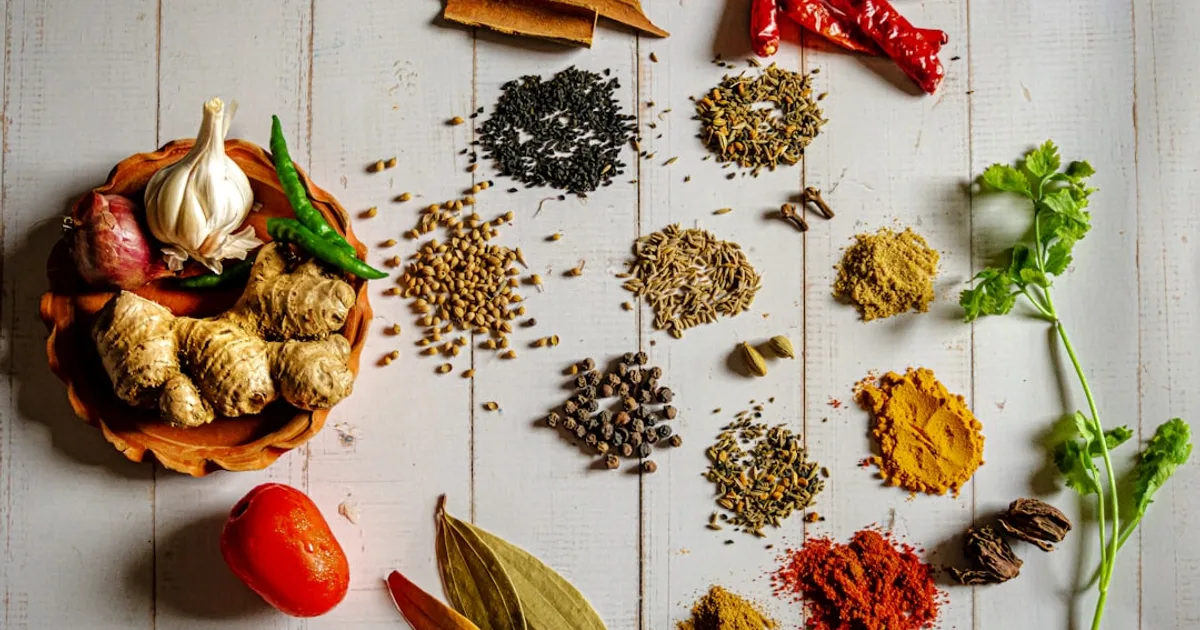
Bangladesh is one of the world’s largest Muslim-majority countries, with Islam woven deeply into food culture. The domestic food supply — from local rice and lentils to Bangladeshi-manufactured packaged goods — is overwhelmingly halal. But the growth of imported snacks, global fast-food chains, and premium confectionery has introduced new label-reading challenges.
Halal Regulation in Bangladesh
BSTI (Bangladesh Standards and Testing Institution) is the national standards body covering food safety and halal certification. BSTI certification is required for domestic food manufacturing.
Religious Affairs Ministry and Islamic Foundation Bangladesh provide guidance on halal standards, though formal certification of individual products is less systematic than in Malaysia or Indonesia.
In practice, most domestic food production is halal by default — pork is not commercially produced in Bangladesh, and alcohol is heavily regulated. The halal question becomes real when you pick up an imported product.
Trusted Domestic Brands
| Brand | Category | Halal Status |
|---|---|---|
| Pran Foods | Juices, noodles, snacks | Domestic, BSTI certified |
| Square Food (Radhuni) | Spices, sauces | Domestic, widely trusted |
| Akij Food & Beverage | Biscuits, noodles | Domestic production |
| Bashundhara | Bread, biscuits | Domestic production |
| Kazi Farms | Poultry | Halal-slaughtered, widely certified |
The Imported Goods Problem
International supermarkets in Dhaka (Shwapno, Meena Bazar, Agora, Unimart) stock increasing volumes of imported goods. The risk profile follows European E-code standards.
E-Codes on Imported Products — Bangladesh Guide
| E-Code | Commonly Found In | Verdict |
|---|---|---|
| E471 | Imported biscuits (Oreo, Digestive), margarine | Mushbooh |
| E476 | Cadbury Roses, Milka, imported cheap chocolate | Mushbooh |
| E441 | Gummy bears, Haribo, Trolli, marshmallows | Haram (pork gelatine) |
| E120 | Some imported sweets and drinks | Haram (insect) |
| E631 | Pringles, imported noodle seasonings | Mushbooh |
Maggi noodles (imported from Thailand or Malaysia): Malaysian Maggi is JAKIM-certified — halal. Thai-origin Maggi: check the seasoning sachet for E631 and E635.
Pringles: The crisps themselves (potato starch, rice flour, oil) are generally halal. The seasoning blends on flavoured Pringles may contain E471 and E631. Plain Pringles are the lowest-risk option.
Imported Cadbury: Country of origin matters. UK Cadbury contains E476 (Mushbooh). Indian Cadbury is widely consumed by South Asian Muslims but carries no halal certification.
Fast Food in Bangladesh
KFC Bangladesh: Operated by Transcom Beverages. All chicken is halal-slaughtered, locally sourced. Considered halal by the Bangladeshi Muslim community.
McDonald’s Bangladesh: Not currently operating in Bangladesh as of 2026.
Pizza Hut Bangladesh: Present in Dhaka — uses locally sourced halal meat. Check imported dessert and sauce ingredients.
Burger King Bangladesh: Present in Dhaka. Halal meat used. Check E-codes in seasoning and sauces.
Practical Shopping Guide for Dhaka
- Fresh meat: Buy from halal butchers or certified suppliers like Kazi Farms. Avoid supermarket meat with no halal marking.
- Local branded snacks: Pran, Akij, Bashundhara — lower risk, domestic production.
- Imported confectionery: Check E441 and E476 specifically. Avoid unless halal-certified.
- Gummy sweets: Virtually all imported gummy products contain pork gelatine (E441). Avoid without certification.
- Noodle seasonings: Check E631. Malaysian Maggi: safe. Others: verify.
How We Reached This Verdict
Our assessment is based on BSTI certification framework, ingredient declarations of commonly imported products available in Dhaka supermarkets, and Islamic jurisprudence on E-code permissibility as applied by Bangladeshi scholars at Qawmi Madrasas and Darul Uloom institutions.
Madhab Note
The Hanafi madhab predominates in Bangladesh. The Hanafi position on gelatine (E441) is clear: if it originates from pork, it is haram — the istihala (transformation) argument does not apply because gelatine retains the characteristics of the original substance. E471 and E476 with undisclosed sources are treated as Mushbooh, requiring avoidance per ihtiyat (precaution).
Use HalalCodeCheck to verify any E-code on imported products available in Dhaka or Chittagong supermarkets.
Not sure about an ingredient? Scan the label with your phone.
Browse our full E-code database — all 370+ codes with halal verdicts.
Ingredients change. Be first to know.
Brands reformulate without warning. We track every E-code update and halal certification — one short weekly email.
Related Articles
 Shopping Guides
 Halal Shopping at Coles: Aisle-by-Aisle Australia Guide (2026)
Coles stocks halal-certified meat from accredited abattoirs but own-brand packaged goods require E-code checking — here's what to look for in each aisle.
 Shopping Guides
 Halal Shopping at Carrefour: France, UAE & Turkey Guide (2026)
Carrefour's halal status varies by country — UAE stores stock certified halal products throughout, while French stores require label-by-label checking.
 Shopping Guides
 Halal Food in Pakistan: Label Reading & Brand Trust Guide (2026)
Pakistan is a majority-Muslim country with mandatory halal standards — but imported brands, unlabelled products, and certification gaps still create real consumer questions.