
Posts Tagged "E Codes"
Understanding E-numbers and food additive codes for halal verification.
152 posts with this tag
Related Tags
Is Milk of Magnesia Halal? Glycerin and the 0.45% Alcohol
Milk of Magnesia's active ingredient is a mineral. The halal question is the glycerin and the 0.45% alcohol in the flavoured bottles — and one flavour avoids both.
Halal Ice Cream and Dairy in New Zealand: Tip Top Labels It, But Nobody Names the Certifier
Tip Top tags 24 of its 73 products halal certified on its own site and runs a separate gelatine-free filter. Kāpiti does the same. Neither names a certifier, and FIANZ publishes no dairy client list. Here is what that gap means for a shopper.
INS Numbers Explained: The E-Number System Under Another Name
INS numbers are the Codex Alimentarius naming system for food additives, used on labels in India, Australia, Malaysia, Singapore, Indonesia and the Gulf. INS 471 is the same additive as E471, and the halal question is identical. Here is how to read them.
Is Propylene Glycol (E1520) Halal? The Flavour Solvent Explained
Propylene glycol (E1520) is halal. It is a synthetic diol made from petroleum-derived propylene oxide, contains nothing animal-derived and does not intoxicate. The word 'glycol' is not 'alcohol' in the fiqh sense. Where it does matter: as the carrier in flavourings that may also contain ethanol.
Is Sodium Citrate (E331) Halal? The Short Answer (2026)
Sodium citrate (E331) is a fully synthetic acidity regulator made from citric acid and sodium hydroxide. No animal source, no alcohol — halal across all four Sunni madhabs.
Is Aspartame (E951) Halal? The Old Alcohol Myth Explained (2026)
Aspartame (E951/NutraSweet) is synthetic, made from amino acids. Alcohol is used in processing but doesn't appear in the finished sweetener — most scholars and certifiers now rule it halal.
Is Wall's Ice Cream Halal? Mushbooh in the UK (2026)
Verdict: Wall's UK ice cream is Mushbooh — E471 and E472 from an undisclosed source, no UK halal certification. Cornetto and Twister checked too.
Is Carte D'Or Halal? Mushbooh in the UK (2026)
Verdict: Carte D'Or is Mushbooh — E471/E472b from an undisclosed source, no UK halal certification. Strawberry variants also carry an E120 risk.
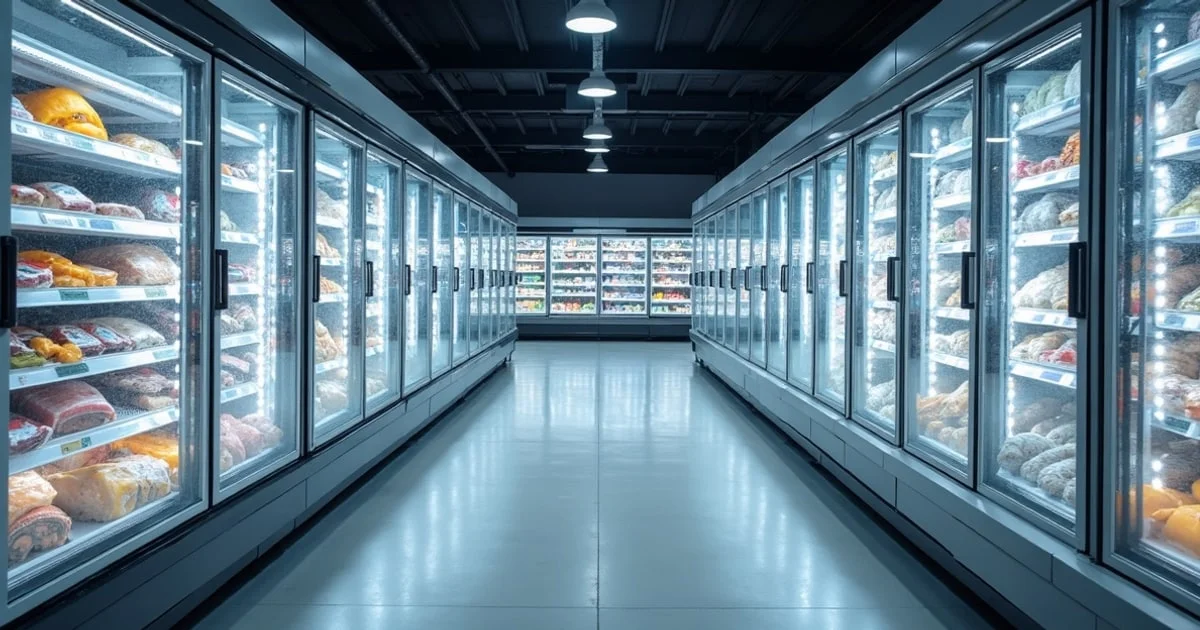
Halal Shopping at Iceland UK: Frozen Wins & Gelatine Traps (2026)
Iceland sells own-label halal chicken and bulk halal packs — but its own-brand mousse is set with pork gelatine. The frozen-aisle wins and traps, checked.
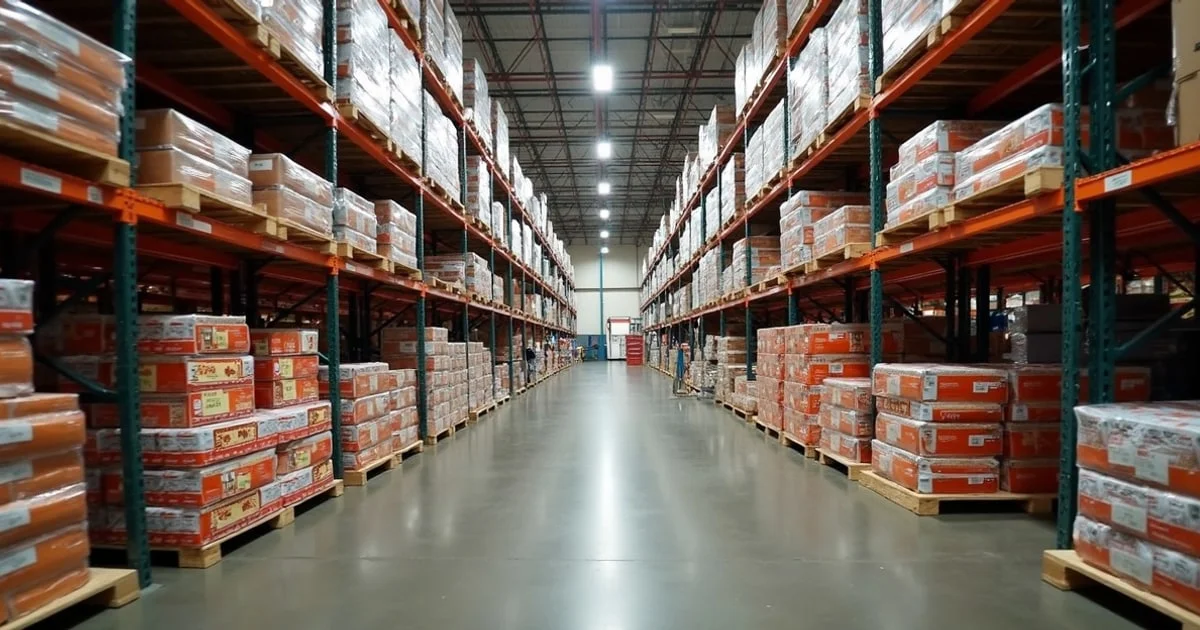
Halal Shopping at Costco UK: Bulk Halal Meat, Kirkland & the Membership Question (2026)
Some Costco UK warehouses stock halal-certified chicken and lamb, but Costco publishes no halal range list — the pack logo is your only evidence. Full guide.
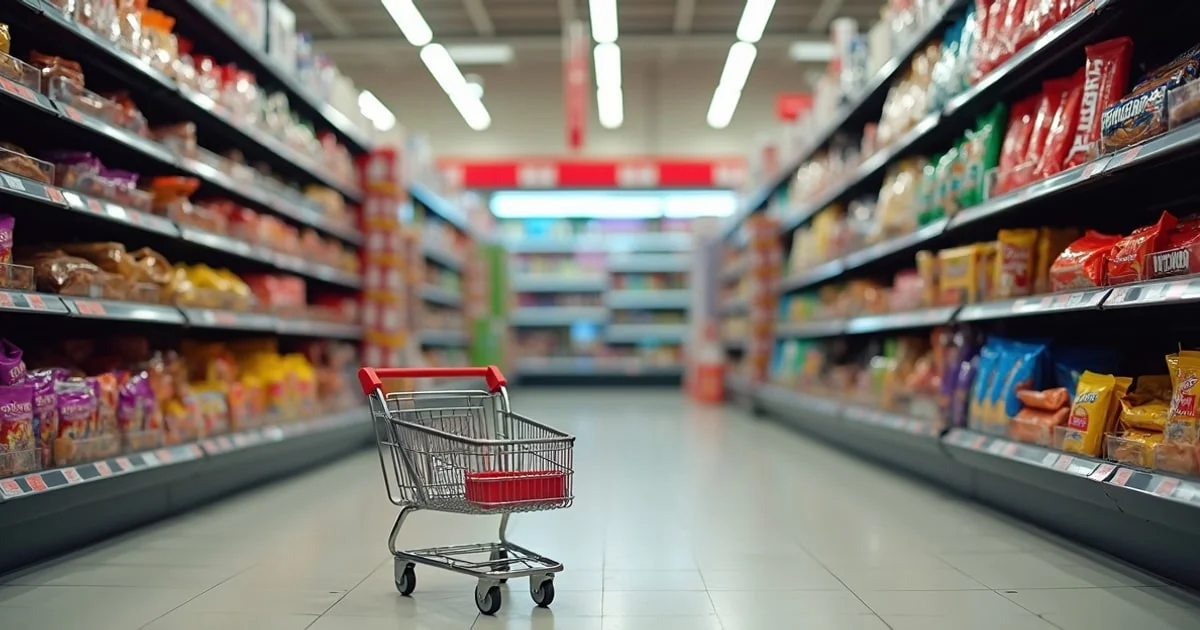
Halal Shopping at Co-op UK: Meal Deals, Chocolate & Own-Brand (2026)
Co-op's own-brand meat is not halal certified, though some stores stock third-party halal lines. The meal deal, Fairtrade chocolate and sweets, checked.
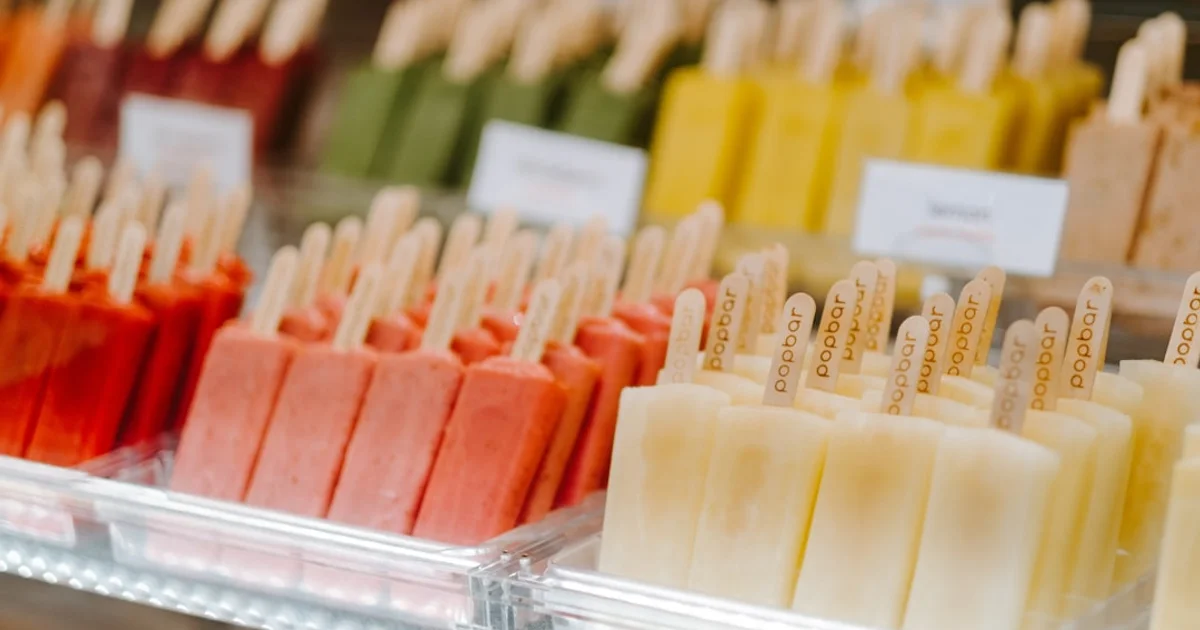
Halal Ice Cream and Dairy in the Netherlands: Ola, Hertog and What to Check (2026)
No Dutch supermarket ice cream is halal-certified. Ola's Raket is gelatine-free, Albert Heijn labels vegetarian whey, and the classic Malaga flavour contains real rum. The Dutch freezer aisle, checked.
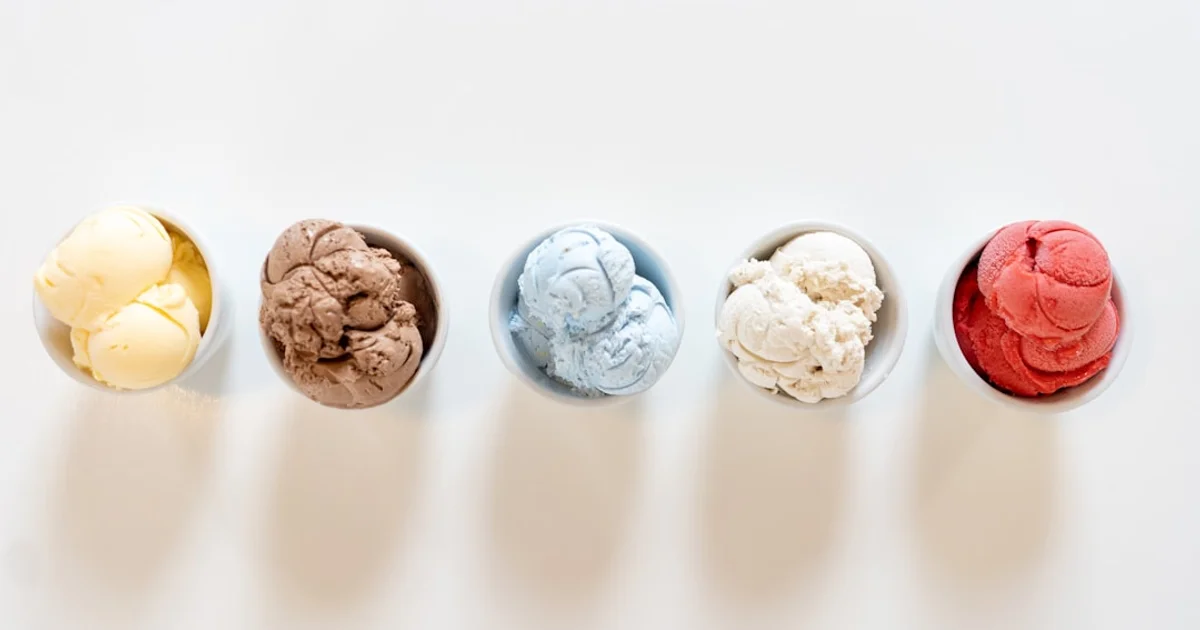
Halal Ice Cream and Dairy in Germany: Langnese, Schöller and What to Check (2026)
No mainstream German supermarket ice cream is halal-certified. But Langnese's classic water ices are now certified vegan, and Lidl's Bon Gelati declares plant-origin E471. Here is the German freezer aisle, brand by brand.
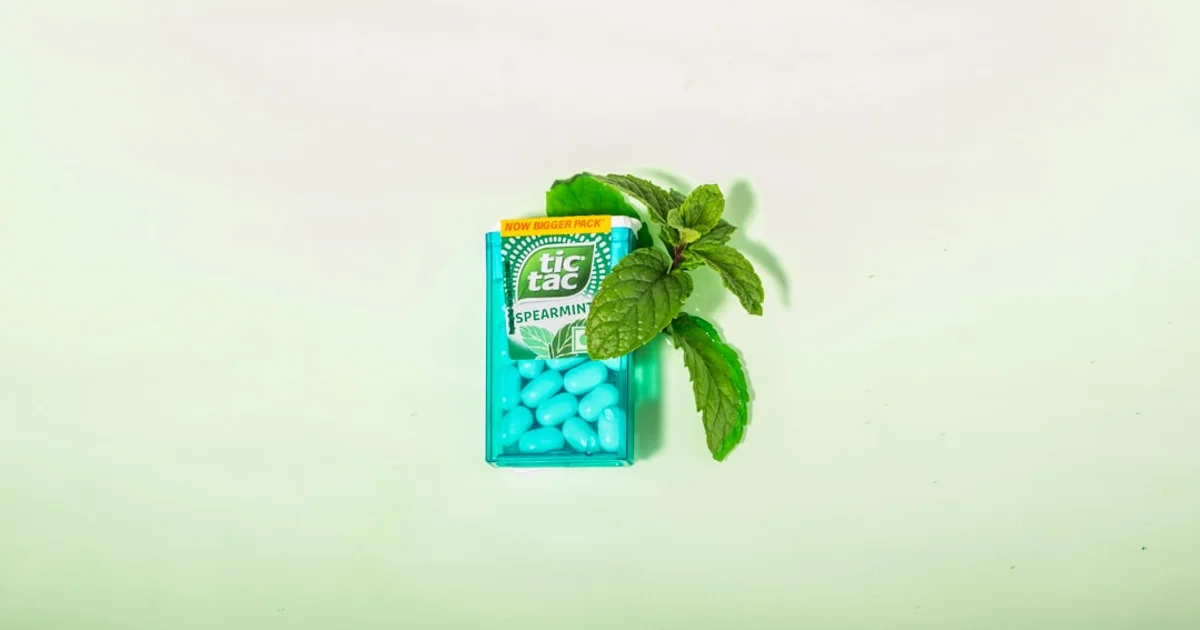
Is Fresh & Free Kaugummi Halal? Aldi's Chewing Gum Checked (2026)
Fresh & Free spearmint chewing gum (Aldi) contains no confirmed haram ingredients — carnauba wax, not shellac, and no gelatine. The gum base itself is an undisclosed compound, standard for the industry.
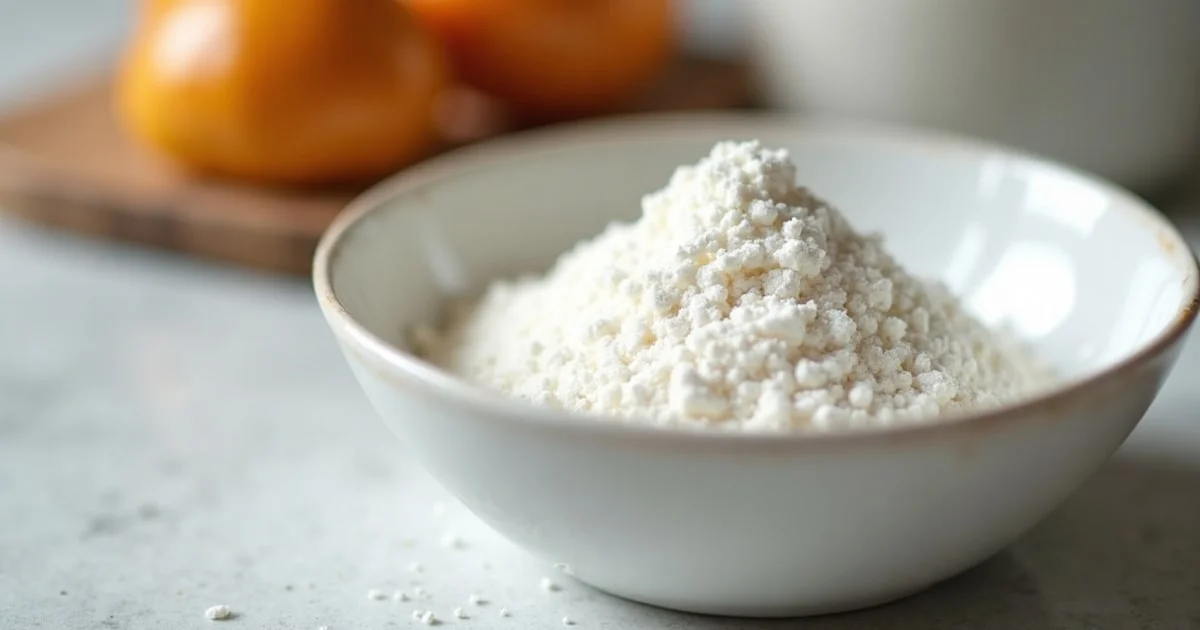
Is Xanthan Gum (E415) Halal? The Fermentation Question Answered
Xanthan gum (E415) is halal. It's produced by bacterial fermentation of plant sugars — no animal ingredients, no alcohol. Here's how it's made and why scholars agree.
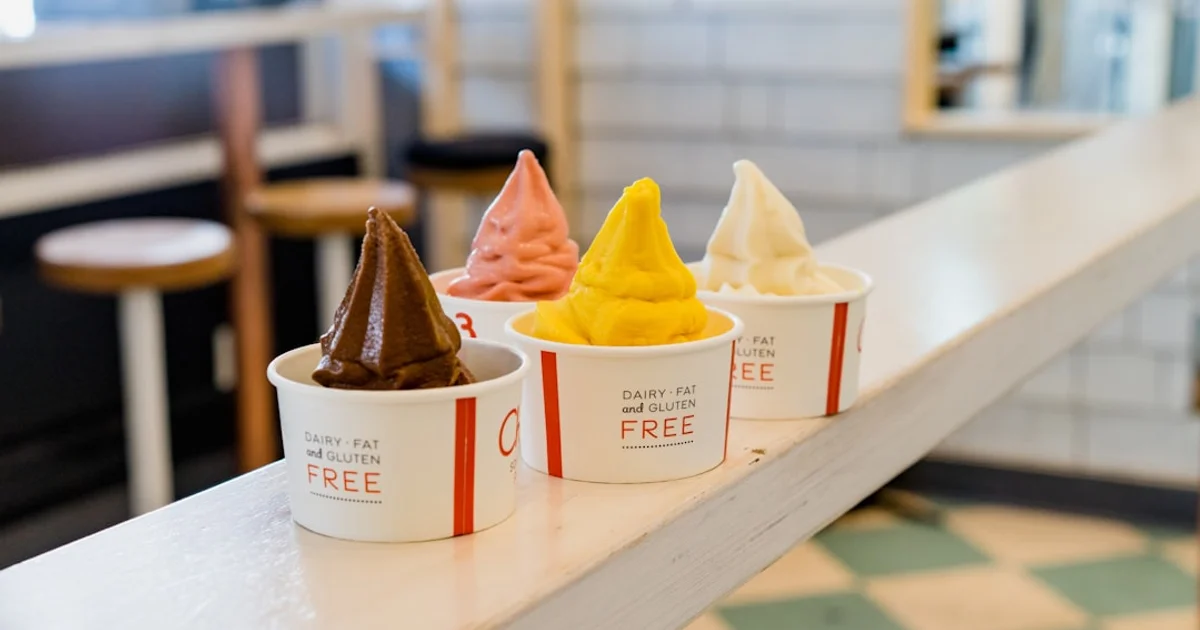
Halal Ice Cream and Dairy in Japan: Meiji, Glico, Lotte and What to Check (2026)
No major Japanese ice cream brand is halal-certified. Glico Papico lists gelatine, some Akagi flavours list liqueur, and emulsifier origins are hidden. Here's how Muslims read a Japanese ice cream label.
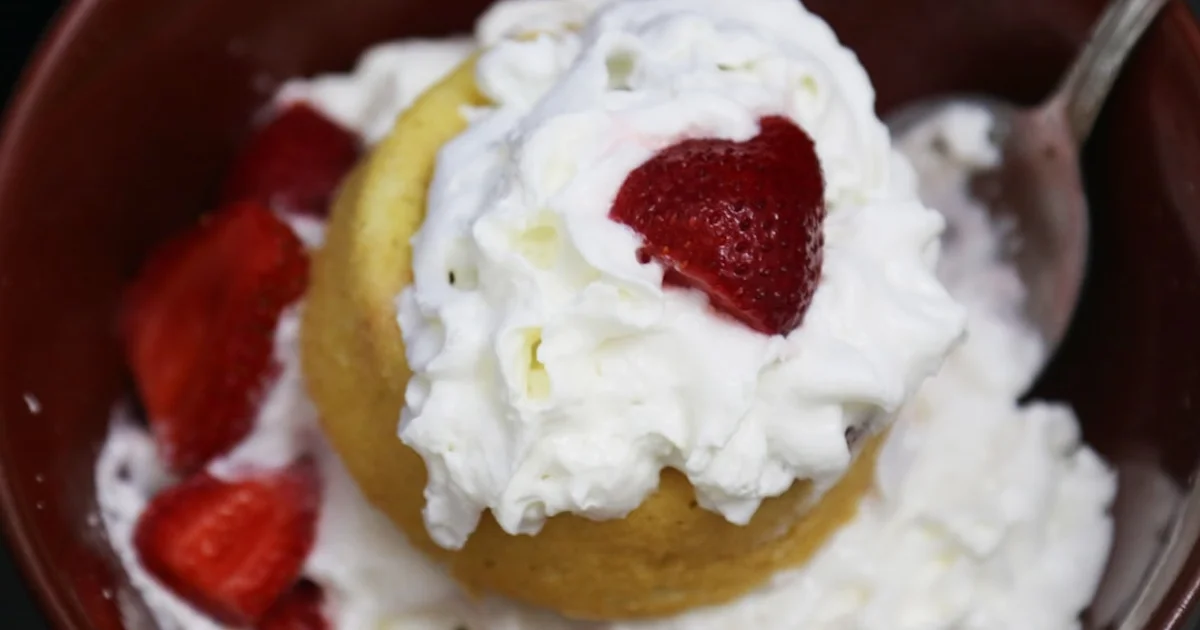
Halal Ice Cream and Dairy in India: Amul, Vadilal and the Green Dot (2026)
Amul is halal-certified for export and confirms its E471 is plant-only; Vadilal is HMA-certified. India's green veg dot is a legal halal proxy. Here's how Muslims read an Indian ice cream label.
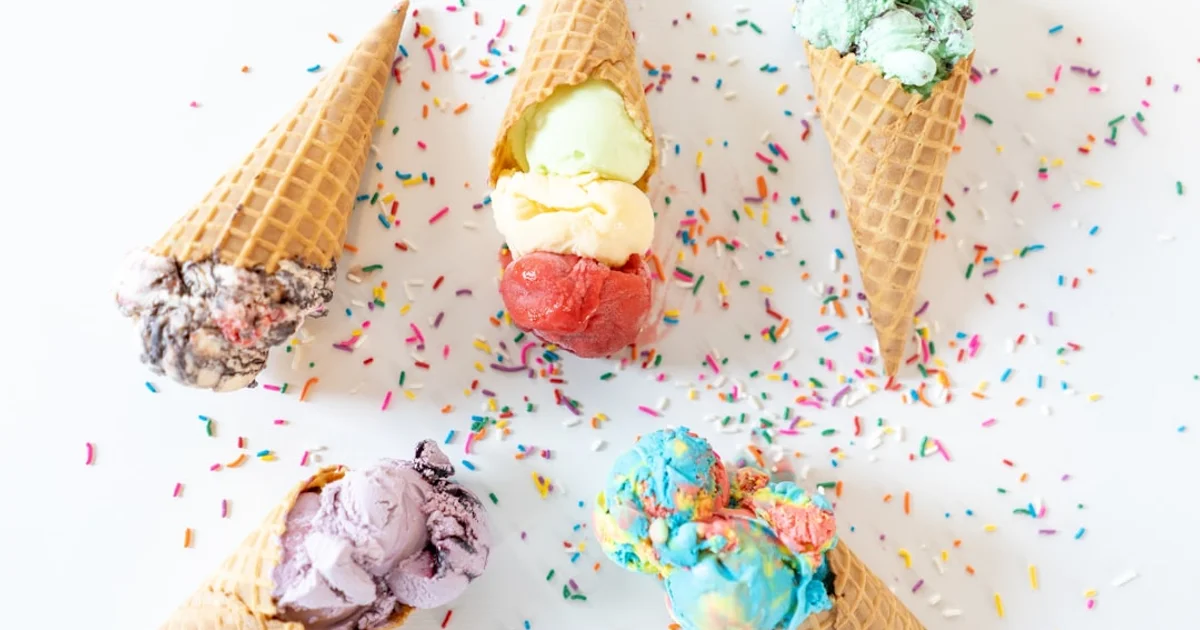
Halal Ice Cream and Dairy in Denmark: Frisko, Arla and What to Check (2026)
Danish ice cream (Frisko, Premier Is, Hansens) carries no halal logo, and rum-raisin flavours contain real alcohol. Arla butter is HQC-certified for export. Here's what Muslims in Denmark check.
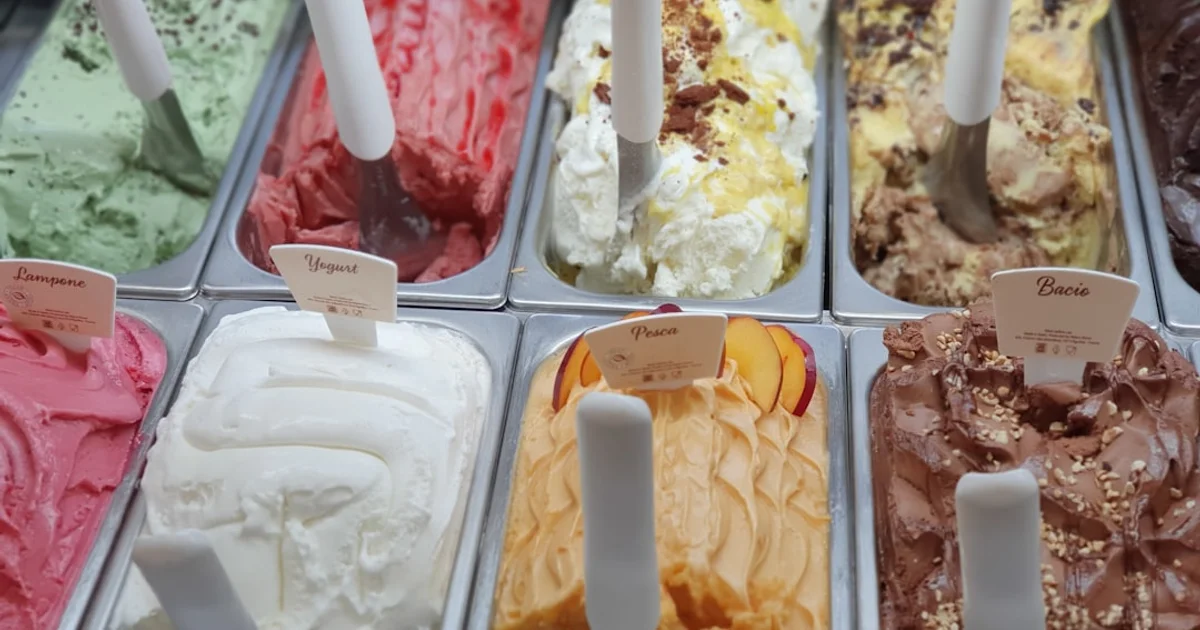
Halal Ice Cream and Dairy in Belgium: IJsboerke, Carrefour and What to Check (2026)
Belgian supermarket ice cream carries no halal logo, some Carrefour desserts contain pork gelatine, and premium lines use alcohol. Here's what Muslim shoppers in Belgium check on the label.
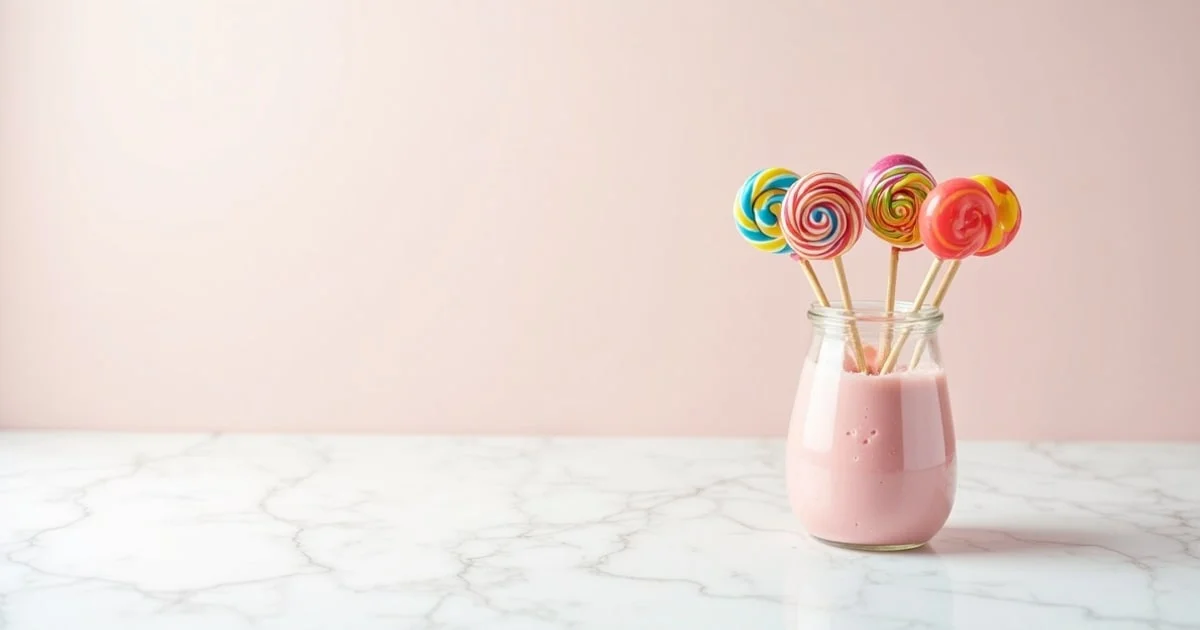
Is Chupa Chups Halal? Cola Lollipop and All Lines Checked (2026)
Chupa Chups Cola lollipops contain no gelatin or E120 — but carry no halal certification. Gummies and soft chews contain gelatin and are Haram. Full breakdown by product line.
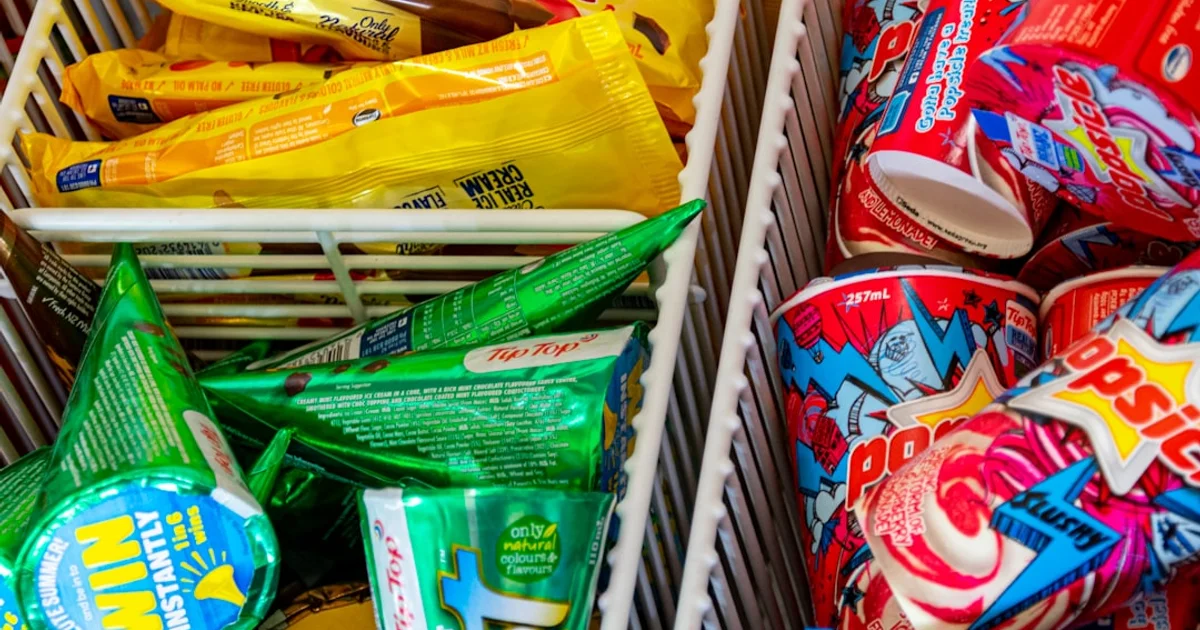
Is Bon Gelati Halal? Lidl Ice Cream E-Codes Checked (2026)
Bon Gelati is Lidl's own-brand ice cream range. No halal certification. Key concern is E471 (mono and diglycerides) — source unconfirmed. Here is a full breakdown by product line.
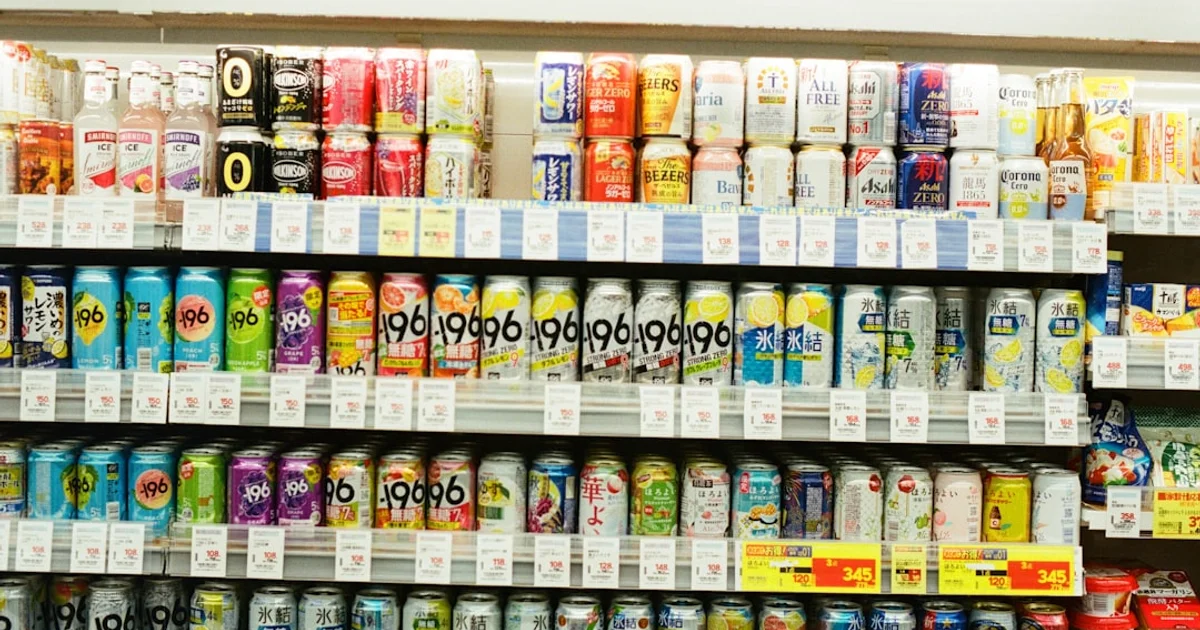
Halal Beverages in Finland: What Muslim Consumers Need to Know (2026)
Most Finnish mainstream beverages — Hartwall, Karjala, Lapin Kulta — are alcoholic and Haram. Here is what Muslim consumers and tourists in Finland check when buying drinks, and where to find halal-safe options.
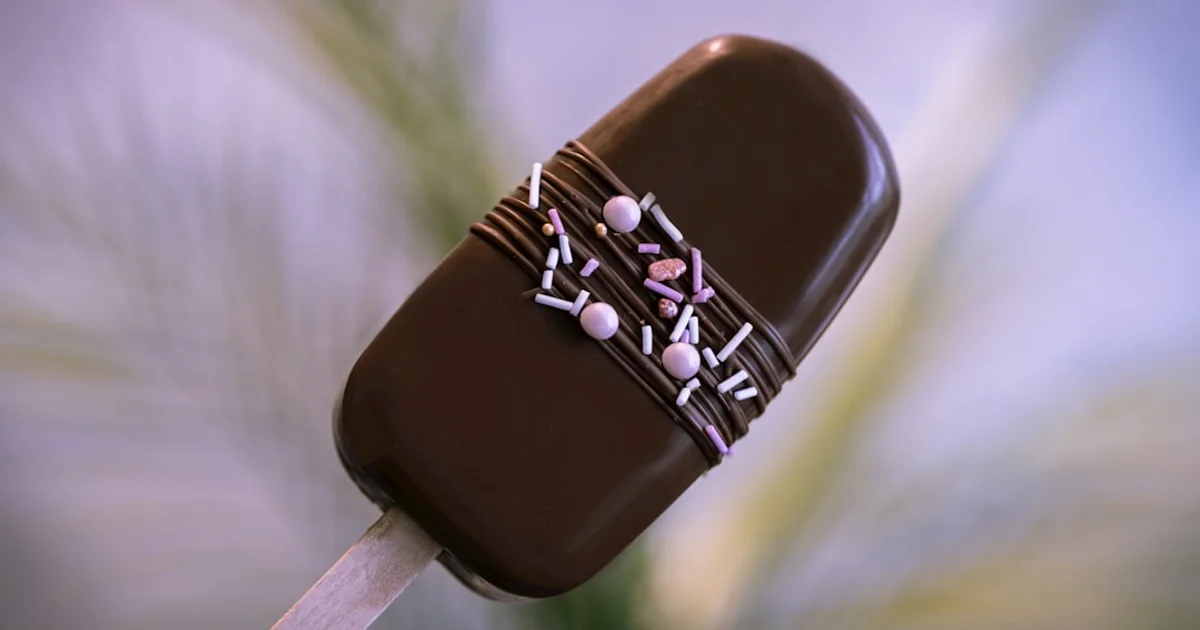
Is Magnum Halal? Mushbooh in the UK, Certified in Malaysia (2026)
Verdict: UK Magnum is Mushbooh — E471 source undisclosed, no halal certification. Malaysian Magnum is JAKIM-certified. The vegan line is the safest UK pick.
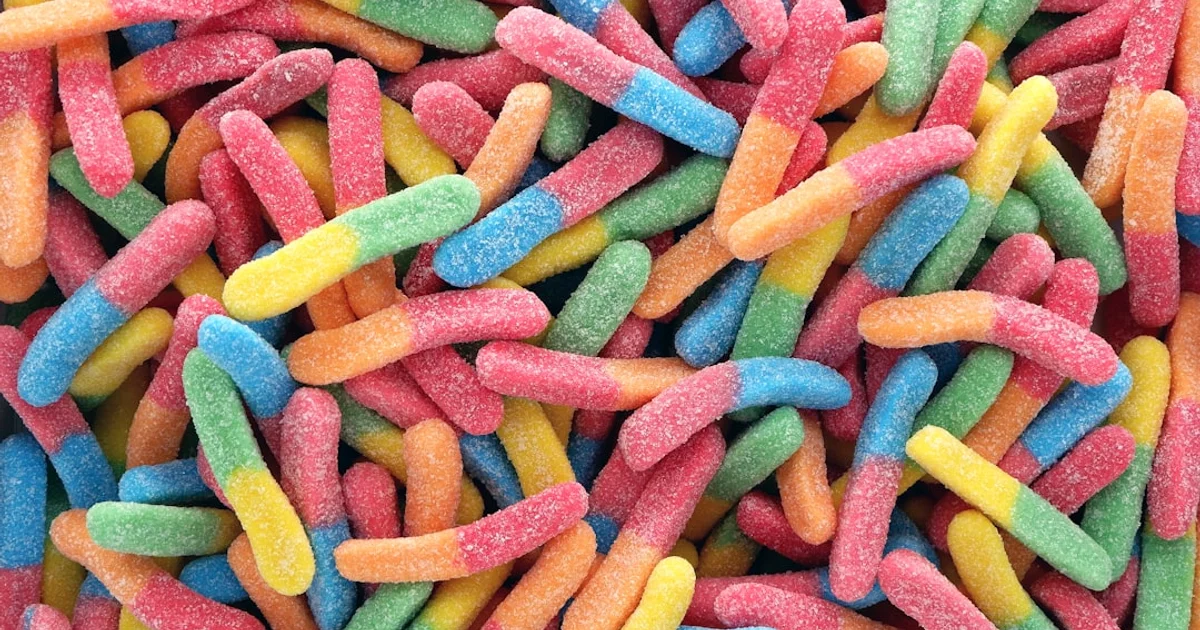
Is Kik Imly Candy Halal? The Tamarind Sweet Checked (2026)
Kik Imly is a Pakistani tamarind candy popular in the UK diaspora. The tamarind base is halal, but artificial colours E110, E122, and E129 are present without halal certification. Verdict: Mushbooh.
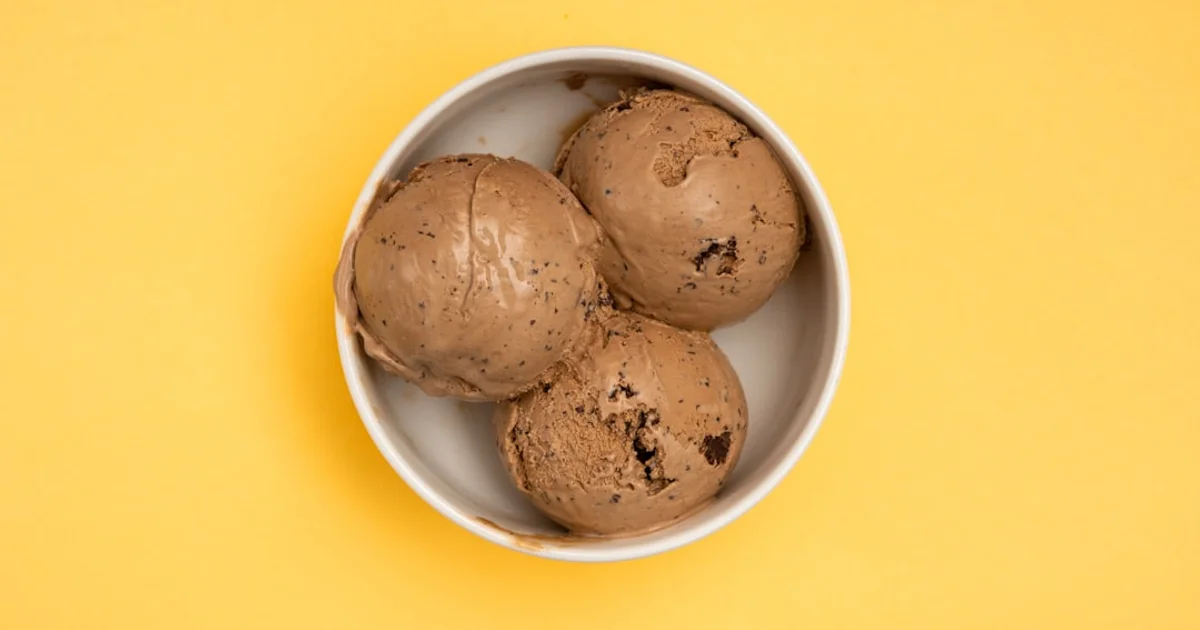
Halal Ice Cream and Dairy in the USA: What's Certified and What to Avoid (2026)
Most major US ice cream brands — Häagen-Dazs, Ben & Jerry's, Breyers — carry no halal certification. Here is what Muslim consumers in the USA check when buying frozen desserts and dairy, and where to find certified alternatives.
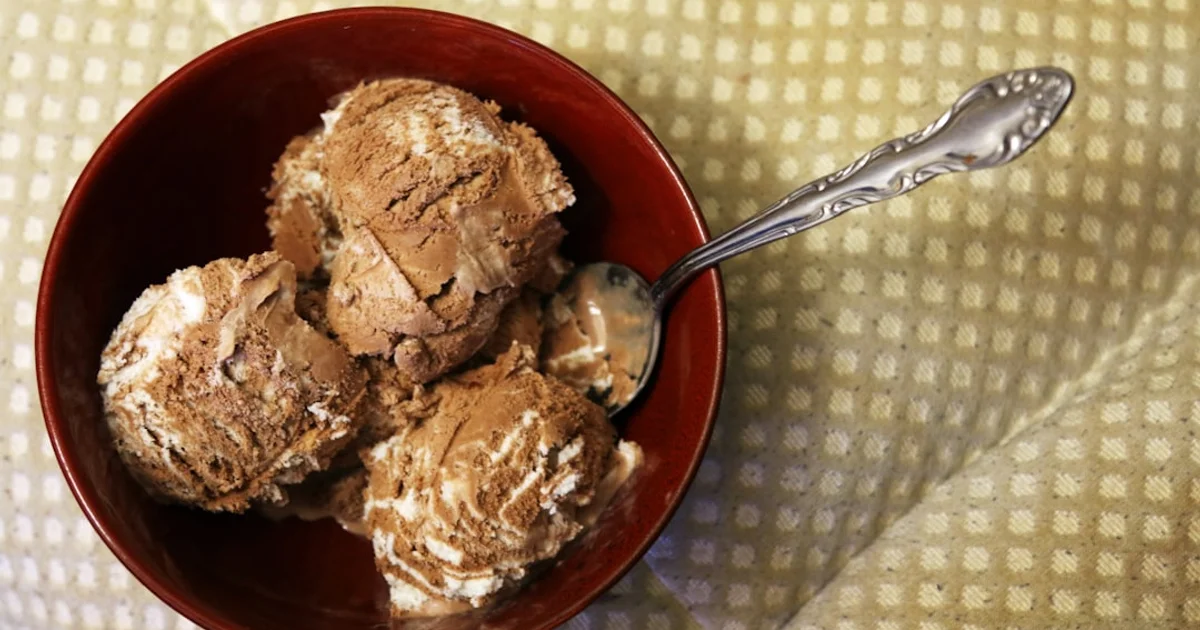
Halal Ice Cream and Dairy in Sweden: GB Glace, Oatly and What to Know (2026)
Swedish packaged ice cream (GB Glace/Unilever, Triumf) carries no halal certification. E471 is widespread. Oatly and other plant-based options are the safest choice. Here is what Muslim residents and visitors in Sweden check.
Halal Ice Cream and Dairy in Austria: Billa, Riva and What to Know (2026)
Austrian packaged ice cream (Eskimo/Unilever, Billa own-brand, Riva Eis) carries no halal certification. E471 is widespread. Here is what Muslim residents and tourists in Austria check when buying frozen desserts and dairy.
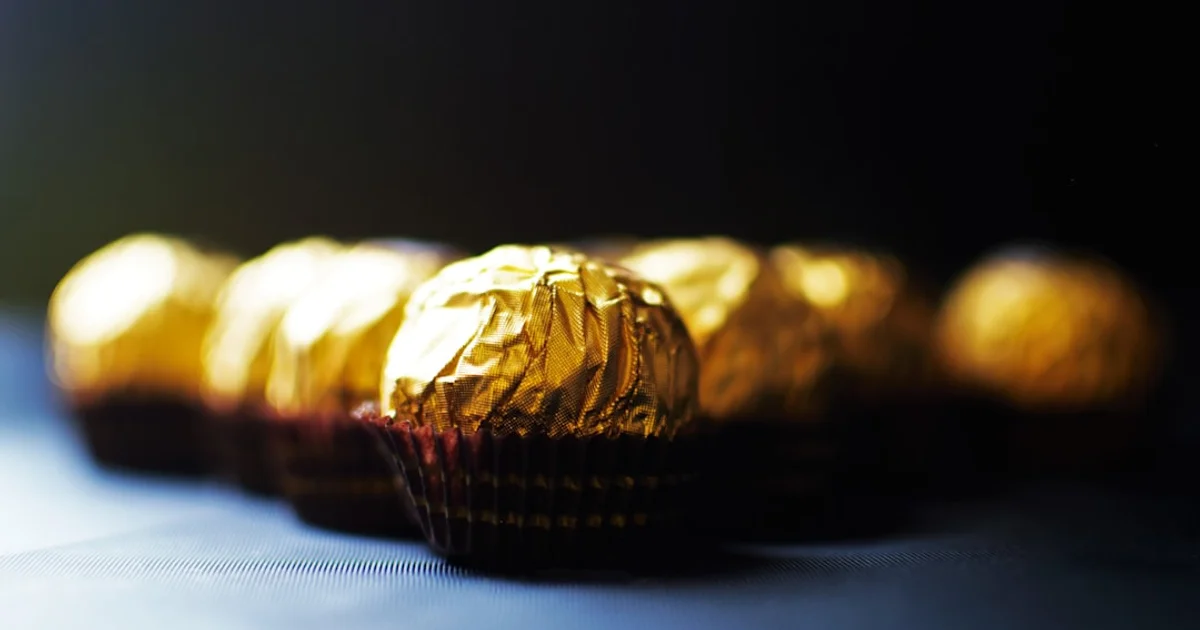
Halal Chocolate in Italy: Ferrero, Perugina and What to Check (2026)
Italy's biggest chocolate brands — Ferrero (Nutella, Rocher), Perugina (Baci), Kinder — carry no halal certification. E471 and dairy from uncertified supply chains are the main concerns. Here is the full guide.
Halal Chocolate in Belgium: Which Brands Are Safe? (2026)
Belgian chocolate is world-famous, but most major brands — Côte d'Or, Neuhaus, Godiva, Leonidas — carry no halal certification. Here is what Muslim consumers and tourists in Belgium need to check.
The Mushbooh Majority: Why Over a Third of Food Additives Have No Clear Halal Verdict
Analysis of the HalalCodeCheck database reveals that more than a third of food additives carry a Mushbooh status — not because they're unknown, but because their ruling depends on a source that labels don't disclose.
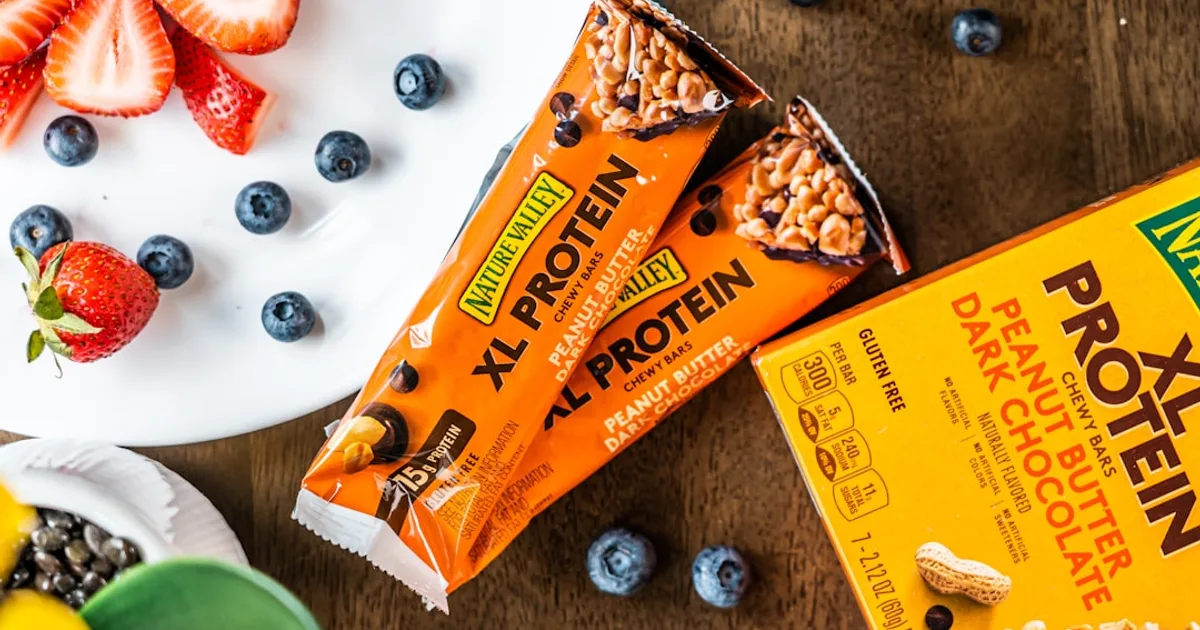
We Checked 50 UK Protein Bars: Every Halal Verdict (2026)
Gelatin, carmine, E471 from animal fat, and undisclosed alcohol-based flavourings appear across 50 UK protein bars. Full results table covering Grenade, Trek, Clif, Quest, Rxbar, Barebells and more.
The Supplement Capsule Halal Problem: Gelatin vs HPMC vs Pullulan (2026)
Most vitamin capsules use porcine gelatin — the cheapest shell material. Here's how to identify HPMC (vegetable) capsules on any label and which UK supplement brands use halal-safe capsules.
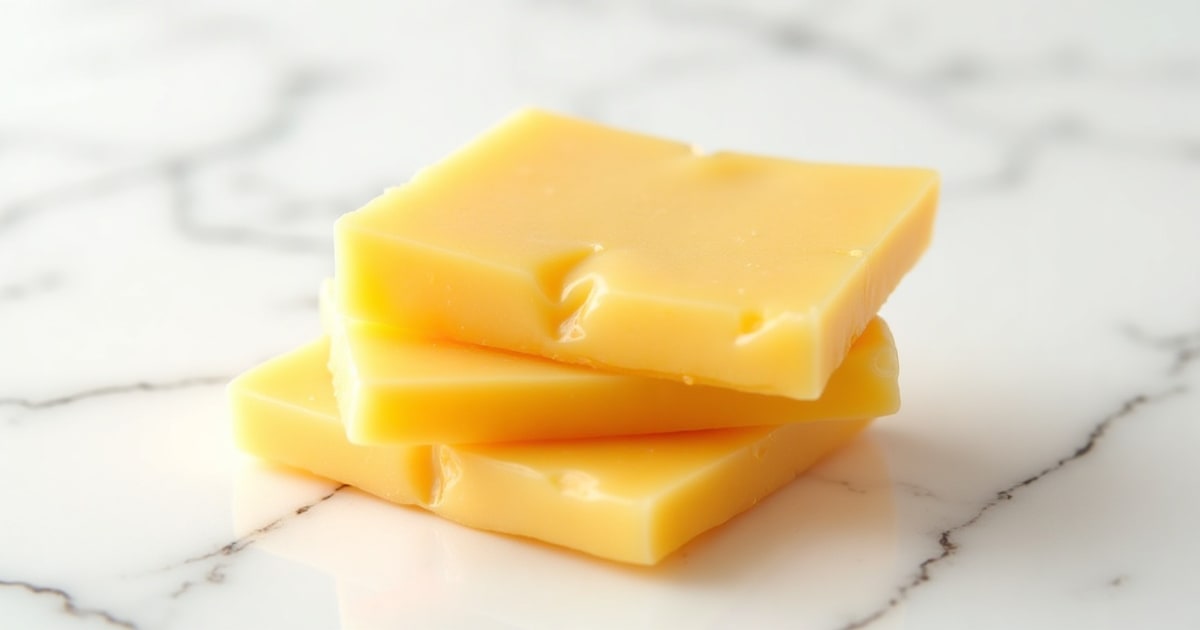
Is Processed Cheese Halal? Rennet, Emulsifying Salts and UK Brand Audit (2026)
Two separate issues: rennet source in the cheese itself, and emulsifying salts (E339, E450, E452) in processed slices. Dairylea, Kraft Singles, Philadelphia, Babybel — all checked.
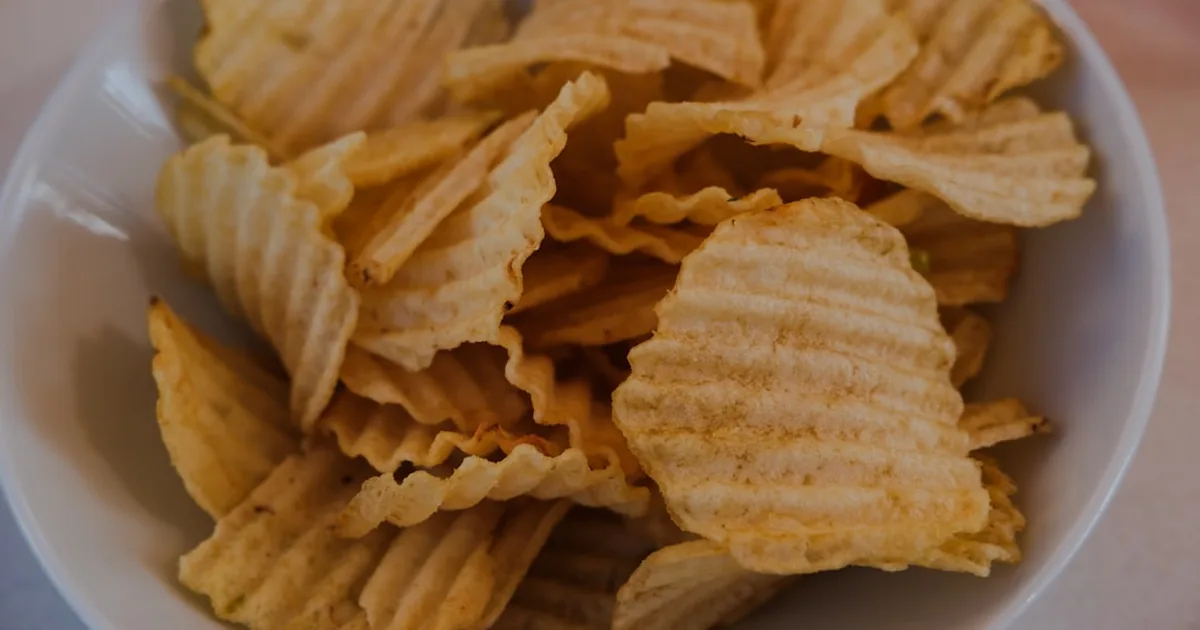
Is Pringles Halal? Every Flavour Checked by Region (2026)
Pringles Original is halal and vegan-labelled. Every flavoured UK variety we verified contains E621 with E627/E631 or E635 — but all carry vegetarian labels. Flavour-by-flavour table for UK, US and certified Gulf/Malaysian versions.
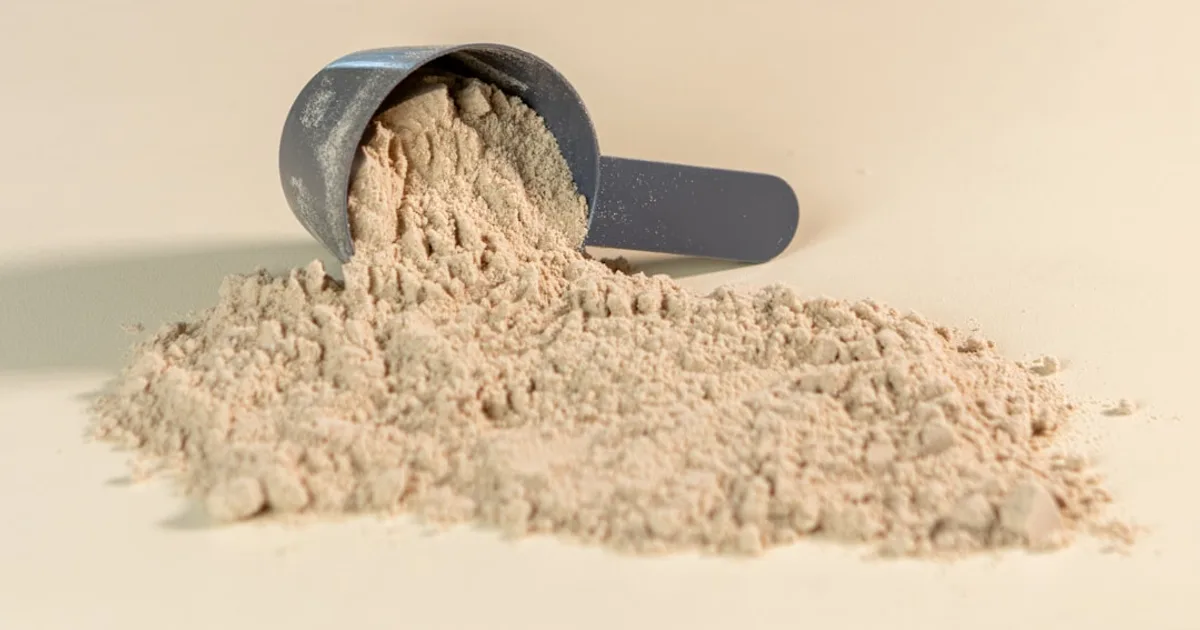
Halal Eating for Muslim Athletes: Protein, Pre-Workout & Recovery (2026)
Whey source, creatine origin, and BCAA derivation are three halal minefields for Muslim athletes. Global guide with practical checks for protein powder, pre-workout, and recovery supplements.
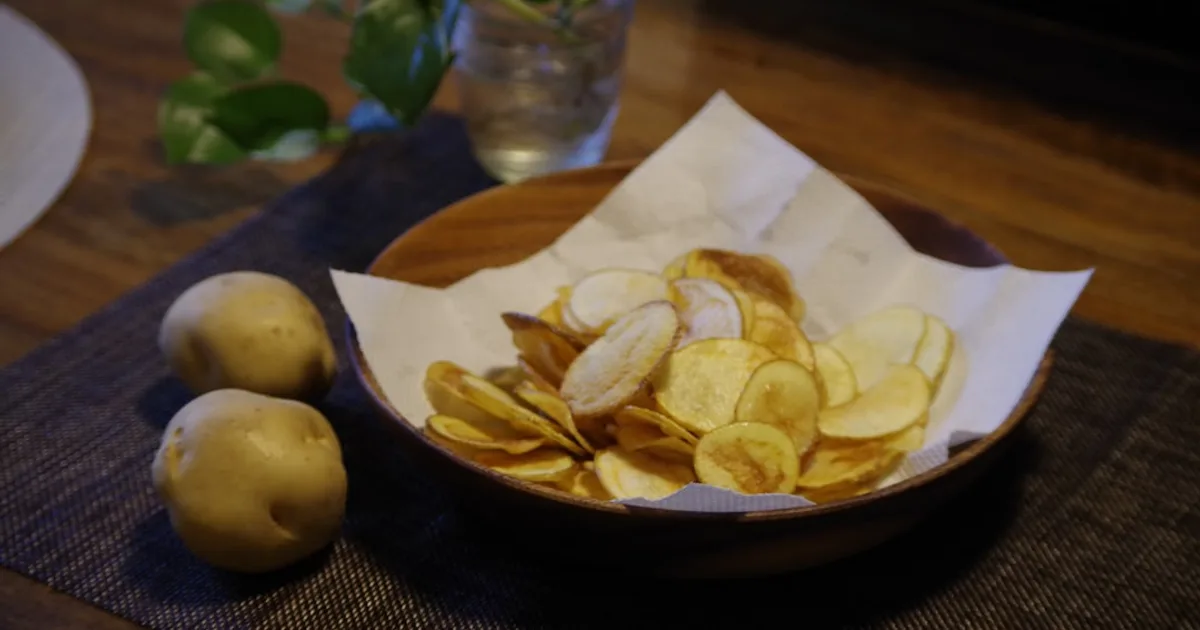
Which Crisp Flavours Are Haram? UK Brand-by-Brand Guide (2026)
We verified 30+ UK crisp flavours against current official labels. Fewer are haram than you think — Walkers is now enhancer-free, but flavoured Pringles still use E631/E635. Full brand guide: Walkers, Pringles, Tyrrells, Kettle, McCoy's.

UK Breakfast Cereals: Full Halal Audit (2026)
We checked every major UK breakfast cereal for vitamin D3, E471, and natural flavours. Weetabix, Kellogg's, Nestlé, Quaker and own-brand — full results table.
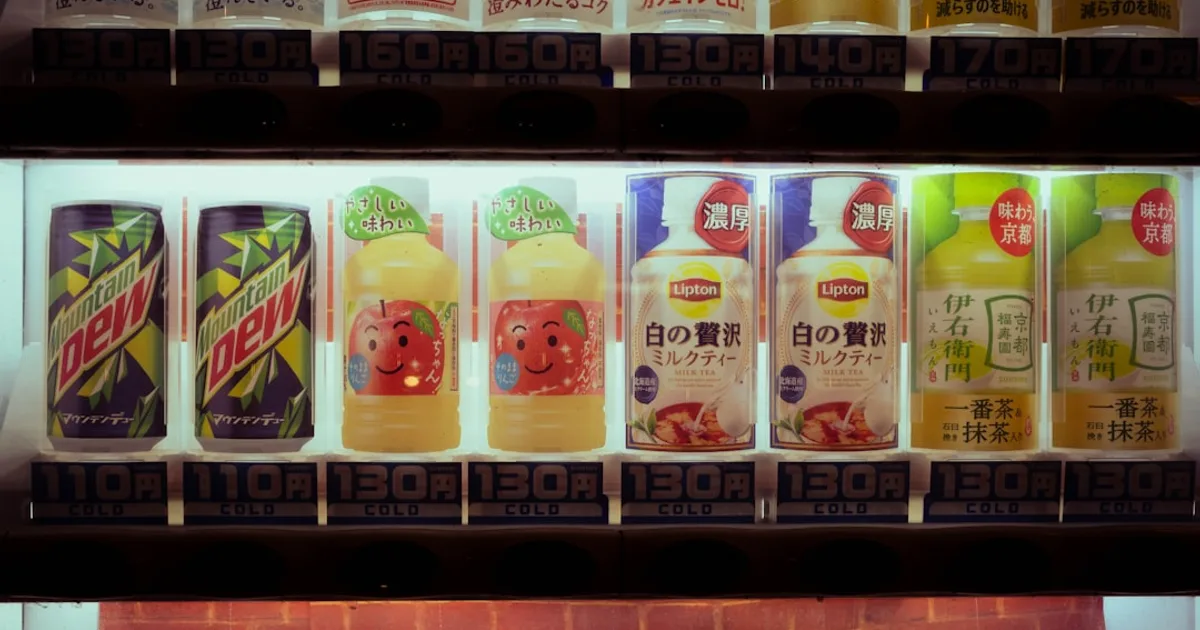
We Checked 30 UK Energy Drinks: Which Are Safe for Muslims? (2026)
Taurine is synthetic (halal). The real risks are carmine (E120) in coloured variants, and L-carnitine source in some formulas. Full audit of Red Bull, Monster, Prime, Ghost, Lucozade and more.
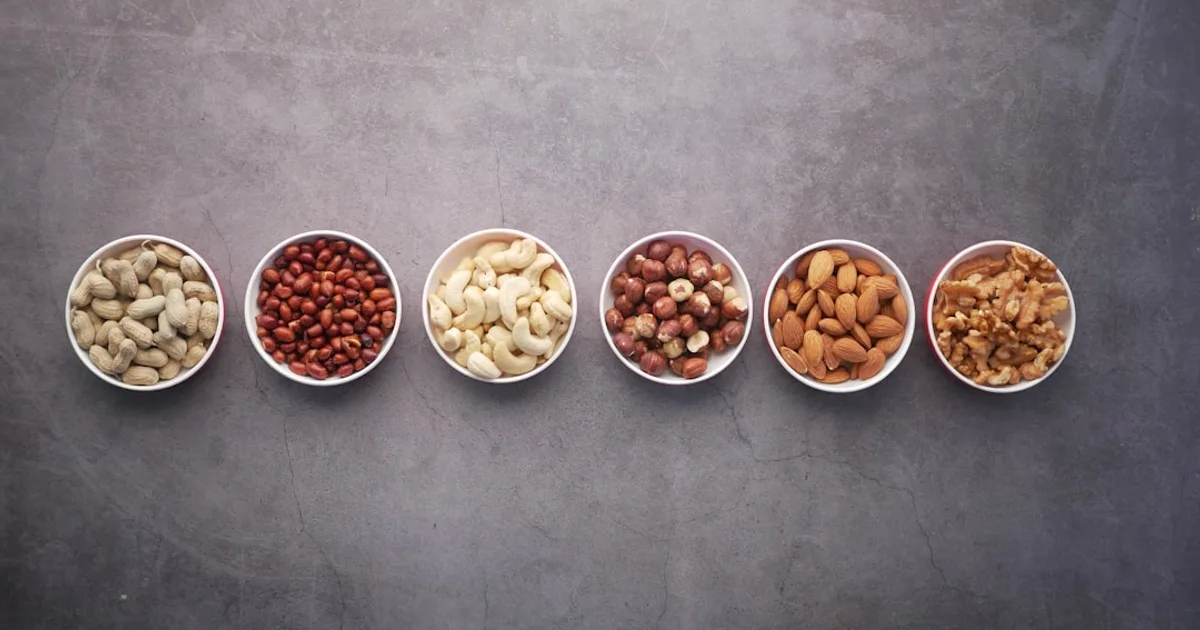
The Complete Guide to Halal Crisps and Savoury Snacks (2026)
Every snack category covered: potato crisps, Doritos, Pringles, popcorn, rice cakes, nuts and crackers. Brand verdicts across Walkers, Tyrells, Kettle, Doritos, Cheetos, Pringles, Popchips and more.
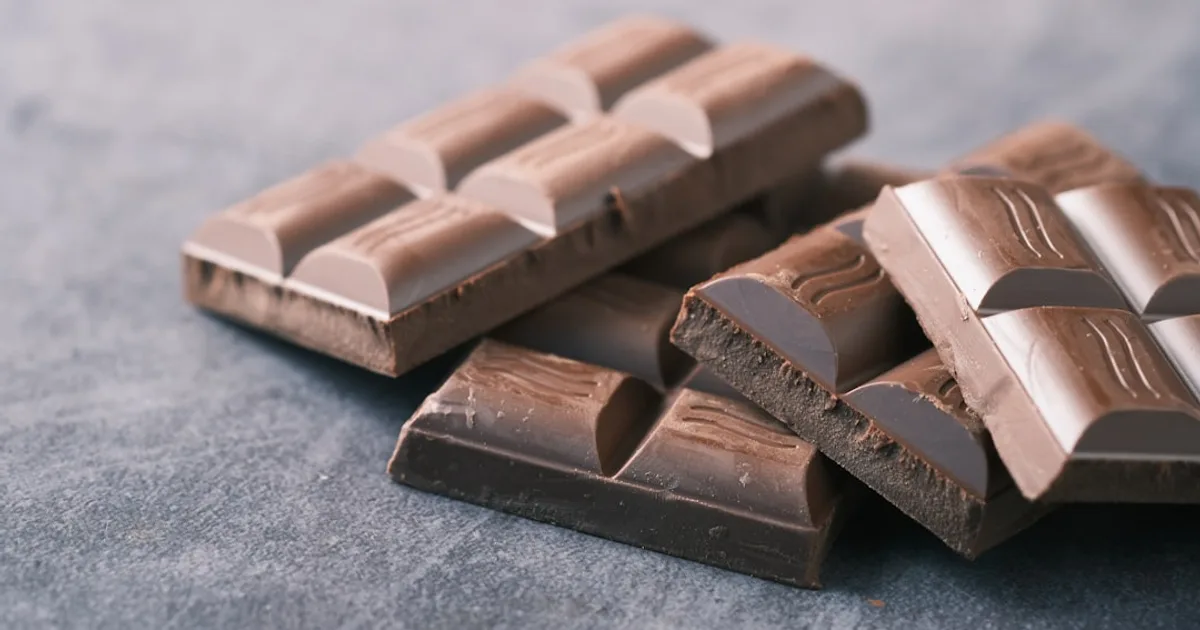
The Complete Guide to Halal Chocolate: Bars, Hot Chocolate, Baking and Spread (2026)
E476 (PGPR), E471, and vanilla extract with alcohol are the three chocolate concerns. Every format covered: chocolate bars, hot chocolate, baking, Nutella alternatives, and white chocolate.
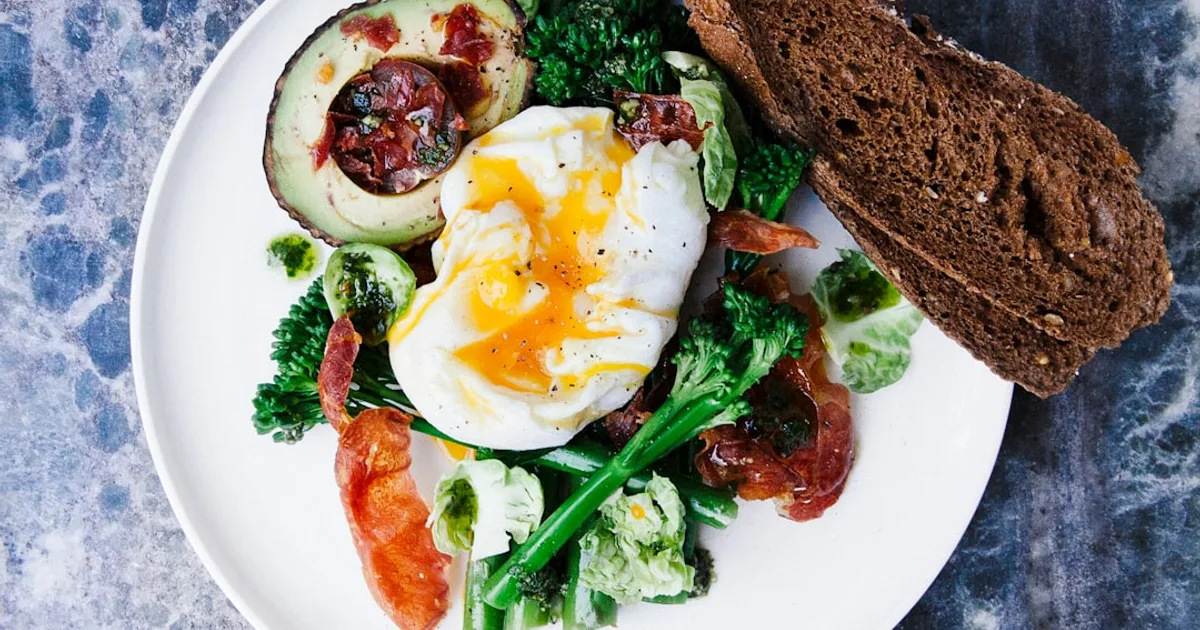
The Complete Guide to Halal Breakfast: Cereals, Bread, Eggs and More (2026)
The definitive halal breakfast resource. Every category covered: cereals (D3, E471), bread (E920, L-cysteine), spreads, eggs, yogurt, juice, and cooked breakfast — with brand-by-brand verdicts.
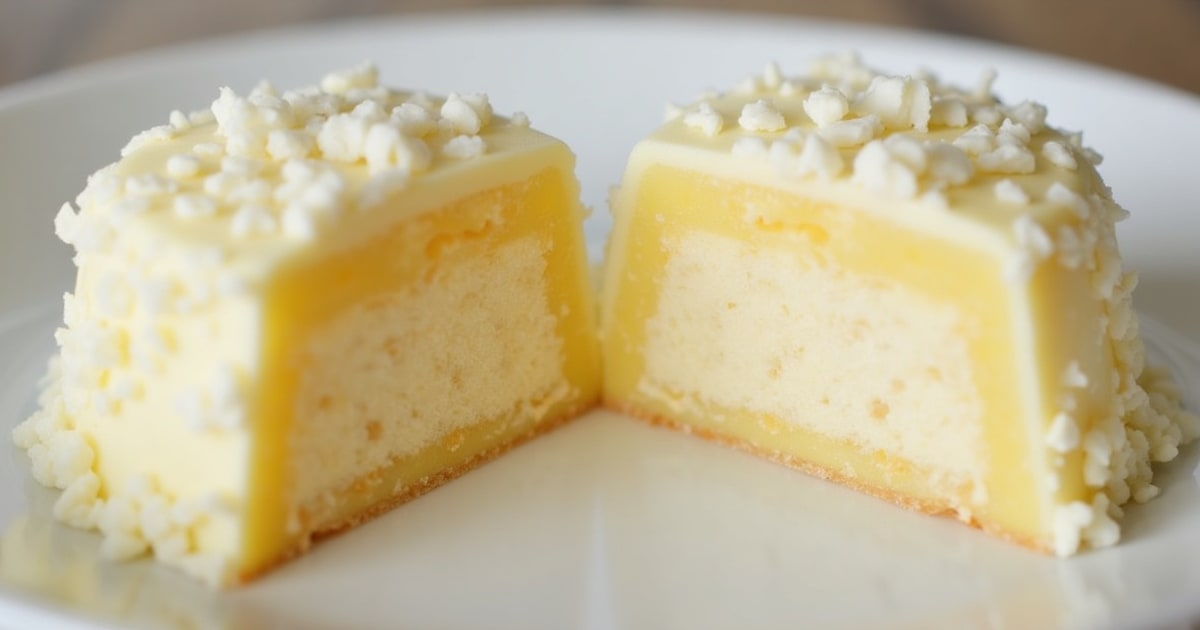
Is Raffaello Halal? Ferrero's Coconut Confection Checked (2026)
Raffaello contains no gelatine and no carmine, but it carries no HMC or HFA halal certification in the UK or Europe. Here is the full verdict and what the E-codes mean.
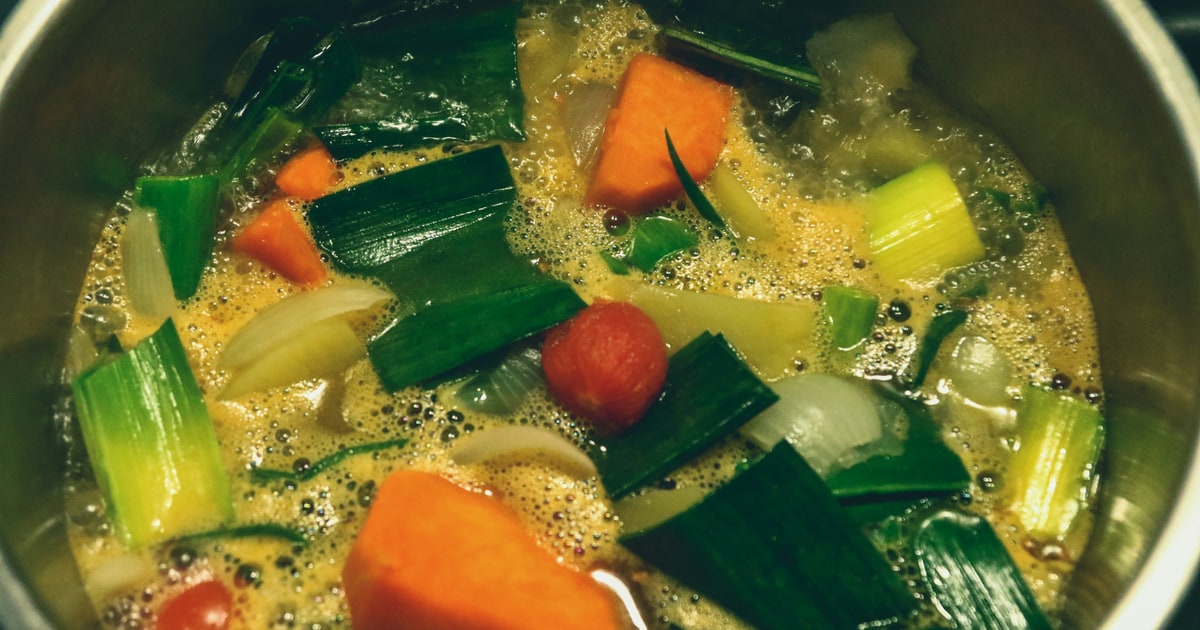
Is Knorr Halal? Bouillon Cubes, Stock Pots and E-Codes Checked (2026)
Knorr bouillon cubes contain E621, E627 and E631 — three flavour enhancers with Mushbooh status in uncertified products. Knorr Malaysia and Indonesia carry halal certification. UK products do not.
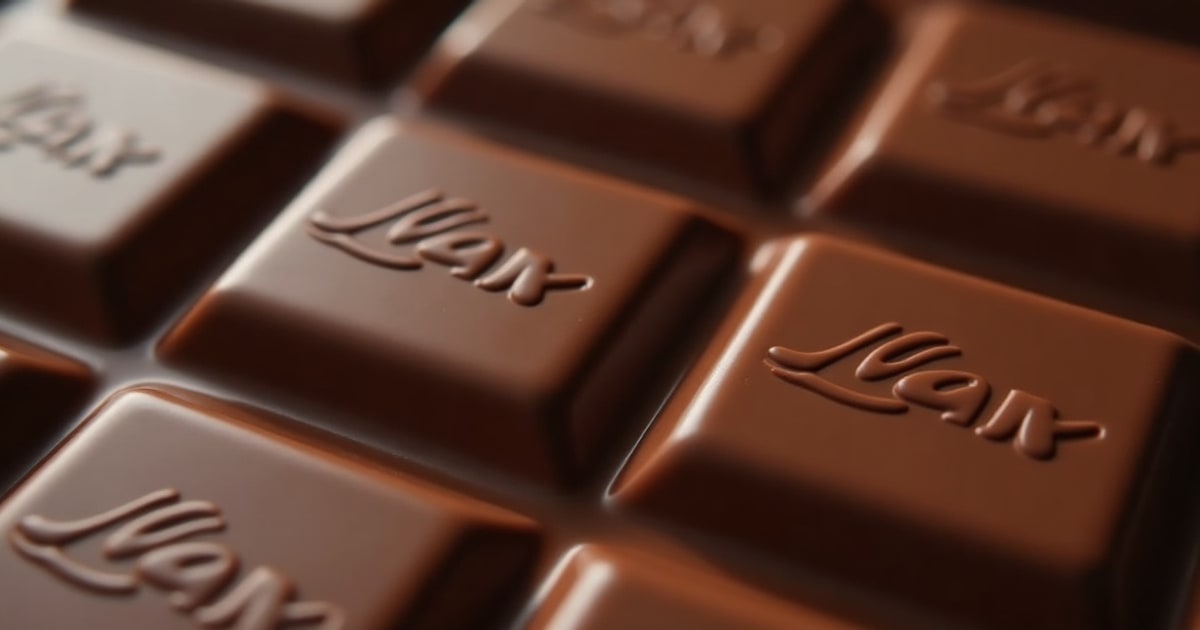
Halal Chocolate in Australia: Tim Tams, Cadbury and What to Actually Buy (2026)
Tim Tam, Kit Kat and Darrell Lea carry no AFIC halal certification. Cadbury Australia is the exception: it publishes a 43-product list certified by Halal Certification Authority Australia. Here is what Australian Muslims actually buy and where to find it.
Which Foods Contain E471? A Category-by-Category Halal Guide (2026)
E471 turns up in chocolate, biscuits, bread, ice cream, spreads, instant noodles and protein bars. Here is a category-by-category breakdown of where it hides and which certified alternatives exist.
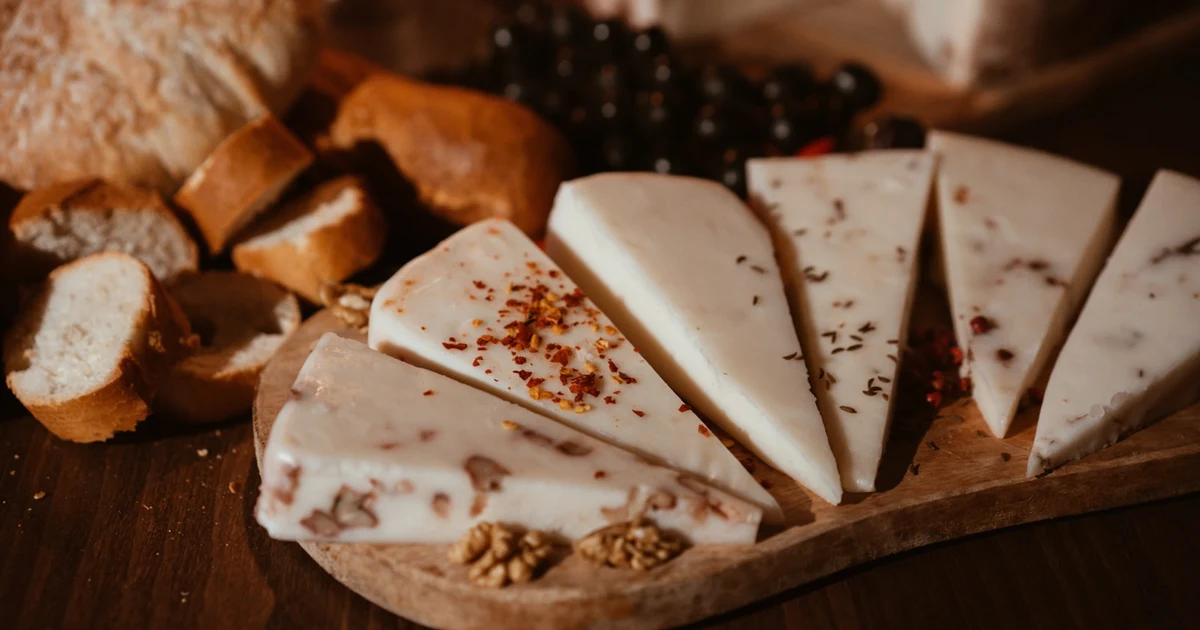
Is Cheese Halal? Animal Rennet, Microbial Rennet and What to Check (2026)
The halal status of cheese depends on the rennet used to set it. Microbial or vegetarian rennet is halal; animal rennet from non-zabiha cattle is Mushbooh. Here is how to check.
Halal Protein Powder and Supplements in Sweden: What to Buy (2026)
Gainomax, MyProtein and Optimum Nutrition are popular in Sweden but none hold halal certification for the Swedish market. Here is what to check — and which options Swedish Muslims actually use.
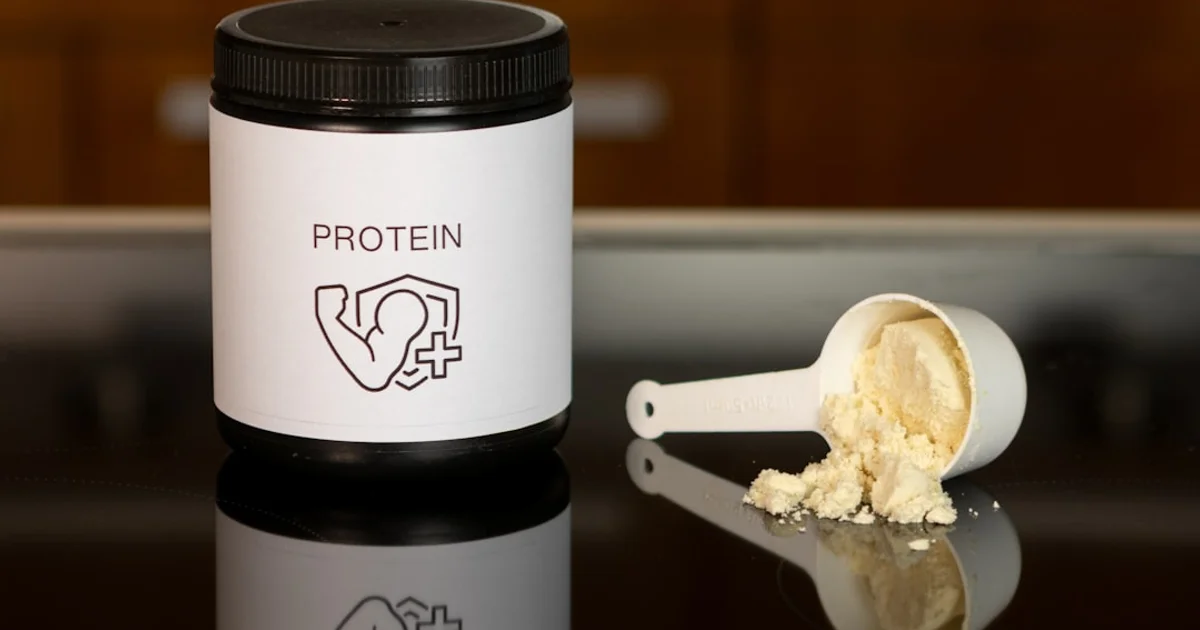
Halal Protein Powder and Supplements in Indonesia: MUI Guide (2026)
Protein supplements in Indonesia must carry MUI certification. Here is which brands are MUI-certified, what to watch for in imported supplements, and how to read the label.
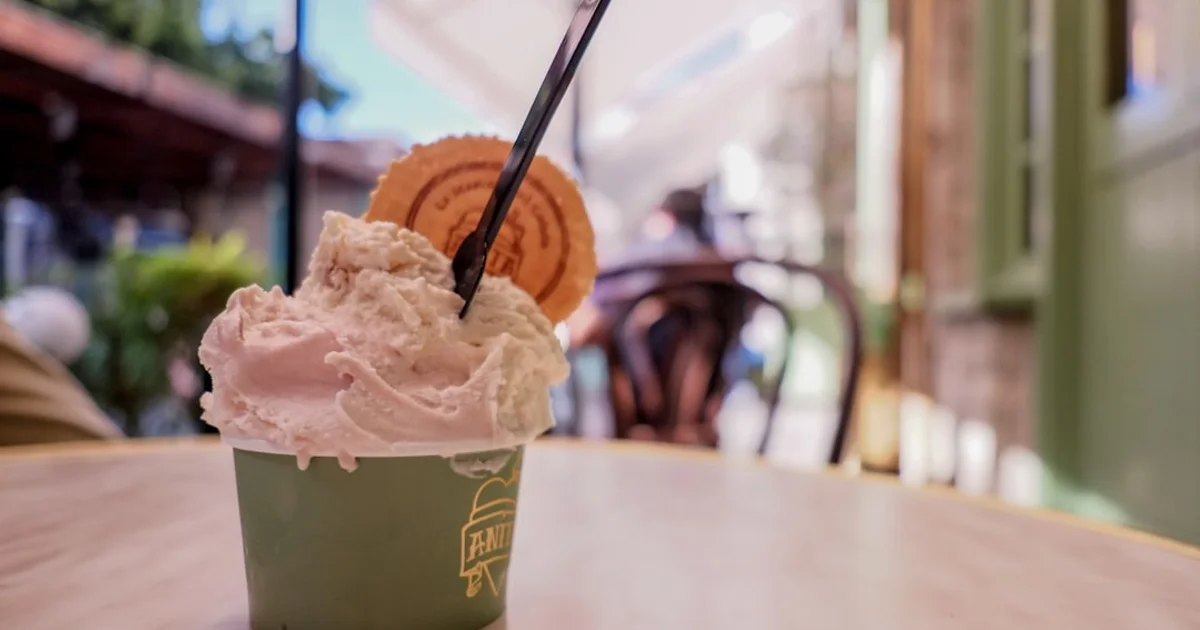
Halal Ice Cream and Dairy in Italy: Gelato, Algida and What to Know (2026)
Most Italian packaged ice cream (Algida/Walls, Galbani) is not halal-certified. Artisan gelato varies. Here is what Italian Muslims and tourists check when buying frozen desserts and dairy.
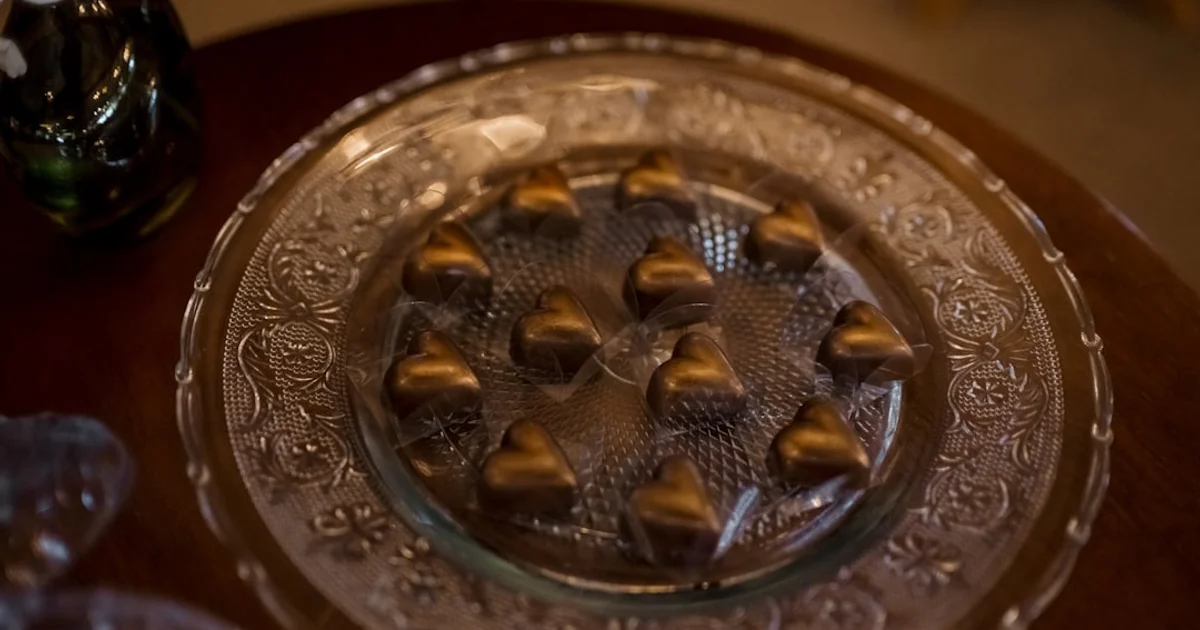
Halal Chocolate in Sweden: Marabou, Daim and What to Buy (2026)
Marabou, Daim and Aladdin are Swedish household names but none are halal-certified. Here is what Swedish Muslims actually buy and which imported options are safe.
Halal Chocolate in Austria: Which Brands Are Safe? (2026)
Most Austrian chocolate (Manner, Milka, Ritter Sport) is not halal-certified and contains E471. Here is what to look for and which alternatives Austrian Muslims actually buy.
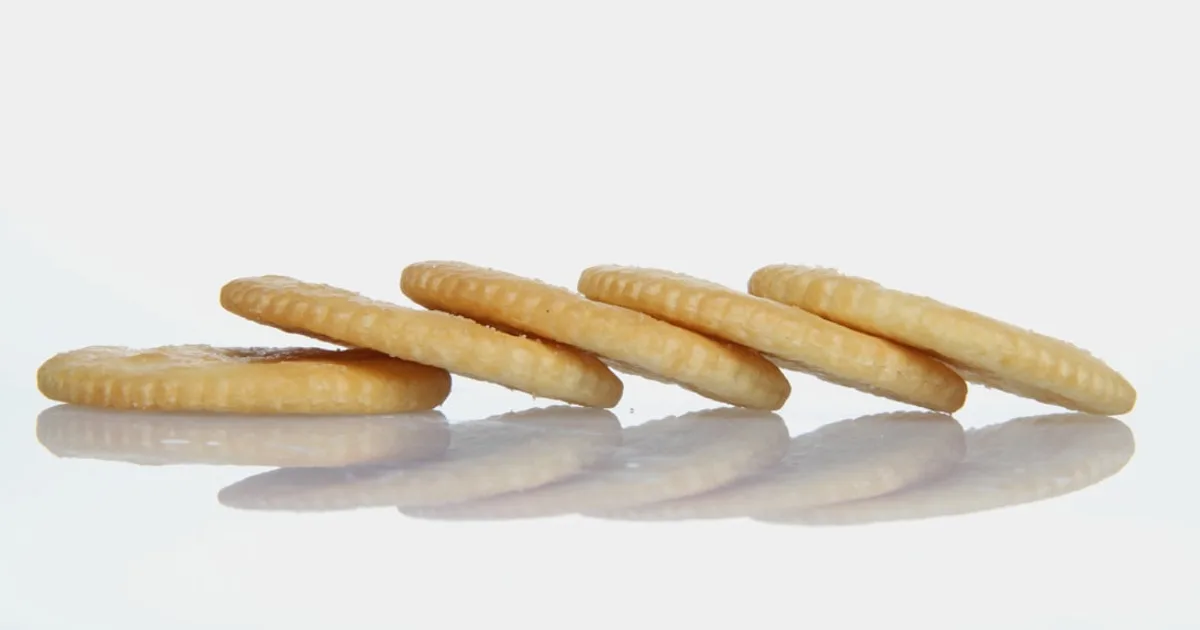
Is Ritz Crackers Halal? Nabisco Ingredients Checked (2026)
Ritz Original Crackers are Mushbooh — they contain E471 (mono and diglycerides) with no animal source disclosure and no halal certification.
Is Milka Chocolate Halal? Complete EU & UK Guide (2026)
Milka chocolate is Mushbooh — it contains E476 (PGPR) and E471 with undisclosed animal fat sources and no halal certification in UK or EU.
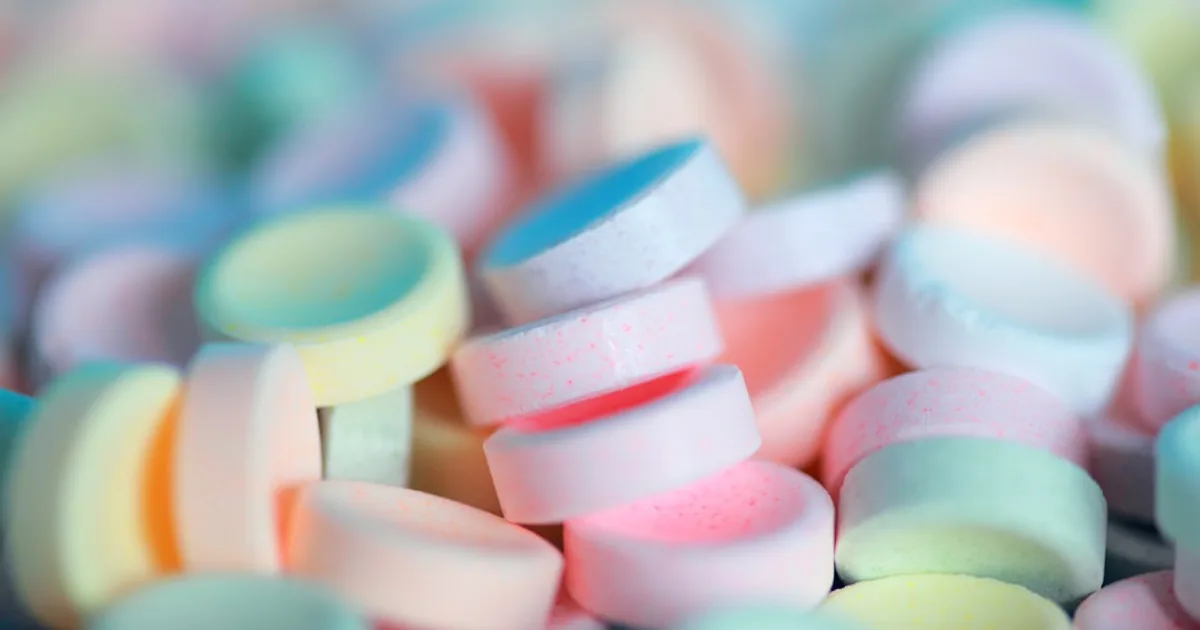
Are Mentos Halal? Every Variety Checked (Rainbow, Mint, Fruit)
Chewy Mentos rolls contain undisclosed gelatine — Mushbooh in UK/EU. Hard mints are gelatine-free but uncertified. Malaysian JAKIM-certified Mentos is halal.
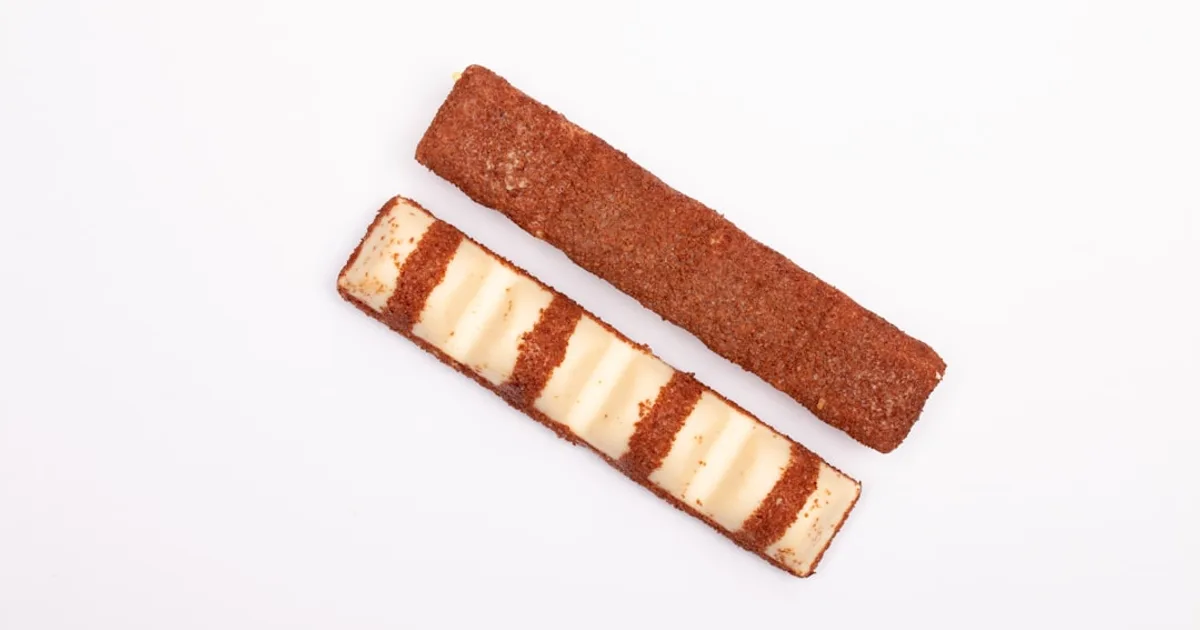
Is Biscolata Halal? Turkish Chocolate Brand Ingredients Checked
Biscolata is Mushbooh — the Turkish chocolate biscuit brand uses E471 with no halal certification for export markets, though Turkish production may meet local standards.
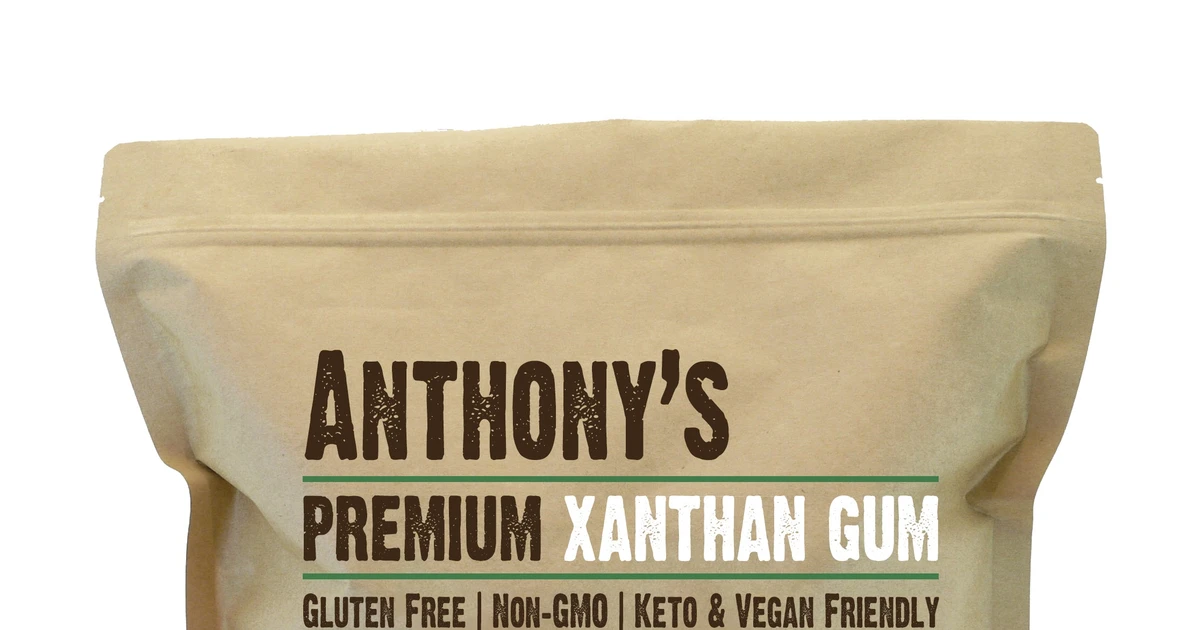
Halal Xanthan Gum for Baking — Which Brand to Buy
Xanthan gum (E415) is produced by bacterial fermentation — halal by default, but the growth medium matters. Here are the best halal-verified xanthan gum brands.
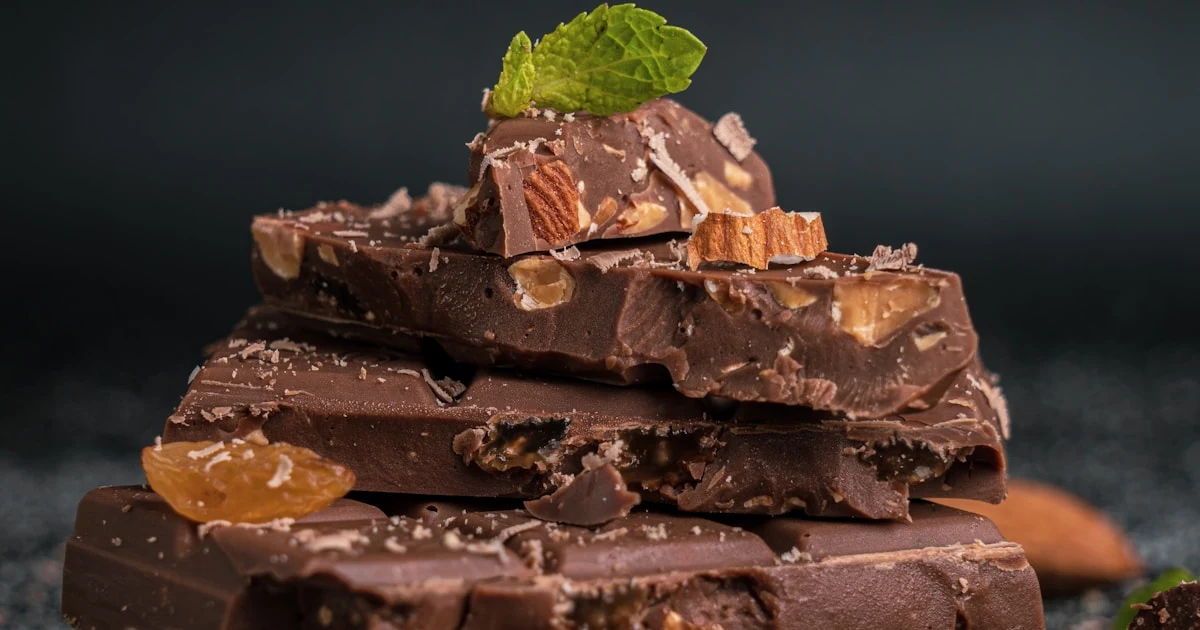
Best Halal Chocolate 2026 — Certified Bars, Dark Picks & Brand Verdicts
Which chocolate is halal? Certified picks (Ülker, Damak, Whittaker's, Firetree, Marou), halal dark chocolate, and verdicts on Hershey's, Lindt, Cadbury, Godiva — US & UK.
Haram E-Numbers to Avoid: The Complete Reference List (2026)
There is no single haram E-number list — status depends on source. But a specific set are either always haram (E120, E441, E542) or high-risk Mushbooh you should verify. Here is the full reference.
Is E471 in Baby Food Safe? What Muslim Parents Need to Know (2026)
E471 (mono- and diglycerides) appears in baby rusks, formula, and cereals. Source is rarely disclosed. This guide explains the halal status and which UK brands contain it.
Halal Baby & Kids Food: Formula, Weaning, and E Numbers to Avoid (2026)
Muslim parents' complete guide to halal baby formula, weaning foods, and E numbers to check. Aptamil, Kendamil, Ella's Kitchen, and more — assessed and explained.
E Numbers to Avoid for Children: Haram, Harmful and Questionable Additives (2026)
The E numbers children should avoid span two concerns: those that are haram and those with documented health effects. This guide covers both with a full list for parents.
E Numbers in Vitamins and Supplements: What Every Muslim Shopper Needs to Check (2026)
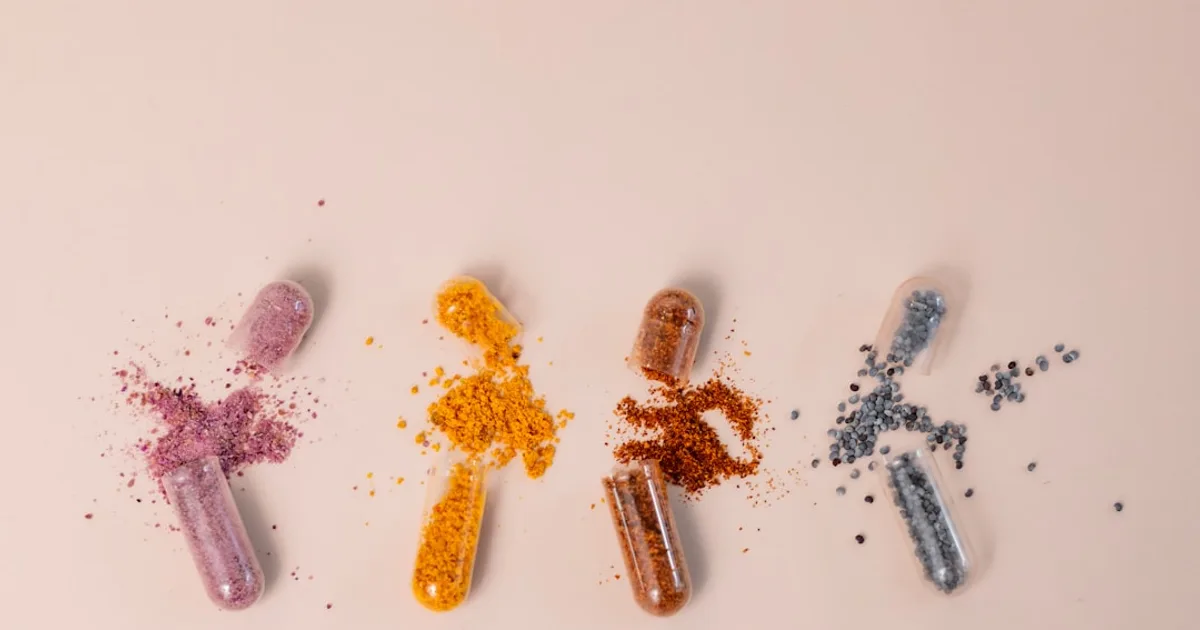
You check E numbers in food. Most Muslims never check their vitamins. This guide covers E470b, E471, E904, E120, and E441 as they appear in tablets and capsules.
Is Margarine Halal? E471, Animal Fats & UK Brands Checked (2026)
Margarine is Mushbooh — it contains E471 (mono and diglycerides) whose animal or plant source is often not declared. Flora, Stork, Lurpak, Vitalite — each brand checked.
E500 (Sodium Bicarbonate): Is Baking Soda Halal? Yes — Here's Why (2026)
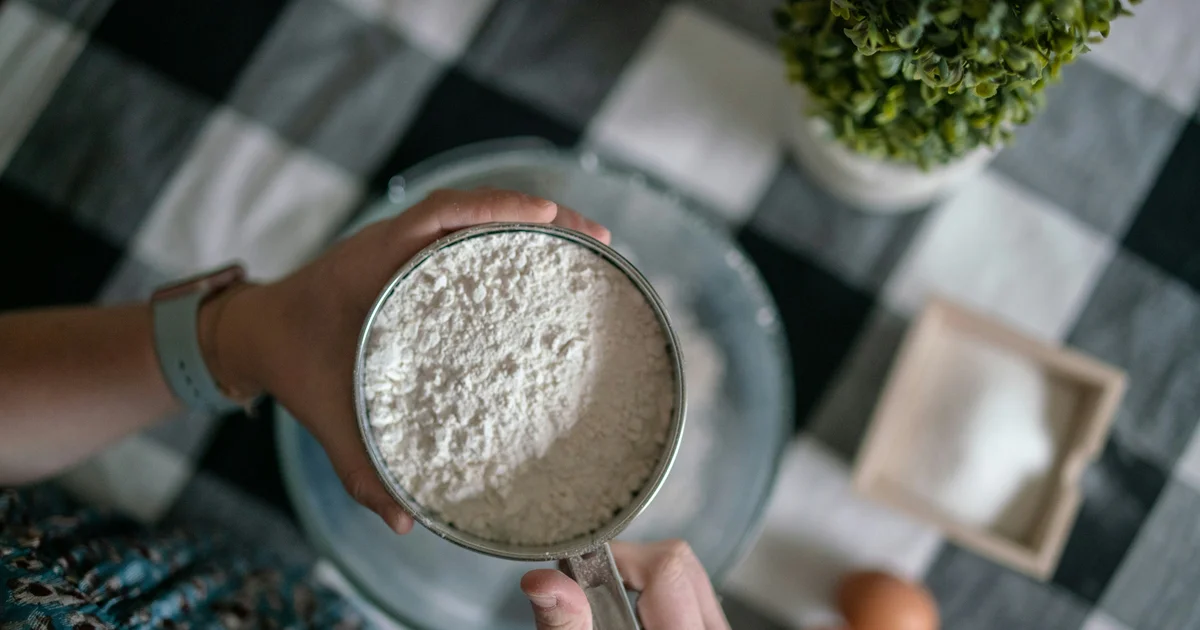
E500 (sodium bicarbonate / baking soda) is Halal. It's an inorganic mineral compound with no animal origin. E503 (ammonium carbonate) and E541 are also halal.
E330 (Citric Acid): Halal, Haram or Mushbooh? The Clear Answer (2026)
E330 (citric acid) is Halal — produced by fermenting glucose or sucrose. No animal involvement. E300 (Vitamin C / Ascorbic Acid) is also Halal. Clear answer for both.
E270 (Lactic Acid): Halal or Mushbooh? The Source Is Everything (2026)
E270 (lactic acid) is Mushbooh — it can come from dairy fermentation or plant fermentation. The source determines halal status, and labels don't always say which.
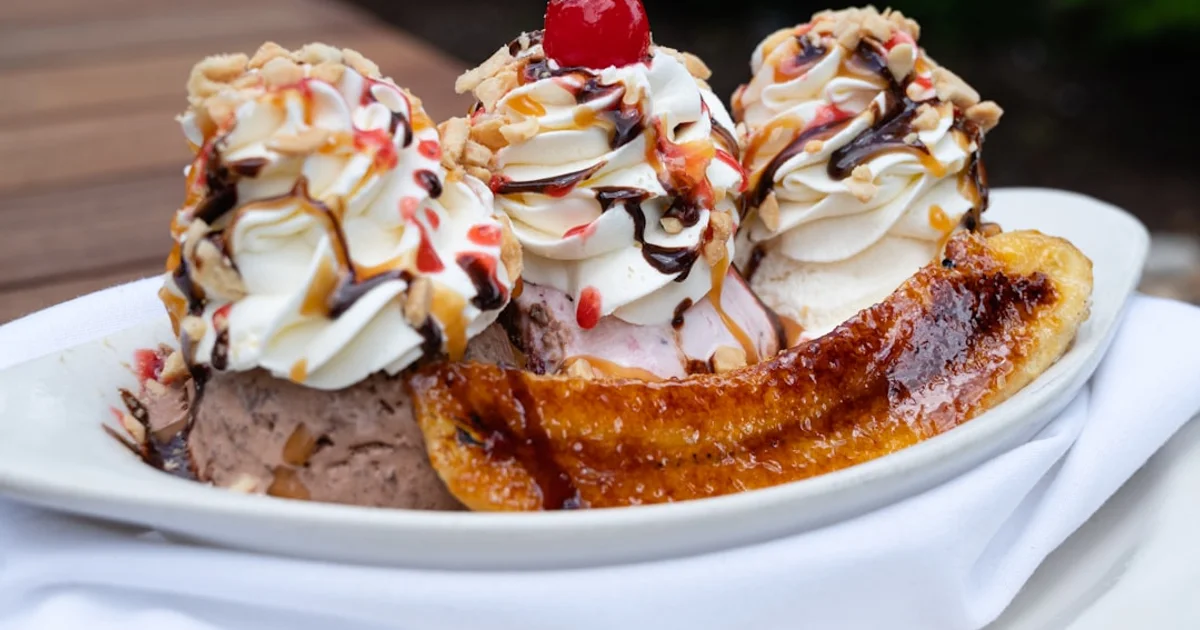
Is Ben & Jerry's Ice Cream Halal? Every Flavour Checked (2026)
Ben & Jerry's is Mushbooh — no halal certification in any market, E471 in every flavour from an undisclosed source. Full flavour-by-flavour breakdown and halal alternatives.
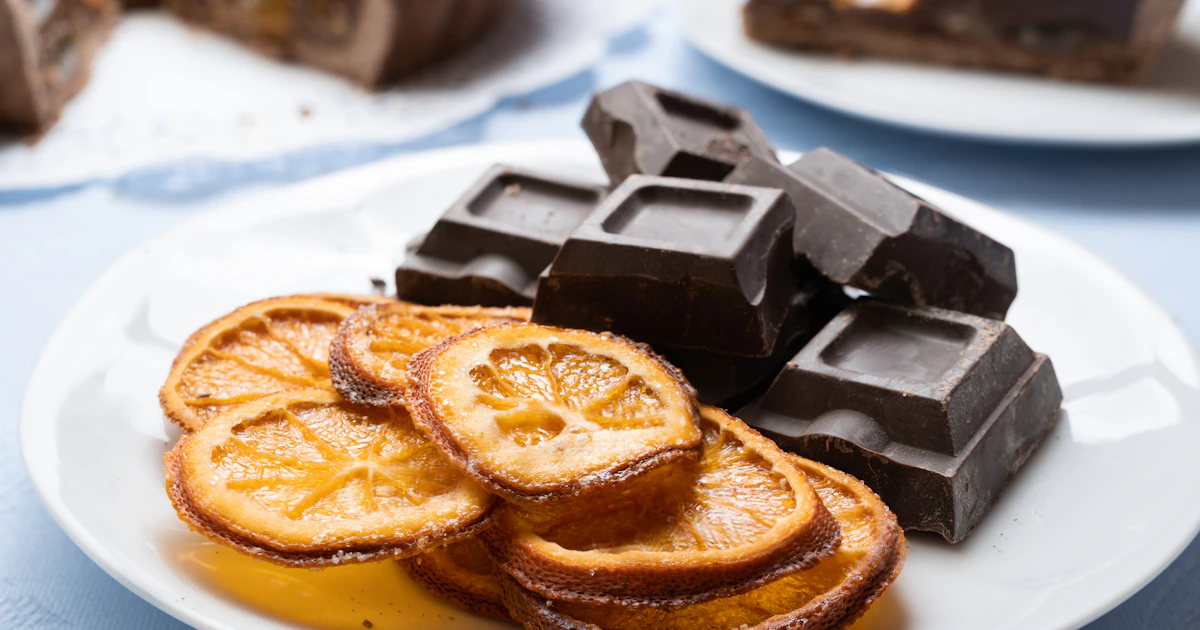
Is Terry's Chocolate Orange Halal? Ingredients Checked
Terry's Chocolate Orange is Mushbooh — it contains E476 (PGPR) with undisclosed glycerol source. No halal certification. The Dark version has the same concern.
E951 Aspartame: Is It Halal? Diet Coke, Sugar-Free & More (2026)
E951 aspartame is halal — it's a synthetic amino acid sweetener with no animal derivatives. But check the capsule carrier in supplement form.
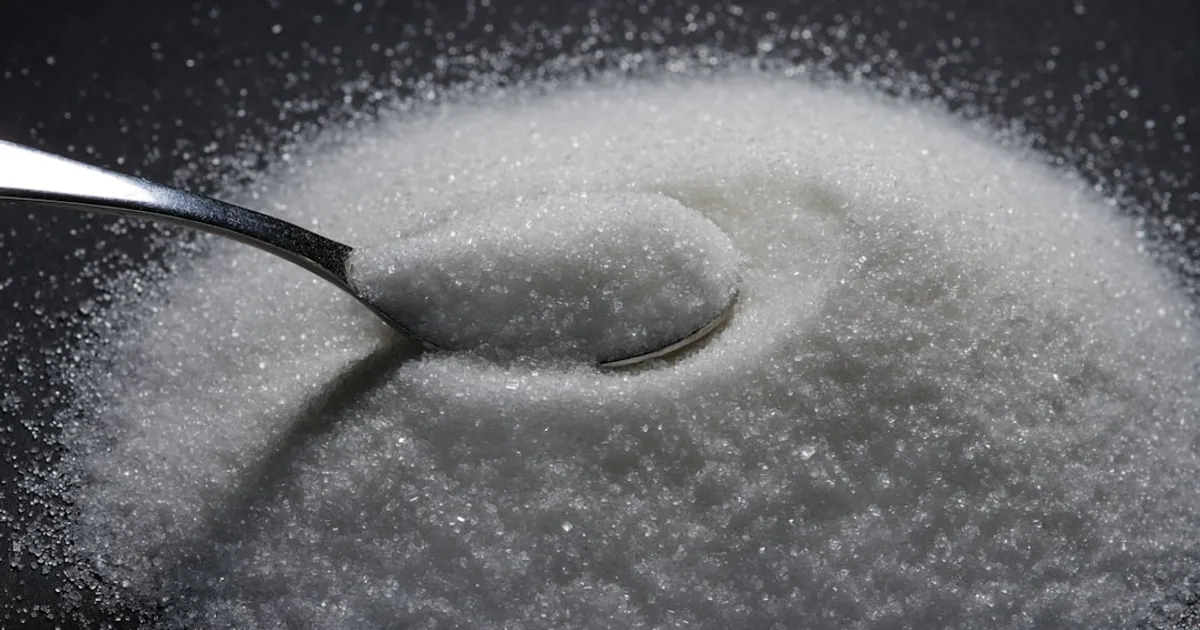
E950 Acesulfame K: Halal, Haram or Mushbooh? Complete Guide
E950 Acesulfame K is halal — it's a synthetic sweetener with no animal-derived ingredients. Found in energy drinks, diet foods, and sugar-free gum.
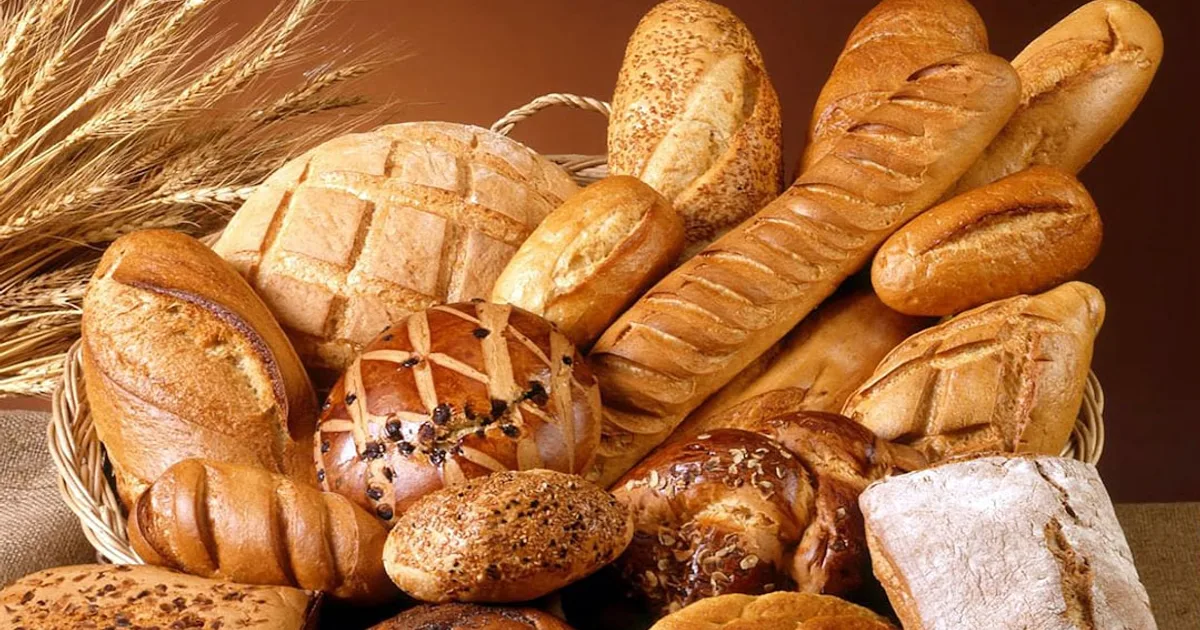
E481 (Sodium Stearoyl Lactylate): Why Your Bread May Be Mushbooh
E481 SSL is Mushbooh — the stearic acid in this bread emulsifier may come from animal fat. No disclosure on most UK bread labels.
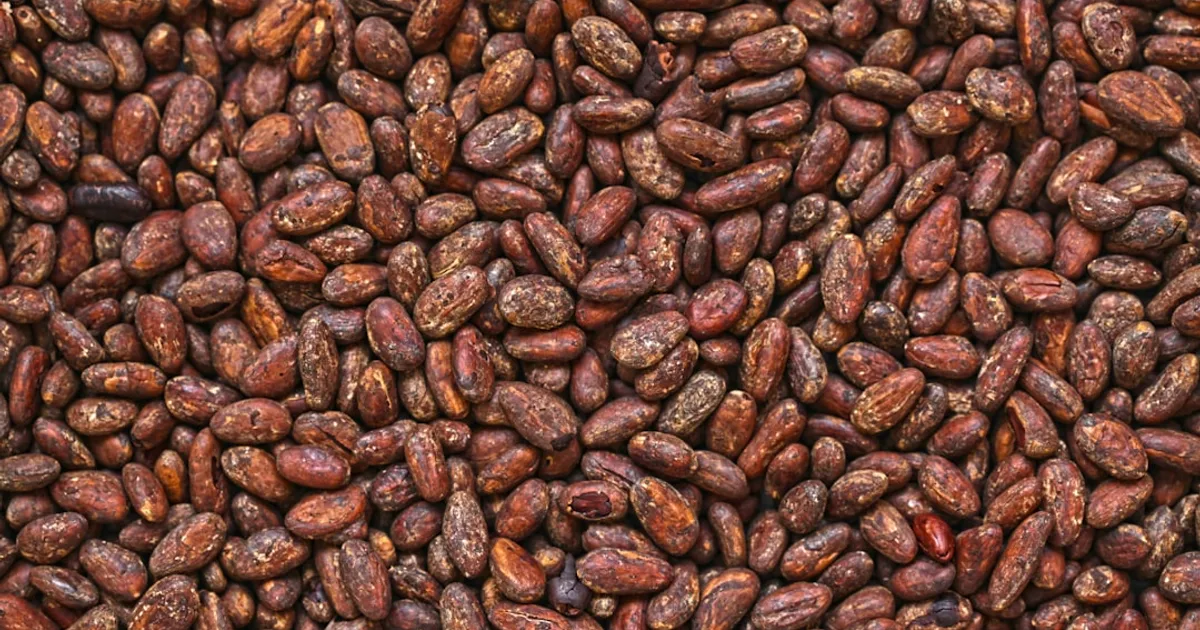
E476 (PGPR): Is It Halal? The Chocolate Emulsifier Guide (2026)
E476 (PGPR) is Mushbooh — made from castor oil and glycerol that may be animal-derived. Here's what every halal-conscious chocolate buyer needs to know.
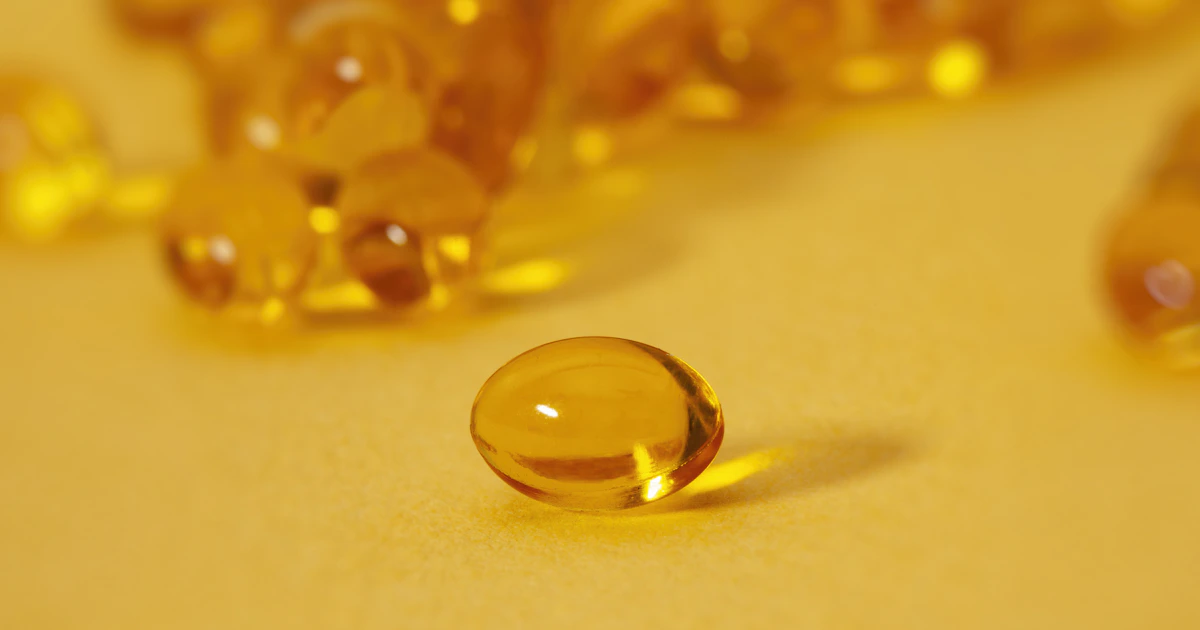
E470b Magnesium Stearate: The Supplement Ingredient You Need to Check
E470b magnesium stearate is Mushbooh — the stearic acid component can be animal-derived (often pork). Critical check for supplement capsules.
E450 Diphosphates: The Processed Food Additive Most People Miss
E450 diphosphates are halal — they're mineral-derived phosphate salts with no animal components. Found widely in processed meats and baking powder.
E339 Sodium Phosphates: Halal Guide for Processed Cheese & Meats
E339 sodium phosphates are halal — mineral salts with no animal derivatives. The concern is what they're found IN, not what they're made from.
E322 Lecithin: Soy vs Sunflower — Which Is Halal?
E322 lecithin is usually halal — most is soy or sunflower-derived. Egg lecithin and animal-derived variants exist but are rare. Here's how to tell.
E1442 Hydroxypropyl Distarch Phosphate: Halal Guide (Chips & Sauces)
E1442 is halal — it's a chemically modified starch from corn, potato or tapioca. No animal derivatives. Found in chips, sauces, and frozen foods.
E133 Brilliant Blue FCF: Is This Food Dye Halal?
E133 Brilliant Blue FCF is halal — it's a synthetic petroleum-derived food dye with no animal components. But check what it's used in.
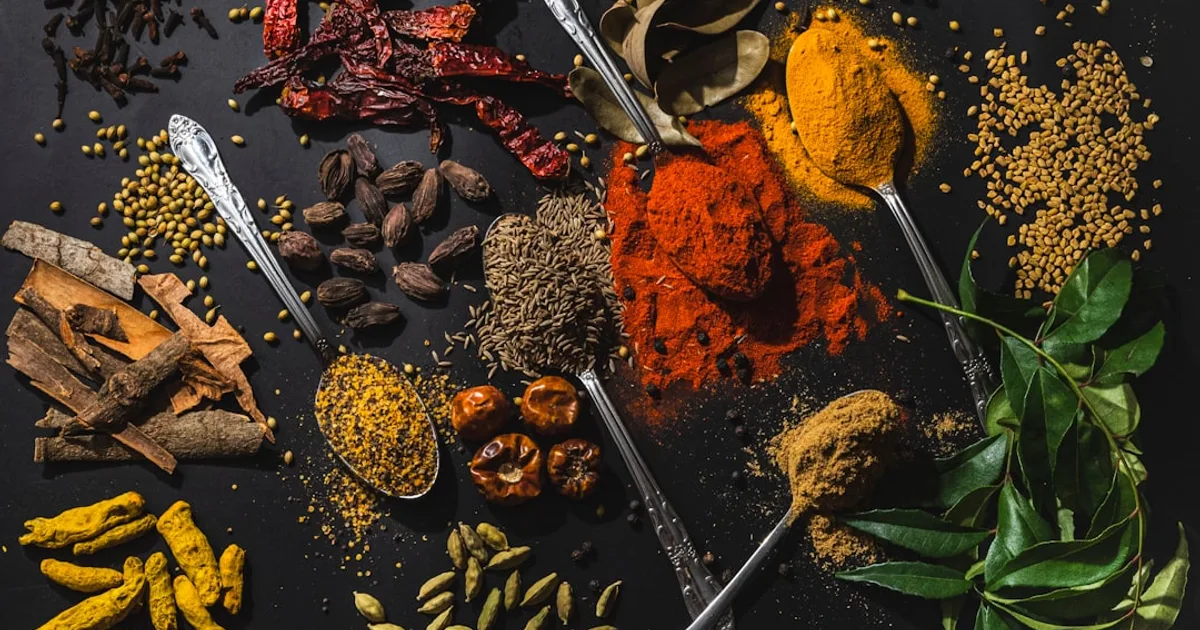
Halal Food in Pakistan: Label Reading & Brand Trust Guide (2026)
Pakistan is a majority-Muslim country with mandatory halal standards — but imported brands, unlabelled products, and certification gaps still create real consumer questions.
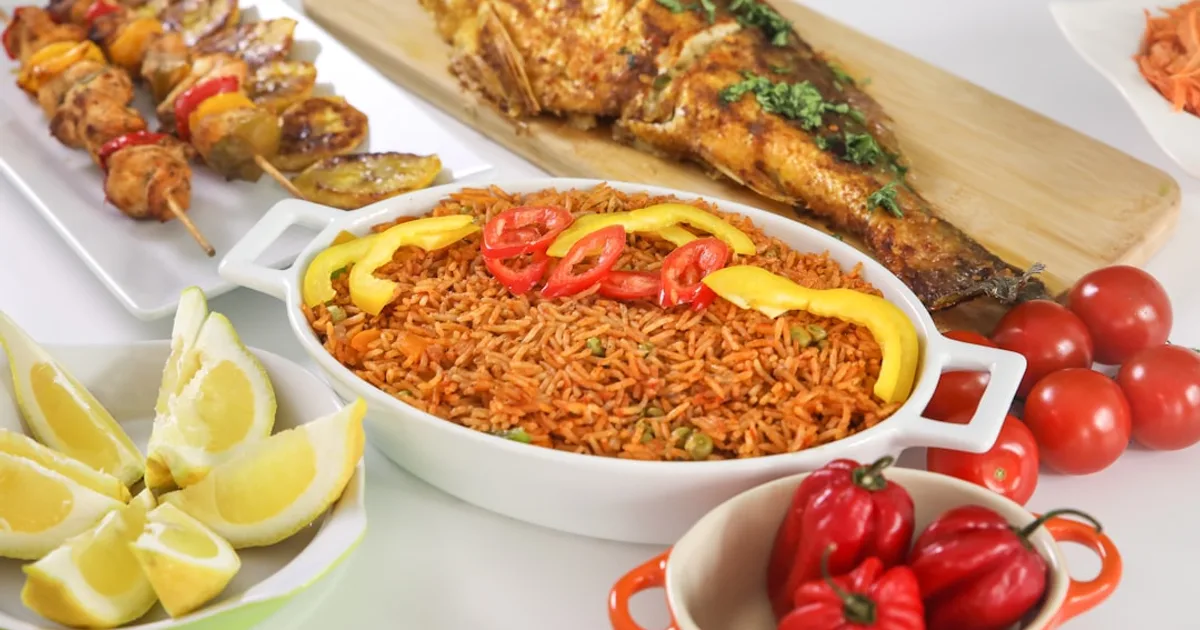
Halal Food in Nigeria: Lagos, Kano & Supermarket Guide (2026)
Nigeria has 90+ million Muslims — halal food access varies dramatically between the Muslim-majority north and Lagos. Here's the practical consumer guide.
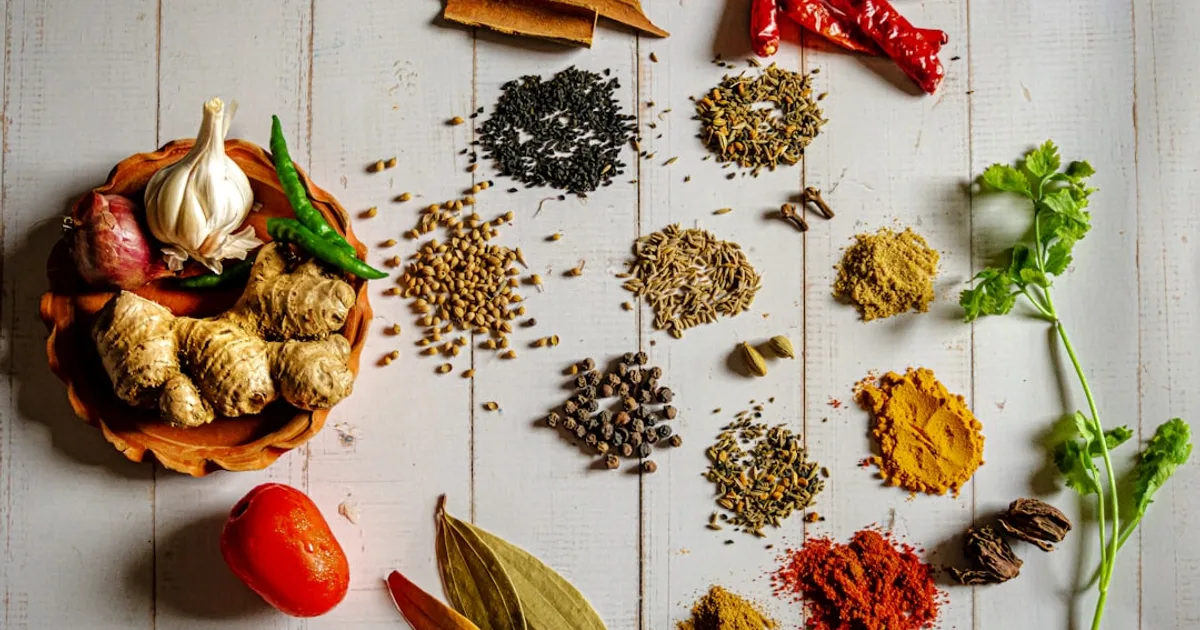
Halal Food in Bangladesh: What Labels & Brands Are Safe?
Bangladesh is 90% Muslim with strong halal food culture — but imported snacks, E-codes, and global fast-food chains create new challenges for label-conscious consumers.
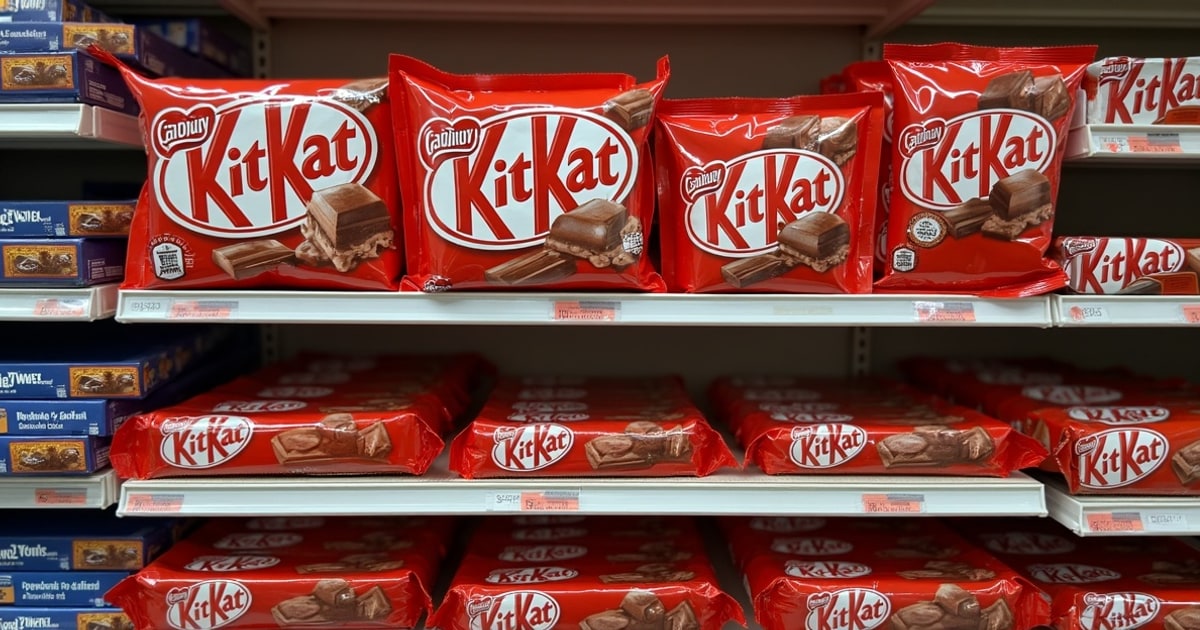
E442 (Ammonium Phosphatides): Halal or Haram? Used in Chocolate (2026)
Is E442 (ammonium phosphatides) halal or haram? It is Mushbooh. Usually rapeseed oil (halal), but the glycerol component may be animal-derived. How to check at the supermarket.
E420 Sorbitol: Is It Halal? Sugar-Free Sweets, Gum & Dried Fruit (2026)
Is sorbitol (E420) halal? Yes — it is a plant-derived sugar alcohol and halal. This guide explains why, which products contain it, and the 'sugar alcohol' confusion explained.

Halal Wedding Food Checklist 2026: What Caterers and Guests Must Know
Everything to check at a Muslim wedding — from catering requirements and meat sourcing to E-codes in the wedding cake and buffet. A practical guide for hosts and guests.
Understanding E-Numbers: A Beginner's Guide for Muslim Shoppers
New to checking E-numbers? This beginner's guide explains what E-numbers are, how they are categorised, and which ones Muslim consumers need to watch out for.
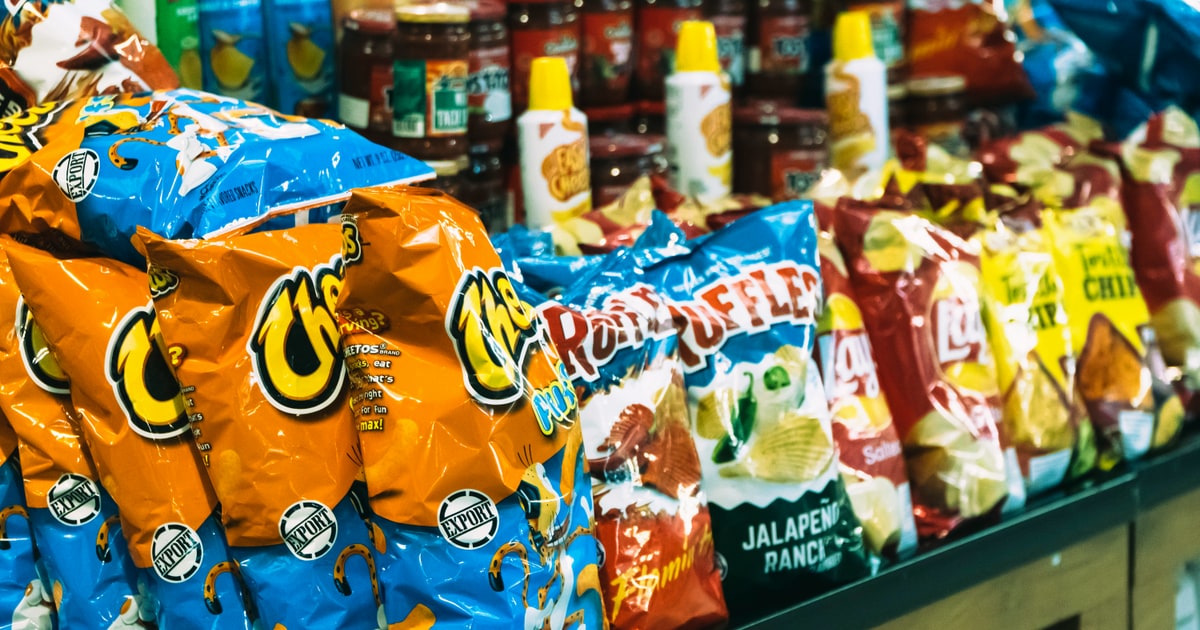
10 E-Codes in Snacks You Should Always Check Before Buying
The 10 most important E-codes to look for when buying snacks as a Muslim consumer. Includes both haram and mushbooh additives with practical identification tips.

Halal Ramadan Food Guide 2026: Suhoor, Iftar and Label Checks
What to eat and what to check during Ramadan. This guide covers halal suhoor and iftar foods, common E-code pitfalls in Ramadan staples, and which products to trust.
Halal Aqiqah Food Guide 2026: Catering the 7th-Day Celebration
Planning an aqiqah? This guide covers the Islamic requirements, how to source halal meat, what to serve, and E-codes to check in catered and shop-bought aqiqah food.
Halal Mother's Day Food Guide 2026: Afternoon Tea, Chocolate and What to Check
Planning a halal Mother's Day treat? This guide covers E-codes in afternoon tea, which chocolate boxes are halal, and what to check in cakes and confectionery.
Is Vegan Food Always Halal? What Vegans Miss About Additives
Vegan food is not automatically halal. This guide explains which food additives appear in vegan products that are still haram or mushbooh for Muslim consumers.
Is Lard Halal? Where It Hides in Packaged Food (2026)
Lard is rendered pork fat — haram. Found in some biscuits, pastry, and British pies. E570 may be from lard. Know what to look for on UK food labels.
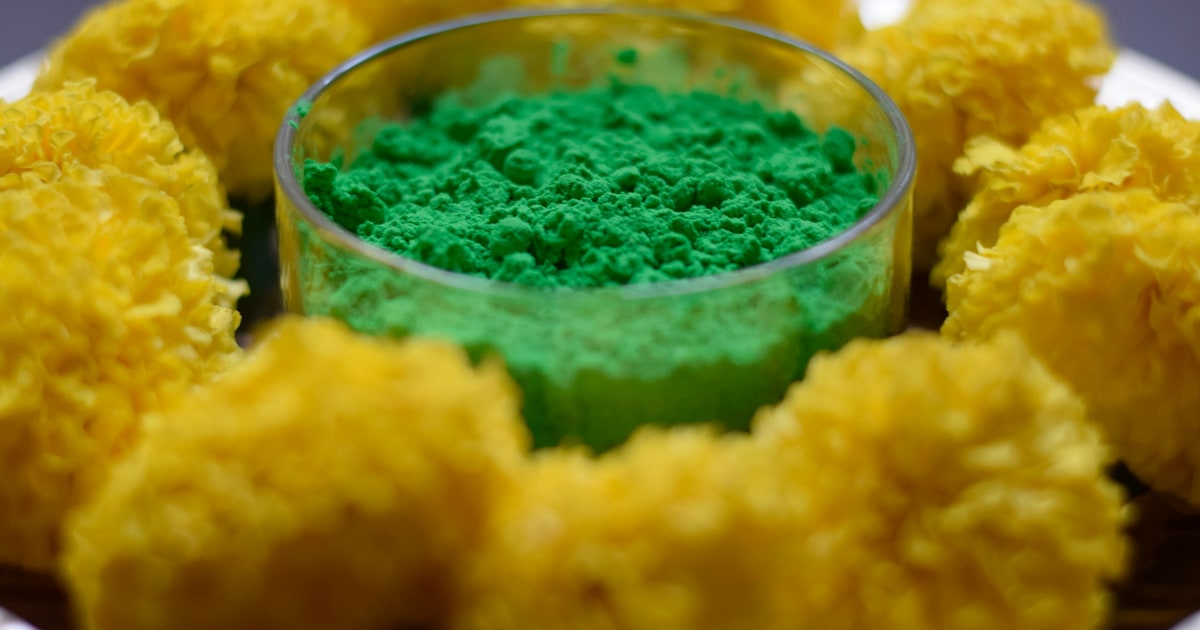
Is Food Colouring Halal? The E-Numbers That Are Haram (2026)
Most food colourings are synthetic and halal. The exception is E120 (carmine), which is insect-derived and haram. Full guide to every common colour E-code.
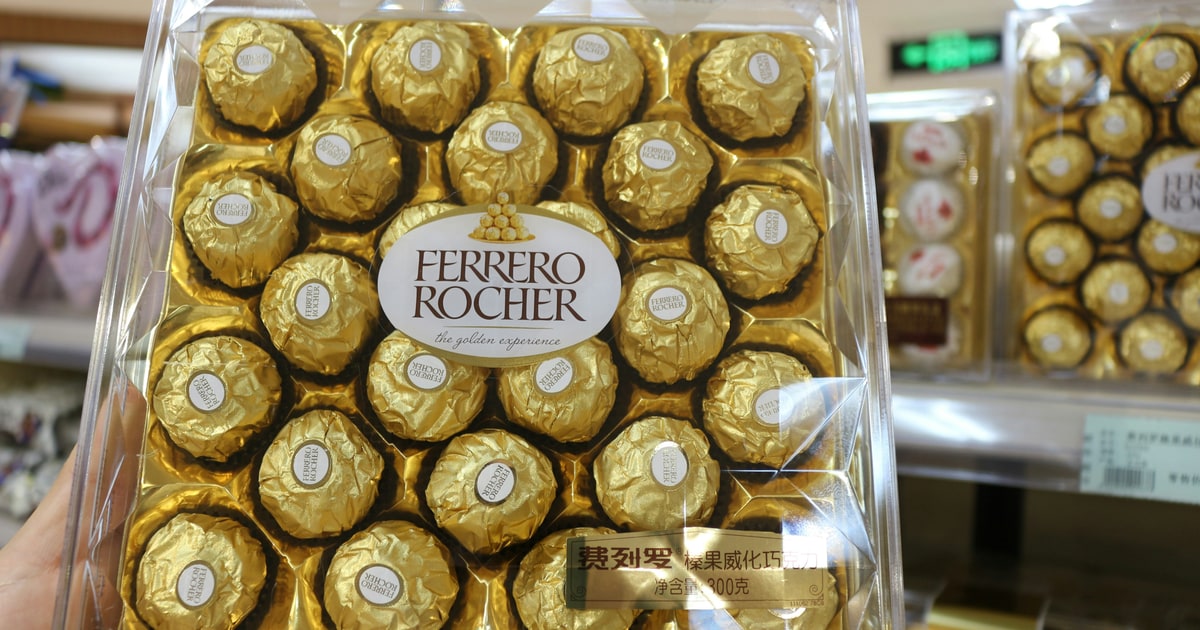
Is Ferrero Rocher Halal? Ingredients Checked (2026)
Ferrero Rocher is halal certified in Malaysia and the Gulf. UK product contains E322 (halal) and E476 (unconfirmed). No UK halal cert — Mushbooh verdict explained.
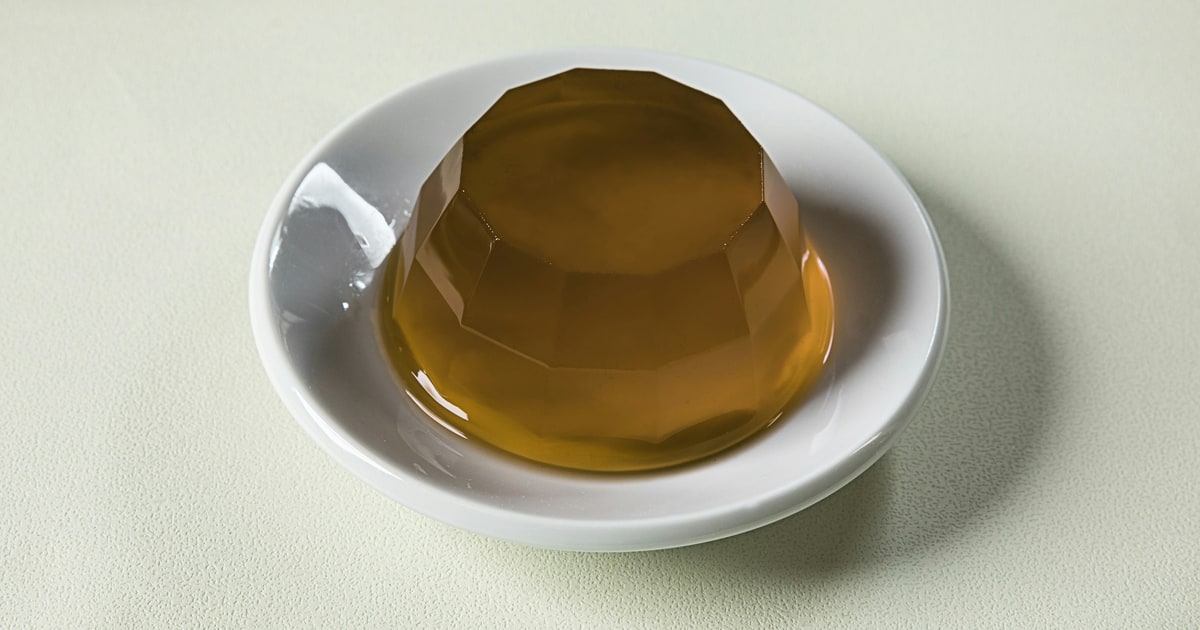
Is E441 (Gelatin) Halal? The Complete 2026 Guide
E441 gelatin is Mushbooh — its halal status depends entirely on the animal source. Pork gelatin is haram; halal-certified beef or fish gelatin is permissible.
Is E422 (Glycerol/Glycerin) Halal? Plant vs Animal Sources (2026)
E422 glycerol can be plant-derived (halal) or animal-derived (haram). UK labels don't state the source, making it Mushbooh unless certified halal.
Is E120 (Carmine) Halal? The Insect Dye in Your Food (2026)
E120 (carmine) is derived from crushed insects and is haram. Learn which products contain it and what to look for on food labels.
How to Check E-Numbers in the UK: Step-by-Step Guide
How to check E-numbers in the UK for halal compliance. Step-by-step guide using HalalCodeCheck, manual label reading, and manufacturer contact strategies.
10 Halal Food Myths Debunked with Evidence (2026)
10 common halal food myths explained with evidence. From 'all vegetarian food is halal' to 'E-codes are always from pork' — the facts Muslim consumers need.

Halal Father's Day BBQ Guide 2026: Sausages, Sauces and E-Codes
Planning a Father's Day BBQ for a Muslim family? This guide covers which sausages and burgers are halal, E-codes to watch in marinades and sauces, and what to avoid.
Halal Eid al-Fitr Foods 2026: Sweets, Snacks and What to Check
What foods are safe for Eid al-Fitr? This guide covers halal Eid sweets, snacks and baked goods — including which E-codes to watch and which UK and global brands are verified.
E904 Shellac: The Insect Coating on Your Sweets & Medications
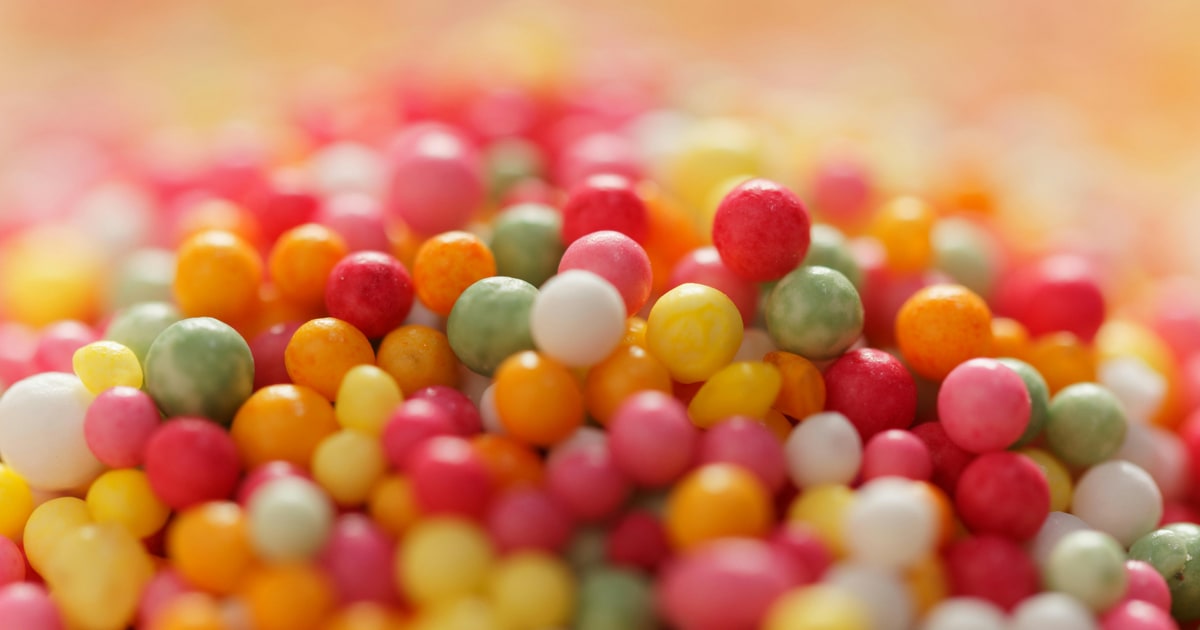
E904 shellac is a glaze made from lac insect secretion. Find out which sweets contain it, what Islamic scholars say, and how to identify it on food labels.
E627 & E631: Halal or Haram? Hidden in Crisps, Noodles & Snacks (2026)
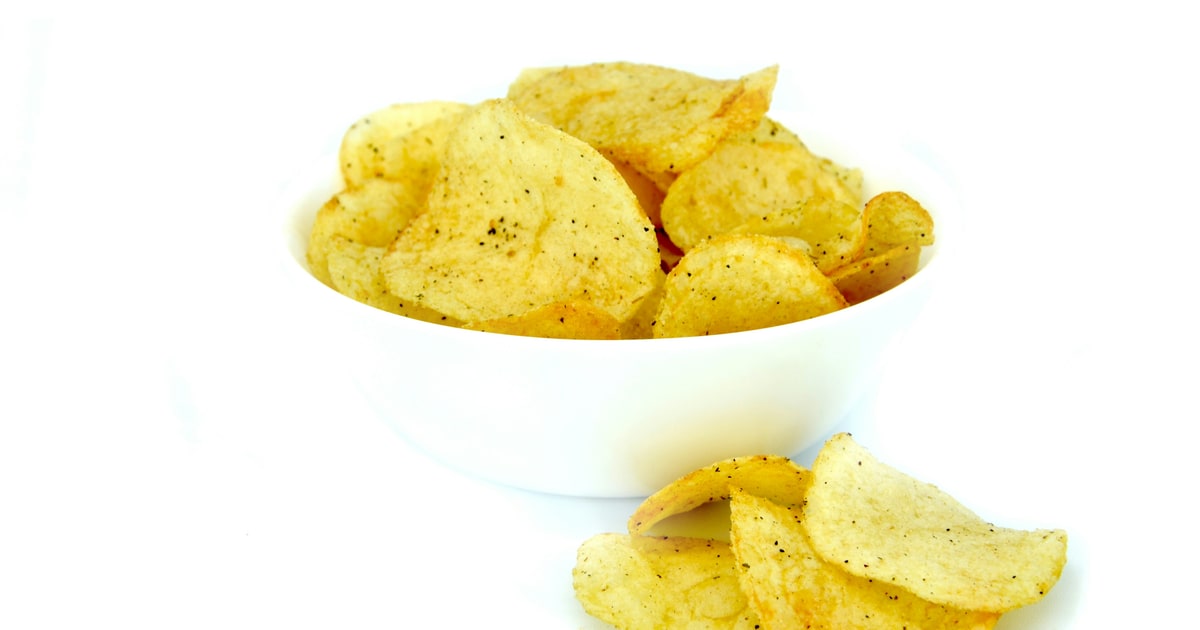
E627 (disodium guanylate) and E631 (disodium inosinate) can be pork-derived. Here's which crisp brands use them and how to tell if they're halal on any label.
E472e (DATEM): The Bread Emulsifier You Need to Check
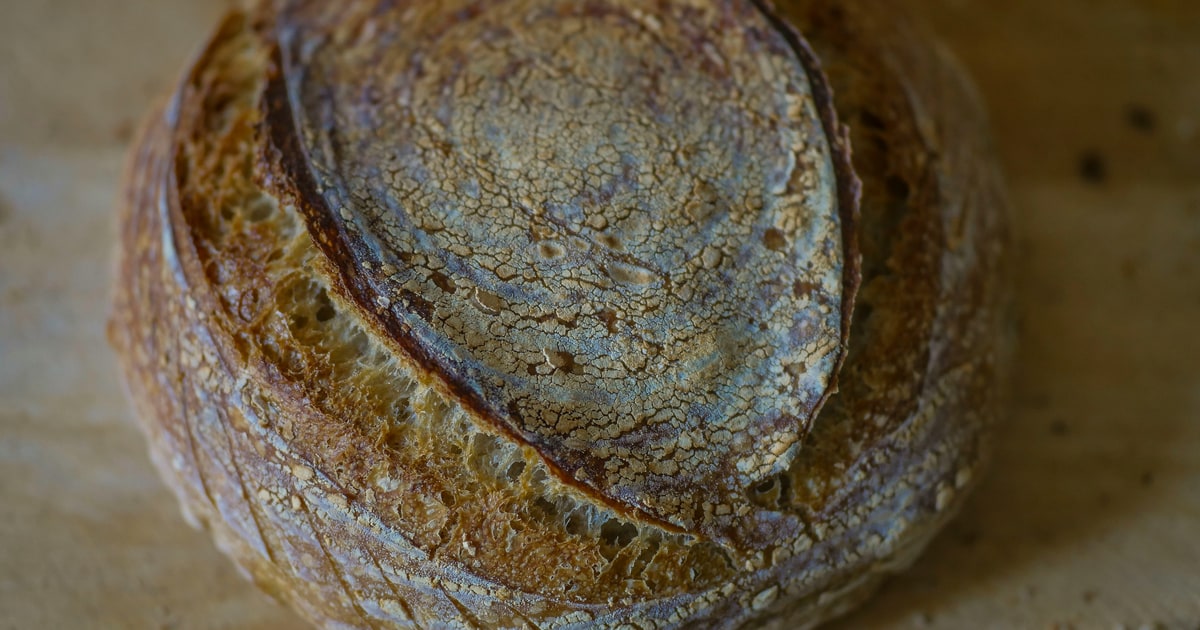
E472e (DATEM) is used in bread, pizza dough and baked goods. Like E471, it's derived from fatty acids that can be animal or plant-sourced. Here's what to check.
E471 (Mono and Diglycerides): Halal or Haram? Bread, Margarine & More (2026)
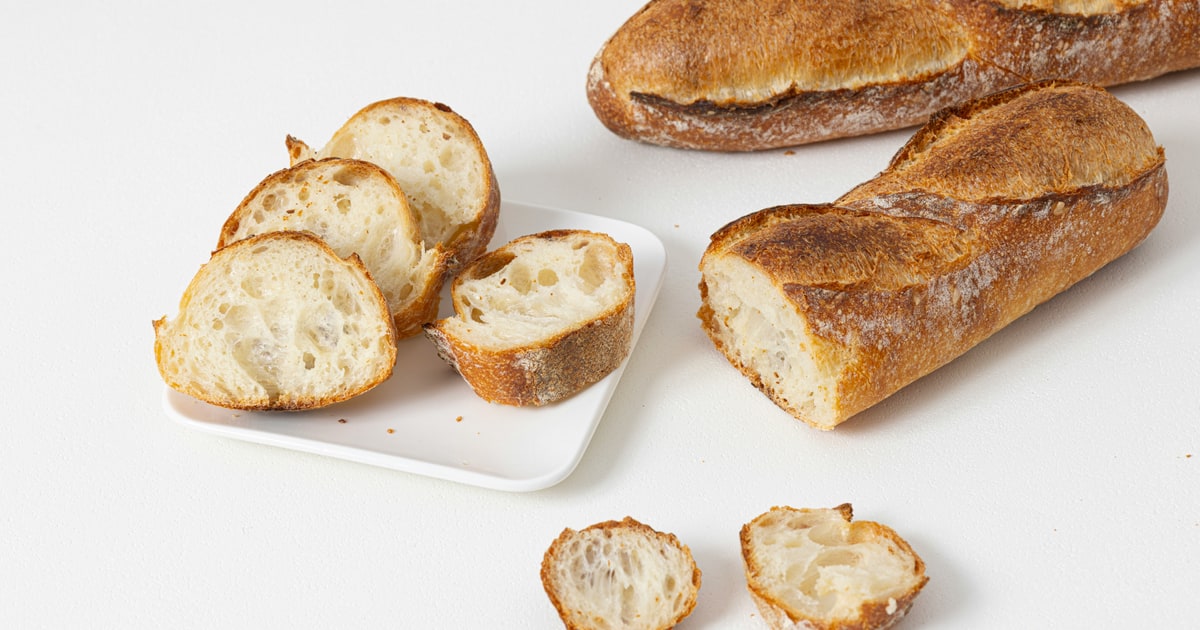
E471 is Mushbooh — it depends on whether the source fat is animal or vegetable. Here's how to check on any product — bread, margarine, biscuits, ice cream.
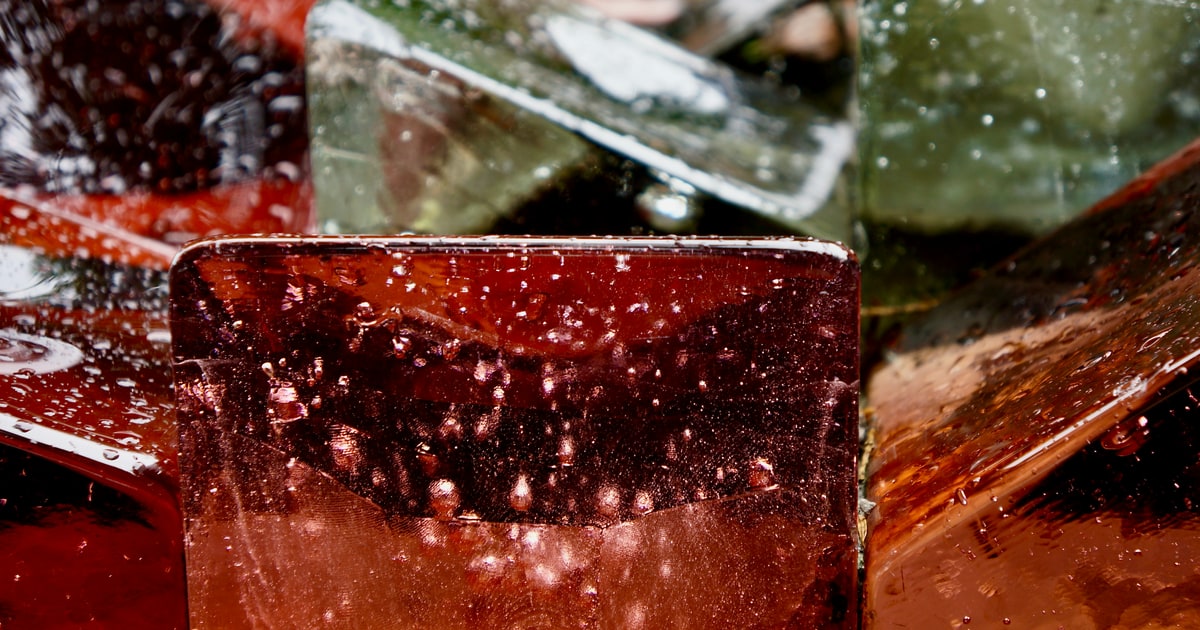
E441 Gelatin: Pork vs Beef vs Fish — The 2026 Guide
The definitive guide to E441 gelatine: which source is halal, which is haram, how to identify gelatine on food labels, and the best halal-friendly alternatives.
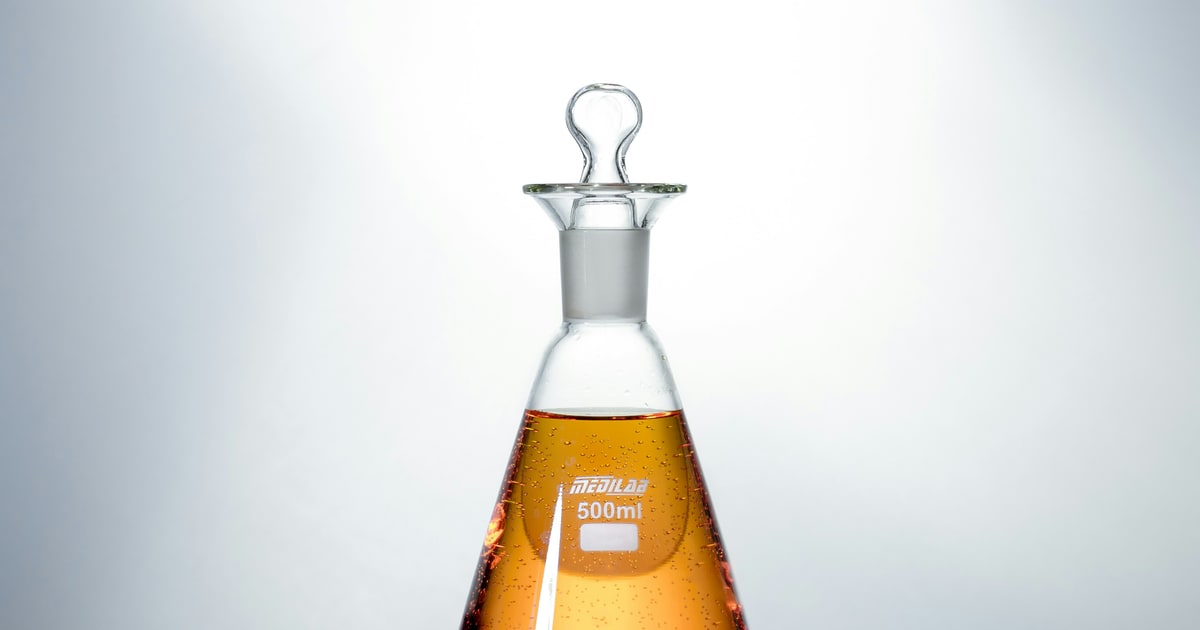
E422 Glycerol: Is Glycerin Halal? Source Matters (2026)
Is glycerol (E422) halal? It depends on the source. This guide explains the plant vs animal dilemma, which products contain it, and how to get confirmation.
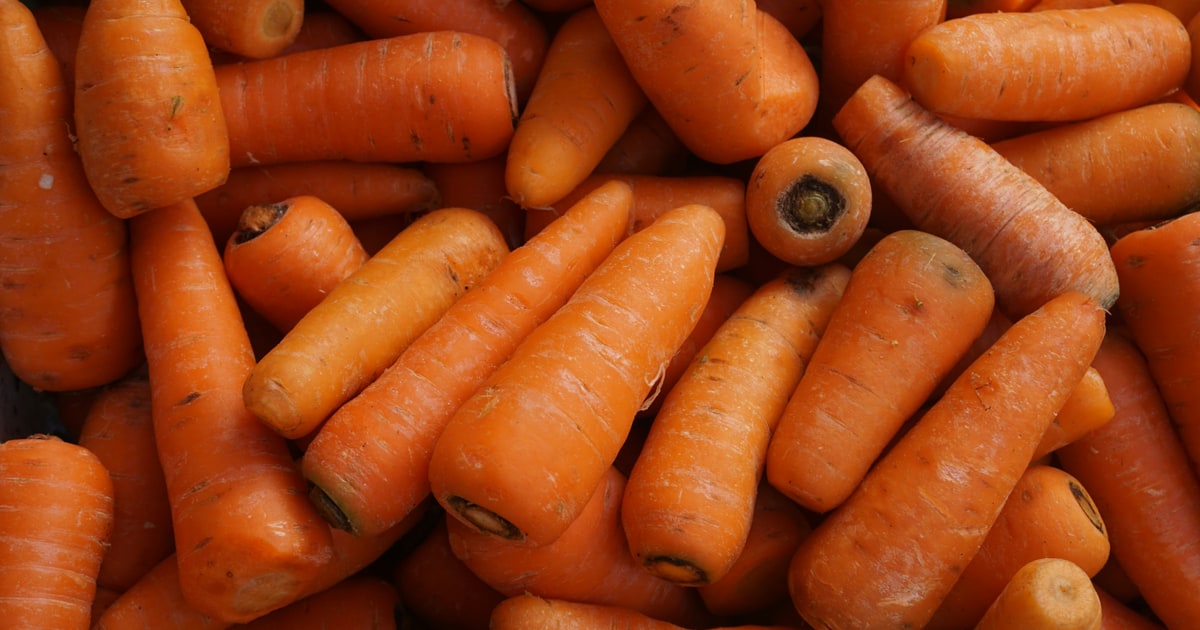
E160a (Beta-Carotene): Halal, Haram or Mushbooh? The Carrier Problem (2026)
E160a itself is halal — it's a natural plant pigment. But if the carrier solvent is gelatine-based, the product is Mushbooh. Check the label. Full guide.
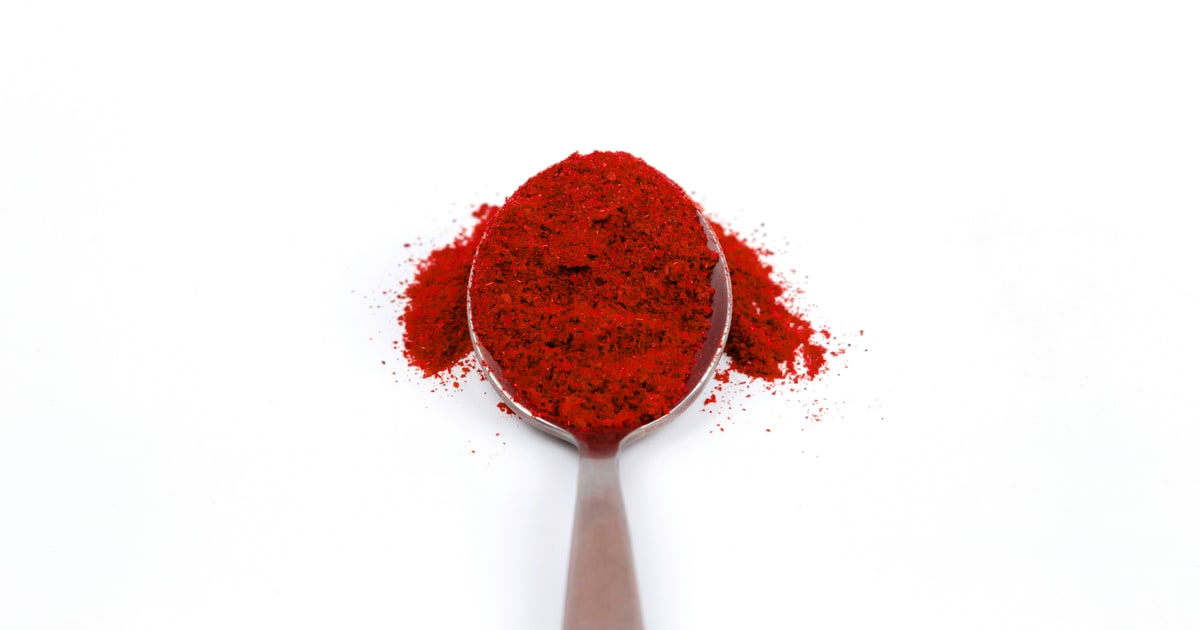
E120 Carmine: Every UK Product That Contains Insect Dye (2026)
E120 carmine is an insect-derived red dye found in many UK foods. This guide lists every major UK product that contains carmine and what to buy instead.
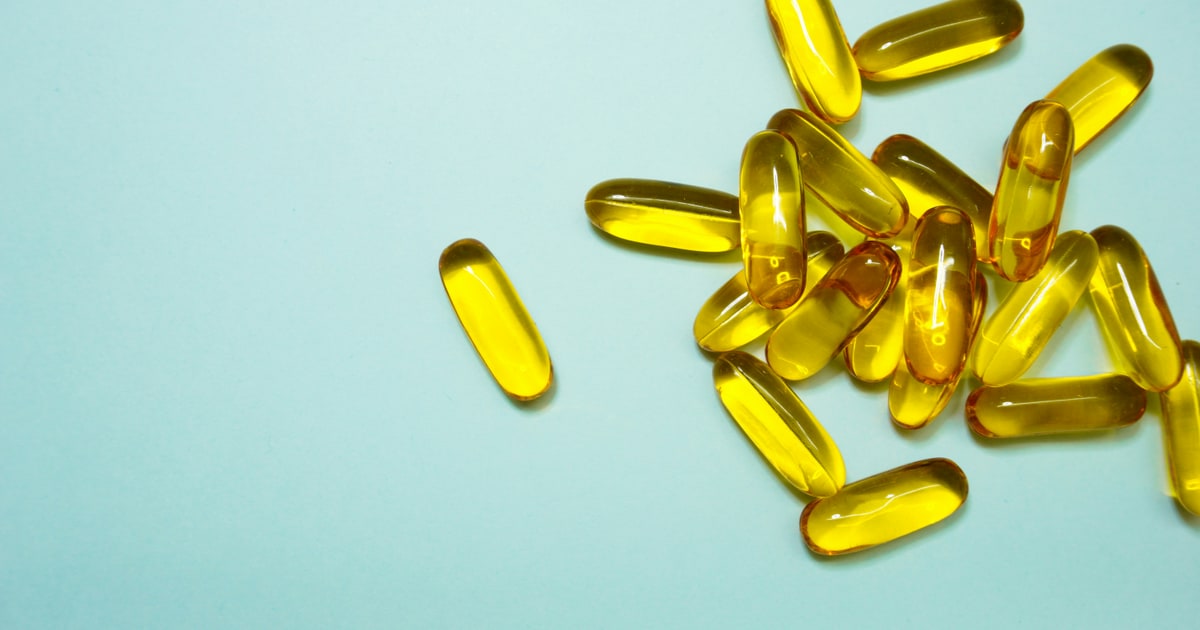
E101 Riboflavin (Vitamin B2): Halal, Haram or Mushbooh? (2026)
Is riboflavin (E101, Vitamin B2) halal? Commercial food-grade riboflavin is almost always from fermentation — making it halal. Full guide with product list.
E-Code Halal Cheat Sheet: Free Printable (Haram, Halal, Mushbooh)
Free printable E-code halal cheat sheet. All key E-codes colour-coded by halal status — Haram, Mushbooh, and Halal. Perfect for grocery shopping.
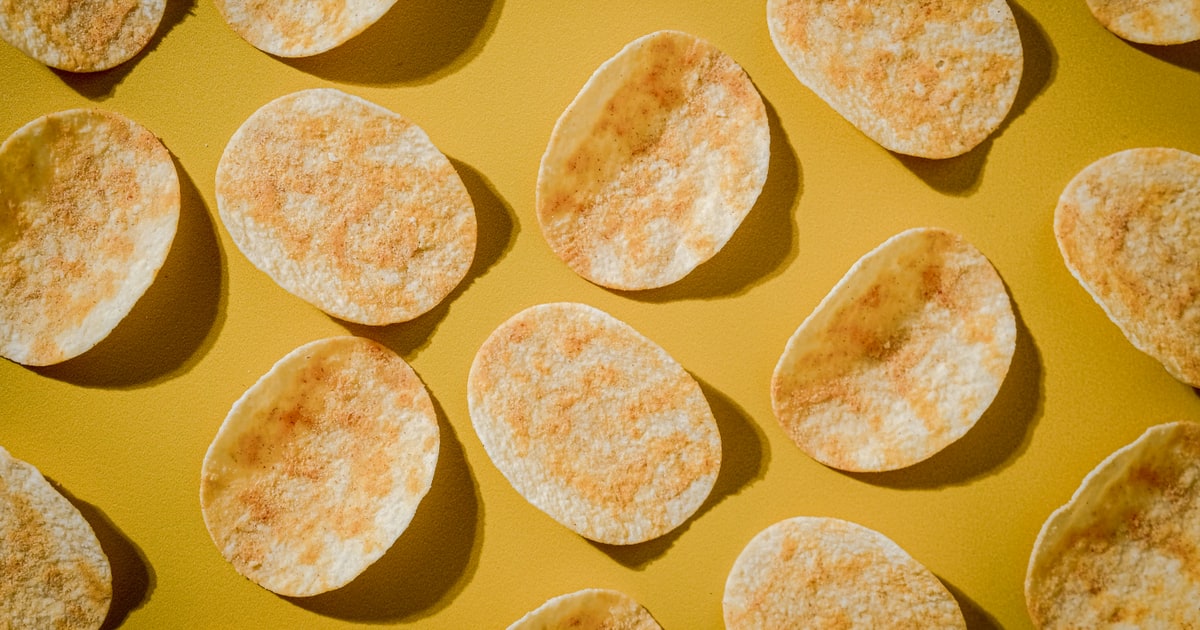
Are Pringles Halal? Every Flavour Checked for E-Codes (2026)
Pringles halal status varies by flavour. Original contains E631 (may be animal-derived). Some flavours have E120 (carmine). No UK/US halal cert.
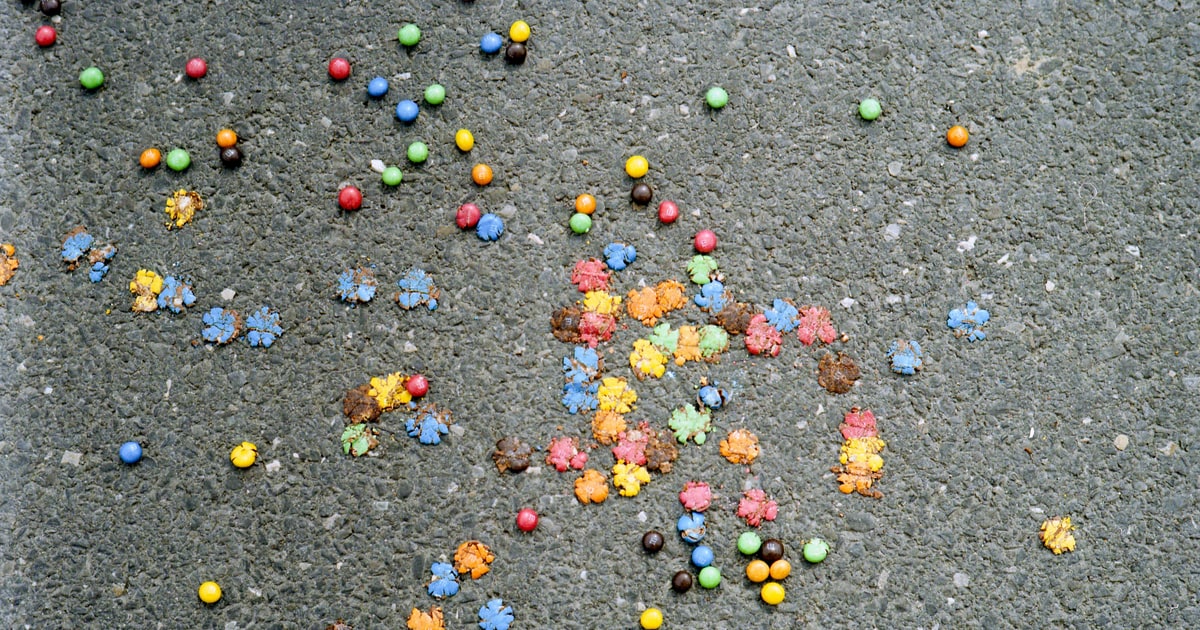
Are M&Ms Halal? UK, US and Gulf Versions Checked (2026)
UK M&Ms now list carmine (E120, insect-derived) in the plain milk chocolate — Haram per the majority ruling. US M&Ms use synthetic dyes but aren't certified. Gulf packs differ again.
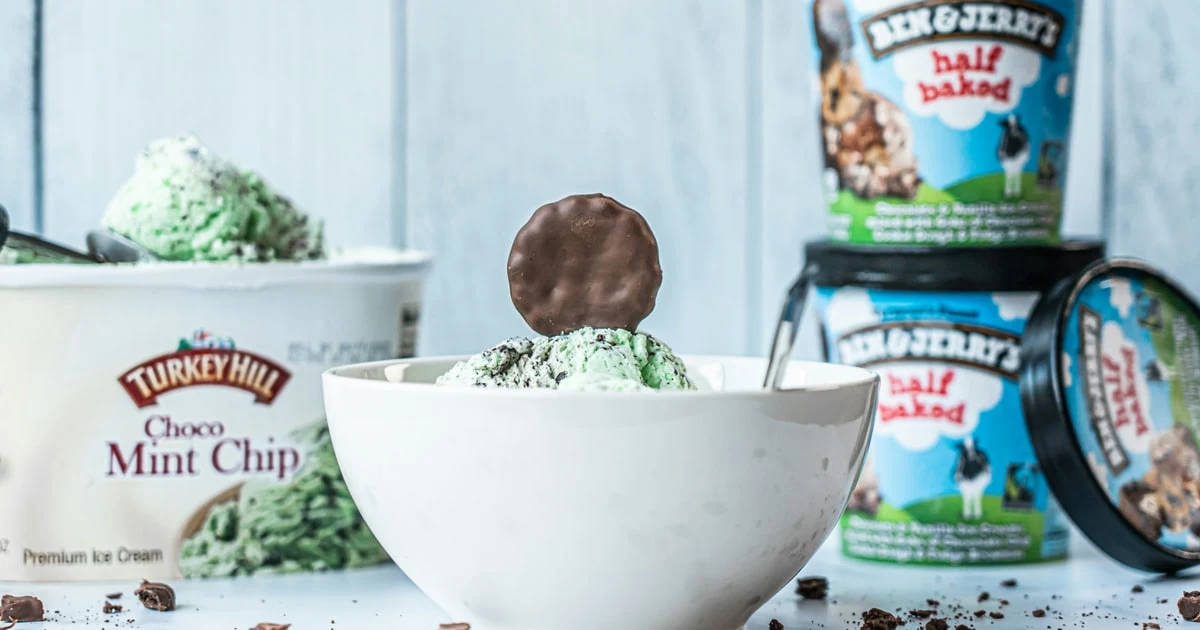
Is Ben & Jerry's Cookie Dough Ice Cream Halal? The Honest Answer (2026)
Ben & Jerry's Cookie Dough is Mushbooh — contains E471 from an undisclosed source, no halal certification. Specific to Cookie Dough flavour — see our full brand guide for all flavours.
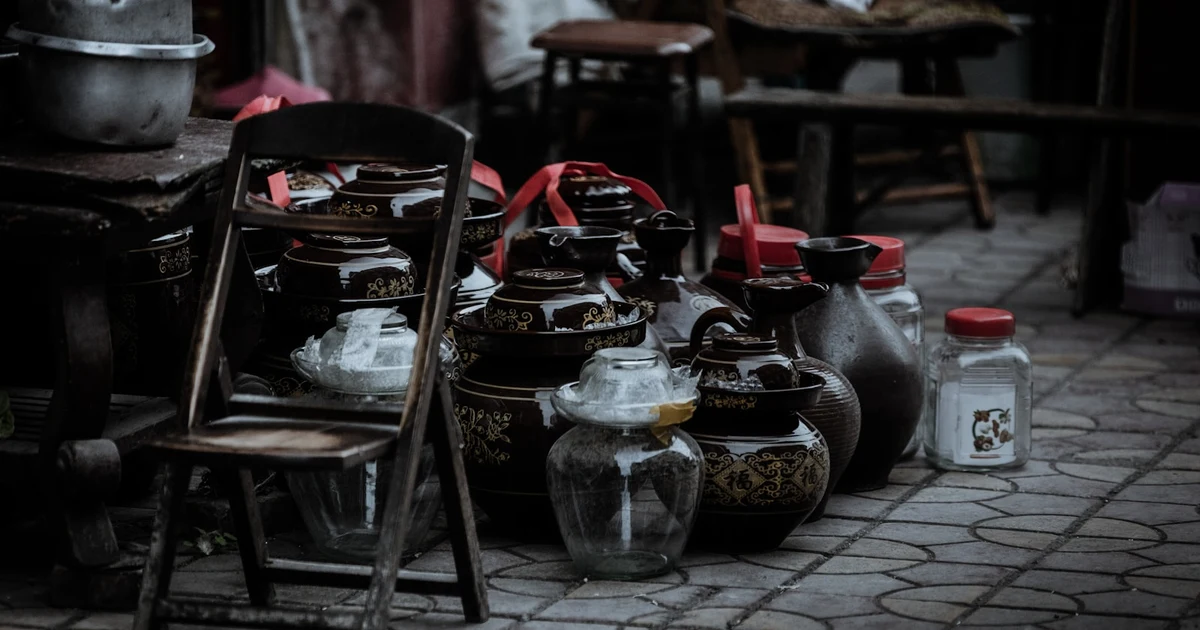
Is Soy Sauce Halal? Kikkoman, Fermentation Alcohol & the Scholar Debate (2026)
Soy sauce contains trace alcohol from fermentation — but most Islamic scholars consider it permissible. Here's the full breakdown: Kikkoman, Tamari, and halal-certified alternatives.
Is Red Bull Halal? (UK, US & Global Guide 2026)
Red Bull has no halal certification in the UK, US or Australia. Taurine is synthetic and halal, but natural flavours remain undisclosed. Verdict: Mushbooh.
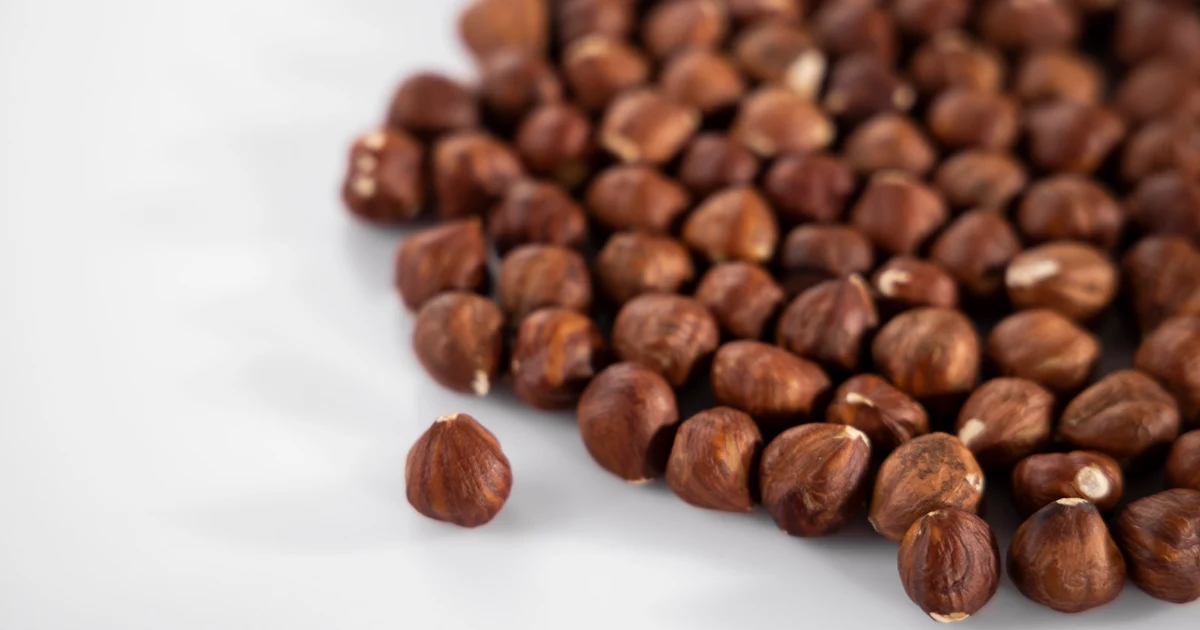
Is Nutella Halal? The Definitive UK & Global Guide (2026)
Is Nutella halal? Ferrero confirms no pork, but Nutella is not halal-certified in the UK or EU. Here's what vanillin, whey, and E322 mean for Muslim consumers.
Is Monster Energy Halal? (UK, US & Global Guide 2026)
Monster Energy has no halal certification in the UK or US. Key concerns are natural flavours and E129 in some variants. Full regional breakdown and halal alternatives.
Is McVitie's Halal? (UK Biscuits Guide 2026)
McVitie's holds no UK halal certification despite its Turkish parent company. E471 in chocolate coatings is mushbooh. Full product breakdown and halal alternatives.
Is Lindt Chocolate Halal? Lindor, Excellence & Dark Chocolate Checked (2026)
Standard Lindt chocolate is Mushbooh — no halal cert and vanilla flavouring debate applies. Any Lindt with alcohol filling (Baileys, liqueur) is haram. Full breakdown.
Is KitKat Halal? UK, US & Malaysia Verdict (2026)
KitKat in the UK is Mushbooh — no halal certification and E322 source unverified. Malaysia and Turkey KitKat are JAKIM-certified halal. Full regional breakdown.
Is Kellogg's Halal? (UK Cereals Guide 2026)
Kellogg's UK holds no halal certification. Vitamin D3 (lanolin) in standard cereals is mushbooh; marshmallow and gelatine products are haram. Full breakdown here.
Is Domino's Pizza Halal? UK, US, UAE & Global Guide (2026)
Domino's is halal in select UK stores only — HMC/HFA-certified. US Domino's has no halal options. Here's the complete regional breakdown and E-code concerns in the dough.
Is Cheetos Halal? E631, E627, E635 Explained (2026)
Cheetos in the US and UK are not halal-certified. Frito-Lay lists Crunchy, Puffs and Flamin' Hot as made without pork enzymes; natural flavours stay undisclosed — Mushbooh. Middle Eastern and Malaysian Cheetos are halal-certified.
Halal Shopping at Walmart: What to Buy, What to Avoid, and How to Check Labels (2026 US Guide)
A practical guide to halal shopping at Walmart US — which sections stock certified halal products, which E-codes to watch, and how to verify labels fast.
Halal Shopping at Sainsbury's: What to Buy, What to Avoid, and How to Check Labels (2026 UK Guide)
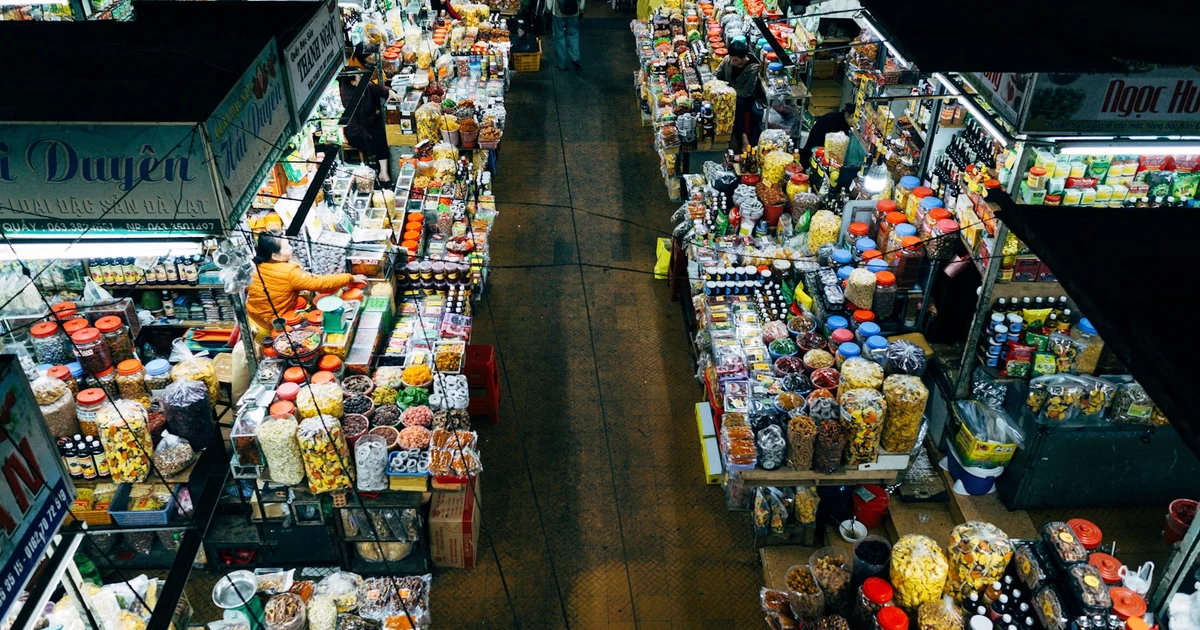
A practical guide to halal shopping at Sainsbury's UK — which departments stock halal products, which E-codes to watch, and how to verify labels quickly.
Are Walkers Crisps Halal? (UK Guide 2026)
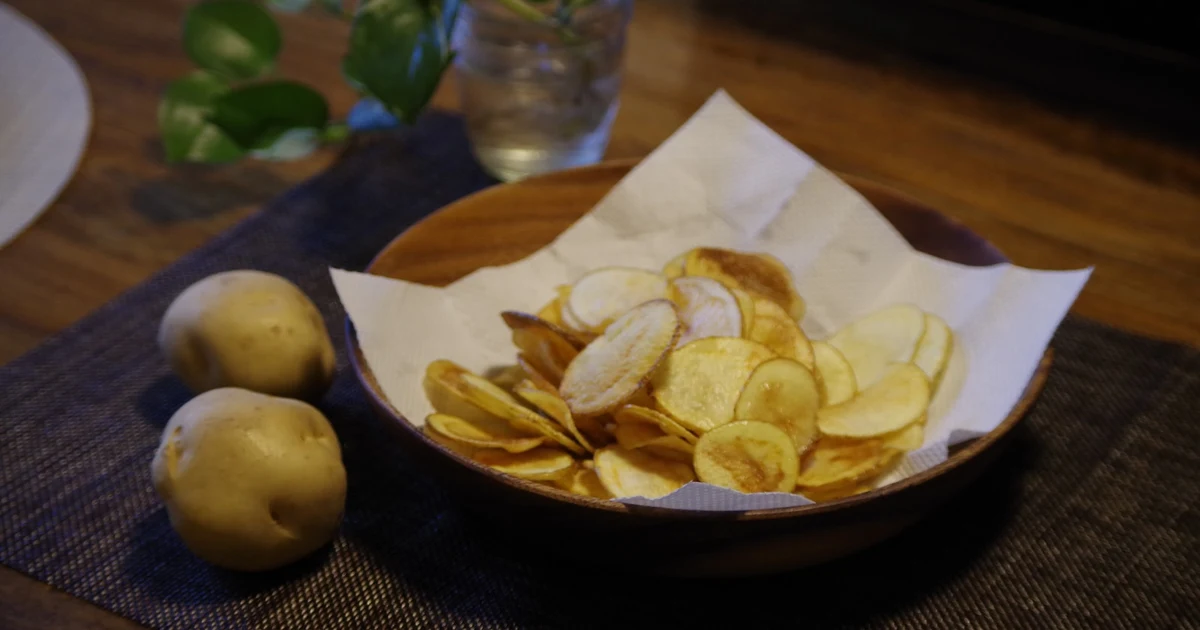
Are Walkers crisps halal? We verified every core flavour against official ingredient lists: no E631, no MSG, and every core flavour is vegetarian-labelled. Full UK product breakdown inside.
Are Skittles Halal? US, UK & Global Verdict (2026)
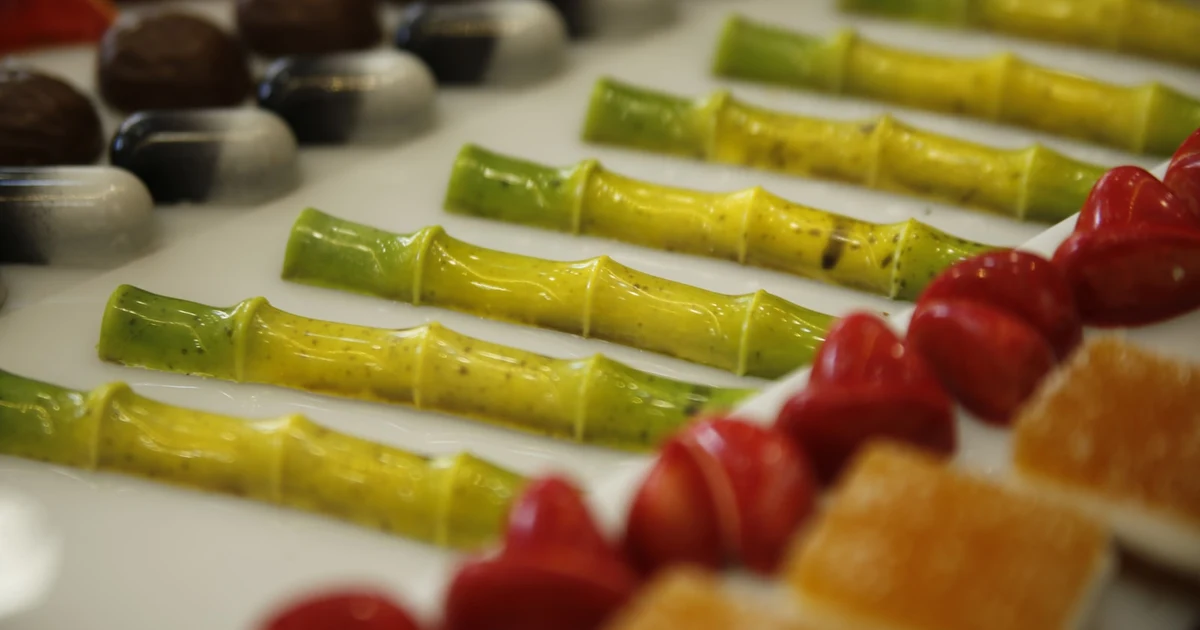
Skittles are gelatine-free, E120-free and vegan-labelled in the UK — Halal under mainstream rulings, Mushbooh for certification-only consumers. Full regional breakdown, E-code analysis, and halal alternatives.
Are Oreos Halal? UK, US & Global Verdict (2026)
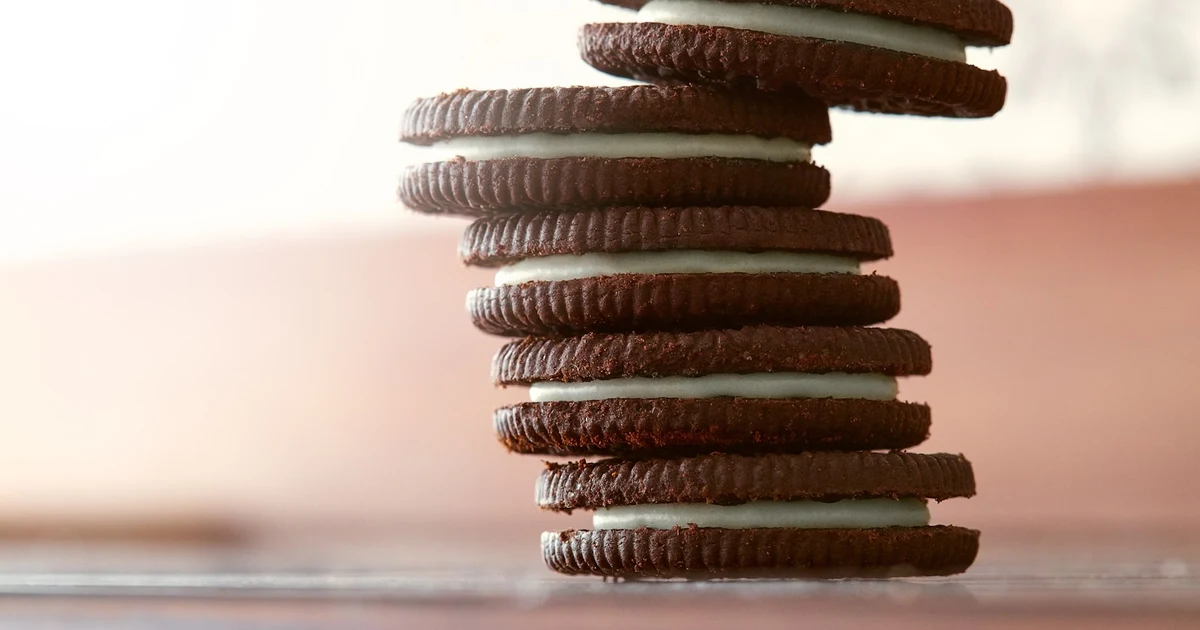
Oreos are Mushbooh in the UK and US — no halal certification and milk cross-contact on shared lines. Current labels list soya lecithin, not E471. Full regional breakdown and halal biscuit alternatives.
Is Tim Tams Halal? The Complete Australia Guide (2026)
Tim Tams are not halal certified. Original varieties contain E471 (Mushbooh). Pink and strawberry variants risk E120 (carmine — Haram). Here's the full breakdown and what to buy instead.
Halal Shopping at Woolworths Australia: What to Buy, What to Avoid (2026 Guide)
A practical guide to halal shopping at Woolworths Australia — which certification logos to trust, which aisles have halal options, and which E-codes to watch for at the shelf.
Is Doritos Halal? Cool Ranch vs Cool Original and the Natural Flavours Problem
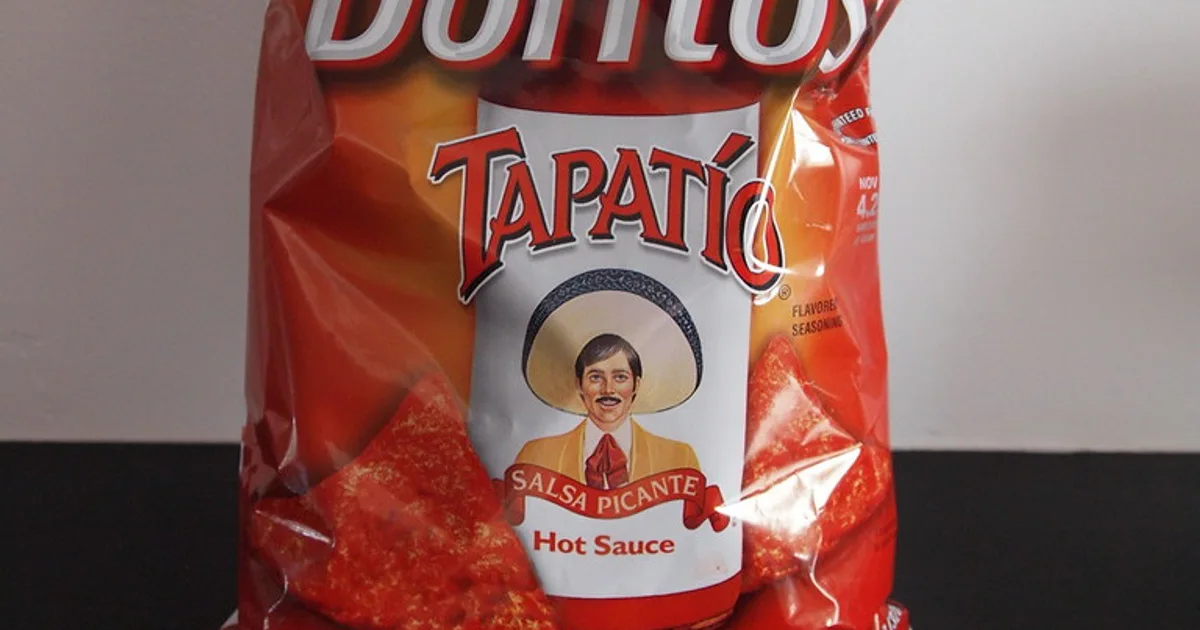
Doritos has no halal certification in the UK or US. Cool Ranch (US) and Cool Original (UK) have different formulations — both contain undisclosed natural flavours and E635. Here's the full breakdown.
Is Cadbury Halal? (UK, US, Australia — 2026 Guide)
Cadbury has no halal certification in the UK or US — E442 and E476 are undisclosed, so both markets are mushbooh. Australia and New Zealand are different: Cadbury publishes a 43-product list certified by Halal Certification Authority Australia. Full regional breakdown.
Is Bread Halal? A UK Shopper's Guide to E471, E920, and What to Look For (2026)
Most UK supermarket bread is mushbooh — not haram by default, but not verifiably halal. E471 and E920 are the key additives to check. Here is the complete UK brand breakdown and what to buy instead.
Halal Shopping at Tesco: What to Buy, What to Avoid, and How to Check Labels (2026 UK Guide)
A practical guide to halal shopping at Tesco UK — which departments have halal-certified products, which E-codes to watch for, and how to use the label to verify.
JAKIM Halal E-Codes: Which Food Additives Are Approved in Malaysia (2026 Reference)
A complete reference to E-codes under JAKIM halal certification — which food additives are approved, which are restricted, and how to read Malaysian food labels.
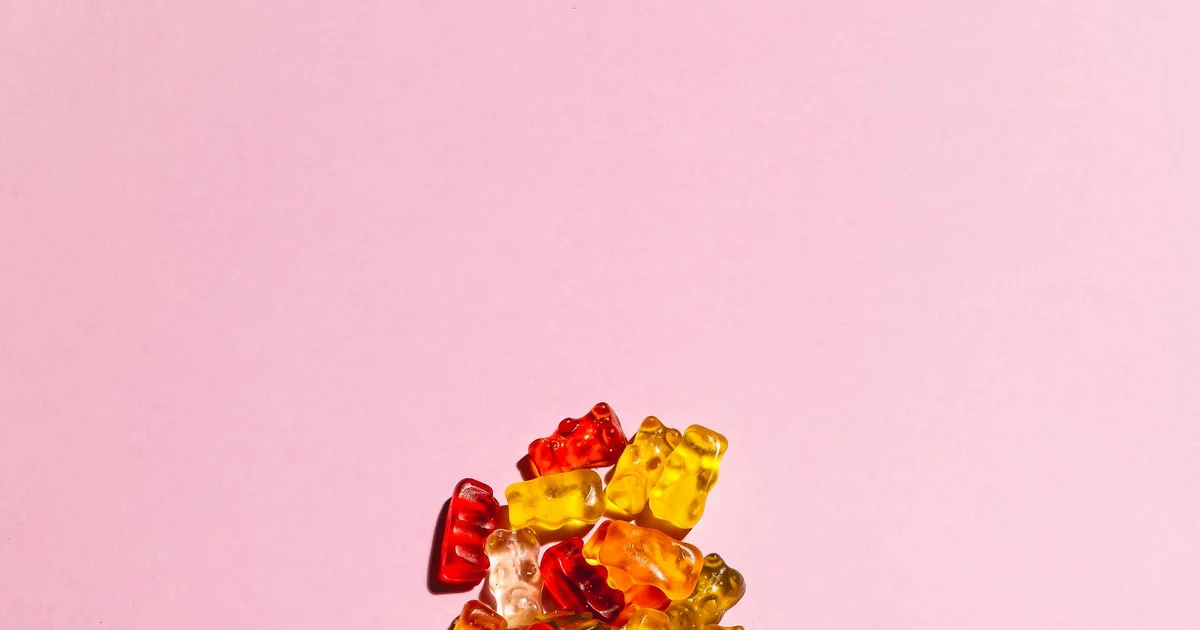
Is Haribo Halal? The Complete UK, EU & Global Guide (2026)
Most Haribo in UK/EU is not halal — it contains pork gelatine. Here's the full regional breakdown, which products to avoid, and where to find halal-certified Haribo.
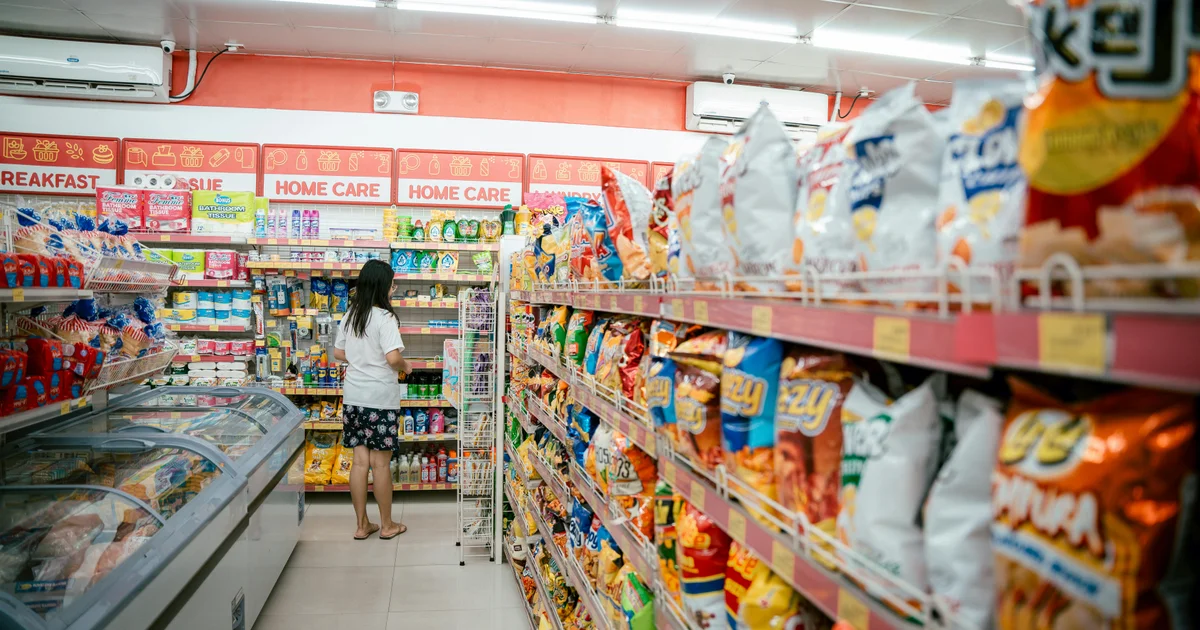
Halal Food in Canada: A Practical Guide for Muslim Shoppers (2026)
How to shop for halal food in Canada — which certification marks to trust, which E-codes to watch for, and where to find halal-certified products at major Canadian retailers.
Are Natural Flavours Halal? What the Label Really Means
Natural flavours can be halal or haram — 'natural' doesn't mean plant-based. Learn how to spot animal-derived flavourings, alcohol carriers, and when to ask the manufacturer.
Is L-Cysteine (E920) Halal? The Bread Additive With a Hidden Source
L-cysteine (E920) in bread can be derived from human hair, duck feathers, or synthetic production. Human hair source is haram. Synthetic E920 is halal. Here's how to tell.
Is Shellac (E904) Halal? The Insect-Derived Glazing Agent
Shellac (E904) is a resin secreted by lac insects used to coat confectionery and apples. Most scholars consider it haram. Here's what to look for on labels.
Is Carrageenan (E407) Halal? The Seaweed Thickener Explained
Carrageenan (E407) is derived from red seaweed and is halal — no animal ingredients, no haram processing. Learn where it is used and why it is safe for Muslim shoppers.
Is Chocolate Halal? The E-Codes to Check & Brands Ranked (2026)
Plain chocolate (cocoa + sugar + milk) is halal. The risk comes from E471, E442, E120, and E441. Here's which UK brands pass and exactly what to check on any label.
Is E415 (Xanthan Gum) Halal? Yes - Here's Why
E415 (Xanthan Gum) is halal in the vast majority of commercial products. Learn what it is, where it comes from, and the one edge case worth knowing about.
E621 (MSG): Halal or Haram? Monosodium Glutamate Explained (2026)
E621 is MSG — monosodium glutamate. It's Halal when made from fermented plant starch. Mushbooh if the fermentation substrate is unknown. Check the brand.
Is Agar Agar Halal? Yes - The Seaweed Gelling Agent That's Always Safe
Agar agar (E406) is 100% halal - plant-derived from red seaweed with no animal processing. Learn where it's used, how it compares to gelatin, and how to spot it on labels.
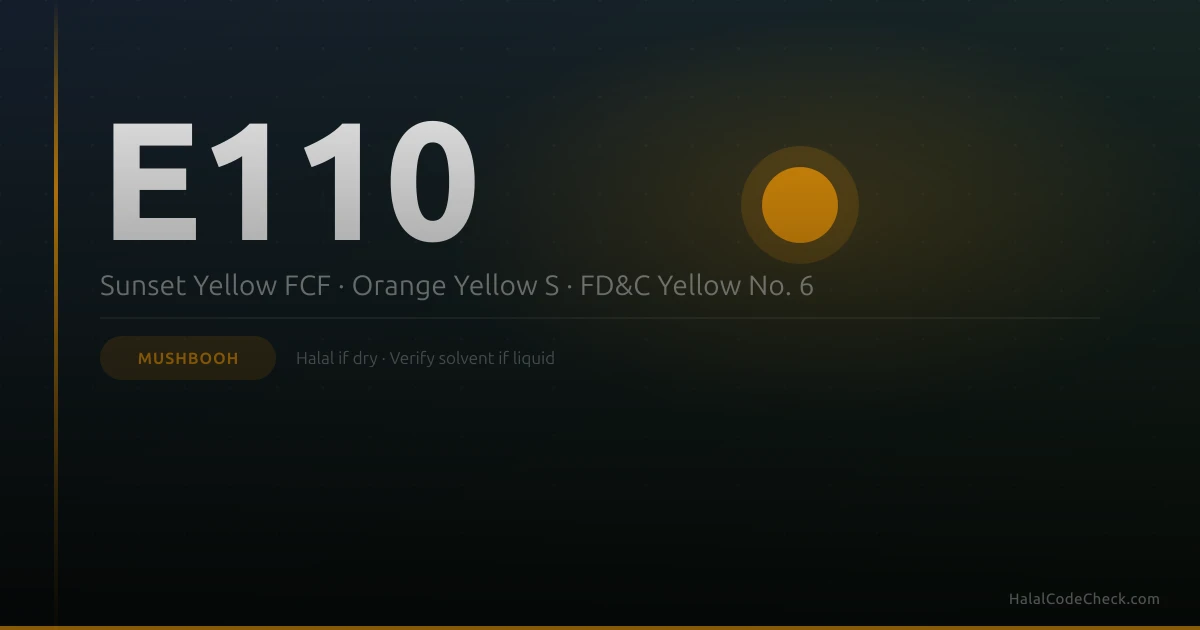
Is E110 (Sunset Yellow) Halal or Haram? Complete Guide (2026)
E110 (Sunset Yellow FCF) is Mushbooh — halal as dry powder, depends on solvent if liquid. Banned in some countries, mandatory warning in UK/EU. How to check fast.
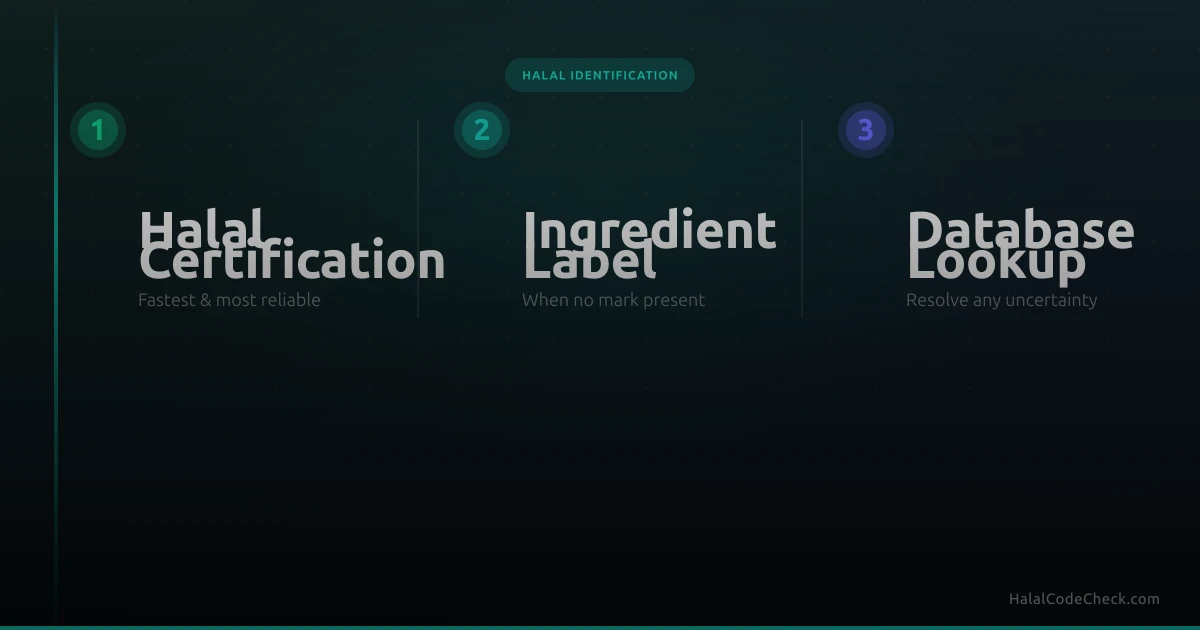
How to Identify Halal Products: 3 Label Checks That Work (2026)
How to identify halal products in 30 seconds: check for a certification mark, scan for haram ingredients, then look up any doubtful E-codes. Full step-by-step guide.
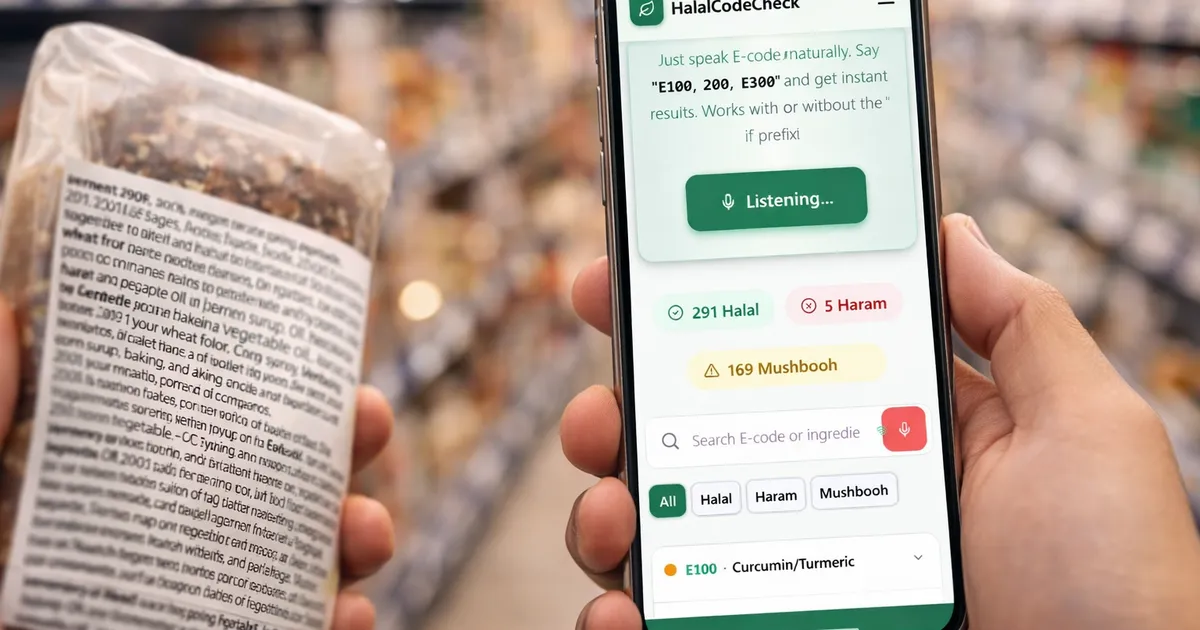
Manual vs Voice Search: The Fastest Way to Check E-Codes While Shopping
Should you type or speak E-codes in-store? A practical comparison of manual and voice search for faster halal verification while shopping.
Mushbooh Meaning in Islam: Doubtful, Not Haram — Here's What to Do (2026)
Mushbooh (مشبوه) means doubtful — the ingredient's source can't be verified as halal or haram. Learn which E-codes are mushbooh and how to decide.
How to Use Voice Search to Check E-Codes
A step-by-step guide to using voice search on HalalCodeCheck. Say one E-code or several at once and get instant halal status without typing.
Is E471 Halal or Haram? Complete Guide (2026)
E471 (mono and diglycerides) is Mushbooh — halal if plant-sourced, haram if animal-derived. Learn exactly how to check the source and which products to avoid.
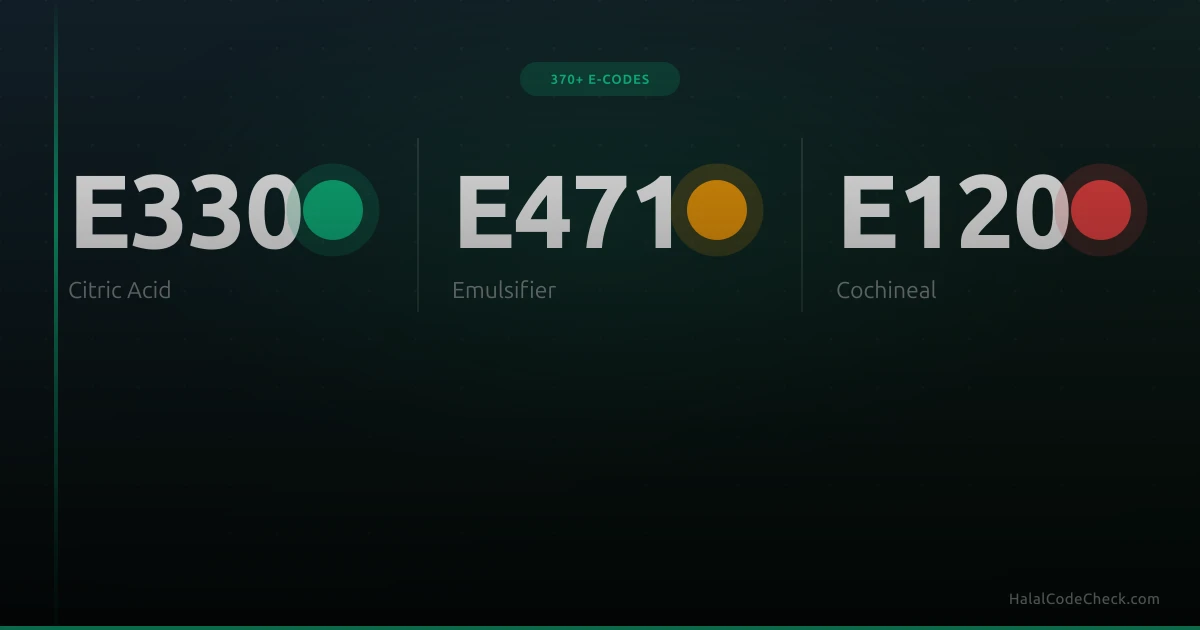
E-Codes Halal Guide: What Every Muslim Shopper Needs to Know
Learn what E-Codes mean, which ones are halal, and how to decode food labels. Complete guide to E-Codes for Muslim shoppers with verification tips.