
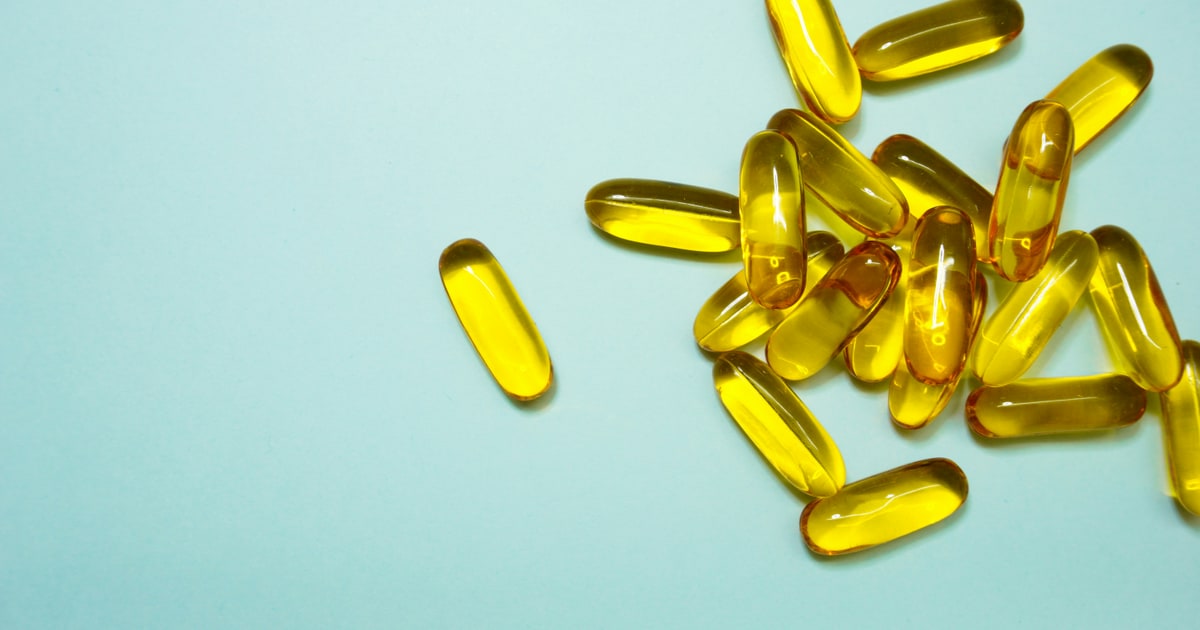
When Muslims check food labels carefully, riboflavin — listed as E101 or Vitamin B2 — sometimes raises a question. After all, it was historically extracted from animal sources. The good news, and it is unambiguous good news in this case, is that commercial food-grade riboflavin has moved entirely to fermentation-based production, making it halal without reservation.
What Riboflavin Does
Riboflavin (Vitamin B2) serves two distinct roles in food production:
As a nutrient — Riboflavin is an essential water-soluble vitamin involved in energy metabolism. The human body cannot synthesise it in sufficient quantities, so it must come from diet. UK regulations require white wheat flour to be fortified with riboflavin (along with thiamine, niacin, and calcium) to compensate for nutrients removed during the milling of wholegrains to white flour. This legal requirement means that nearly all commercial white bread in the UK contains added riboflavin.
As a yellow food colouring — E101 produces a yellow-orange colour and is used in some confectionery, soft drinks, and dairy products as a natural alternative to synthetic yellow dyes. It is the compound responsible for the intense yellow colour of urine after taking B-vitamin supplements — a harmless but noticeable effect.
The Production History: Why It Was Ever Questioned
In the early and mid 20th century, riboflavin for commercial purposes was extracted from animal sources, primarily:
- Liver — bovine and porcine liver contain relatively high concentrations of riboflavin
- Whey — the liquid byproduct of cheese production contains riboflavin
- Yeast — brewer’s yeast naturally contains significant riboflavin
The liver source was the concern. Porcine liver would produce haram riboflavin. Bovine liver without Islamic slaughter would be questionable. When halal food awareness grew significantly among UK Muslim consumers in the 1980s and 1990s, E101 inherited a residual suspicion from this history.
The Industrial Fermentation Revolution
Commercial riboflavin production shifted fundamentally from the 1990s onward. The industrial fermentation process proved dramatically more cost-effective, scalable, and consistent than animal-source extraction. Today, essentially all commercial food-grade riboflavin is produced by one of two fermentation routes:
Ashbya gossypii — This filamentous fungus naturally overproduces riboflavin (it is thought to do so as a mechanism to protect itself from light damage). Strains have been selected and engineered to maximise riboflavin yield. Fermentation using Ashbya gossypii is the dominant commercial process globally. BASF (Germany) and Zhejiang NHU (China) use this process.
Bacillus subtilis — This bacterium has been developed through metabolic engineering to produce large quantities of riboflavin during fermentation. DSM (Netherlands) uses a Bacillus subtilis fermentation process. This route is particularly well-documented and widely accepted by halal and kosher certification bodies.
Both processes produce chemically identical riboflavin — the same molecule whether it comes from a fungus, a bacterium, or historical animal extraction. The fermentation-derived product contains no animal matter and is classified as halal by all mainstream halal certification bodies.
Where You Will Find E101 on Labels
White bread and flour — UK law mandates riboflavin fortification of white flour. Every commercially produced white loaf in the UK will contain riboflavin. It will appear on the bread ingredients list as “riboflavin” or sometimes as “niacin, iron, riboflavin, thiamine” when the fortification blend is listed. This is one of the most universally encountered sources of E101 for UK consumers.
Breakfast cereals — The nutrition fortification of breakfast cereals is a marketing and nutritional standard across the industry. Weetabix, Cornflakes, Special K, Shreddies, and virtually all mainstream cereals are fortified with a vitamin and mineral blend that includes riboflavin. The label will typically list “riboflavin (B2)” in the ingredient list or in a separate “vitamins added” declaration.
Plant milks — Oat milk, almond milk, soy milk, and other plant-based dairy alternatives are fortified to match or approach the nutritional profile of cow’s milk. Riboflavin is part of this fortification package. Oatly, Alpro, Rude Health, and other plant milk brands include riboflavin in their fortified products.
Energy drinks — Many energy drinks use a B-vitamin blend as part of their “energy-boosting” formulation and marketing. Red Bull, Monster, Lucozade Energy, and similar products list riboflavin (B2) in their ingredient declarations. The yellow-orange colour of some energy drinks is partly attributable to riboflavin.
Pasta — Some pasta products, particularly US-origin products sold in the UK, are enriched with B vitamins including riboflavin.
Confectionery colouring — In some yellow or orange confectionery applications, E101 is used as a natural food colour. It produces a bright yellow that is useful in products where synthetic dyes are undesirable.
Vitamins and supplements — Riboflavin appears in multivitamins, B-complex supplements, and standalone Vitamin B2 supplements. In supplement form, the source is still overwhelmingly fermentation-derived, making it halal.
The Bottom Line on E101
For practical halal food navigation purposes, E101 riboflavin on a UK food label is halal. The concern that existed when animal-liver extraction was common has been resolved by the complete commercial shift to fermentation production. You do not need to avoid products containing E101, and you do not need to seek manufacturer confirmation about riboflavin specifically.
This is one of the cleaner and more straightforward assessments in the E-code halal guide — a genuine good news story where food technology has moved in a direction that removes, rather than creates, a concern.
Distinguishing E101 from E101a
E101a is riboflavin-5’-phosphate (sodium riboflavin phosphate), a water-soluble salt form of riboflavin that is used when a more water-dispersible version is needed. E101a has the same production history as E101 — historically from animal sources, now from fermentation. The same halal ruling applies: halal in its commercially available form.
Comparison with Other Yellow/Orange Colourants
While E101 is halal, it is worth knowing how it compares to other yellow and orange food colours you might encounter, as their halal status varies:
| E-Code | Name | Halal Status |
|---|---|---|
| E101 | Riboflavin (Vitamin B2) | Halal |
| E101a | Riboflavin-5-phosphate | Halal |
| E102 | Tartrazine | Halal (synthetic) |
| E110 | Sunset Yellow | Halal (synthetic) |
| E160a | Beta-carotene | Mushbooh (carrier concern) |
| E160b | Annatto/Bixin | Halal (plant-derived) |
| E160c | Paprika extract | Halal (plant-derived) |
Ingredients change. Be first to know.
Brands reformulate without warning. We track every E-code update and halal certification — one short weekly email.
Related Articles
 E-Code Guides
 Is Propylene Glycol (E1520) Halal? The Flavour Solvent Explained
Propylene glycol (E1520) is halal. It is a synthetic diol made from petroleum-derived propylene oxide, contains nothing animal-derived and does not intoxicate. The word 'glycol' is not 'alcohol' in the fiqh sense. Where it does matter: as the carrier in flavourings that may also contain ethanol.
 E-Code Guides
 Is Sodium Citrate (E331) Halal? The Short Answer (2026)
Sodium citrate (E331) is a fully synthetic acidity regulator made from citric acid and sodium hydroxide. No animal source, no alcohol — halal across all four Sunni madhabs.
 E-Code Guides
 Is Aspartame (E951) Halal? The Old Alcohol Myth Explained (2026)
Aspartame (E951/NutraSweet) is synthetic, made from amino acids. Alcohol is used in processing but doesn't appear in the finished sweetener — most scholars and certifiers now rule it halal.