
E-Code Guides Articles
Articles and guides in the E-Code Guides category.
46 posts in this category
Other Categories
Is Propylene Glycol (E1520) Halal? The Flavour Solvent Explained
Propylene glycol (E1520) is halal. It is a synthetic diol made from petroleum-derived propylene oxide, contains nothing animal-derived and does not intoxicate. The word 'glycol' is not 'alcohol' in the fiqh sense. Where it does matter: as the carrier in flavourings that may also contain ethanol.
Is Sodium Citrate (E331) Halal? The Short Answer (2026)
Sodium citrate (E331) is a fully synthetic acidity regulator made from citric acid and sodium hydroxide. No animal source, no alcohol — halal across all four Sunni madhabs.
Is Aspartame (E951) Halal? The Old Alcohol Myth Explained (2026)
Aspartame (E951/NutraSweet) is synthetic, made from amino acids. Alcohol is used in processing but doesn't appear in the finished sweetener — most scholars and certifiers now rule it halal.
Is Xanthan Gum (E415) Halal? The Fermentation Question Answered
Xanthan gum (E415) is halal. It's produced by bacterial fermentation of plant sugars — no animal ingredients, no alcohol. Here's how it's made and why scholars agree.
Which Foods Contain E471? A Category-by-Category Halal Guide (2026)
E471 turns up in chocolate, biscuits, bread, ice cream, spreads, instant noodles and protein bars. Here is a category-by-category breakdown of where it hides and which certified alternatives exist.
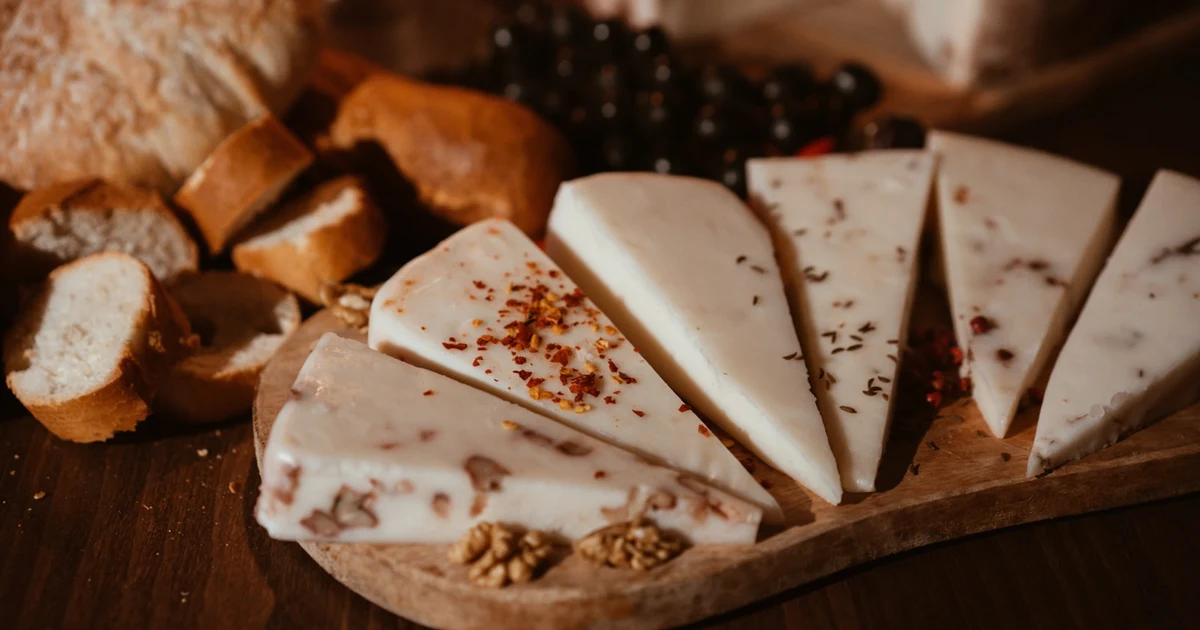
Is Cheese Halal? Animal Rennet, Microbial Rennet and What to Check (2026)
The halal status of cheese depends on the rennet used to set it. Microbial or vegetarian rennet is halal; animal rennet from non-zabiha cattle is Mushbooh. Here is how to check.
Haram E-Numbers to Avoid: The Complete Reference List (2026)
There is no single haram E-number list — status depends on source. But a specific set are either always haram (E120, E441, E542) or high-risk Mushbooh you should verify. Here is the full reference.
Is E471 in Baby Food Safe? What Muslim Parents Need to Know (2026)
E471 (mono- and diglycerides) appears in baby rusks, formula, and cereals. Source is rarely disclosed. This guide explains the halal status and which UK brands contain it.
E Numbers to Avoid for Children: Haram, Harmful and Questionable Additives (2026)
The E numbers children should avoid span two concerns: those that are haram and those with documented health effects. This guide covers both with a full list for parents.
E Numbers in Vitamins and Supplements: What Every Muslim Shopper Needs to Check (2026)
You check E numbers in food. Most Muslims never check their vitamins. This guide covers E470b, E471, E904, E120, and E441 as they appear in tablets and capsules.
E500 (Sodium Bicarbonate): Is Baking Soda Halal? Yes — Here's Why (2026)
E500 (sodium bicarbonate / baking soda) is Halal. It's an inorganic mineral compound with no animal origin. E503 (ammonium carbonate) and E541 are also halal.
E330 (Citric Acid): Halal, Haram or Mushbooh? The Clear Answer (2026)
E330 (citric acid) is Halal — produced by fermenting glucose or sucrose. No animal involvement. E300 (Vitamin C / Ascorbic Acid) is also Halal. Clear answer for both.
E270 (Lactic Acid): Halal or Mushbooh? The Source Is Everything (2026)
E270 (lactic acid) is Mushbooh — it can come from dairy fermentation or plant fermentation. The source determines halal status, and labels don't always say which.
E951 Aspartame: Is It Halal? Diet Coke, Sugar-Free & More (2026)
E951 aspartame is halal — it's a synthetic amino acid sweetener with no animal derivatives. But check the capsule carrier in supplement form.
E950 Acesulfame K: Halal, Haram or Mushbooh? Complete Guide
E950 Acesulfame K is halal — it's a synthetic sweetener with no animal-derived ingredients. Found in energy drinks, diet foods, and sugar-free gum.
E481 (Sodium Stearoyl Lactylate): Why Your Bread May Be Mushbooh
E481 SSL is Mushbooh — the stearic acid in this bread emulsifier may come from animal fat. No disclosure on most UK bread labels.
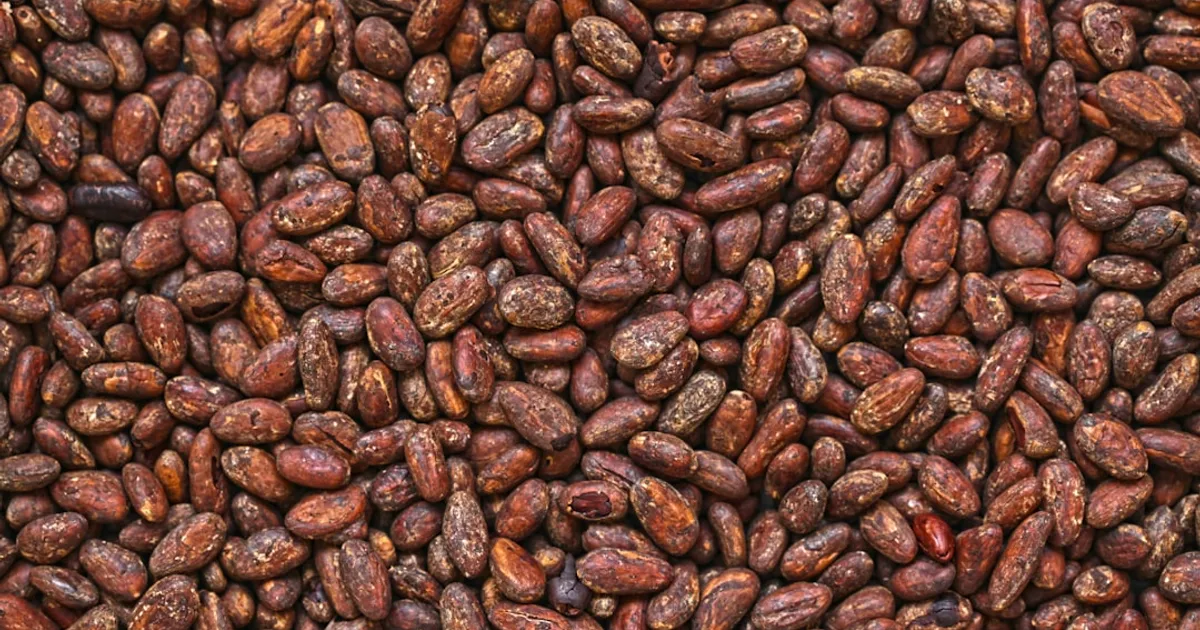
E476 (PGPR): Is It Halal? The Chocolate Emulsifier Guide (2026)
E476 (PGPR) is Mushbooh — made from castor oil and glycerol that may be animal-derived. Here's what every halal-conscious chocolate buyer needs to know.
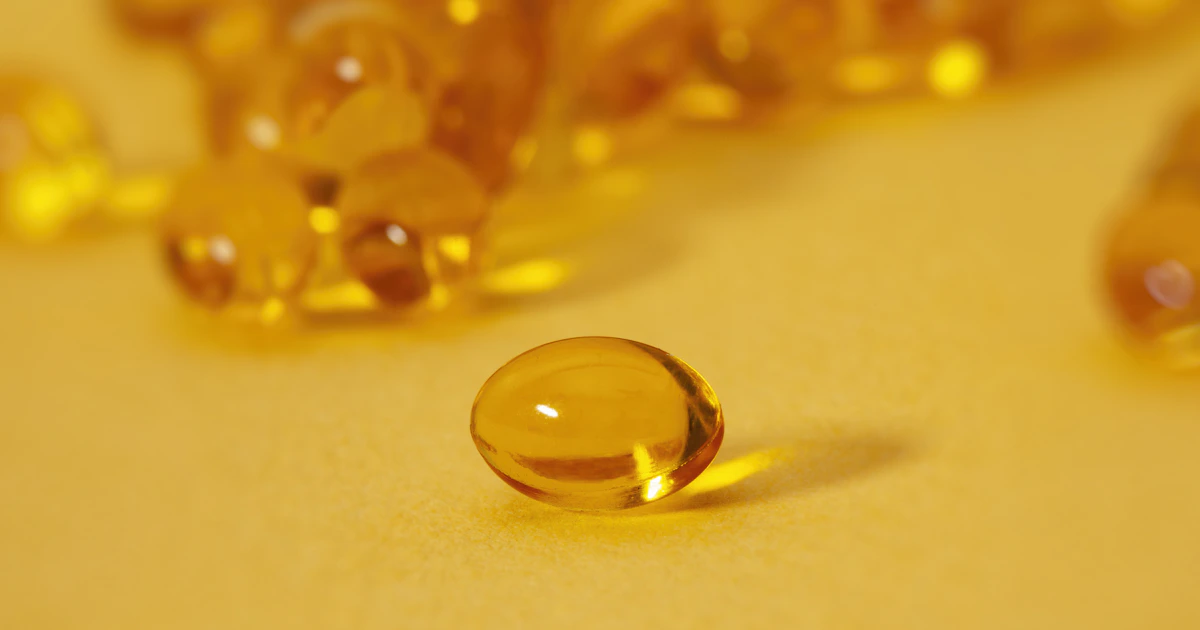
E470b Magnesium Stearate: The Supplement Ingredient You Need to Check
E470b magnesium stearate is Mushbooh — the stearic acid component can be animal-derived (often pork). Critical check for supplement capsules.
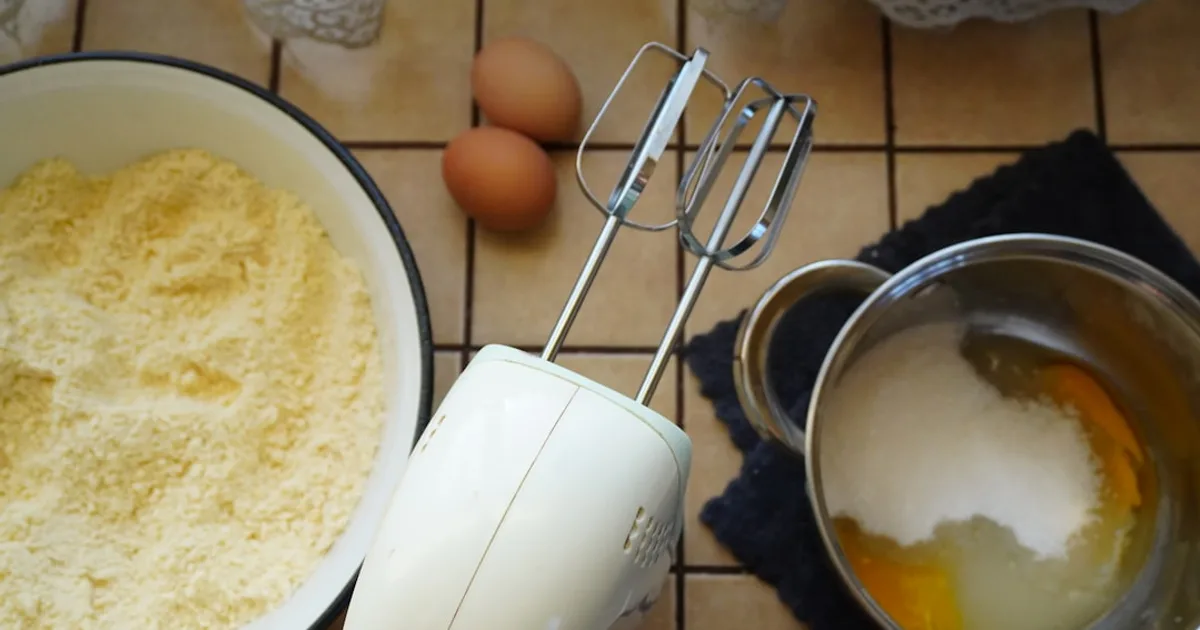
E450 Diphosphates: The Processed Food Additive Most People Miss
E450 diphosphates are halal — they're mineral-derived phosphate salts with no animal components. Found widely in processed meats and baking powder.
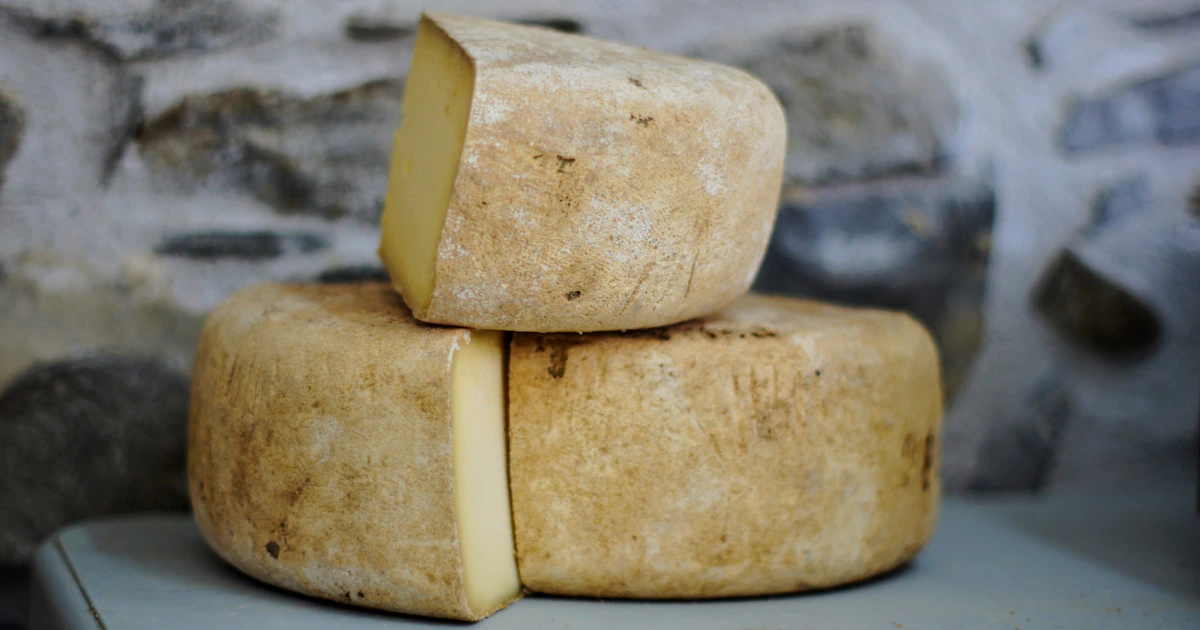
E339 Sodium Phosphates: Halal Guide for Processed Cheese & Meats
E339 sodium phosphates are halal — mineral salts with no animal derivatives. The concern is what they're found IN, not what they're made from.
E322 Lecithin: Soy vs Sunflower — Which Is Halal?
E322 lecithin is usually halal — most is soy or sunflower-derived. Egg lecithin and animal-derived variants exist but are rare. Here's how to tell.
E1442 Hydroxypropyl Distarch Phosphate: Halal Guide (Chips & Sauces)
E1442 is halal — it's a chemically modified starch from corn, potato or tapioca. No animal derivatives. Found in chips, sauces, and frozen foods.
E133 Brilliant Blue FCF: Is This Food Dye Halal?
E133 Brilliant Blue FCF is halal — it's a synthetic petroleum-derived food dye with no animal components. But check what it's used in.
E442 (Ammonium Phosphatides): Halal or Haram? Used in Chocolate (2026)
Is E442 (ammonium phosphatides) halal or haram? It is Mushbooh. Usually rapeseed oil (halal), but the glycerol component may be animal-derived. How to check at the supermarket.
E420 Sorbitol: Is It Halal? Sugar-Free Sweets, Gum & Dried Fruit (2026)
Is sorbitol (E420) halal? Yes — it is a plant-derived sugar alcohol and halal. This guide explains why, which products contain it, and the 'sugar alcohol' confusion explained.
Understanding E-Numbers: A Beginner's Guide for Muslim Shoppers
New to checking E-numbers? This beginner's guide explains what E-numbers are, how they are categorised, and which ones Muslim consumers need to watch out for.
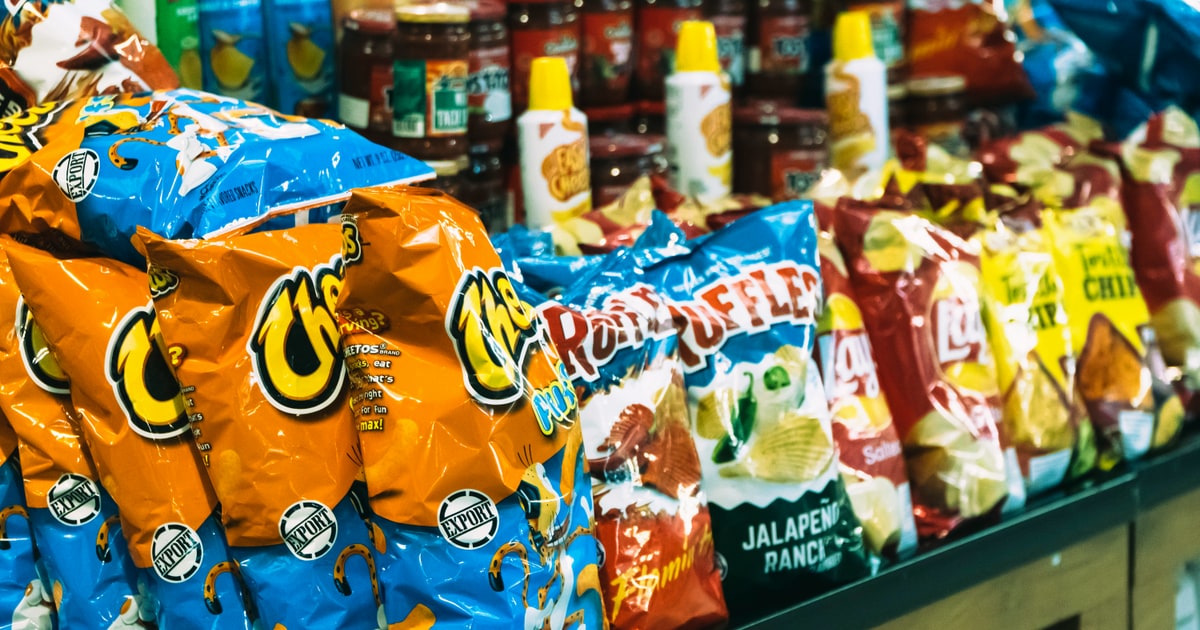
10 E-Codes in Snacks You Should Always Check Before Buying
The 10 most important E-codes to look for when buying snacks as a Muslim consumer. Includes both haram and mushbooh additives with practical identification tips.
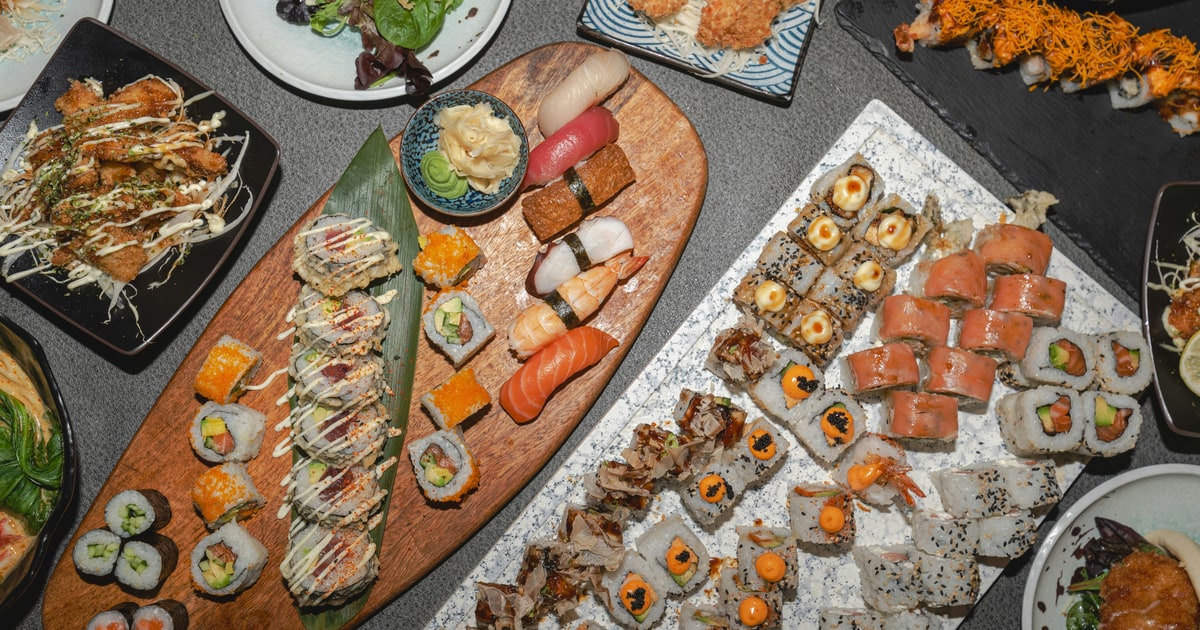
Is Sushi Halal? Rice Vinegar, Mirin & Restaurant Guide (2026)
Most fish sushi is halal. The nuances lie in mirin, rice vinegar, and what else gets added. Full guide to sushi ingredients and halal restaurant dining in 2026.
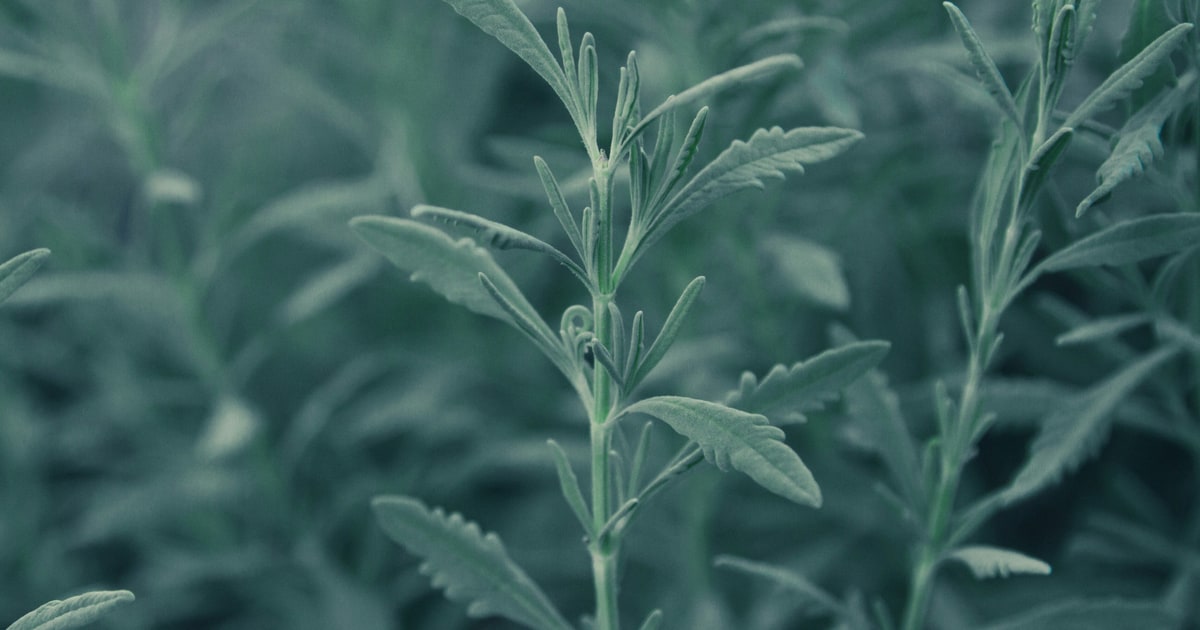
Is Stevia Halal? E960 & Natural Sweetener Ruling (2026)
Stevia (E960) is a 100% plant-derived sweetener from the Stevia rebaudiana leaf. It is halal — no animal derivatives, no alcohol, no haram additives.
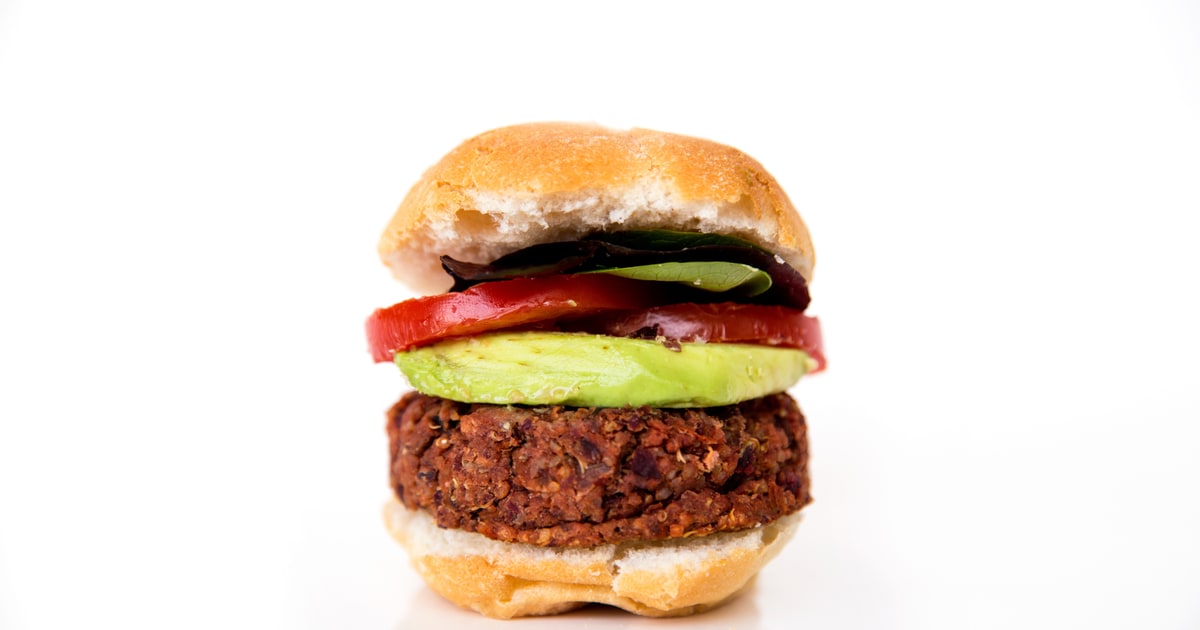
Is Plant-Based Meat Halal? Beyond Meat, Impossible & More (2026)
Beyond Meat, Impossible Foods, Quorn, and Linda McCartney are all plant-based and halal by ingredients — though official halal certification varies by brand.
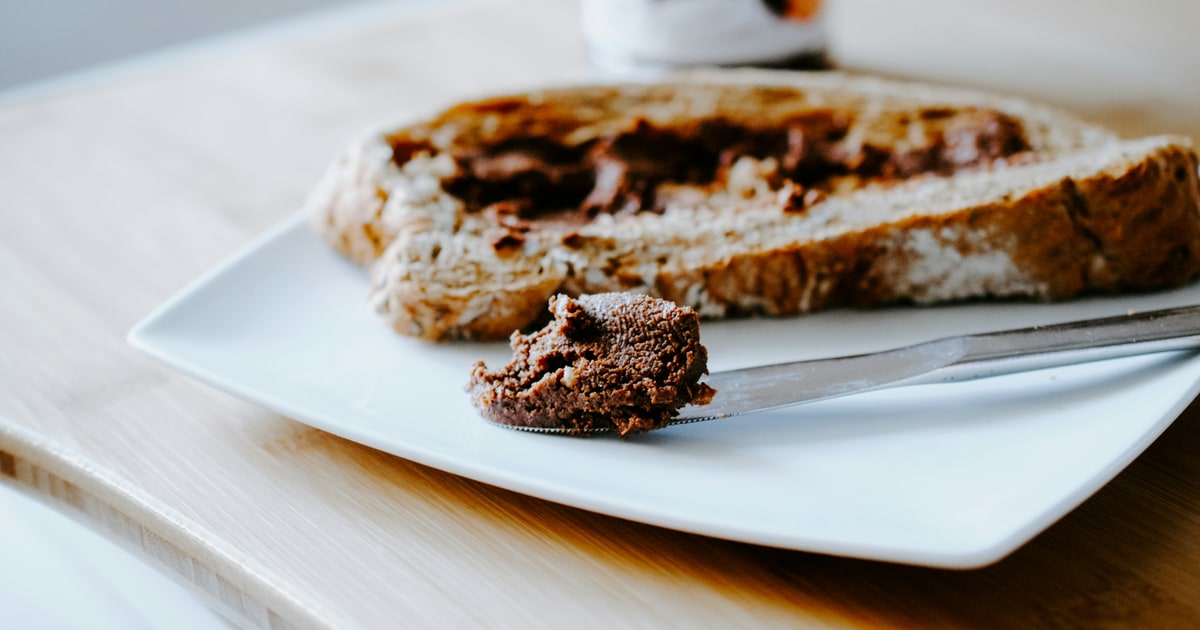
Is Marmite Halal? Yeast Extract & Ingredients Checked (2026)
Marmite is halal. It is made from yeast extract — a by-product of brewing — but contains no alcohol, no meat, and no haram additives in the final product.
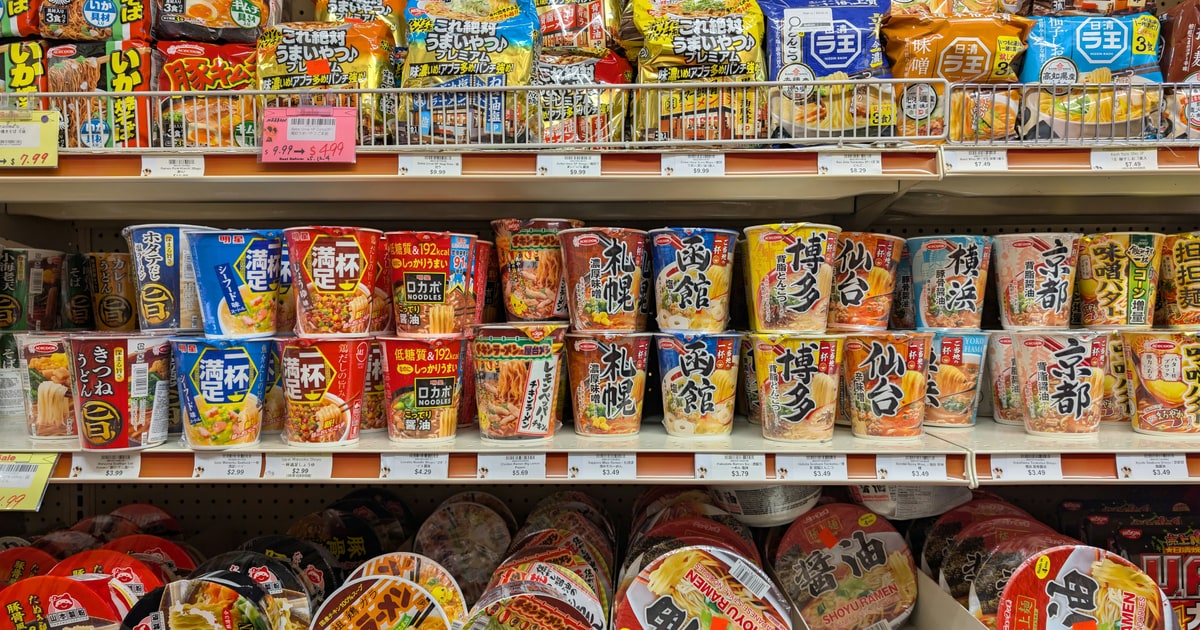
Are Instant Noodles Halal? Nissin, Indomie & Pot Noodle (2026)
Indomie is halal certified. Pot Noodle, Nissin, and Buldak vary by flavour — some are safe, some contain pork or unverified meat extracts. Full brand-by-brand guide.
Is Food Colouring Halal? The E-Numbers That Are Haram (2026)
Most food colourings are synthetic and halal. The exception is E120 (carmine), which is insect-derived and haram. Full guide to every common colour E-code.
Is E441 (Gelatin) Halal? The Complete 2026 Guide
E441 gelatin is Mushbooh — its halal status depends entirely on the animal source. Pork gelatin is haram; halal-certified beef or fish gelatin is permissible.
Is E422 (Glycerol/Glycerin) Halal? Plant vs Animal Sources (2026)
E422 glycerol can be plant-derived (halal) or animal-derived (haram). UK labels don't state the source, making it Mushbooh unless certified halal.
Is E120 (Carmine) Halal? The Insect Dye in Your Food (2026)
E120 (carmine) is derived from crushed insects and is haram. Learn which products contain it and what to look for on food labels.
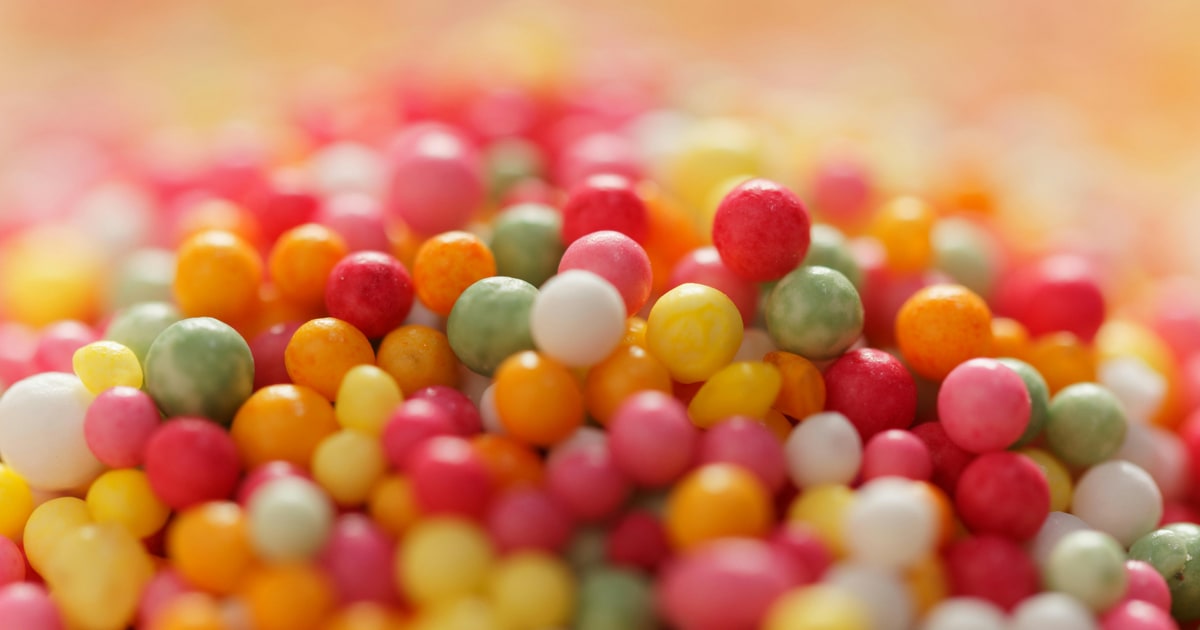
E904 Shellac: The Insect Coating on Your Sweets & Medications
E904 shellac is a glaze made from lac insect secretion. Find out which sweets contain it, what Islamic scholars say, and how to identify it on food labels.
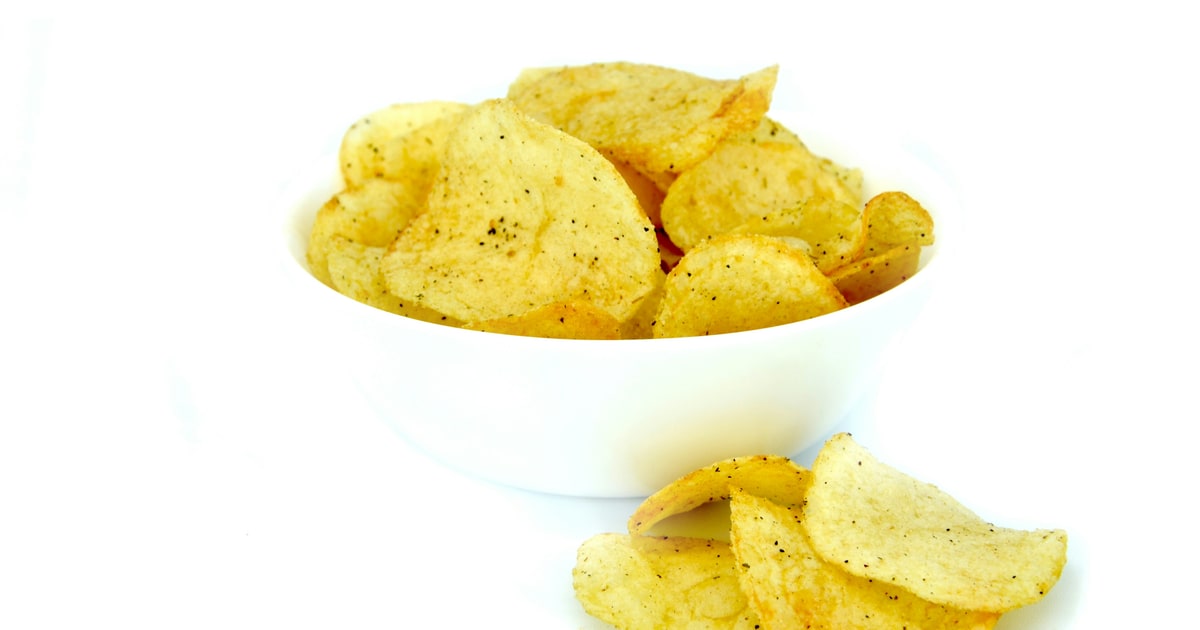
E627 & E631: Halal or Haram? Hidden in Crisps, Noodles & Snacks (2026)
E627 (disodium guanylate) and E631 (disodium inosinate) can be pork-derived. Here's which crisp brands use them and how to tell if they're halal on any label.
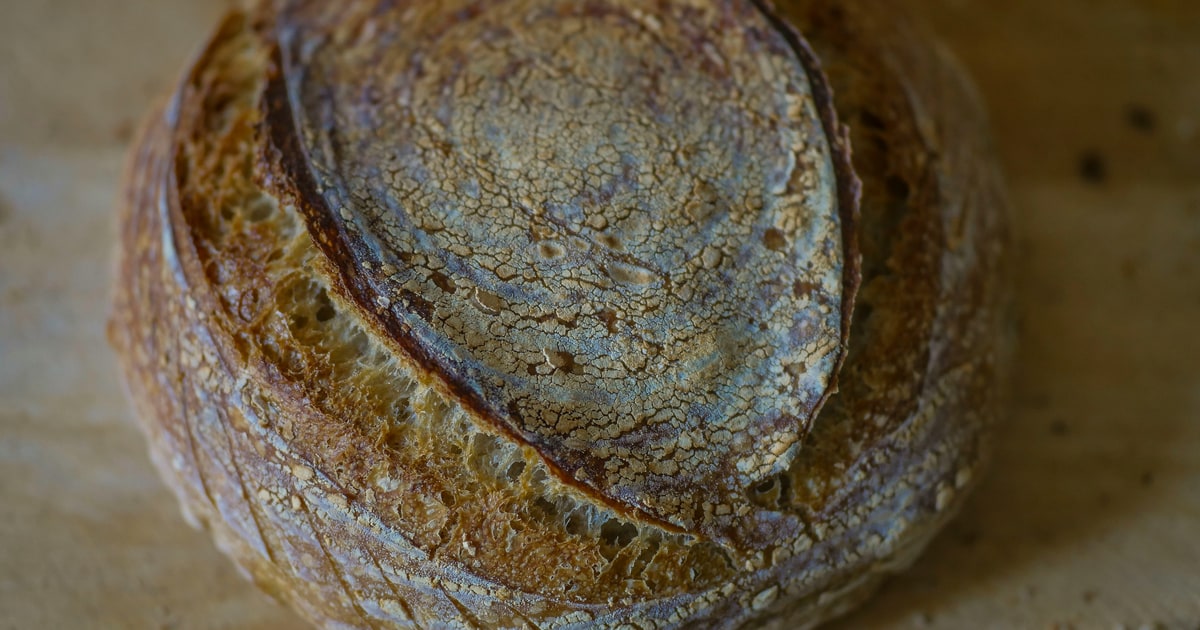
E472e (DATEM): The Bread Emulsifier You Need to Check
E472e (DATEM) is used in bread, pizza dough and baked goods. Like E471, it's derived from fatty acids that can be animal or plant-sourced. Here's what to check.
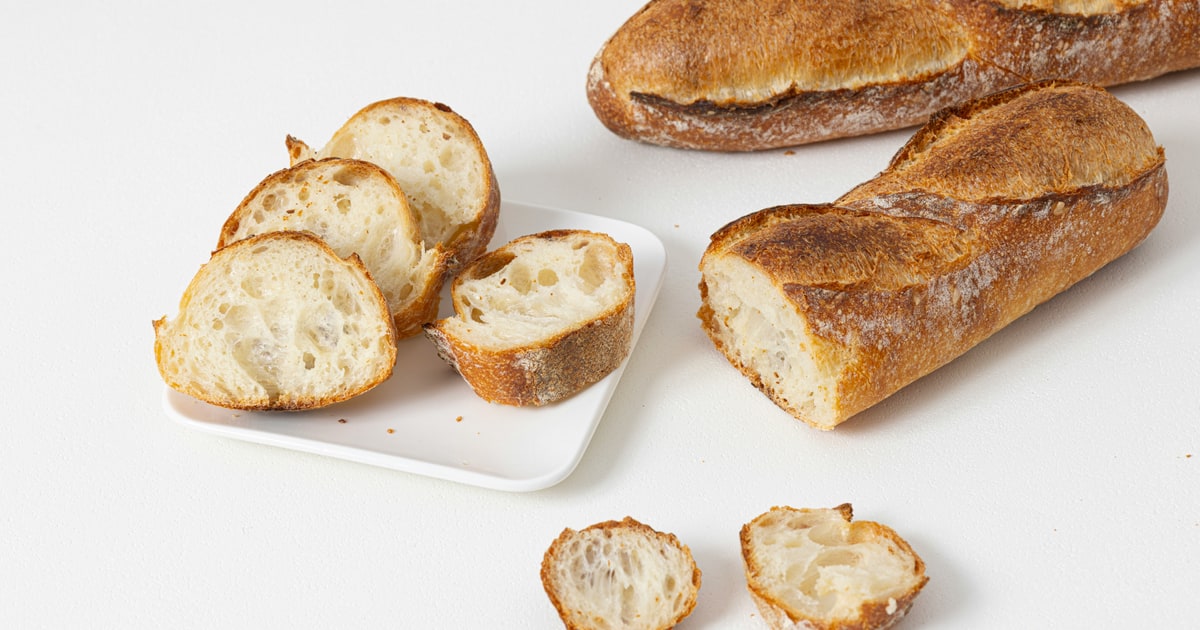
E471 (Mono and Diglycerides): Halal or Haram? Bread, Margarine & More (2026)
E471 is Mushbooh — it depends on whether the source fat is animal or vegetable. Here's how to check on any product — bread, margarine, biscuits, ice cream.
E441 Gelatin: Pork vs Beef vs Fish — The 2026 Guide
The definitive guide to E441 gelatine: which source is halal, which is haram, how to identify gelatine on food labels, and the best halal-friendly alternatives.
E422 Glycerol: Is Glycerin Halal? Source Matters (2026)
Is glycerol (E422) halal? It depends on the source. This guide explains the plant vs animal dilemma, which products contain it, and how to get confirmation.
E160a (Beta-Carotene): Halal, Haram or Mushbooh? The Carrier Problem (2026)
E160a itself is halal — it's a natural plant pigment. But if the carrier solvent is gelatine-based, the product is Mushbooh. Check the label. Full guide.
E120 Carmine: Every UK Product That Contains Insect Dye (2026)
E120 carmine is an insect-derived red dye found in many UK foods. This guide lists every major UK product that contains carmine and what to buy instead.
E101 Riboflavin (Vitamin B2): Halal, Haram or Mushbooh? (2026)
Is riboflavin (E101, Vitamin B2) halal? Commercial food-grade riboflavin is almost always from fermentation — making it halal. Full guide with product list.
E-Code Halal Cheat Sheet: Free Printable (Haram, Halal, Mushbooh)
Free printable E-code halal cheat sheet. All key E-codes colour-coded by halal status — Haram, Mushbooh, and Halal. Perfect for grocery shopping.