
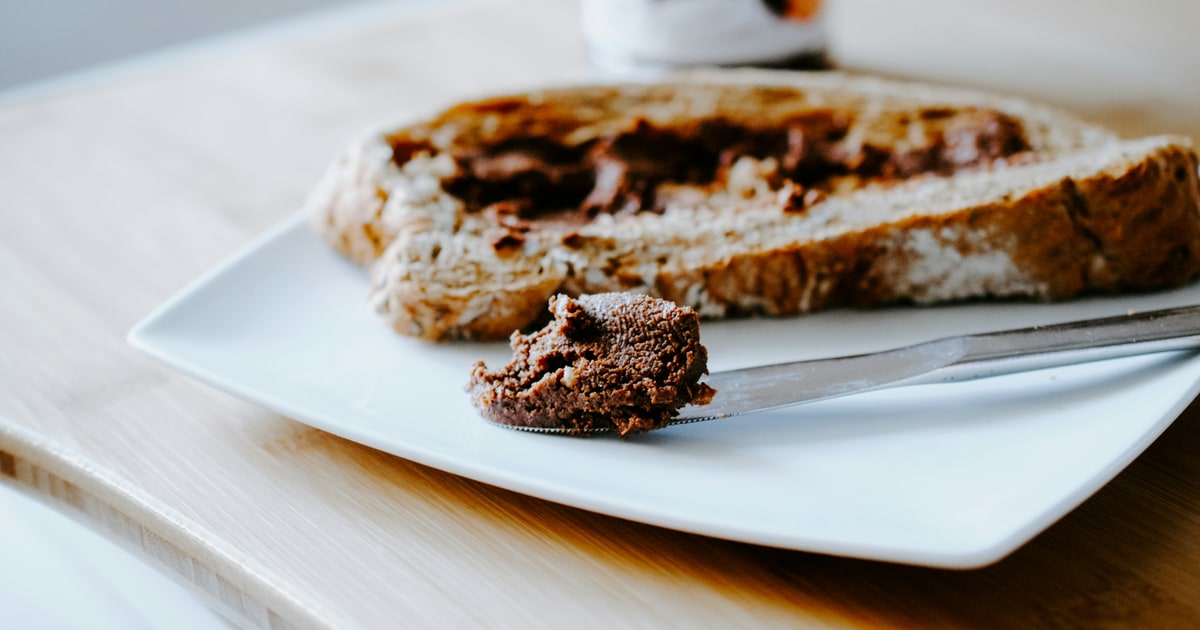
Marmite has divided British households for over a century. You either love it or hate it — and for some Muslim consumers, there’s a third reaction: uncertainty about whether it’s halal at all. The doubt usually centres on one fact: Marmite is made from yeast that comes from a brewery.
That concern is understandable. But it rests on a misunderstanding of what yeast extract actually is, and how it differs from the beer it originates from.
What Is Marmite Made From?
Marmite’s primary ingredient is yeast extract — specifically, it is made from brewer’s yeast, the same species of yeast (Saccharomyces cerevisiae) used to ferment beer. Unilever (which owns Marmite) sources its yeast from the brewing industry; the yeast is a by-product of the beer-making process.
The full Marmite Original ingredient list is:
- Yeast extract (approximately 65%)
- Salt
- Vegetable extract (celery, onion, carrot)
- Spice extracts (including celery seed)
- Vitamins: niacin, thiamin, riboflavin, folic acid, vitamin B12
There is no meat, no gelatin, no lard, no E120 (carmine), and no alcohol listed — because none is present.
The Brewing Connection: Does It Make Marmite Haram?
This is the question at the heart of the matter. Let’s address it directly.
Yeast is not alcohol. Yeast is a living organism — a single-celled fungus. During beer fermentation, yeast cells consume sugars from barley malt and produce two metabolic by-products: carbon dioxide (which carbonates the beer) and ethanol (alcohol). The alcohol is excreted by the yeast into the surrounding liquid — the beer.
When brewing is complete, the yeast settles at the bottom of the fermentation vessel as a dense slurry. This spent yeast is then harvested and sold to companies like Unilever. Crucially, the yeast cells themselves do not contain alcohol — they produce it and excrete it, but it does not accumulate inside the cells in any significant quantity.
Unilever then processes this yeast through autolysis — a process where the yeast cells are induced to break themselves down (using their own internal enzymes), releasing their contents. The resulting liquid is concentrated and becomes yeast extract.
At no point does alcohol enter the yeast extract. The final Marmite product is alcohol-free.
What Do Scholars Say?
The Islamic position on yeast extract has been considered by multiple scholarly bodies. The consensus is that yeast extract is permissible:
- The Halal Food Authority (HFA) considers yeast and yeast extract to be halal
- JAKIM (Malaysia) permits yeast extract in halal-certified products
- Muslim Consumer Group (USA) classifies brewer’s yeast and yeast extract as halal, noting that the yeast cell itself is not alcoholic
The reasoning applied is that the prohibition in Islam is on khamr (intoxicating drinks) and substances that intoxicate. Yeast cells, and the extract derived from them, are not intoxicating and do not contain alcohol. The association with brewing is one of production origin, not of content.
This is analogous to halal vinegar: white wine vinegar is derived from wine through fermentation (acetic acid fermentation), yet is considered permissible by most scholars because the transformation has rendered it non-alcoholic. Yeast extract similarly has been sufficiently transformed from its context of production.
Marmite Variants: Are They All Halal?
Several Marmite variants are sold in the UK:
Marmite Original — Halal. All ingredients as above.
Marmite Reduced Salt — Halal. Reduced sodium version with the same base ingredients.
Marmite XO — Halal. A more intensely flavoured, aged version of Marmite. Same base; no haram additions.
Marmite Peanut Butter — Halal. Contains peanut butter in addition to yeast extract. All ingredients are plant-derived.
Marmite Cheese Crackers and other Marmite-flavoured snacks — Check the individual product. Third-party products using Marmite flavouring will have their own ingredient list; most are halal, but verify E-codes individually.
What About Bovril?
This question often comes up alongside Marmite because the two are similar-looking spreads. Bovril is different — it is a beef-based extract, and while there are vegetarian versions available, the original Bovril contains beef stock. The beef source for Bovril has not been confirmed as halal-slaughtered, so Bovril (original beef version) should be treated as mushbooh and requires halal certification to be considered permissible.
Marmite, by contrast, is entirely plant and yeast-based and does not raise this issue.
Is Marmite Vegan?
Yes — Unilever confirms that Marmite Original is suitable for vegans. The Vegan Society trademark has been associated with Marmite in some markets. This is relevant for halal purposes because vegan products cannot contain animal-derived additives like gelatin, carmine (E120), or animal-derived glycerol — addressing several common halal concerns in one stroke.
Why Some Muslims Remain Cautious
A small number of scholars and community organisations maintain caution about products manufactured in the same facilities as alcohol-containing products, or products that are by-products of prohibited industries (even if the by-product itself is clean). This is a conservative position; it is not the mainstream ruling.
If you follow a more conservative school of thought that extends caution to all products with brewing industry connections, you may choose to avoid Marmite. There are other yeast extracts on the market — including some from non-brewing-industry sources — that may suit this approach better.
For the vast majority of Muslims following the mainstream halal rulings: Marmite is halal.
Summary
| Factor | Detail |
|---|---|
| Product | Marmite Yeast Extract |
| Main ingredient | Yeast extract from brewer’s yeast |
| Alcohol in final product | None |
| Meat content | None |
| Gelatin | None |
| Haram E-codes | None |
| Verdict | Halal |
| Vegan | Yes |
| Similar product to check | Bovril (beef-based — different situation; verify separately) |
Ingredients change. Be first to know.
Brands reformulate without warning. We track every E-code update and halal certification — one short weekly email.
Related Articles
 E-Code Guides
 Is Propylene Glycol (E1520) Halal? The Flavour Solvent Explained
Propylene glycol (E1520) is halal. It is a synthetic diol made from petroleum-derived propylene oxide, contains nothing animal-derived and does not intoxicate. The word 'glycol' is not 'alcohol' in the fiqh sense. Where it does matter: as the carrier in flavourings that may also contain ethanol.
 E-Code Guides
 Is E471 in Baby Food Safe? What Muslim Parents Need to Know (2026)
E471 (mono- and diglycerides) appears in baby rusks, formula, and cereals. Source is rarely disclosed. This guide explains the halal status and which UK brands contain it.
 E-Code Guides
 E Numbers to Avoid for Children: Haram, Harmful and Questionable Additives (2026)
The E numbers children should avoid span two concerns: those that are haram and those with documented health effects. This guide covers both with a full list for parents.