
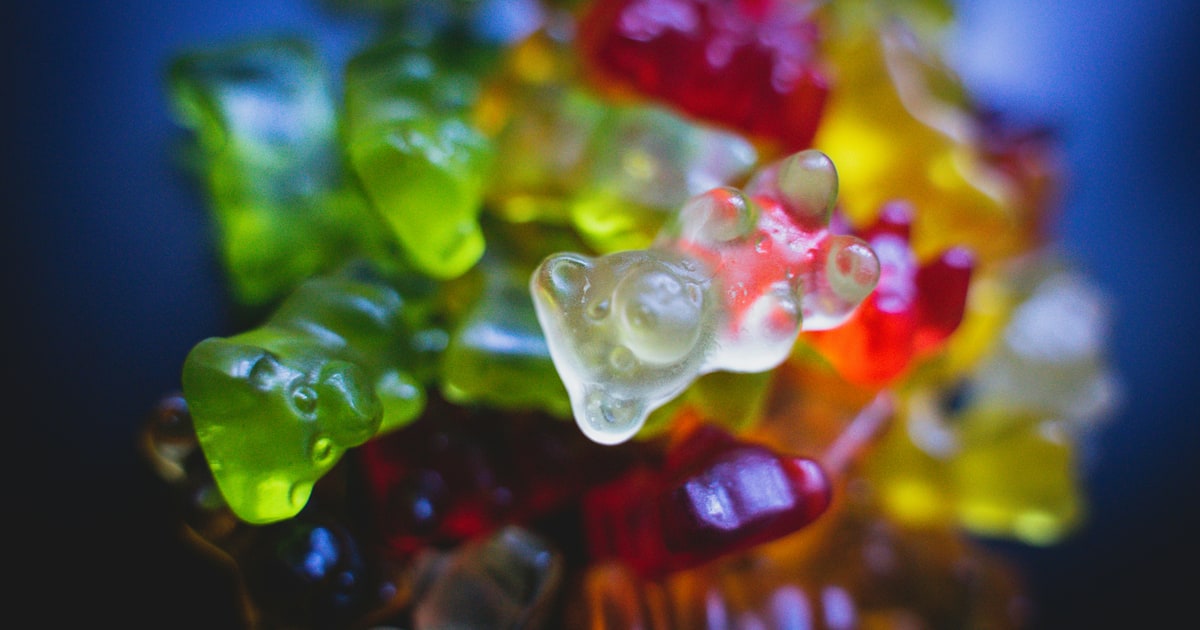
Are Gummy Bears Halal?
Gummy bears are a childhood staple and an adult guilty pleasure — those tiny chewy fruit-flavoured bears that come in bags, bulk bins, and cinema-size pouches. For Muslim consumers, the bad news comes early: the vast majority of gummy bears sold in UK supermarkets are Haram.
The reason is simple: pork gelatine (E441). Gummy bears get their distinctive chewy texture from gelatine — and in most mainstream brands, that gelatine comes from pigs. But there are genuinely good halal alternatives, and this guide ranks them.
Why Most Gummy Bears Are Haram
Gelatine is the backbone of a gummy sweet. It creates the elastic, chewy texture that distinguishes a gummy bear from a jelly baby (which sometimes uses different setting agents). Without gelatine — or a functional alternative — you cannot make a classic gummy bear.
E441 — Gelatine (Porcine) The most common gelatine in UK confectionery manufacturing is porcine — derived from pig skin, bones, and connective tissue. It is cheaper than beef or fish gelatine, has reliable gelling properties, and is produced in vast quantities from the pork processing industry.
Pork gelatine is Haram. There is no ambiguity here. Pork and all its derivatives are explicitly prohibited in Islamic law. Unlike some other E-codes where the debate centres on source ambiguity, pork gelatine is definitively impermissible. For the complete sourcing rules — including when beef gelatine qualifies and why fish gelatine always does — see Is gelatin halal or haram?
E120 — Carmine / Cochineal An additional concern in some gummy sweets is E120 — a red dye extracted from cochineal insects. Not all gummy bears use E120 (many use synthetic azo dyes or beta-carotene), but some brands do. If E120 appears in the ingredient list, the product is Haram for a second independent reason.
Mainstream Gummy Bear Brands: Halal Status
Haribo Goldbears (UK) Status: Haram. Haribo Goldbears manufactured for the UK market contain pork gelatine. The iconic gold bag of bears is one of the most recognisable Haram sweets for Muslim consumers in the UK.
Haribo Starmix, Tangfastics, Supermix Status: Haram. Same pork gelatine issue across the Haribo UK range. Our full Haribo verdict covers every product line and the markets where certified versions exist.
Trolli Gummy Bears Status: Haram. Trolli, another German gummy sweet giant, uses pork gelatine in their standard products.
Maynards Bassetts Wine Gums Status: Haram. Pork gelatine present. Note: wine gums do not contain actual wine, but they do contain pork gelatine.
Swizzels range Status: Haram. Most Swizzels products (Love Hearts, Rainbow Drops, Refreshers) are actually gelatine-free — except for their gummy products. Swizzels chewy gummies use gelatine.
Jelly Belly Jelly Beans Status: Halal (with caveats). Jelly Belly jelly beans do not contain gelatine — they use a plant-based shell. However, they contain beeswax (confectioner’s glaze, E901) — permissible in most scholarly opinions. Check specific flavours for E120.
Halal Gummy Bear Brands: Ranked
1. Bebeto (Turkey) Rating: Excellent. Bebeto is a Turkish confectionery brand with halal certification across their entire gummy range. Their gummy bears, sour worms, peach hearts, and cola bottles are all made with beef gelatine (halal-certified, from Islamically slaughtered animals). Bebeto products are widely available in UK Islamic supermarkets, Turkish grocers, and increasingly in mainstream supermarkets. Look for the halal logo on the packaging — it is prominently displayed.
2. Haribo (Turkey production) Rating: Very Good — with caveats. Haribo operates a manufacturing facility in Turkey and produces halal-certified gummy bears for the Turkish and export halal markets. These products use certified beef gelatine and carry halal certification logos. They are not the same product as UK Haribo. To be sure you’re getting halal Haribo, check: (a) the packaging explicitly says “halal”, (b) a recognised halal logo is present, (c) the label indicates Turkish manufacture.
3. Barratt Halal Range Rating: Good. Barratt (owned by Tangerine Confectionery) produces a dedicated halal sweets range sold in the UK. Their halal gummy products use beef gelatine with certification. Available in Poundland, Home Bargains, and Islamic supermarkets — our Home Bargains and B&M discount guide covers how to shop those sweet aisles without falling into the gelatine traps next to the certified packs.
4. Vidal Halal Range Rating: Good. Vidal is a Spanish confectionery brand with a specific halal product line. Their halal gummies carry certification and are manufactured separately from their standard (pork gelatine) range. Available through specialist import retailers.
5. Gelatine-Free Vegan Gummies Rating: Halal (different texture). A growing number of vegan gummy bears exist on the market, using pectin, agar-agar, or carrageenan as setting agents instead of gelatine. These are halal but often have a firmer, less elastic texture than traditional gelatine-based gummies. Brands include:
- SmartSweets (pectin-based, widely available)
- Surf Sweets (organic, vegan)
- Organic Gummies by various health food brands
- Supermarket own-brand vegan jelly sweets
How to Spot Halal Gummy Bears in Store
Quick checklist for reading gummy sweet labels:
- Check for “gelatine” in the ingredients. If present without a source, assume porcine in UK products.
- If gelatine is listed, look for “beef gelatine.” Even beef gelatine requires halal certification — just because it says beef doesn’t make it halal automatically.
- Look for the halal logo. HMC (Halal Monitoring Committee crescent), HFA (Halal Food Authority shield), or overseas equivalents (JAKIM, MUI, etc.).
- Look for “suitable for vegetarians.” Vegetarian products contain no meat gelatine. They may use other setting agents, some of which are halal (pectin, agar) and some which need checking.
- “Suitable for vegans” — virtually guarantees no animal gelatine. Check other E-codes.
- Check for E120 in the colours list. Especially in red and pink coloured sweets.
The Gelatine Transformation Debate
Some consumers have heard of the Islamic legal concept of istihalah — complete transformation — under which a substance so thoroughly changed from its original form may become permissible. Some scholars have applied this to gelatine, arguing that the chemical transformation from animal collagen to gelatine protein is so complete that the original impurity no longer applies.
This position is held by some scholars, particularly in the Shafi’i school, and has been adopted by certain fatwa committees. However, major halal certification bodies — including JAKIM, IFANCA, HMC, and the European Council for Fatwa and Research — do not accept this view and require gelatine to be from halal-slaughtered animals or non-animal sources.
For practical purposes, follow your local scholar’s guidance and use recognised halal certification as your benchmark for purchased products.
Summary
| Factor | Detail |
|---|---|
| Status | Haram (most mainstream brands) |
| Main Concern | E441 (pork gelatine) — Haram; E120 (carmine) in some red varieties |
| Haram Brands | Haribo (UK), Trolli, Maynards Bassetts, most supermarket own-brand |
| Halal Brands | Bebeto, Haribo Turkey (certified), Barratt halal range, Vidal halal range |
| Vegan Options | SmartSweets, Surf Sweets, vegan supermarket own-brand (check E-codes) |
| Verdict | Do not eat standard UK gummy bears; choose certified halal brands or vegan alternatives |
Swapping the gold bag for something certified is the easy part. We’ve ranked the halal-certified gummy sweets and jelly candies you can order online, including the Turkish brands that rarely make it onto a UK shelf.
Ingredients change. Be first to know.
Brands reformulate without warning. We track every E-code update and halal certification — one short weekly email.
Related Articles
 Shopping Guides
 Are Bassett's Sweets Halal? Jelly Babies, Wine Gums & the Sherbet Exception
Bassett's Jelly Babies and Wine Gums contain pork gelatine — haram. Liquorice Allsorts use E120 cochineal — also haram. Two products in the range are the exception.
 Shopping Guides
 Halal Gummy Sweets in the UK: Which Brands Are Certified (2026)
Haribo UK uses pork gelatine and is Haram. SweetZone and Bebeto are HMC-certified. Here is the complete ranked list of gummy sweet brands for UK Muslims, including Pic n Mix traps to avoid.
 Shopping Guides
 Halal Gummy Sweets in Sweden: Lösgodis and What Swedish Muslims Buy (2026)
Sweden's lösgodis culture makes gummy shopping tricky — most pick-and-mix contains pork gelatine. Here is which Swedish sweets are safe and where to find them.