
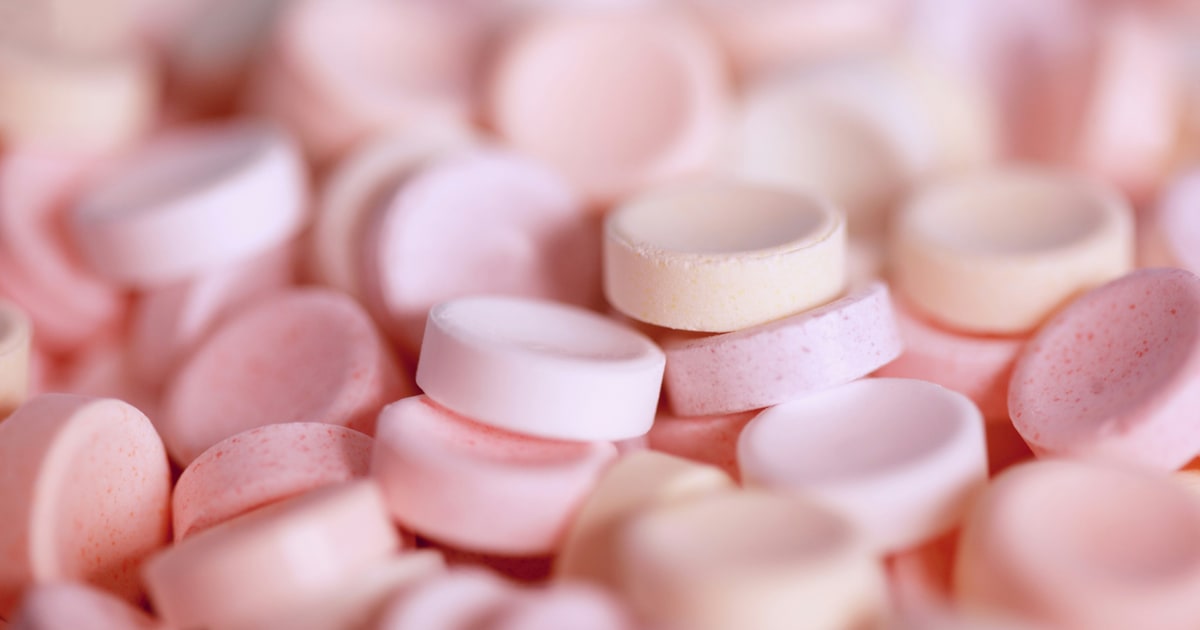
If you have spotted E420 or “sorbitol” on a food label and wondered whether it is halal, the short answer is yes — it is halal. But the name “sugar alcohol” understandably causes confusion, and it is worth understanding exactly what sorbitol is and where it comes from before you trust that reassurance.
What Is E420 Sorbitol?
Sorbitol (also listed as E420 or glucitol) is a sugar alcohol — a type of carbohydrate that occurs naturally in many fruits, including apples, pears, prunes, and berries. Commercially, it is produced by reducing glucose, which is typically extracted from corn starch, wheat starch, or potato starch — all plant sources.
The result is a white, water-soluble powder or syrup that is approximately 60% as sweet as table sugar, with fewer calories and a much lower glycaemic impact. This makes it useful in diabetic and reduced-calorie food products where manufacturers want some sweetness without the full blood sugar response of sucrose.
Why “Sugar Alcohol” Does Not Mean Haram
The term “sugar alcohol” causes understandable concern. It does not refer to ethanol — the intoxicating substance in alcoholic drinks. It is a chemistry term describing a molecular structure where a sugar’s carbonyl group has been converted to a hydroxyl group. The result is a completely different compound with no intoxicating properties.
Sorbitol, xylitol, mannitol, erythritol, and maltitol are all sugar alcohols. None of them are capable of causing intoxication, even in very large quantities. They are structurally unrelated to ethanol and behave completely differently in the body.
The Islamic prohibition on alcohol relates specifically to intoxicating substances — primarily ethanol. Sugar alcohols do not fall within this prohibition. This position is consistent across all major Islamic scholarly bodies and halal certification organisations including HFA, HMC, JAKIM, and MUI.
Sources: Always Plant-Derived
Unlike some additives where source matters and varies by manufacturer, sorbitol used in food is almost exclusively plant-derived. The commercial production process requires glucose as a starting material, which is sourced from corn, wheat, or potatoes. There is no animal-derived route to commercial sorbitol production.
This is why halal certification bodies classify E420 as straightforwardly halal rather than mushbooh — there is no source ambiguity to resolve.
Products That Commonly Contain E420
Sugar-free chewing gum — This is the most visible category. Wrigley’s Extra, Orbit, Airwaves, and most other mainstream sugar-free gum products use sorbitol as their primary sweetener and bulking agent. The label will usually list “sorbitol” by name rather than the E420 code.
Sugar-free mints and sweets — Tic Tac mints, Werther’s Original Sugar Free, and most diabetic-range boiled sweets use sorbitol. Sugar-free versions of well-known sweet brands frequently use it as a replacement for sucrose.
Diabetic food ranges — Sorbitol was one of the first sweeteners widely adopted in diabetic foods because of its low glycaemic index. Supermarket own-brand diabetic biscuits, diabetic chocolate, and similar products often rely on sorbitol.
Dried fruits — Commercially packaged prunes, dates, raisins, and cranberries sometimes have sorbitol added to maintain moisture and prevent crystallisation. This is more common in US-produced dried fruit products, but it also appears in some UK products.
Baked goods — Some commercial cakes, cookies, and muffins use sorbitol as a humectant — to retain moisture and extend shelf life in ways that keep the product soft.
Medicines and toothpaste — Sorbitol is widely used in liquid medicines (especially children’s medicines) and toothpaste as a sweetener and thickener. This is not a food concern but is worth knowing for those who check all consumables.
The Laxative Effect: A Food Safety Note
One practical point worth knowing: sorbitol has a laxative effect in larger quantities. This is not a halal concern but a physiological one. The digestive system absorbs sorbitol slowly, and unabsorbed sorbitol draws water into the intestine, which can cause bloating, gas, and loose stools in some people — particularly those with irritable bowel syndrome.
Food products using sorbitol are required by EU and UK regulations to carry the warning “excessive consumption may produce laxative effects” when the product contains more than 10% sorbitol. This is a health label, not a haram indicator.
Is Sorbitol Syrup Halal?
Yes. Sorbitol syrup (also called liquid sorbitol or 70% sorbitol solution) is the liquid form of the same ingredient. It is produced by the same process from the same plant-derived glucose and has the same halal status. It appears in some confectionery, baked goods, and liquid products.
E420 in Cosmetics and Toothpaste
Sorbitol also appears in toothpaste, mouthwash, skincare, and cosmetic products. For those who consider personal care products as part of their halal practice, E420 in these contexts is still halal — the source is the same plant-derived glucose, and there are no animal inputs.
E-Code Quick Reference
| E-Code | Name | Halal Status |
|---|---|---|
| E420 | Sorbitol / Glucitol | Halal (plant-derived sugar alcohol) |
| E421 | Mannitol | Halal (plant-derived sugar alcohol) |
| E953 | Isomalt | Halal (derived from sucrose) |
| E965 | Maltitol | Halal (derived from maltose/starch) |
| E967 | Xylitol | Halal (plant-derived sugar alcohol) |
| E968 | Erythritol | Halal (fermentation-derived) |
All sugar alcohols in the E-number system are halal. The “alcohol” in their name is a chemical classification, not a reference to ethanol or any intoxicating substance.
Ingredients change. Be first to know.
Brands reformulate without warning. We track every E-code update and halal certification — one short weekly email.
Related Articles
 E-Code Guides
 E951 Aspartame: Is It Halal? Diet Coke, Sugar-Free & More (2026)
E951 aspartame is halal — it's a synthetic amino acid sweetener with no animal derivatives. But check the capsule carrier in supplement form.
 E-Code Guides
 E950 Acesulfame K: Halal, Haram or Mushbooh? Complete Guide
E950 Acesulfame K is halal — it's a synthetic sweetener with no animal-derived ingredients. Found in energy drinks, diet foods, and sugar-free gum.
 E-Code Guides
 Is Propylene Glycol (E1520) Halal? The Flavour Solvent Explained
Propylene glycol (E1520) is halal. It is a synthetic diol made from petroleum-derived propylene oxide, contains nothing animal-derived and does not intoxicate. The word 'glycol' is not 'alcohol' in the fiqh sense. Where it does matter: as the carrier in flavourings that may also contain ethanol.