
If you’re checking sodium citrate on an ingredient label, the answer is short: it’s halal, without qualification.
Why Sodium Citrate Is a Clean Case
E331 is produced synthetically by combining citric acid with sodium hydroxide — two inputs with no animal origin and no alcohol involvement. This is different from the more common E-codes flagged across this site (E471, E476, gelatine) precisely because there’s no undisclosed sourcing question to resolve. The manufacturing process is fully synthetic and consistent, regardless of which company produces it.
Where You’ll Find It
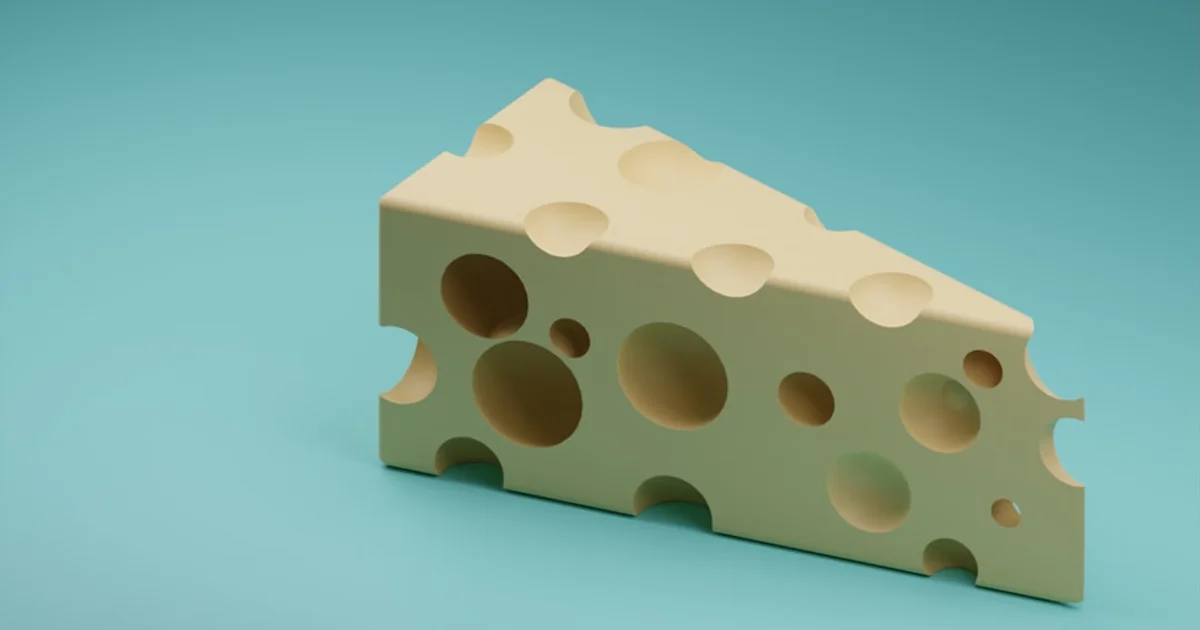
Sodium citrate’s main job is as an acidity regulator and emulsifying salt — its most recognisable use is in processed cheese, where it’s the ingredient responsible for the smooth, meltable texture of cheese slices, spreads, and cheese sauces (the kind that doesn’t separate into oil and solids when heated). Beyond cheese, it turns up in soft drinks, ice cream, jelly, jam, energy drinks, and sports drinks, usually in small quantities to balance acidity and stabilise texture.
Summary
| Question | Answer |
|---|---|
| Is sodium citrate (E331) halal? | Yes — fully synthetic, no animal or alcohol source |
| Most common use | Processed cheese texture |
| Any madhab disagreement? | None — this is a settled, non-contested case |
Look up any other E-code in the E-codes database.
To scan a full ingredient list for halal status in seconds, use the ingredient scanner.
How we reached this verdict
We checked the following Tier-1 sources before publishing this verdict:
- Manufacturing/chemistry sources: confirmed sodium citrate’s fully synthetic production route (citric acid + sodium hydroxide), with no animal-derived or alcohol-based inputs at any stage.
- Halal certification bodies: sodium citrate is universally accepted as halal by all major certification bodies, with no contested cases found.
- Sunni fatwa scholarship across the four madhabs: synthetic, non-animal-derived, non-alcohol ingredients carry no inherent halal concern under any of the four madhabs.
Madhab note
The four Sunni madhabs converge without exception on this verdict — sodium citrate’s fully synthetic production process, free of animal or alcohol involvement, places it outside any of the areas of scholarly disagreement that apply to other E-codes on this site.
Ingredients change. Be first to know.
Brands reformulate without warning. We track every E-code update and halal certification — one short weekly email.
Related Articles
 E-Code Guides
 Is Propylene Glycol (E1520) Halal? The Flavour Solvent Explained
Propylene glycol (E1520) is halal. It is a synthetic diol made from petroleum-derived propylene oxide, contains nothing animal-derived and does not intoxicate. The word 'glycol' is not 'alcohol' in the fiqh sense. Where it does matter: as the carrier in flavourings that may also contain ethanol.
 E-Code Guides
 Is Aspartame (E951) Halal? The Old Alcohol Myth Explained (2026)
Aspartame (E951/NutraSweet) is synthetic, made from amino acids. Alcohol is used in processing but doesn't appear in the finished sweetener — most scholars and certifiers now rule it halal.
 E-Code Guides
 Is Xanthan Gum (E415) Halal? The Fermentation Question Answered
Xanthan gum (E415) is halal. It's produced by bacterial fermentation of plant sugars — no animal ingredients, no alcohol. Here's how it's made and why scholars agree.