
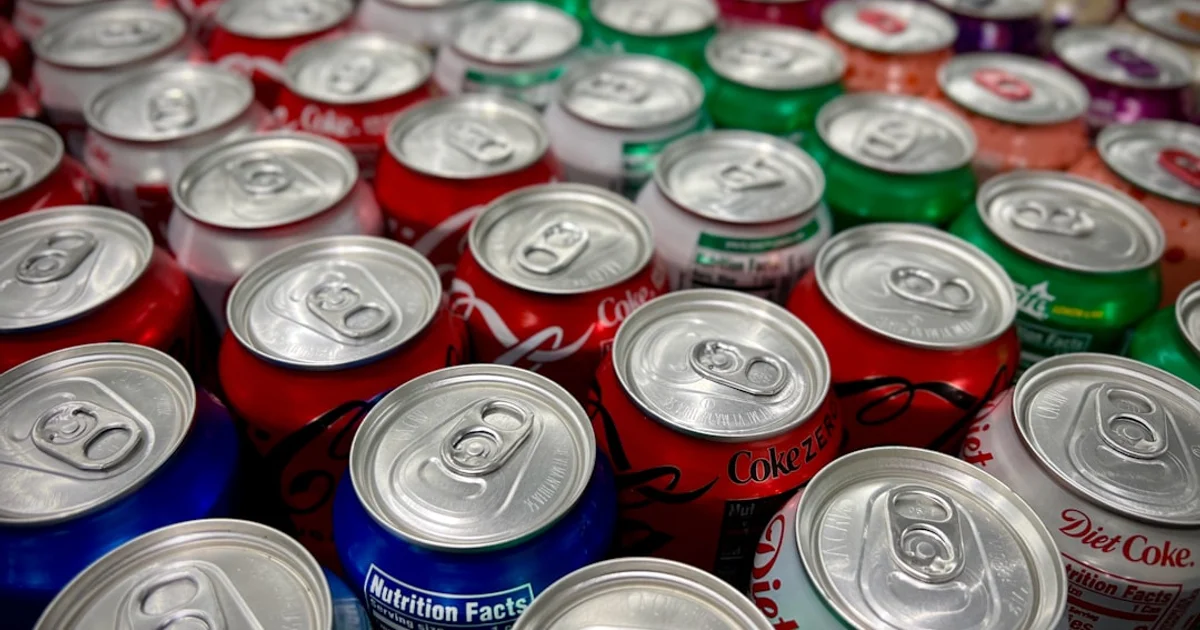
Aspartame — sold under brand names like NutraSweet and Equal, and listed on ingredient panels as E951 — carries a persistent halal myth that’s worth clearing up directly: it’s not haram because of alcohol in the final product, because there isn’t any.
What Aspartame Actually Is
Aspartame is a fully synthetic sweetener, roughly 200 times sweeter than sugar, made by combining two amino acids — aspartic acid and phenylalanine. Neither of these building blocks is animal-derived or connected to any halal concern on its own. It shows up in diet soft drinks, sugar-free chewing gum, sugar-free yoghurt, tabletop sweetener packets, protein bars and powders, sugar-free energy drinks, and some coffee products.
Where the Alcohol Confusion Comes From
The industrial synthesis process for aspartame uses methanol (a type of alcohol) as one of the reaction inputs at an intermediate manufacturing stage. That single fact is the origin of older halal databases and some cautious rulings listing aspartame as haram — the reasoning being that any alcohol involvement in production disqualifies the final product, regardless of whether it remains.
The mainstream contemporary position doesn’t apply that standard. The methanol used in synthesis is consumed in the chemical reaction and does not appear in, or contribute to, the finished aspartame molecule — there is no alcohol content in the sweetener you actually consume. Most scholars and halal certification bodies now rule modern aspartame halal on this basis, treating it the same way processing solvents and reaction intermediates are treated elsewhere in food chemistry: what matters is what’s present in the finished product, not every substance that touched the process along the way.
Should You Still Look for Halal-Certified Products?
If you follow a more cautious position — particularly some Hanafi-leaning scholarly guidance — you may prefer to seek out products where aspartame use is confirmed by an explicit halal certification, rather than relying on the general “processing alcohol doesn’t count” ruling. This isn’t because aspartame itself is disputed among certifiers; it’s a matter of personal caution level, the same way some Muslims prefer certified products even for ingredients most scholars agree are halal.
Summary
| Question | Answer |
|---|---|
| Is aspartame (E951) halal? | Yes, per the majority contemporary position |
| Does alcohol remain in the finished sweetener? | No — methanol is consumed during synthesis |
| Who disagrees? | A minority cautious (often Hanafi-leaning) position — seek certified products if this concerns you |
| Common products | Diet drinks, sugar-free gum, protein powder, tabletop sweeteners |
Look up any other E-code in the E-codes database.
To scan a full ingredient list for halal status in seconds, use the ingredient scanner.
How we reached this verdict
We checked the following Tier-1 sources before publishing this verdict:
- Halal certification bodies: most major halal certifiers accept modern aspartame as halal, consistent with treating processing alcohol as distinct from present-ingredient alcohol.
- Chemical/manufacturing sources: confirmed methanol’s role as a synthesis-stage input that does not persist in the finished aspartame molecule.
- Sunni fatwa scholarship across the four madhabs: mainstream contemporary rulings across Hanafi, Maliki, Shafi’i, and Hanbali positions distinguish processing alcohol that evaporates or is chemically consumed from alcohol present as a named ingredient; a minority Hanafi-leaning cautious position still recommends certified products specifically.
Madhab note
The four Sunni madhabs broadly converge on the rules applied in this guide:
- Processing alcohol that does not remain in the finished product — treated leniently across the mainstream Hanafi, Maliki, and Shafi’i positions; a more cautious minority Hanafi-leaning view recommends certified products regardless.
- Synthetic, non-animal-derived sweeteners — no inherent concern under any of the four madhabs.
If your madhab or personal standard differs on processing alcohol specifically, consult a competent scholar in your tradition for a binding ruling.
Ingredients change. Be first to know.
Brands reformulate without warning. We track every E-code update and halal certification — one short weekly email.
Related Articles
 E-Code Guides
 E951 Aspartame: Is It Halal? Diet Coke, Sugar-Free & More (2026)
E951 aspartame is halal — it's a synthetic amino acid sweetener with no animal derivatives. But check the capsule carrier in supplement form.
 E-Code Guides
 E950 Acesulfame K: Halal, Haram or Mushbooh? Complete Guide
E950 Acesulfame K is halal — it's a synthetic sweetener with no animal-derived ingredients. Found in energy drinks, diet foods, and sugar-free gum.
 E-Code Guides
 Is Propylene Glycol (E1520) Halal? The Flavour Solvent Explained
Propylene glycol (E1520) is halal. It is a synthetic diol made from petroleum-derived propylene oxide, contains nothing animal-derived and does not intoxicate. The word 'glycol' is not 'alcohol' in the fiqh sense. Where it does matter: as the carrier in flavourings that may also contain ethanol.