
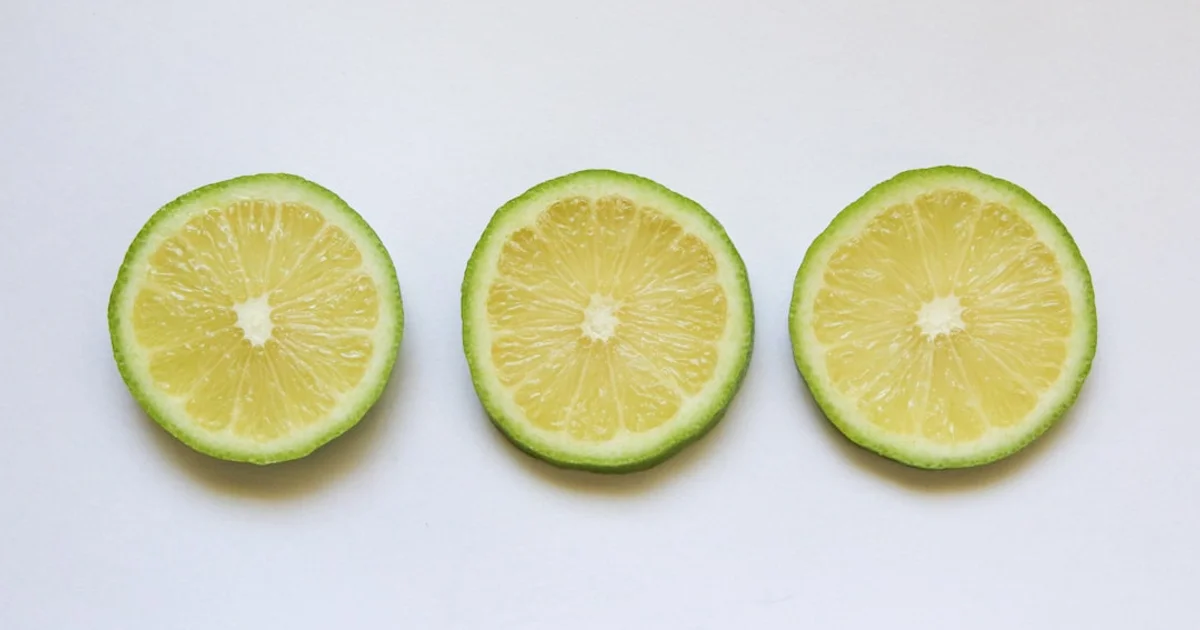
E330 is Halal. Citric acid is produced by fermenting plant-derived sugars — no animals are involved at any stage. It is one of the most widely used food additives in the world and poses no concern for halal consumers.
People sometimes question E330 because it sits in the E3xx range alongside more complex additives, and because the word “fermentation” triggers concern (some fermentation processes involve animal-derived inputs). For citric acid, this concern does not apply.
What is E330?
E330 is the food additive code for citric acid — a weak organic acid found naturally in citrus fruits (lemons, limes, oranges). As a food additive, it is used as:
- Acidity regulator — to control pH and add tartness (beverages, confectionery)
- Preservative — to inhibit bacterial growth and extend shelf life
- Flavour enhancer — the characteristic sharp, tangy taste in many products
- Antioxidant synergist — works alongside antioxidants to prevent oxidation
You will find E330 in: soft drinks, fruit juices, sweets, jams, tinned tomatoes, cheese, ice cream, bread, crisps, and many processed foods.
How is citric acid (E330) made?
Almost all commercial citric acid is produced by fermentation using the mould Aspergillus niger, fed on glucose or sucrose derived from:
- Corn starch (most common)
- Sugar cane molasses
- Sugar beet molasses
All of these are plant sources. The mould converts the sugar into citric acid, which is then extracted, purified, and dried into crystals or powder.
There is no animal involvement in this process. The fermentation substrate is plant-derived, the mould organism is fungal (not animal), and the final product is a pure organic acid.
Is E300 (Vitamin C / Ascorbic Acid) also halal?
Yes — E300 (Ascorbic Acid) is Halal. It is the synthetic form of Vitamin C, produced from glucose (usually from corn) through chemical synthesis. Like E330, it has no animal origin and is universally accepted as halal.
Both E330 and E300 are commonly found in similar product categories and are sometimes confused because they share similar antioxidant/acidulating roles. The halal ruling is the same for both: Halal, no verification needed.
| E-Code | Name | Status | Source |
|---|---|---|---|
| E300 | Ascorbic Acid (Vitamin C) | ✅ Halal | Glucose (plant-derived), chemical synthesis |
| E330 | Citric Acid | ✅ Halal | Glucose/sucrose fermentation (plant-derived) |
| E331 | Sodium citrates | ✅ Halal | Derived from E330 |
| E332 | Potassium citrates | ✅ Halal | Derived from E330 |
| E333 | Calcium citrates | ✅ Halal | Derived from E330 |
Why do people question E330?
The confusion about E330 typically comes from:
-
The E3xx range contains some mushbooh codes — E322 (lecithin from animal sources), E339 (sodium phosphates with possible animal carriers) sit in the same block, creating a perception that all E3xx codes need checking. They do not. Each code must be evaluated individually.
-
Fermentation = concern? Some Muslims have learned that fermented products may involve porcine enzymes or other haram inputs. This concern applies to some fermentation processes (e.g. certain cheese enzymes, some flavour compounds) but not to citric acid fermentation, which uses simple sugars and a non-animal mould.
-
Citric acid from citrus fruits — natural citric acid extracted directly from citrus is obviously halal, but this is not how commercial E330 is produced. The commercial route is fermentation, and that route is also halal.
Summary
| Question | Answer |
|---|---|
| Is E330 halal? | ✅ Yes — Halal |
| Is E300 halal? | ✅ Yes — Halal |
| Source of E330 | Plant-derived sugars (corn, sugar cane) |
| Fermentation organism | Aspergillus niger mould — not animal |
| Animal inputs? | None |
| Verification needed? | No — E330 is safe to consume without checking |
Look up any E-code from your product label in the E-codes database.
To scan a full ingredient list for halal status in seconds, use the ingredient scanner.
How we reached this verdict
We checked the following Tier-1 sources before publishing this verdict:
- Halal certification bodies (HMC, HFA, JAKIM, MUI, IFANCA): E330 and E300 are classified as Halal by all major certification bodies without qualification.
- Manufacturer statements: Citric acid specifications confirm plant-derived fermentation substrate (glucose/sucrose) in all mainstream commercial production.
- Sunni fatwa scholarship across the four madhabs: No madhab has raised an objection to citric acid or ascorbic acid. Both are accepted as halal across all schools.
Madhab note
The four Sunni madhabs are fully aligned on E330 and E300:
- Pork-derived sources — Not applicable to E330 or E300; no animal inputs.
- Fermentation — All four madhabs accept fermentation products where the substrate and organism are halal, which applies to citric acid production.
- Plant-derived chemicals — Halal across all four madhabs.
For binding rulings on specific products, consult a competent scholar in your tradition.
Ingredients change. Be first to know.
Brands reformulate without warning. We track every E-code update and halal certification — one short weekly email.
Related Articles
 E-Code Guides
 Is Propylene Glycol (E1520) Halal? The Flavour Solvent Explained
Propylene glycol (E1520) is halal. It is a synthetic diol made from petroleum-derived propylene oxide, contains nothing animal-derived and does not intoxicate. The word 'glycol' is not 'alcohol' in the fiqh sense. Where it does matter: as the carrier in flavourings that may also contain ethanol.
 E-Code Guides
 E Numbers to Avoid for Children: Haram, Harmful and Questionable Additives (2026)
The E numbers children should avoid span two concerns: those that are haram and those with documented health effects. This guide covers both with a full list for parents.
 E-Code Guides
 E500 (Sodium Bicarbonate): Is Baking Soda Halal? Yes — Here's Why (2026)
E500 (sodium bicarbonate / baking soda) is Halal. It's an inorganic mineral compound with no animal origin. E503 (ammonium carbonate) and E541 are also halal.