
Posts Tagged "Food Additives"
Learn about food additives, their sources, and halal status.
47 posts with this tag
Related Tags
INS Numbers Explained: The E-Number System Under Another Name
INS numbers are the Codex Alimentarius naming system for food additives, used on labels in India, Australia, Malaysia, Singapore, Indonesia and the Gulf. INS 471 is the same additive as E471, and the halal question is identical. Here is how to read them.
Is Propylene Glycol (E1520) Halal? The Flavour Solvent Explained
Propylene glycol (E1520) is halal. It is a synthetic diol made from petroleum-derived propylene oxide, contains nothing animal-derived and does not intoxicate. The word 'glycol' is not 'alcohol' in the fiqh sense. Where it does matter: as the carrier in flavourings that may also contain ethanol.
Ferment Lactique: Halal or Haram? What It Actually Means (2026)
Ferment lactique (lactic ferment) on French food labels is a bacterial culture — halal. The ingredient to actually check for is présure (rennet). Full explainer.
Is Xanthan Gum (E415) Halal? The Fermentation Question Answered
Xanthan gum (E415) is halal. It's produced by bacterial fermentation of plant sugars — no animal ingredients, no alcohol. Here's how it's made and why scholars agree.
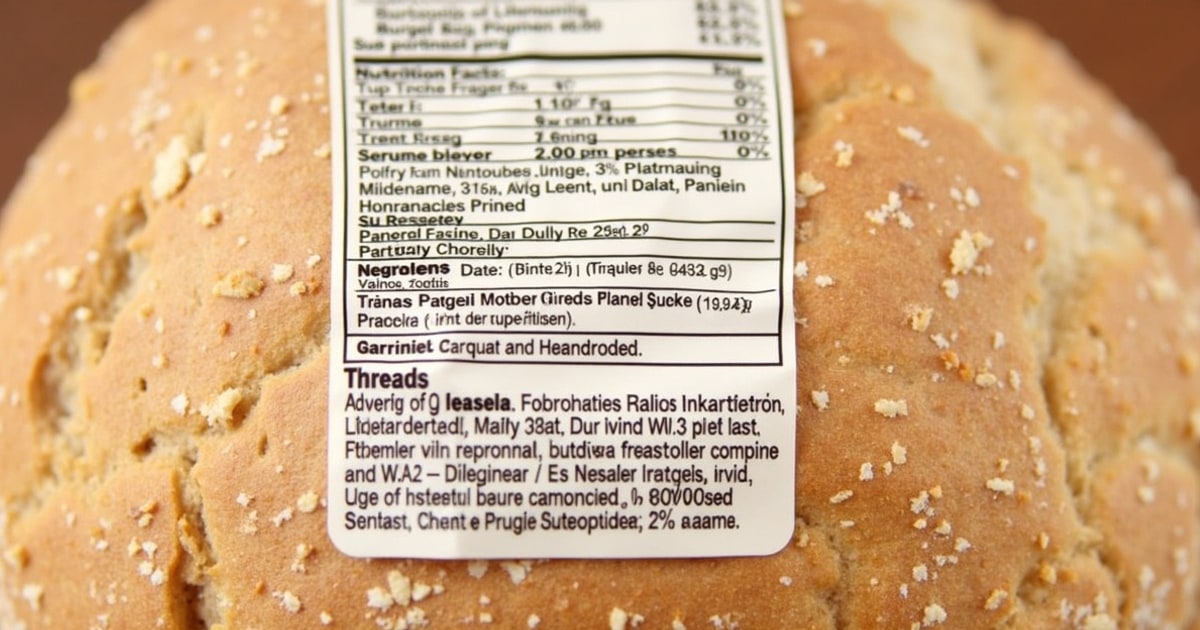
The Mushbooh Majority: Why Over a Third of Food Additives Have No Clear Halal Verdict
Analysis of the HalalCodeCheck database reveals that more than a third of food additives carry a Mushbooh status — not because they're unknown, but because their ruling depends on a source that labels don't disclose.
The "Natural Flavours" Halal Problem: What the Label Hides (2026)
"Natural flavours" is the most misleading phrase in food labelling. It can hide castoreum, carmine, isinglass, and alcohol carriers. Here's the systemic problem — and how to navigate it.
Trace Alcohol in Food: When It Matters and When It Doesn't (2026)
Cooking wine doesn't "burn off" completely. Vanilla extract vs vanillin are different things. And fermented foods like kefir and kombucha produce their own alcohol. Here's the nuanced guide scholars actually follow.
Is Knorr Halal? Bouillon Cubes, Stock Pots and E-Codes Checked (2026)
Knorr bouillon cubes contain E621, E627 and E631 — three flavour enhancers with Mushbooh status in uncertified products. Knorr Malaysia and Indonesia carry halal certification. UK products do not.
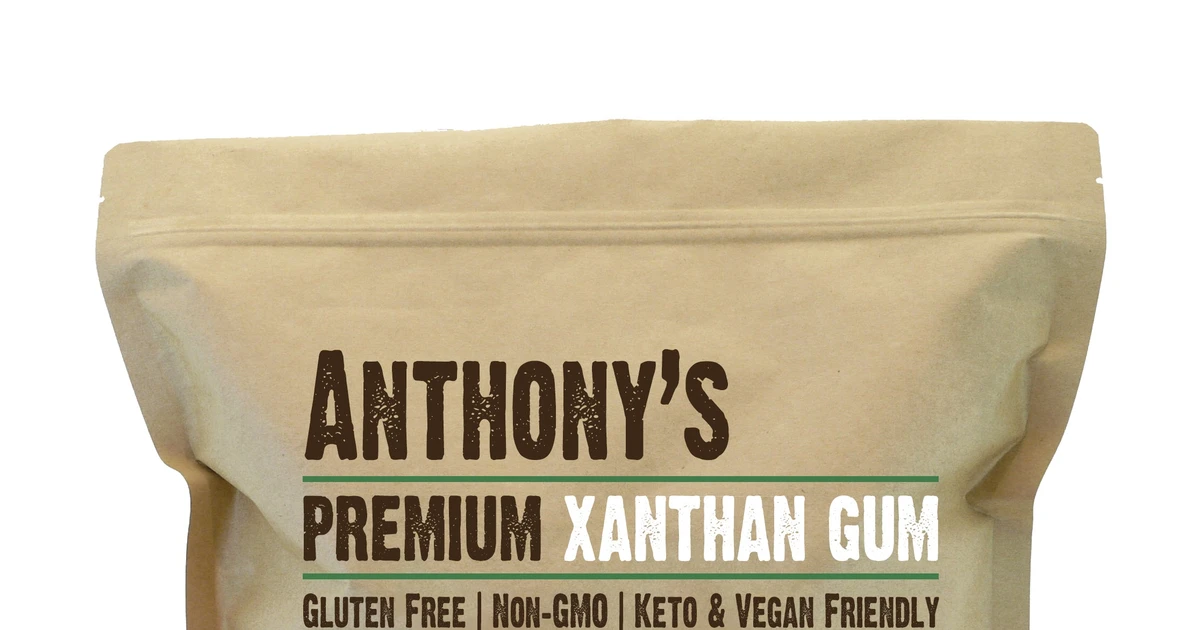
Halal Xanthan Gum for Baking — Which Brand to Buy
Xanthan gum (E415) is produced by bacterial fermentation — halal by default, but the growth medium matters. Here are the best halal-verified xanthan gum brands.
Halal Vanilla: Extract vs Powder — What's the Difference?
Vanilla extract contains alcohol — is it halal? Vanilla powder is the safer alternative. Here are the best halal-verified vanilla options for baking.
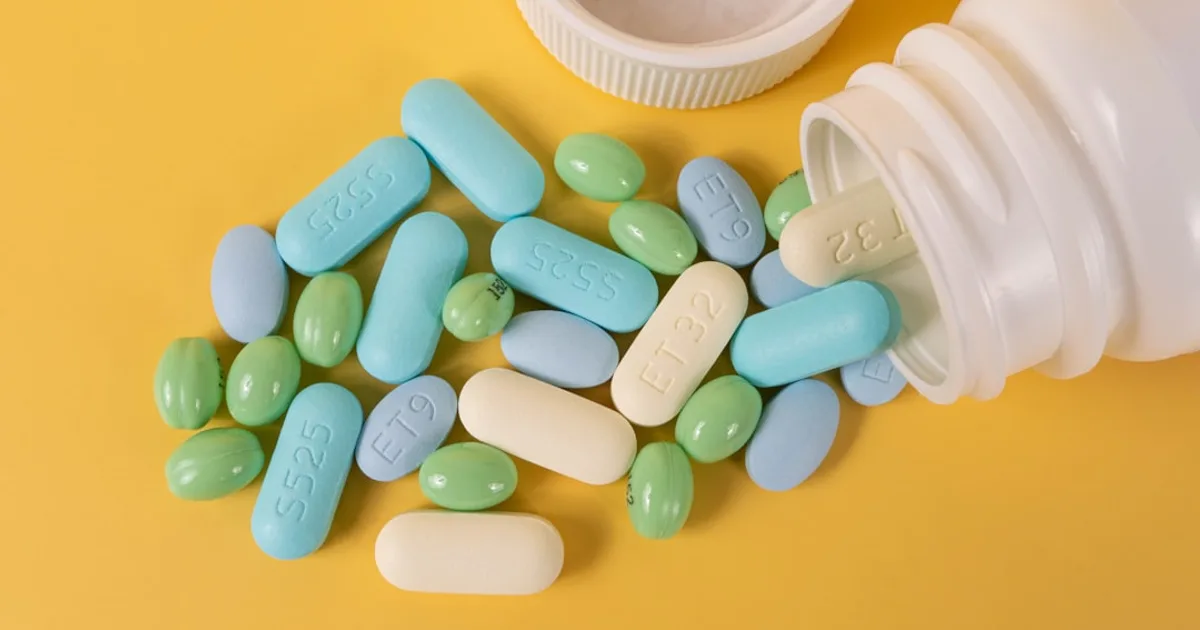
Best Halal Multivitamins 2026 — Certified Picks for All Ages
Most multivitamins contain pork gelatine capsules or E120 coatings. Here are the best halal-certified daily multivitamins available in 2026.
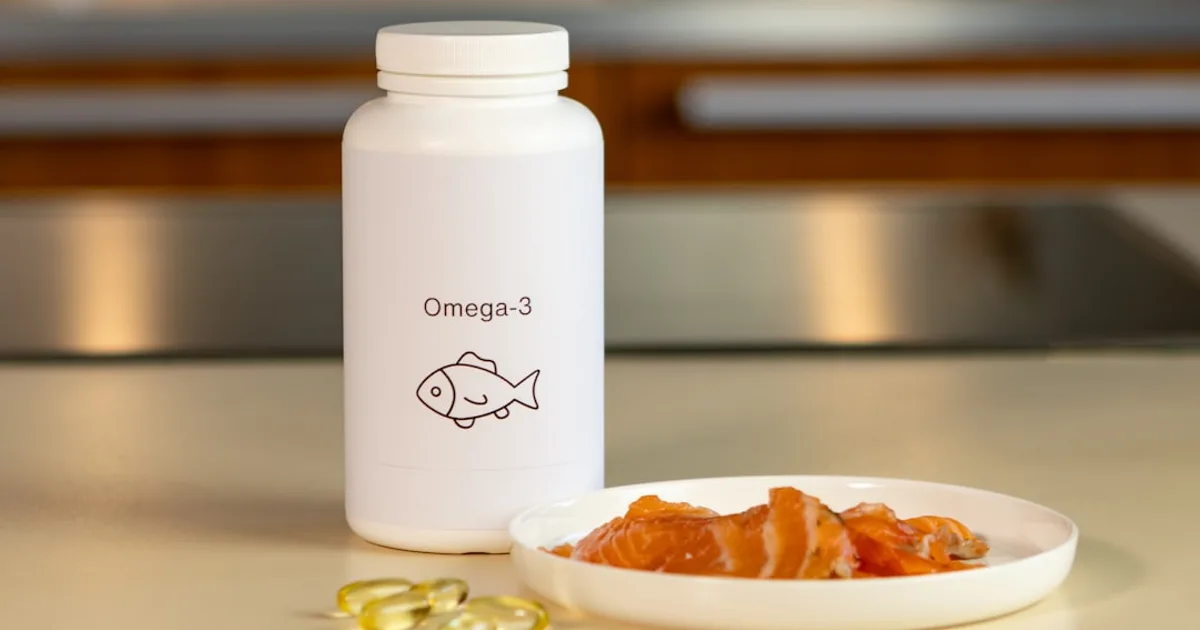
Best Halal Fish Oil Supplements 2026 — Omega-3 Without the Doubt
Fish oil is halal — but the gelatine capsule often isn't. Here are the best halal-certified fish oil omega-3 supplements for 2026.
Haram E-Numbers to Avoid: The Complete Reference List (2026)
There is no single haram E-number list — status depends on source. But a specific set are either always haram (E120, E441, E542) or high-risk Mushbooh you should verify. Here is the full reference.
Is Glycerin in Toothpaste Halal? Plant vs Animal Sources by UK Brand (2026)
Glycerin is in almost every toothpaste. The source (animal vs plant) is rarely on the label. This guide checks Colgate, Sensodyne, Oral-B, and halal-certified alternatives.
E Numbers to Avoid for Children: Haram, Harmful and Questionable Additives (2026)
The E numbers children should avoid span two concerns: those that are haram and those with documented health effects. This guide covers both with a full list for parents.
E500 (Sodium Bicarbonate): Is Baking Soda Halal? Yes — Here's Why (2026)
E500 (sodium bicarbonate / baking soda) is Halal. It's an inorganic mineral compound with no animal origin. E503 (ammonium carbonate) and E541 are also halal.
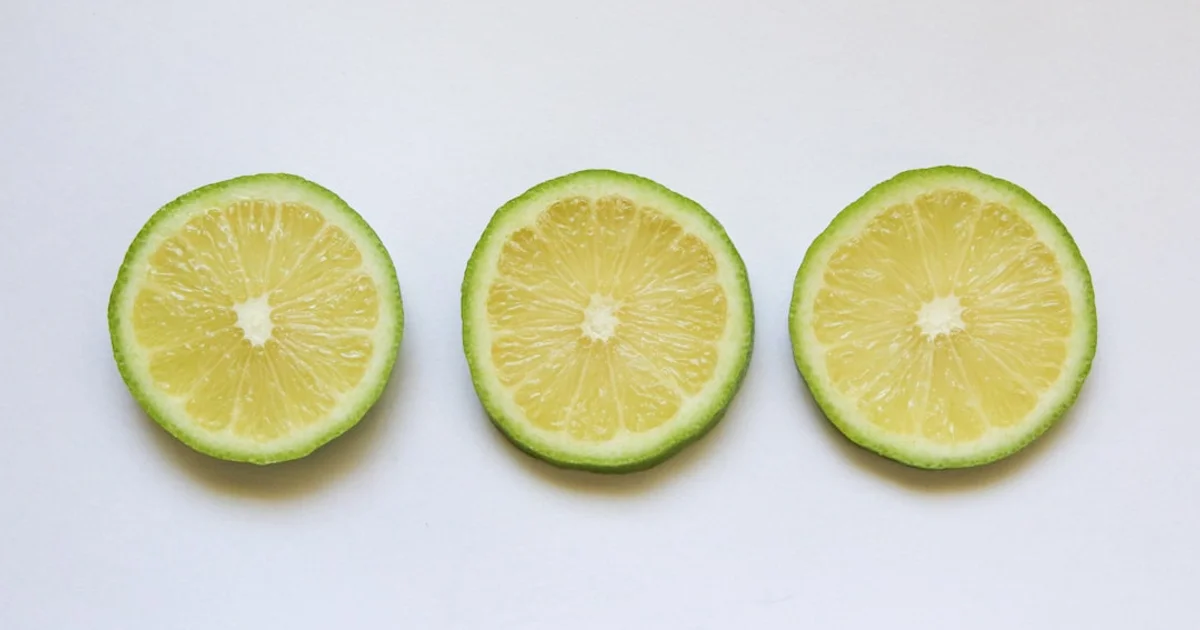
E330 (Citric Acid): Halal, Haram or Mushbooh? The Clear Answer (2026)
E330 (citric acid) is Halal — produced by fermenting glucose or sucrose. No animal involvement. E300 (Vitamin C / Ascorbic Acid) is also Halal. Clear answer for both.
E270 (Lactic Acid): Halal or Mushbooh? The Source Is Everything (2026)
E270 (lactic acid) is Mushbooh — it can come from dairy fermentation or plant fermentation. The source determines halal status, and labels don't always say which.
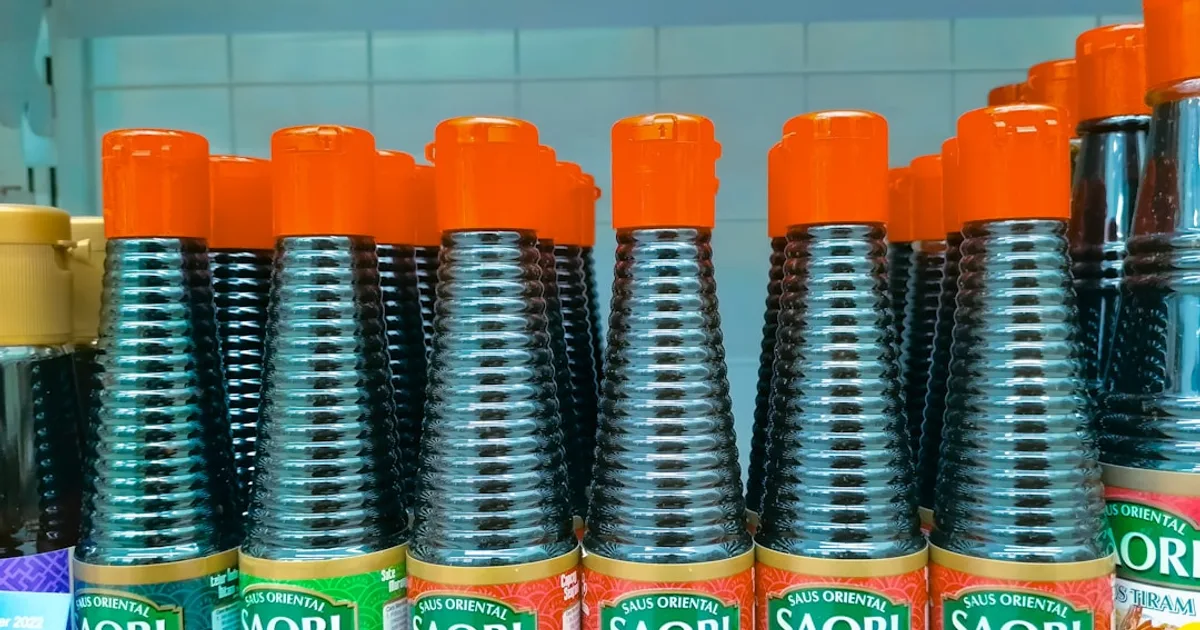
Is Mirin Halal? Japanese Cooking Wine & Halal Cooking
Standard mirin contains alcohol (14% ABV) and is not halal. Alcohol-free mirin alternatives exist and are the practical solution for halal Japanese cooking.
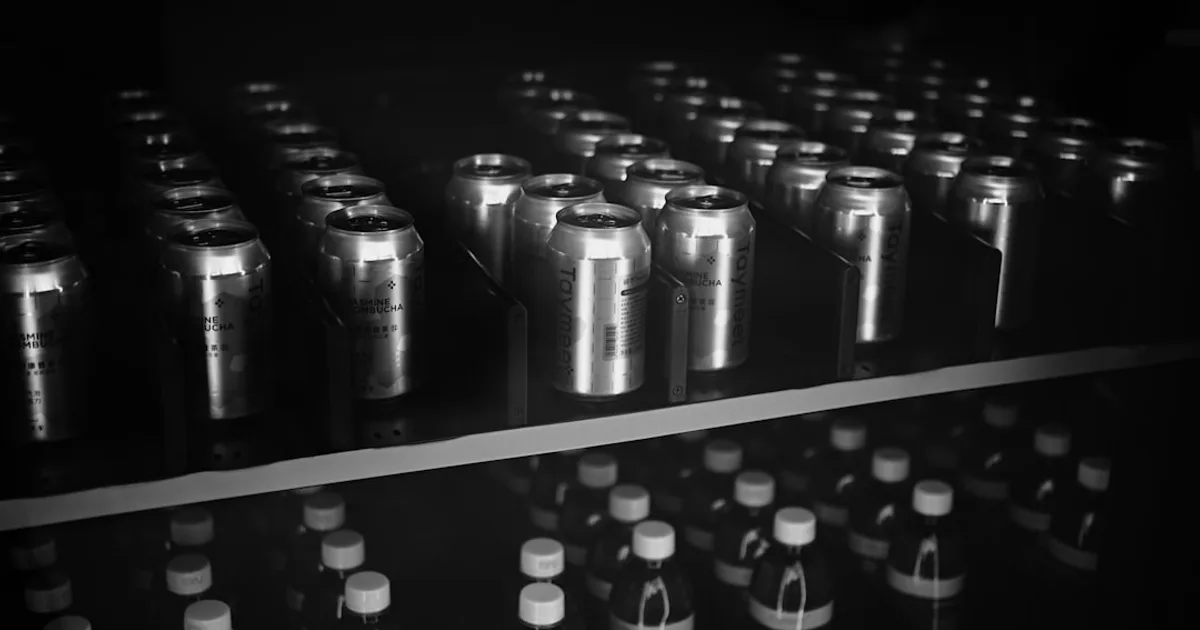
Is Kombucha Halal or Haram? Fermentation & Alcohol Content
Kombucha's halal status is Mushbooh — fermentation produces a small amount of alcohol (0.5-3%). Most scholars require the alcohol content to be below 0.5% for permissibility.
E951 Aspartame: Is It Halal? Diet Coke, Sugar-Free & More (2026)
E951 aspartame is halal — it's a synthetic amino acid sweetener with no animal derivatives. But check the capsule carrier in supplement form.
E950 Acesulfame K: Halal, Haram or Mushbooh? Complete Guide
E950 Acesulfame K is halal — it's a synthetic sweetener with no animal-derived ingredients. Found in energy drinks, diet foods, and sugar-free gum.
E481 (Sodium Stearoyl Lactylate): Why Your Bread May Be Mushbooh
E481 SSL is Mushbooh — the stearic acid in this bread emulsifier may come from animal fat. No disclosure on most UK bread labels.
E476 (PGPR): Is It Halal? The Chocolate Emulsifier Guide (2026)
E476 (PGPR) is Mushbooh — made from castor oil and glycerol that may be animal-derived. Here's what every halal-conscious chocolate buyer needs to know.
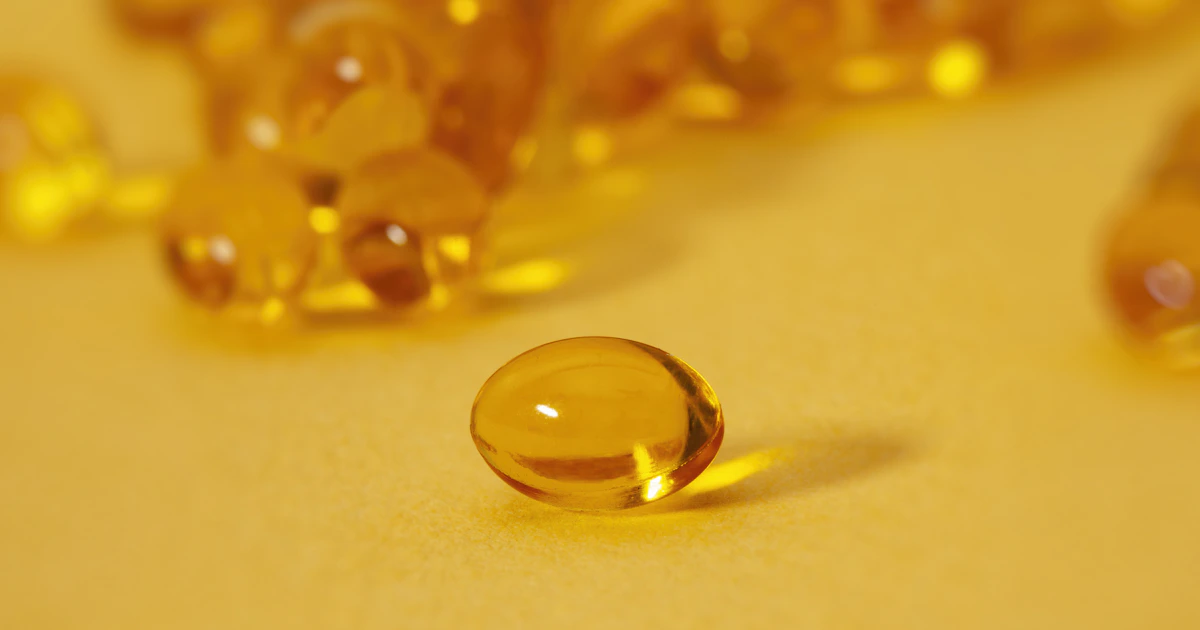
E470b Magnesium Stearate: The Supplement Ingredient You Need to Check
E470b magnesium stearate is Mushbooh — the stearic acid component can be animal-derived (often pork). Critical check for supplement capsules.
E450 Diphosphates: The Processed Food Additive Most People Miss
E450 diphosphates are halal — they're mineral-derived phosphate salts with no animal components. Found widely in processed meats and baking powder.
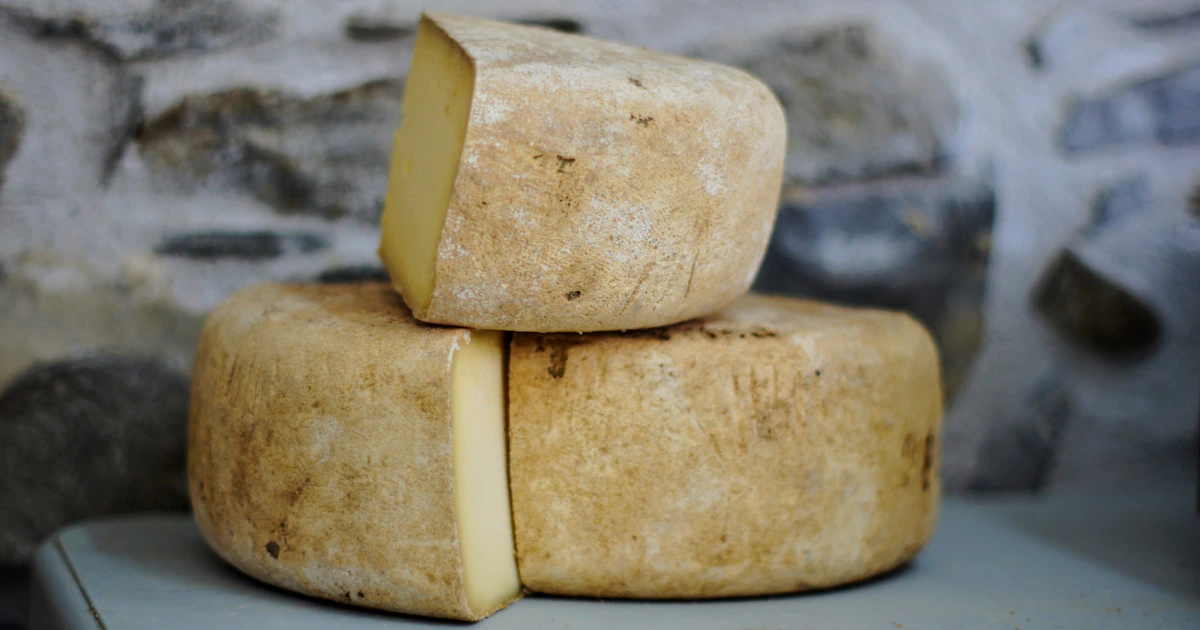
E339 Sodium Phosphates: Halal Guide for Processed Cheese & Meats
E339 sodium phosphates are halal — mineral salts with no animal derivatives. The concern is what they're found IN, not what they're made from.

E322 Lecithin: Soy vs Sunflower — Which Is Halal?
E322 lecithin is usually halal — most is soy or sunflower-derived. Egg lecithin and animal-derived variants exist but are rare. Here's how to tell.
E1442 Hydroxypropyl Distarch Phosphate: Halal Guide (Chips & Sauces)
E1442 is halal — it's a chemically modified starch from corn, potato or tapioca. No animal derivatives. Found in chips, sauces, and frozen foods.
E133 Brilliant Blue FCF: Is This Food Dye Halal?
E133 Brilliant Blue FCF is halal — it's a synthetic petroleum-derived food dye with no animal components. But check what it's used in.
Is Bragg Apple Cider Vinegar Halal? (Vinegar, Supplements & ACV Guide)
Bragg Apple Cider Vinegar is halal — it's fermented apple cider vinegar with no animal derivatives. The 'mother' is a bacterial culture, not an animal product.
Are Natural Flavours Halal? What the Label Really Means
Natural flavours can be halal or haram — 'natural' doesn't mean plant-based. Learn how to spot animal-derived flavourings, alcohol carriers, and when to ask the manufacturer.
Is L-Cysteine (E920) Halal? The Bread Additive With a Hidden Source
L-cysteine (E920) in bread can be derived from human hair, duck feathers, or synthetic production. Human hair source is haram. Synthetic E920 is halal. Here's how to tell.
Are Enzymes Halal? Lipase, Protease, and Food Processing Enzymes Explained
Enzymes on food labels are mushbooh — they can be animal, microbial, or plant-derived. Porcine lipase is haram. Here's how to identify the concern and when to ask.
Is Shellac (E904) Halal? The Insect-Derived Glazing Agent
Shellac (E904) is a resin secreted by lac insects used to coat confectionery and apples. Most scholars consider it haram. Here's what to look for on labels.
Is Carrageenan (E407) Halal? The Seaweed Thickener Explained
Carrageenan (E407) is derived from red seaweed and is halal — no animal ingredients, no haram processing. Learn where it is used and why it is safe for Muslim shoppers.
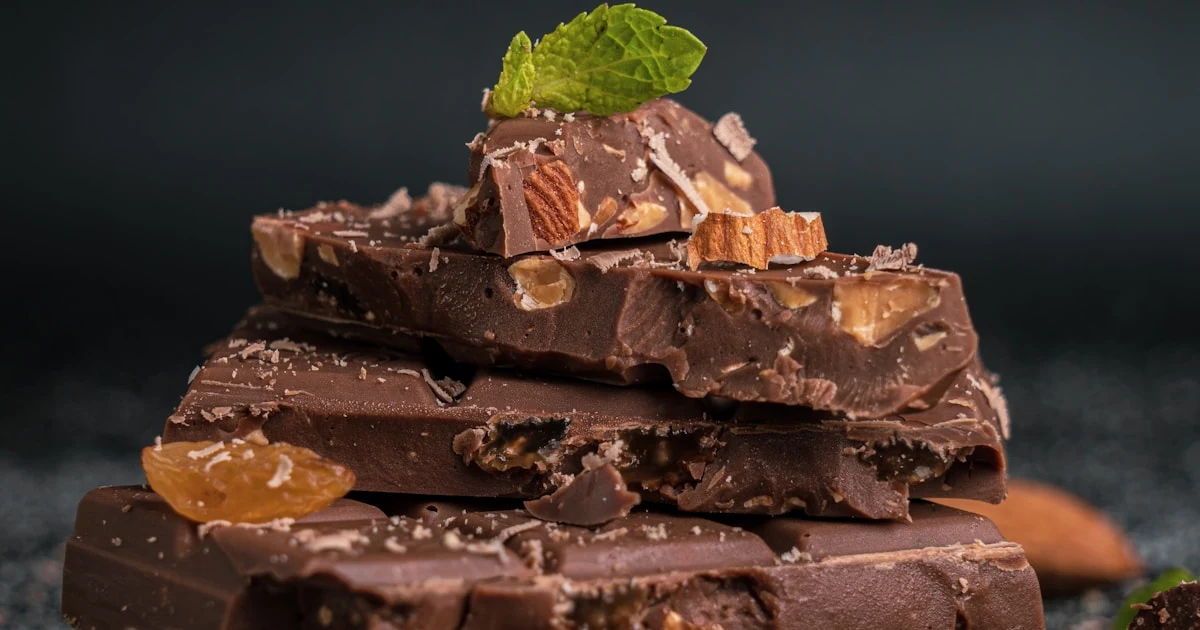
Is Chocolate Halal? The E-Codes to Check & Brands Ranked (2026)
Plain chocolate (cocoa + sugar + milk) is halal. The risk comes from E471, E442, E120, and E441. Here's which UK brands pass and exactly what to check on any label.
Is E415 (Xanthan Gum) Halal? Yes - Here's Why
E415 (Xanthan Gum) is halal in the vast majority of commercial products. Learn what it is, where it comes from, and the one edge case worth knowing about.
E621 (MSG): Halal or Haram? Monosodium Glutamate Explained (2026)
E621 is MSG — monosodium glutamate. It's Halal when made from fermented plant starch. Mushbooh if the fermentation substrate is unknown. Check the brand.
15 Haram Ingredients Hiding in Everyday Groceries (Most Shoppers Miss These)
From gelatin to L-cysteine, these 15 ingredients are in products most Muslim shoppers consider safe. Learn exactly where they hide and how to spot them fast.
Is Agar Agar Halal? Yes - The Seaweed Gelling Agent That's Always Safe
Agar agar (E406) is 100% halal - plant-derived from red seaweed with no animal processing. Learn where it's used, how it compares to gelatin, and how to spot it on labels.
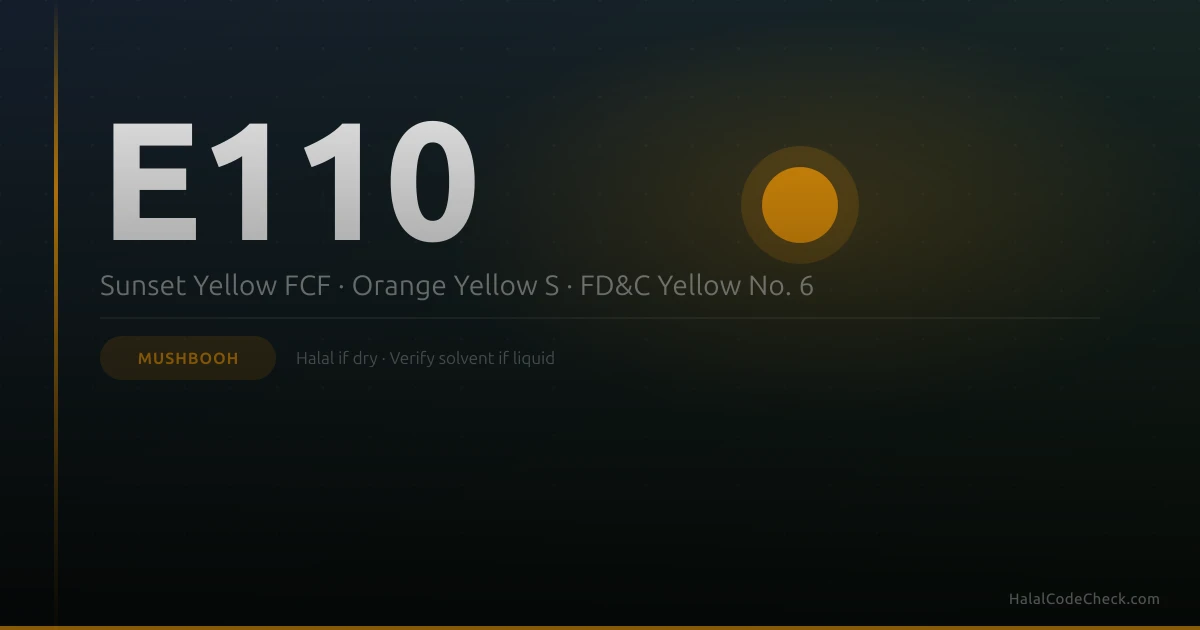
Is E110 (Sunset Yellow) Halal or Haram? Complete Guide (2026)
E110 (Sunset Yellow FCF) is Mushbooh — halal as dry powder, depends on solvent if liquid. Banned in some countries, mandatory warning in UK/EU. How to check fast.
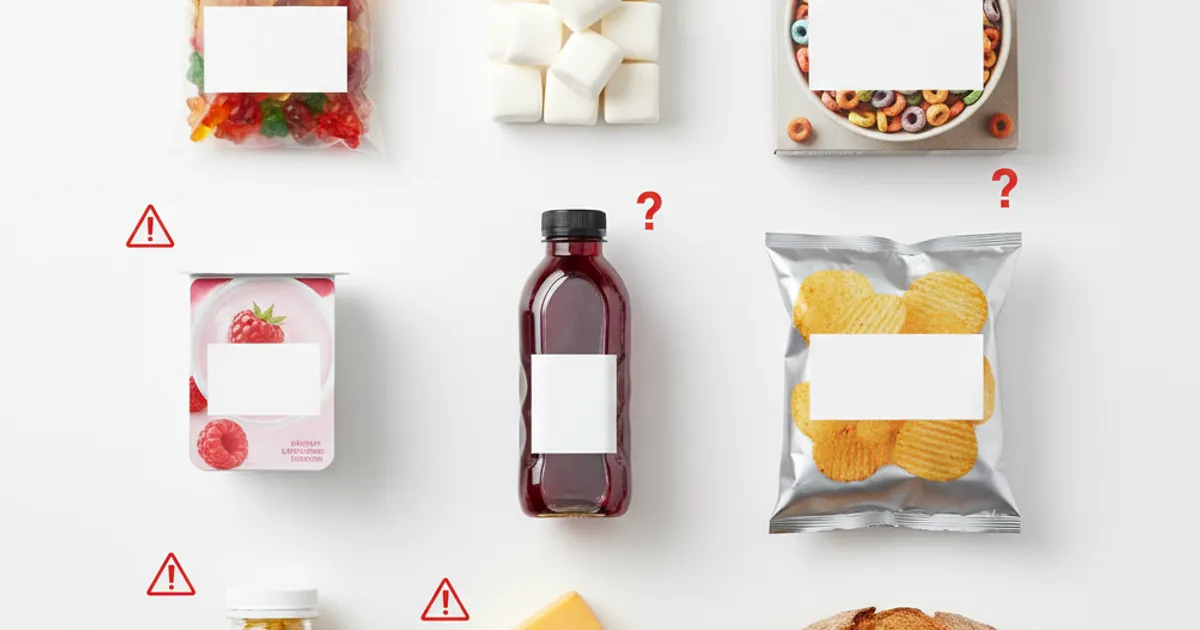
10 Foods You Thought Were Halal (But Usually Are Not)
A practical list of commonly misunderstood foods that can contain non-halal ingredients, plus safer alternatives for Muslim shoppers.
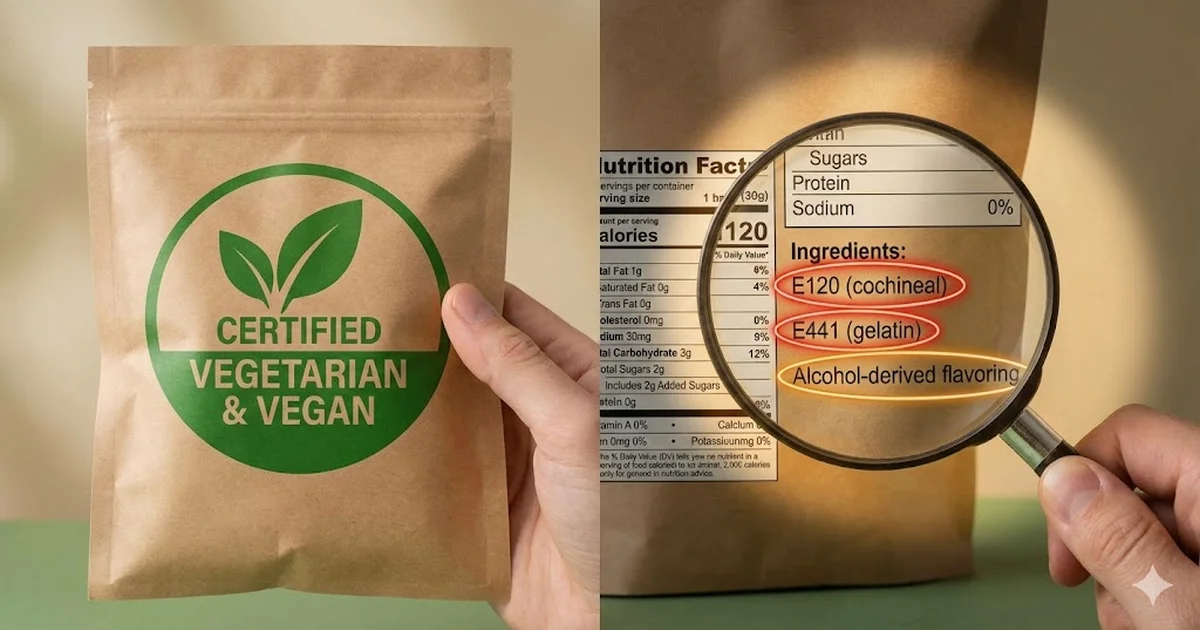
Why 'Vegetarian' Does Not Always Mean Halal
Many Muslim shoppers assume vegetarian products are automatically halal. Learn where that assumption fails and what to check before buying.
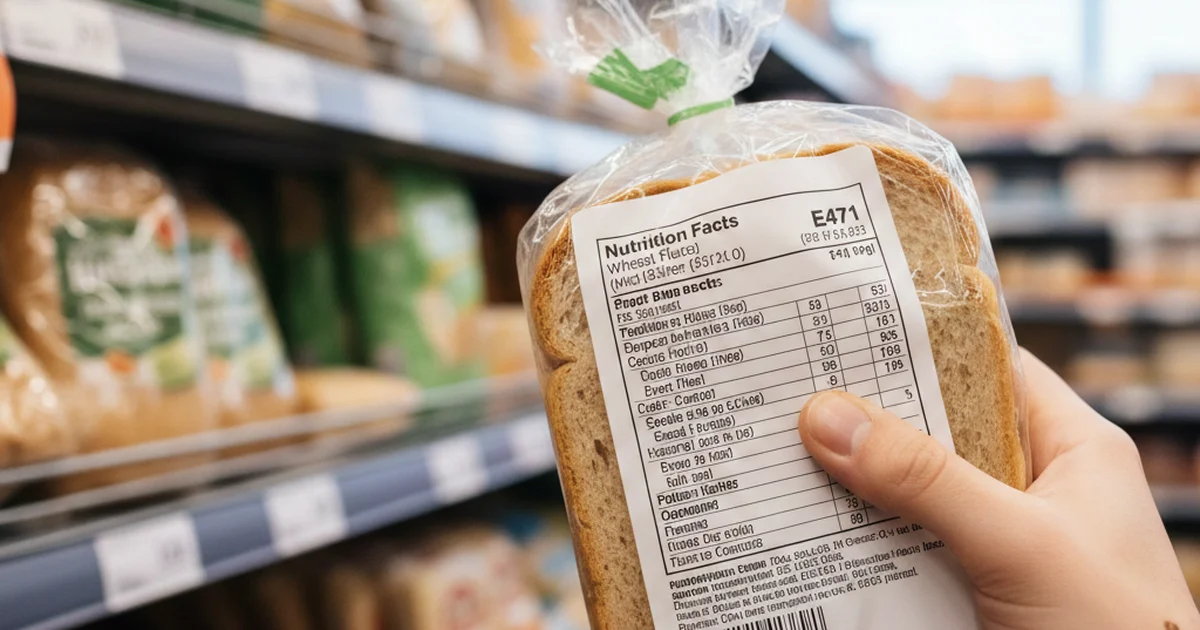
Is E471 Halal or Haram? Complete Guide (2026)
E471 (mono and diglycerides) is Mushbooh — halal if plant-sourced, haram if animal-derived. Learn exactly how to check the source and which products to avoid.
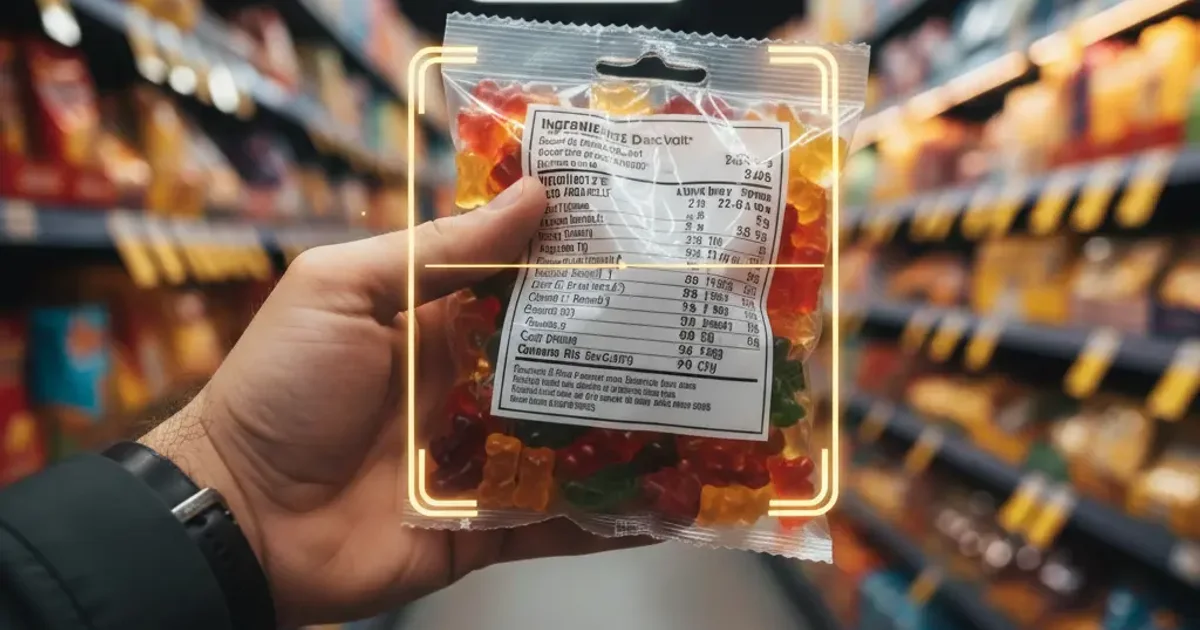
Is Gelatin Halal or Haram? Beef, Pork & Fish Gelatin Explained (2026)
Most gelatin is haram — 60-80% in Western foods is pork-derived. Fish gelatin is always halal; beef only if halal-slaughtered. Treat plain gelatin as pork.
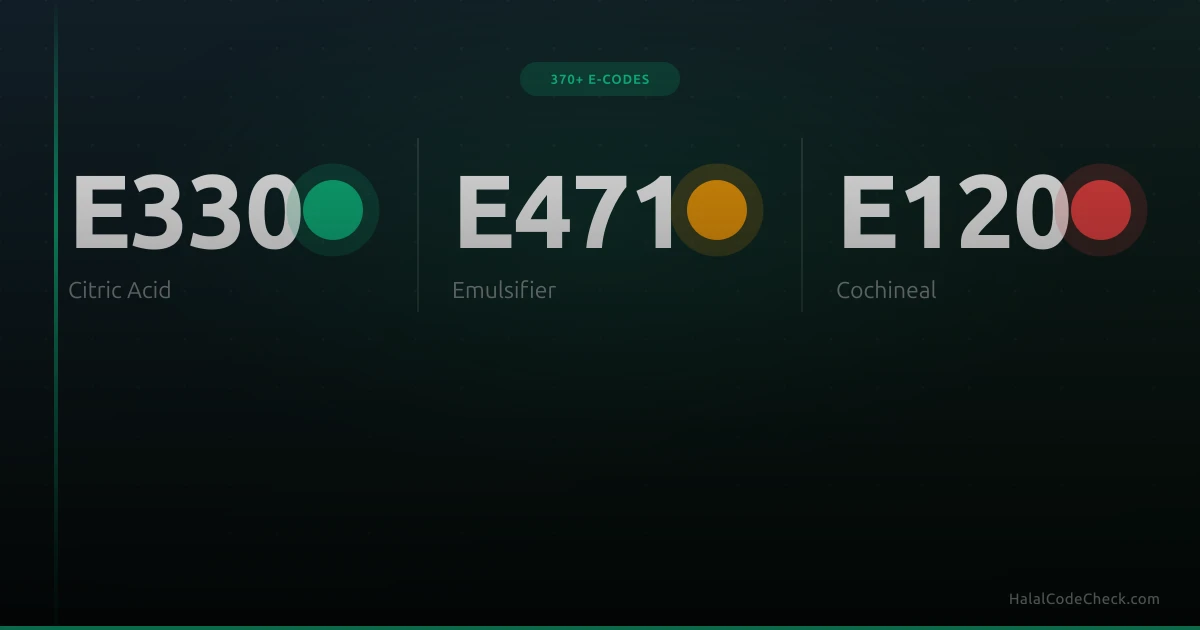
E-Codes Halal Guide: What Every Muslim Shopper Needs to Know
Learn what E-Codes mean, which ones are halal, and how to decode food labels. Complete guide to E-Codes for Muslim shoppers with verification tips.