
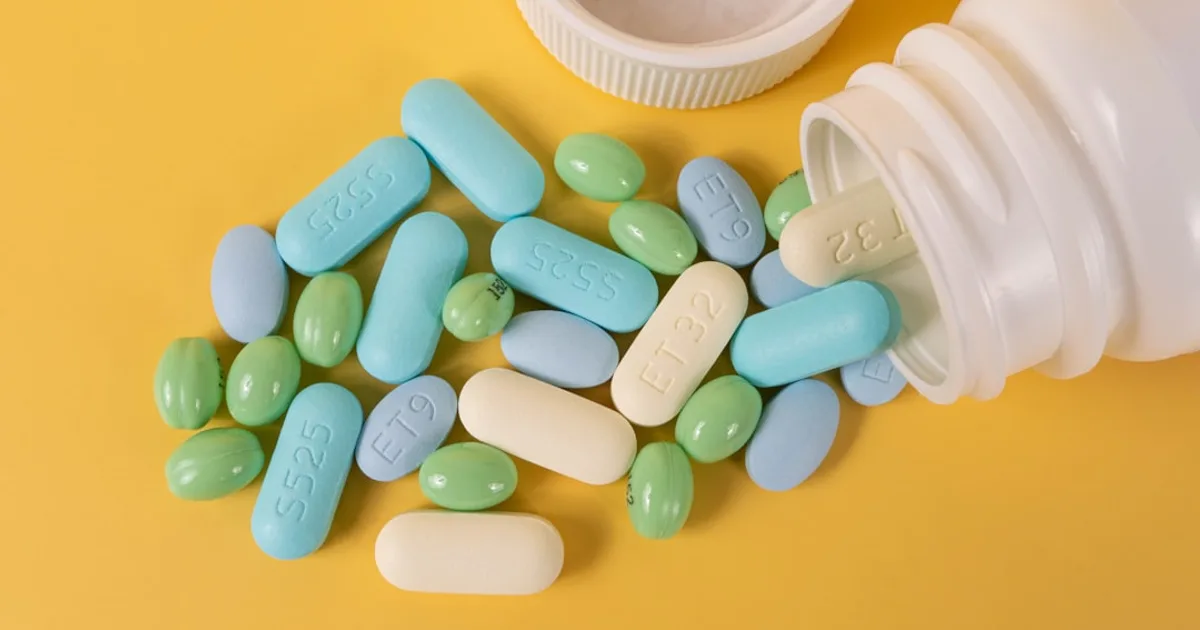
A daily multivitamin should be simple — cover your nutritional bases, support your health. But for Muslim consumers, the multivitamin aisle is a source of hidden haram ingredients that most people have no idea about.
Pork gelatine in capsules. E120 carmine in coatings. Alcohol carriers in liquid formulations. These are not fringe issues — they are standard practice in mainstream supplement manufacturing. This guide shows you what to look for, what to avoid, and which halal-certified multivitamins are worth buying in 2026.
The Hidden Halal Problems in Multivitamins
1. Pork Gelatine Capsules
The most widespread issue. Both softgel and hard capsule multivitamins frequently use pork gelatine (E441) as the capsule shell material. Pork gelatine is the pharmaceutical industry default — it is cheap, consistent, and widely available.
Hard capsules (the two-piece capsules you can pull apart) are often described as “gelatin capsules” on the label — assume pork unless stated otherwise.
Softgel capsules (the smooth, oval, one-piece capsules) are almost always pork gelatine unless the label explicitly states “fish gelatin” or “bovine halal gelatin” or “vegetarian capsule.”
2. E120 Carmine — The Insect Red Colouring
E120 is a red food colouring derived from the dried and crushed bodies of cochineal insects — specifically Dactylopius coccus. It produces a vivid red to pink colour and is used widely in food, cosmetics, and pharmaceutical tablet coatings.
In multivitamins, E120 appears in:
- Red or pink tablet coatings
- Red and pink gummy vitamins
- Children’s chewable vitamins with red or pink colouring
The halal status of E120 is contested. The mainstream Sunni scholarly position holds that E120 is haram — insects (other than locusts) are impermissible to consume under Hanafi fiqh, and crushing and consuming insects as a food additive falls under this ruling.
E120 may appear on labels as: Carmine, Cochineal, Cochineal Extract, Carminic Acid, Natural Red 4, CI 75470. Watch for all of these in ingredients lists.
3. Vitamin D3 Source
Vitamin D3 (cholecalciferol) is most commonly derived from lanolin — the waxy substance from sheep’s wool. Lanolin-derived Vitamin D3 is generally considered halal — the sheep is not harmed, and lanolin is not blood or internal tissue.
Some Vitamin D3 is derived from fish liver oil — also halal.
Vitamin D2 (ergocalciferol) is derived from yeast or fungi and is vegan and halal.
This is not a major concern for most consumers — Vitamin D3 sourcing is usually halal. However, if you want to be thorough, look for “lichen-based Vitamin D3” (fully vegan and unambiguously halal) or confirm the lanolin source is acceptable.
4. Alcohol Carriers in Liquid Vitamins
Liquid multivitamins occasionally use ethanol (alcohol) as a solvent carrier for fat-soluble vitamins (A, D, E, K). If a liquid vitamin contains alcohol — even in small amounts — it is not halal.
Most liquid vitamins use glycerin (halal) or water-based carriers instead, but check the ingredients list if you are using a liquid formulation. Any mention of ethanol, alcohol, or “denatured alcohol” means the product is not halal.
The Gummy Vitamin Problem
Gummy vitamins are particularly high risk. The gummy texture is produced by gelatine — and virtually all commercial gummy supplements use pork gelatine because it provides the best texture and consistency.
This applies universally:
- Gummy multivitamins for adults
- Gummy vitamins for children
- Gummy hair/skin/nail supplements
- Gummy omega-3 products
- Gummy melatonin
Unless a gummy supplement explicitly carries halal certification and states “halal gelatine” or “pectin-based” or “no pork gelatine” — assume it is haram.
Some gummy supplements use pectin (derived from fruit) instead of gelatine — these are vegan-friendly and halal. Pectin-based gummies tend to be softer and less chewy than gelatine gummies, so the texture difference can be a clue.
What to Avoid — Mainstream Multivitamin Brands
| Brand | Problem |
|---|---|
| Centrum (softgel range) | Pork gelatine in softgels |
| Flintstones Complete Gummies | Pork gelatine in gummies |
| One A Day Gummies | Pork gelatine in gummies |
| Vitafusion Women’s Gummy | Pork gelatine in gummies |
| Nature’s Way Alive! Softgels | Pork gelatine softgels |
| Kirkland Multivitamin (Costco) | Pork gelatine in softgels |
The tablet form of some of these brands may avoid the gelatine capsule issue — but tablet coatings can still contain E120. Read the full ingredients list, not just the supplement facts panel.
Best Halal Multivitamins 2026
1. Zaytun Vitamins Halal Adult Multivitamin Gummies
Zaytun Vitamins produces one of the few halal-certified gummy multivitamins on the US market. This is significant because the gummy format is among the highest-risk formats for pork gelatine, and Zaytun has specifically addressed this by formulating their gummies with halal-compliant gelling agents rather than pork gelatine.
Key details:
- Format: Gummy — halal certified
- Certification: Halal certified
- Key nutrients: Vitamin A, C, D3, E, B6, B12, Biotin, Zinc
- Age group: Adults
- No pork gelatine: Yes
- Free from E120: Yes
This product is a standout specifically because it solves the gummy gelatine problem — a format that is virtually impossible to buy halal from mainstream brands.
2. Noor Vitamins Halal Daily Multivitamin
Noor Vitamins is one of the most established halal supplement brands in the US. Their daily multivitamin comes in tablet form — avoiding the softgel gelatine issue entirely — and carries the halal certification we document across Noor’s range.
Key details:
- Format: Tablet
- Certification: Halal certified
- Coverage: Broad spectrum of essential vitamins and minerals
- Age group: Adults (men and women formulations may be available — check current listing)
- Brand reputation: One of the original US halal vitamin brands
The tablet format makes Noor Vitamins a safe default for consumers who want a conventional multivitamin without worrying about capsule materials.
Comparison Table
| Brand | Format | Halal Certified | Key Concern Addressed | Age Group |
|---|---|---|---|---|
| Zaytun Vitamins Multivitamin | Gummy | Yes | Halal gelatine in gummies | Adults |
| Noor Vitamins Daily Multivitamin | Tablet | Yes | No gelatin capsule | Adults |
| Centrum Gummies | Gummy | No | Pork gelatine | Adults |
| Flintstones Complete Gummies | Gummy | No | Pork gelatine | Children |
| One A Day Men’s | Tablet | No | Tablet coating may contain E120 | Adults (men) |
| Nature’s Way Alive! | Softgel | No | Pork gelatine softgel | Adults |
Children’s Multivitamins — The Same Rules Apply
Children’s vitamins are subject to exactly the same halal concerns — and in some ways the risks are higher, because children’s vitamins heavily favour the gummy format (more palatable for children) and often use bright red/pink colourings (E120 risk).
Flintstones gummies, L’il Critters gummies, Zarbee’s gummies, and virtually all supermarket own-brand children’s gummy vitamins use pork gelatine.
For halal-compliant children’s vitamins:
- Look for pectin-based gummies (check ingredients for “pectin” instead of “gelatin”)
- Use chewable tablets from halal-certified brands
- Confirm no E120 in children’s chewable vitamins (the red dinosaur shapes in Flintstones tablets use artificial colours, not carmine — but always check)
Zaytun Vitamins and Noor Vitamins both offer children’s formulations — check their current product lines for availability.
Vegan Multivitamins — A Practical Halal Option
Plant-based (vegan) multivitamins are acceptable for Muslim consumers, provided they contain no other haram ingredients. Key advantages:
- No pork gelatine (plant-based capsules only)
- No animal-derived ingredients
- No E120 (vegan products avoid carmine)
- Vitamin D is typically D2 (vegan) or lichen-based D3
Important caveat: Vegan does not automatically mean halal. A vegan product could still theoretically contain alcohol as a carrier, or other problematic additives. Always check the full ingredients list. But in practice, vegan multivitamins are among the safest choices for Muslim consumers who cannot find a halal-certified option.
Popular vegan multivitamin brands (not halal certified but generally safe):
- Garden of Life mykind Organics — certified organic, vegan, no pork gelatine
- Ritual Essential for Women — vegan capsules, transparent ingredient sourcing
- MegaFood — whole food-based, vegan-friendly formulations
These are not halal certified but represent lower-risk options compared to standard softgel and gummy mainstream multivitamins.
Key Label-Reading Checklist
Before buying any multivitamin, check:
- Capsule type — tablet, HPMC capsule, or explicitly halal/fish/bovine gelatine
- E120/Carmine/Cochineal — scan full ingredients list for all E120 aliases
- Gelatine source — if “gelatin” is listed, confirm it is not pork
- Alcohol — check liquid vitamins and tinctures for ethanol
- Halal certification logo — look for IFANCA, Islamic Food Council, or similar
- “No pork gelatine” or “pork-free” statement — explicit statements are helpful but not a substitute for full certification
Frequently Asked Questions
Is Centrum halal? The Centrum tablet range avoids gelatine capsules but tablet coatings can vary. The Centrum softgel and gummy ranges use pork gelatine. The overall brand does not carry halal certification. Treat as Mushbooh.
Are Nature Made vitamins halal? Nature Made does not carry halal certification. Their softgel products use pork gelatine. Some tablet products may be lower risk but are not certified halal.
Is biotin halal? Biotin itself is a B vitamin — halal. The concern is always the capsule or tablet coating it comes in, not the biotin itself. Same rules apply: check for gelatine and E120.
Can I take multivitamins during Ramadan? Yes — take them with Suhoor or Iftar meals. Fat-soluble vitamins (A, D, E, K) absorb better with food. During Ramadan, a quality multivitamin helps compensate for the reduced number of meals.
For related reading, see our guides on E120 Cochineal Carmine and are gelatine capsules halal?.
Run a certified halal brand that belongs in this guide?
Get featured here and across HalalCodeCheck — reach shoppers at the moment they verify.
Ingredients change. Be first to know.
Brands reformulate without warning. We track every E-code update and halal certification — one short weekly email.
Related Articles
 Shopping Guides
 Best Halal Fish Oil Supplements 2026 — Omega-3 Without the Doubt
Fish oil is halal — but the gelatine capsule often isn't. Here are the best halal-certified fish oil omega-3 supplements for 2026.
 Shopping Guides
 Are Bassett's Sweets Halal? Jelly Babies, Wine Gums & the Sherbet Exception
Bassett's Jelly Babies and Wine Gums contain pork gelatine — haram. Liquorice Allsorts use E120 cochineal — also haram. Two products in the range are the exception.
 Shopping Guides
 We Checked 40 US Candy Brands: Gelatin, Carmine and Hidden Haram (2026)
US candy labelling hides gelatin behind "confectioner's glaze" and carmine behind "Red 40" confusion. Full audit of Skittles, Starburst, Sour Patch Kids, Haribo US, Swedish Fish, Trolli and more.