
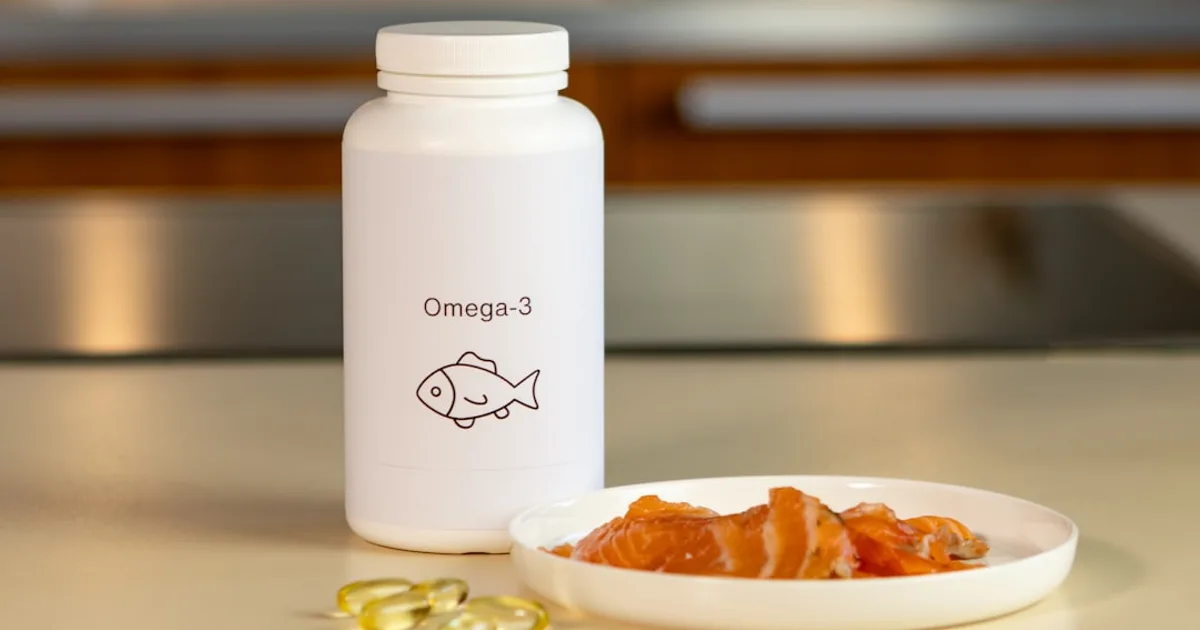
Omega-3 fatty acids are among the most well-evidenced supplements in nutritional science — documented benefits for cardiovascular health, brain function, joint inflammation, and eye health. Fish oil is the most bioavailable omega-3 source available.
The oil itself is not the problem. The capsule is.
This guide explains exactly why most fish oil supplements are not halal despite containing permissible fish, shows you what to look for on the label, and recommends the best halal-certified fish oil supplements available in the US in 2026.
Is Fish Oil Halal? The Short Answer
Yes — fish is halal according to all four major Sunni madhabs (Hanafi, Maliki, Shafi’i, Hanbali) without requiring zabiha slaughter. Unlike land animals, fish does not require a specific method of slaughter to be permissible.
However, this does not make every fish oil supplement halal.
The issue is the delivery mechanism — the softgel capsule that encases the oil. Softgel capsules are almost universally made from pork gelatine unless explicitly stated otherwise. Pork gelatine (E441) is haram, and it does not matter that what’s inside the capsule is halal. The entire product must be halal.
This is a widely misunderstood issue. Many Muslim consumers assume that because fish is halal, fish oil supplements must be halal. This assumption is incorrect and has led many Muslims to unknowingly consume pork gelatine capsules for years.
The Gelatine Capsule Problem
Gelatine is derived from collagen — extracted from the bones, hides, and connective tissue of animals. It is used in softgel capsules because it creates a strong, flexible, airtight shell that protects oil-based supplements from oxidation.
The problem is that pharmaceutical gelatine is overwhelmingly porcine (pork-derived). Pork gelatine is cheap, widely available, and has excellent manufacturing properties. It is the industry default.
Unless a fish oil product explicitly states the capsule type, assume it contains pork gelatine.
What capsule alternatives exist?
| Capsule Type | Source | Halal Status |
|---|---|---|
| Pork gelatine softgel | Pig | Haram |
| Bovine halal gelatine softgel | Halal-certified cattle | Halal |
| Fish gelatine softgel | Fish | Halal |
| Vegetarian/vegan capsule (HPMC) | Plant cellulose | Halal |
HPMC (hydroxypropyl methylcellulose) vegetarian capsules are an increasingly common halal-friendly alternative — plant-derived and free from any animal content.
What to Look for on the Label
When checking a fish oil supplement for halal compliance, look for:
- Explicit halal certification logo — IFANCA, Islamic Food Council, etc.
- Capsule material specified — “Fish gelatin softgel”, “Bovine halal gelatin”, “Vegetarian capsule”
- “Pork-free” statement — some brands include this on the label
- Halal certification on the product page — not just the brand website
Red flags to avoid:
- Label says only “Gelatin” with no source specified — assume pork
- No halal certification and no capsule material listed — treat as Mushbooh
- “Natural” labelling means nothing for halal status — fish oil labelled “all natural” can still be in pork gelatine capsules
What to Avoid: Common Mainstream Fish Oil Brands
These popular brands are widely purchased by Muslim consumers but are not halal certified and typically use pork gelatine capsules:
- Nature Made Fish Oil — standard softgel with pork gelatine
- Nordic Naturals — high quality oil but standard pork gelatine softgels
- Kirkland Signature Fish Oil (Costco) — no halal certification, standard gelatine
- Carlson Labs Fish Oil — premium product but not halal certified
- Now Foods Ultra Omega-3 — no halal certification
These are Mushbooh at best; the pork gelatine capsule makes them Haram for Muslim consumers.
Best Halal Fish Oil Supplements 2026
1. Zaytun Vitamins Halal Fish Oil 1200mg Omega-3
Zaytun Vitamins is one of the most trusted names in halal supplements in the US market. Their fish oil provides 1200mg of fish oil per softgel, with approximately 720mg of combined EPA and DHA. The capsule uses halal-certified bovine gelatine — not pork — and the product carries formal halal certification, in line with what we found reviewing Zaytun Vitamins as a brand: no pork gelatine anywhere in the range.
Key details:
- Omega-3 content: 1200mg fish oil; ~720mg EPA+DHA
- Capsule type: Halal bovine gelatine softgel
- Certification: Halal certified
- Count: 90 softgels
- Additives: No artificial colours or flavours
This is a straightforward, well-dosed product from a brand that has built its entire identity around halal compliance. It is one of the most recommended fish oil options on Muslim consumer forums.
2. Noor Vitamins Halal Fish Oil Ultra Omega 3
Noor Vitamins is one of the longest-established halal supplement brands in the US — they have been producing halal-certified vitamins and supplements since long before the current boom in Muslim consumer products. Noor states ISNA halal certification for the Ultra Omega 3, and our brand assessment of Noor Vitamins sets out what that does and doesn’t establish. Worth being precise, because this is a softgel: the shell is gelatine, not a gelatine-free alternative. Noor says that gelatine “comes from halal sources” but does not name the species, and the most recent certificate it publishes is dated 2025 with no visible expiry. That is a manufacturer statement, not something we could confirm against ISNA’s register, which is not publicly searchable. Good enough for most buyers; not the same as a certificate you can look up. It comes in a 120-count bottle — good value for daily use.
Key details:
- Omega-3 content: High-potency EPA+DHA formulation
- Capsule type: Halal certified (confirm current capsule type on product listing)
- Certification: Halal certified
- Count: 120 softgels
- Brand history: One of the original US halal supplement brands
Comparison Table
| Brand | Omega-3 (mg) | Capsule Type | Halal Certification | Count | Notes |
|---|---|---|---|---|---|
| Zaytun Vitamins Fish Oil | 1200mg (720mg EPA+DHA) | Halal bovine gelatine | Yes | 90 | Strong US brand |
| Noor Vitamins Ultra Omega 3 | High potency | Halal certified | Yes | 120 | Established brand |
| Nature Made Fish Oil | 1200mg | Pork gelatine | No | 200 | Avoid |
| Nordic Naturals Ultimate Omega | 1280mg EPA+DHA | Pork gelatine | No | 60 | Avoid |
| Kirkland Fish Oil (Costco) | 1000mg | Pork gelatine | No | 400 | Avoid |
Omega-3 Dosing — How Much Do You Need?
The most commonly referenced dose for general cardiovascular health is 1000–2000mg of EPA+DHA per day. Note: this is not total fish oil content — it is specifically EPA and DHA combined.
A standard 1000mg fish oil softgel typically contains around 300mg of EPA+DHA — so three capsules per day are needed to hit the minimum cardiovascular benefit threshold.
Higher quality fish oil supplements (like those from Zaytun and Noor) typically offer a better EPA+DHA concentration per softgel, meaning fewer capsules for the same benefit.
| Health Goal | Recommended EPA+DHA Daily |
|---|---|
| General health | 500–1000mg |
| Cardiovascular support | 1000–2000mg |
| Triglyceride reduction | 2000–4000mg (medical guidance advised) |
| Anti-inflammatory (joints) | 2000–3000mg |
| Pregnancy (DHA focus) | 200–300mg DHA minimum |
Take fish oil with food — particularly with a meal containing fat — to maximise absorption and minimise the “fish burps” that some people experience.
Omega-3 Health Benefits — Why This Supplement Matters
Cardiovascular health: High EPA+DHA intake is associated with reduced triglycerides, lower blood pressure, and reduced risk of cardiac events. This is particularly relevant for Muslim communities in South Asia and the Middle East, where rates of cardiovascular disease are elevated.
Brain health and cognitive function: DHA is a primary structural component of brain cell membranes. Adequate omega-3 intake is associated with reduced cognitive decline in ageing populations.
Joint inflammation: EPA and DHA reduce inflammatory eicosanoids — the compounds responsible for joint pain and stiffness. Studies show fish oil reduces morning stiffness and joint tenderness in rheumatoid arthritis.
Eye health: DHA is highly concentrated in the retina. Omega-3 deficiency is associated with dry eye disease and increased risk of age-related macular degeneration.
Mental health: Growing evidence links omega-3 supplementation to reduced symptoms of depression and anxiety, though this is not a replacement for clinical treatment.
Getting Omega-3 From Diet
Supplementation is one route — but omega-3 fatty acids are also abundant in halal foods. Muslim consumers with access to good fresh fish have an excellent natural option:
| Food | Omega-3 per 100g serving |
|---|---|
| Mackerel | ~2500mg EPA+DHA |
| Atlantic Salmon | ~2000mg EPA+DHA |
| Sardines (canned in water) | ~1500mg EPA+DHA |
| Herring | ~1700mg EPA+DHA |
| Anchovies | ~2100mg EPA+DHA |
| Tuna (canned) | ~300mg EPA+DHA |
Two to three servings of oily fish per week covers omega-3 requirements for most adults. Supplements fill the gap for those who do not eat fish regularly.
Note: Plant-based omega-3 from chia seeds, flaxseed, and walnuts contains ALA, not EPA or DHA. The body converts ALA to EPA/DHA inefficiently — typically under 5% conversion. Plant-based omega-3 is not a like-for-like replacement for fish oil.
Frequently Asked Questions
Can I open the capsule and just take the oil? Technically yes — the fish oil itself is halal. But if you are taking the capsule whole, the pork gelatine is consumed. Opening capsules and consuming the oil directly is inconvenient and the oil oxidises quickly. The better solution is buying halal-certified fish oil in halal capsules.
Is algae-based omega-3 halal? Yes — algae-based omega-3 (which provides EPA and DHA directly from the primary source) is plant-derived and halal. It is also vegan-friendly. The dose is typically lower per capsule than fish oil, so check the EPA+DHA content carefully.
Are fish oil chewable gummies halal? Almost certainly not unless explicitly halal certified — gummy supplements typically use pork gelatine. Avoid gummy omega-3 products unless they carry clear halal certification.
For related reading, see our guides on is omega-3 halal? and halal supplements complete guide.
Run a certified halal brand that belongs in this guide?
Get featured here and across HalalCodeCheck — reach shoppers at the moment they verify.
Ingredients change. Be first to know.
Brands reformulate without warning. We track every E-code update and halal certification — one short weekly email.
Related Articles
 Shopping Guides
 Best Halal Multivitamins 2026 — Certified Picks for All Ages
Most multivitamins contain pork gelatine capsules or E120 coatings. Here are the best halal-certified daily multivitamins available in 2026.
 Shopping Guides
 Halal Eating for Muslim Seniors: Medications, Capsules and Supplements (2026)
NHS prescriptions default to porcine gelatin capsules. Here's how to request HPMC alternatives, which OTC supplements to check, and what to say to your GP or pharmacist.
 Shopping Guides
 Are Mentos Halal? Every Variety Checked (Rainbow, Mint, Fruit)
Chewy Mentos rolls contain undisclosed gelatine — Mushbooh in UK/EU. Hard mints are gelatine-free but uncertified. Malaysian JAKIM-certified Mentos is halal.