
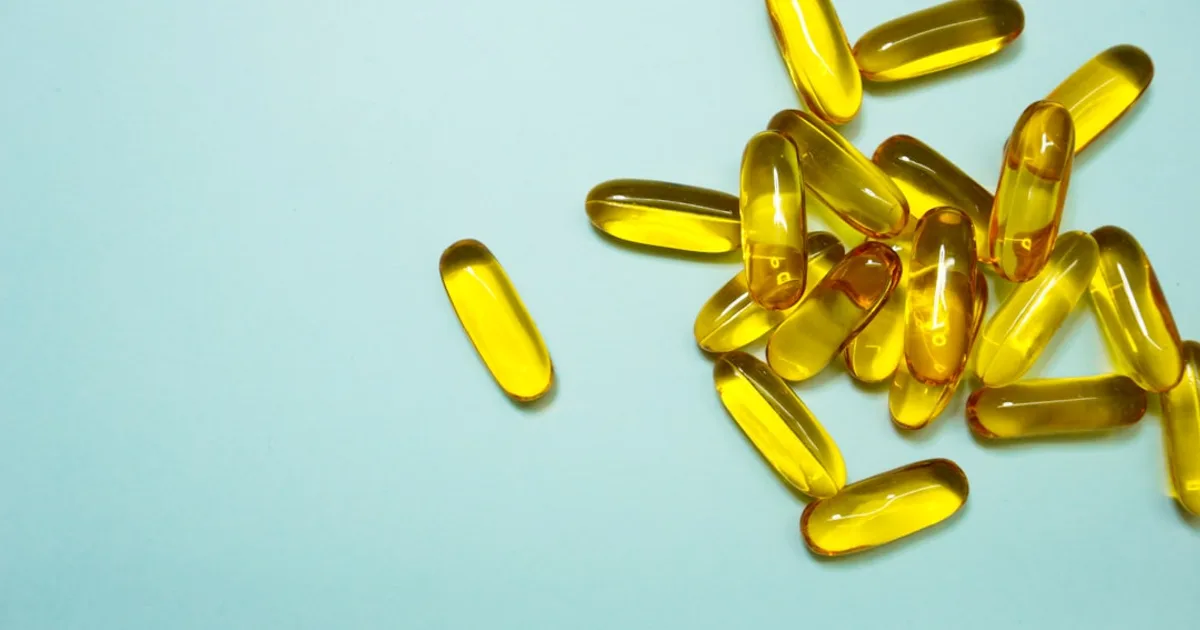
Omega-3 supplements are taken by millions for heart health, brain function, and inflammation management. For Muslim consumers, a product that seems straightforwardly halal — fish oil — turns out to have a critical hidden concern: the capsule.
The Fish Oil Itself: Halal
Fish oil derived from halal fish species (sardines, anchovies, mackerel, salmon) is halal. Fish in Islamic dietary law does not require ritual slaughter (unlike land animals). All mainstream fish species are permissible.
The oil = halal. The capsule = the problem.
Why Most Omega-3 Softgels Are Not Halal
Standard omega-3 supplements come in softgel capsules — those small, oval, translucent capsules. Softgel capsules are made from gelatine. The industry standard for gelatine in pharmaceutical and supplement softgels is pork-derived gelatine — bovine gelatine costs more and plant-based alternatives have historically been harder to work with.
Unless a product explicitly states “fish gelatine” or “vegetarian capsule,” the gelatine in your omega-3 softgel is almost certainly pork-derived.
Brand-by-Brand Guide
| Brand | Capsule Type | Halal Status | Notes |
|---|---|---|---|
| Cod Liver Oil (most brands) | Pork gelatine | Mushbooh/Haram | Liquid form available |
| Seven Seas Omega-3 (UK) | Gelatine (undisclosed source) | Mushbooh | Contact brand for source |
| Holland & Barrett Own Brand | Check label | Mushbooh | Varies by product line |
| Nordic Naturals Ultimate Omega | Fish gelatine (some lines) | Halal | Verify specific product |
| Wiley’s Finest Wild Alaskan | Fish gelatine | Halal | Check label |
| Algal-oil omega-3 (vegan) | HPMC vegetarian | Halal | Best halal option |
| Seven Seas Haliborange (children’s) | Gelatine | Mushbooh | Liquid form preferred |
Important: Product formulations change. Always check the current label, not older information.
The Algal Oil Solution
The best halal omega-3 option is algal oil — omega-3 (specifically DHA and EPA) derived from marine algae rather than fish. Since fish get their omega-3 from algae in the first place, algal oil is nutritionally equivalent.
Algal oil omega-3 supplements typically come in HPMC vegetarian capsules — no gelatine involved.
Why it’s better for halal consumers:
- The oil source is plant-derived (algae)
- The capsule is HPMC (plant cellulose)
- No animal-derived components at all
- Often certified vegan, which implies no animal-derived gelatine
Brands producing algal omega-3 in vegetarian capsules include Minami, Vegetology (UK), and various own-brand variants from health food retailers.
Liquid Omega-3: The Traditional Solution
Many omega-3 products are available in liquid form — cod liver oil, fish oil liquids. The fish oil is halal; the only ingredient is the oil. Liquid omega-3 products have no capsule gelatine concern at all.
Seven Seas Cod Liver Oil liquid: The oil itself is halal. The flavourings used should be checked (some contain carrier solvents), but the core product is clean.
E-Codes in Omega-3 Supplements
Supplements are not required to use E-numbers on labels, but may list chemical names. Watch for:
| Ingredient | What It Is | Halal Status |
|---|---|---|
| Gelatine (no source) | Capsule shell | Mushbooh |
| Porcine gelatine | Pork capsule | Haram |
| Fish gelatine | Fish capsule | Halal |
| HPMC | Vegetarian capsule | Halal |
| E471 in tablets | Emulsifier | Mushbooh |
| Stearic acid (no source) | Lubricant | Mushbooh |
| Magnesium stearate | Lubricant | Mostly plant-derived — check |
Since it is the shell and not the oil that decides this, the practical move is to skip the undisclosed-gelatine softgels entirely. We maintain a shortlist of omega-3 supplements built with fish gelatine or HPMC capsules, checked at the shell rather than the front of the box.
How We Reached This Verdict
Our assessment is based on pharmaceutical gelatine industry standards (pork gelatine as default in softgels), individual brand ingredient declarations, and Islamic jurisprudence on pork-derived gelatine as applied by UK Islamic scholars (Darul Uloom Dewsbury, Wifaq ul Ulama UK) and JAKIM.
Madhab Note
The halal status of pork gelatine is consistent across all four madhabs: pork-derived gelatine is haram. Some scholars have discussed the istihala (transformation) argument — arguing gelatine is so transformed from its pork origin that it is a new substance. However, this remains a minority view. JAKIM, HMC, and most mainstream certifying bodies do not accept pork gelatine under istihala — they require the gelatine to be from a halal or at minimum kosher source.
Taking supplements? Use HalalCodeCheck to verify E-codes and additives in your vitamins.
Browse our E-code database for pharmaceutical and supplement additives.
Verify ingredients on any supplement label using your phone camera.
Ingredients change. Be first to know.
Brands reformulate without warning. We track every E-code update and halal certification — one short weekly email.
Related Articles
 Shopping Guides
 Is Vidal Candy Halal? Spanish Sweets Checked for Gelatin & E-Codes
Vidal sweets are Mushbooh to Haram — most gummy products contain pork gelatine. Some products use plant-based alternatives — check the label for each variant.
 Shopping Guides
 Is Melatonin Halal? Gelatin Capsules vs Gummies Checked
Melatonin itself is halal — it's synthetically produced. The concern is the delivery format: gelatin capsules and gummies may contain pork gelatin.
 Shopping Guides
 Are Gelatin Capsules in Medicines Halal? The Complete Pharmacist Guide
Most pharmaceutical gelatin capsules use pork gelatin — this is the key halal concern in medicines. Islamic scholars have varying rulings; here's the practical guide.