
If you have ever reached for a melatonin supplement before a transatlantic flight or during Ramadan night shifts, you are among millions of Muslims relying on this sleep aid. The halal question is deceptively simple — and most consumers get it wrong.
Melatonin itself is 100% synthetic and halal. The ingredient that causes problems is what it comes packaged in.
The Melatonin Molecule: Fully Synthetic, Fully Halal
Melatonin is a hormone produced naturally by the pineal gland — but the supplement form is chemically synthesised, not extracted from animal tissue. Commercial melatonin synthesis routes involve:
- Tryptophan or serotonin precursors reacted under controlled chemical conditions
- No animal tissue, no animal-derived enzymes
- Kosher- and vegan-certified raw material is standard in the industry
The active ingredient: halal, no question.
The Real Problem: Delivery Format
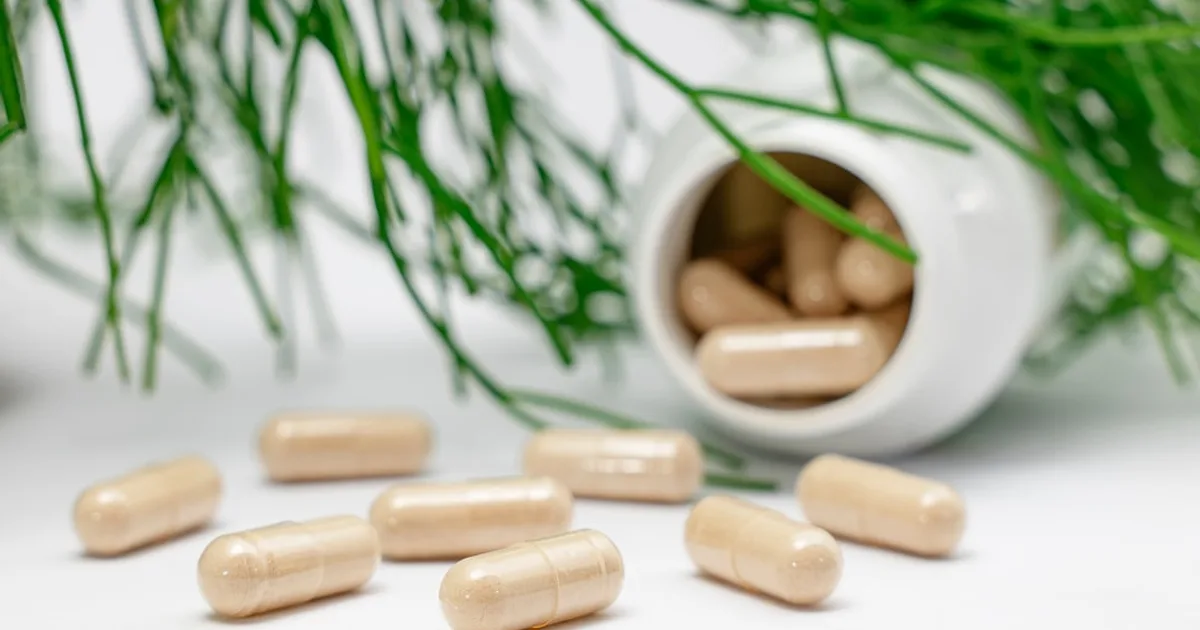
Standard Gelatin Capsules — Mushbooh to Haram
The majority of pharmaceutical and supplement capsules globally use hard gelatin shells. The gelatin is predominantly porcine (pig-derived), with some bovine (cow-derived) gelatin also in use.
On the label, this appears simply as “gelatin capsule” or “hard capsule” with no species specified. In the absence of explicit “bovine gelatin” or “fish gelatin” labelling, assume porcine — it is the cheaper and more widely used option in the industry.
Porcine gelatin = Haram (unanimous across all four madhabs).
Melatonin Gummies — Almost Always Haram
Gummy supplements are particularly problematic. The gummy texture requires a significant quantity of gelatin as a structural agent, and gummy manufacturers almost exclusively use porcine gelatin for cost and texture reasons.
The only exceptions are gummies explicitly labelled:
- “Vegan gummies” — uses pectin (plant-derived) instead of gelatin
- “Pectin-based”
- “Halal certified”
Standard melatonin gummies from brands like Vitafusion, ZzzQuil, and similar: assume haram unless you see the above labels.
Tablet Form — Safest Choice
Compressed tablets contain no gelatin shell. The binding agents and fillers are typically:
- Dicalcium phosphate
- Cellulose (microcrystalline)
- Magnesium stearate (check source — can be plant or animal)
- Stearic acid (check source)
Magnesium stearate and stearic acid are sometimes animal-derived (E470b), though plant-sourced versions are common. This is a secondary concern — tablets are still the default safest format for melatonin.
HPMC Capsules — Halal
HPMC (hydroxypropyl methylcellulose) capsules are derived from plant cellulose. They are fully vegan and halal. On labels, look for:
- “Vegetable capsule”
- “Plant-based capsule”
- “HPMC capsule”
- “Cellulose capsule”
This is the cleanest format for Muslim consumers who prefer capsules over tablets.
Liquid Drops — No Capsule Concern
Melatonin liquid drops contain the active ingredient dissolved in a carrier (often MCT oil or glycerin). No gelatin involved. Check the carrier: glycerin can be animal-derived but is commonly plant-sourced. “Vegetable glycerin” confirms halal sourcing.
Brand Comparison Table
| Brand | Format | Capsule/Gummy Type | Halal Cert | Verdict |
|---|---|---|---|---|
| Holland & Barrett Melatonin | Tablet | No capsule | None | Halal (tablet) |
| NOW Foods Melatonin | HPMC capsule | Vegetable | None | Halal |
| Solgar Melatonin | Tablet (nuggets) | No capsule | None | Halal (tablet) |
| Vitafusion Melatonin Gummies | Gummy | Pork gelatin | None | Haram |
| ZzzQuil Pure Zzzs | Gummy | Pork gelatin | None | Haram |
| Nature Made Melatonin | Softgel/tablet | Gelatin (porcine) | None | Haram (softgel) |
| Pure Encapsulations | HPMC capsule | Vegetable | None | Halal |
| Life Extension Melatonin | Capsule | Gelatin — check | None | Mushbooh |
Practical recommendation: Holland & Barrett own-brand melatonin tablets and NOW Foods HPMC capsule variants are the most accessible halal-friendly options in the UK.
Melatonin Dosage Note
For sleep onset: 0.5–1mg taken 30–60 minutes before bed is the evidence-supported dose. Higher doses (5–10mg) common in US supplements are not more effective and may cause morning grogginess. This is relevant because the lowest effective dose often comes as a simple tablet — the format that is safest from a halal perspective.
How We Reached This Verdict
- Manufacturer technical data sheets: Confirmed porcine gelatin prevalence in standard pharmaceutical capsules; HPMC capsule availability from NOW Foods, Solgar, Pure Encapsulations
- Halal certification body guidance (HMC, HFA): Standard gelatin capsules classified as mushbooh; porcine gelatin as haram
- Scholarly sources: Darul Iftaa Birmingham on gelatin in medicines — porcine gelatin is haram without darura (necessity); vegetable alternatives exist for melatonin, so darura does not apply
- IslamQA: Melatonin as a sleep aid (non-intoxicant) is permissible in principle
Madhab Note
All four madhabs are unanimous: porcine gelatin is haram. The scholarly debate in the supplement context concerns:
- Istihala (transformation): Some Hanafi scholars argue gelatin undergoes such complete transformation that it loses its original properties — becoming permissible. The mainstream Hanafi fatwa in the UK (Darul Iftaa Birmingham, Mufti Taqi Usmani) does not apply istihala to gelatin for supplements where halal alternatives exist.
- Darura (necessity): If a medication has no alternative and health requires it, pork-derived ingredients may be temporarily permitted. For melatonin specifically, halal alternatives (tablet, HPMC, drops) readily exist — darura does not apply.
Bottom line: Choose tablet or HPMC capsule form. There is no scholarly justification for using pork gelatin gummies when the same active ingredient is available in halal formats.
Check our E-codes database for E441 (gelatin) — the key code for pork gelatin in supplements and food. Use the ingredient scanner to check any supplement label. See also are gelatin capsules in medicines halal for the full pharmaceutical guide.
Ingredients change. Be first to know.
Brands reformulate without warning. We track every E-code update and halal certification — one short weekly email.
Related Articles
 Shopping Guides
 Is Vidal Candy Halal? Spanish Sweets Checked for Gelatin & E-Codes
Vidal sweets are Mushbooh to Haram — most gummy products contain pork gelatine. Some products use plant-based alternatives — check the label for each variant.
 Shopping Guides
 Is Omega-3 Fish Oil Halal? Gelatin Capsules vs Enteric-Coated
Fish oil omega-3 is halal — fish is generally permissible. The concern is the capsule: standard softgels use pork gelatin. Look for fish gelatin or enteric-coated alternatives.
 Shopping Guides
 Is Collagen Halal? Bovine, Marine & Vegan Sources Compared (2026)
Collagen halal status depends entirely on source: marine collagen from fish is halal, bovine requires zabiha slaughter verification, porcine is haram.