
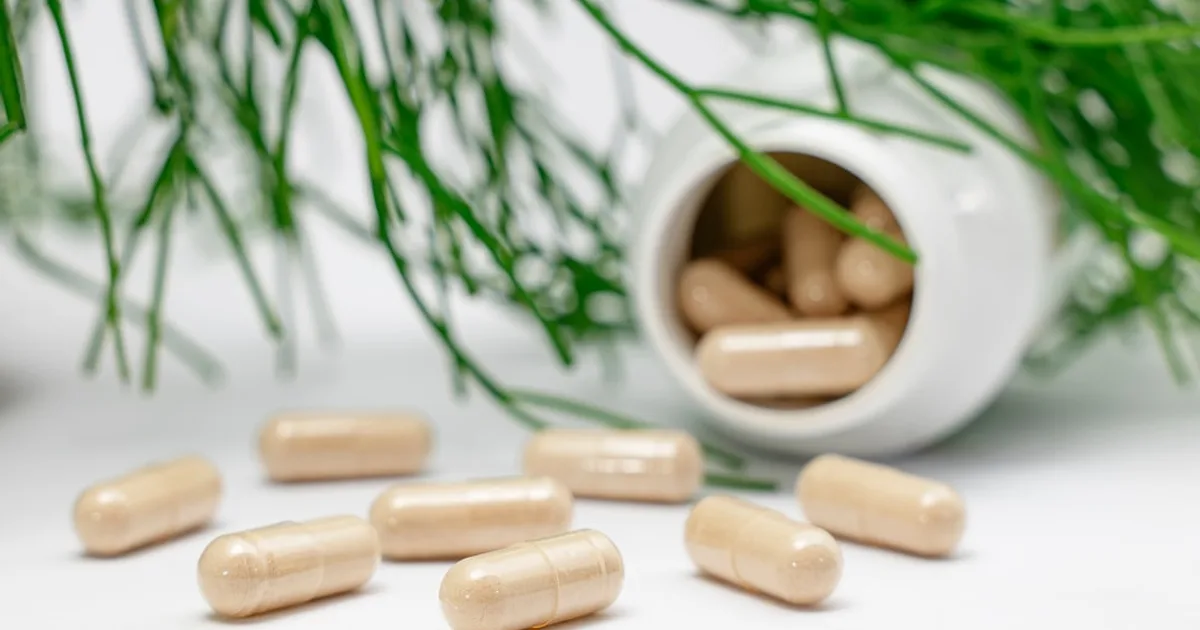
Collagen has become one of the fastest-growing supplement categories in both the UK and US — marketed for skin, joints, hair, and gut health. The halal question is non-trivial: collagen is always animal-derived, and the source determines everything.
There is no universal answer here. Marine collagen from fish? Halal. Bovine collagen from certified zabiha cattle? Halal. Porcine collagen from pigs? Haram. Bovine collagen from uncertified supply chains? Mushbooh. This guide cuts through the confusion.
The Three Collagen Sources
1. Marine Collagen (Fish-Derived) — Generally Halal
Marine collagen is extracted from the skin, bones, and scales of fish. The primary commercial species are:
- Cod (most common in UK and US marine collagen supplements)
- Tilapia
- Salmon
- Pollock
All four Sunni madhabs generally permit sea creatures, making fish collagen the lowest-risk option for Muslim consumers. Fish do not require ritual slaughter (zabiha) — they are permissible without it.
Practical note: Confirm the product is actually marine collagen and not a blend. Some products labelled “collagen complex” combine marine and bovine sources.
2. Bovine Collagen — Mushbooh Without Certification
Bovine collagen comes from cattle hides, bones, and tendons. Cows are halal animals — but the meat (and by-extension, collagen) must come from animals slaughtered in accordance with zabiha requirements.
The problem: most mainstream bovine collagen supplements in the UK and US do not carry halal certification. The cattle used in supplement-grade collagen extraction are primarily from conventional (non-halal) abattoirs.
Without halal certification, bovine collagen status = Mushbooh.
With a recognised halal certification (HMC, HFA, JAKIM in the UK; IFANCA, ISNA in the US) = Halal.
3. Porcine Collagen — Haram
Porcine collagen is derived from pig skin, tendons, and bones. It is haram across all four madhabs, full stop.
The concerning reality: pork-derived collagen is cheaper than bovine or marine and is common in lower-cost supplements, particularly in capsule form where the capsule shell (pork gelatin) may also be the issue. Always check the label explicitly for the collagen source.
4. Vegan/Plant-Based Collagen Boosters — Halal
These are not technically collagen supplements — they contain precursor nutrients (vitamin C, zinc, copper, amino acids like glycine and proline) that support the body’s endogenous collagen synthesis. They are fully plant-derived and halal.
The marketing can be misleading. “Vegan collagen” does not mean vegan collagen protein — it means plant-based collagen support. For Muslim consumers, this is actually the safest category.
Brand Comparison Table
| Brand | Product | Source | Halal Cert | Verdict |
|---|---|---|---|---|
| Vital Proteins | Marine Collagen | Fish (cod) | None | Halal (marine) |
| NaturesPlus | Marine Collagen | Fish | None | Halal (marine) |
| Garden of Life | Grass-Fed Collagen | Bovine | None | Mushbooh |
| Great Lakes | Collagen Hydrolysate | Bovine | None | Mushbooh |
| Vital Proteins | Collagen Peptides | Bovine | None | Mushbooh |
| Ancient Nutrition | Multi Collagen | Bovine + Marine blend | None | Mushbooh (bovine component) |
| Betterbody Foods | Marine Collagen | Fish | None | Halal (marine) |
| Vivo Life | VEGAN Collagen Builder | Plant | None | Halal (vegan) |
Key observation: No major mainstream collagen brand in the UK or US carries HMC/HFA or IFANCA/ISNA halal certification at the time of writing. Marine collagen products are the practical halal-friendly choice in both markets.
Collagen Peptides vs Collagen Protein: Does It Change the Ruling?
No — the processing form does not change the halal ruling. Whether it is:
- Hydrolysed collagen peptides (broken down for better absorption)
- Native collagen
- Collagen protein powder
The source animal and slaughter method remain the determining factor.
The Capsule Problem: Double-Check Everything
If you are taking collagen in capsule form, you have two potential halal concerns:
- The collagen itself (source: bovine/marine/porcine)
- The capsule shell (may contain pork gelatin E441)
It is possible to have bovine collagen (mushbooh) in a pork gelatin capsule (haram) — a doubly problematic product.
Recommendation: Choose collagen in powder or tablet form where the capsule concern is eliminated. Verify the collagen source separately.
Practical Buying Guide for Muslim Consumers
Safest option: Marine collagen powder (fish-derived, no capsule concern, no slaughter question)
Acceptable with certification: Bovine collagen with recognised halal certification (HMC, HFA, JAKIM, MUI in the UK/international markets; IFANCA, ISNA in the US)
Avoid: Any collagen labelled “porcine” or with unspecified source in capsule form
Halal-friendly vegan alternative: Plant-based collagen booster supplements
Narrowing that down to actual tubs on a shelf takes some digging, so we have done it for you: our roundup of halal-certified and marine collagen powders for 2026 covers only the products whose source we could verify.
How We Reached This Verdict
- Halal certification body guidelines (HMC, HFA in the UK; IFANCA, ISNA in the US): All classify bovine-derived collagen without certification as mushbooh; porcine-derived as haram
- JAKIM Malaysia guidance: Marine collagen from permissible fish species is classified as halal
- Manufacturer technical documentation: Cross-referenced UK and US ingredient lists for source verification
- Scholarly sources: Darul Iftaa Birmingham, IslamQA Hanafi, Darul Uloom Deoband on animal-derived supplements
Madhab Note
- Hanafi: Bovine collagen without zabiha verification = mushbooh (requires investigation). Marine collagen from fish = halal. Porcine = haram.
- Maliki: Similar to Hanafi on bovine; may permit meat from Ahl al-Kitab slaughter — but this is not typically applied to supplement ingredients without specific fatwa.
- Shafi’i: Sea creatures broadly permissible — marine collagen = halal. Bovine without zabiha = mushbooh.
- Hanbali: Same positions as Shafi’i on sea creatures. Bovine requires zabiha confirmation.
All four schools are unanimous on porcine collagen being haram.
Use our ingredient scanner to check any collagen product label instantly. See the E-codes database for E441 (gelatin) — the key code to watch in supplements and capsules. For related supplement checks, see is protein powder halal.
Ingredients change. Be first to know.
Brands reformulate without warning. We track every E-code update and halal certification — one short weekly email.
Related Articles
 Shopping Guides
 Is Protein Powder Halal? UK Brands Compared (Whey, Vegan, Casein)
Whey protein is Mushbooh without halal certification — it's dairy-derived but processing aids may be animal-based. Vegan protein is generally halal. Full UK brand guide.
 Shopping Guides
 Is Pre-Workout Halal? Caffeine, Beta-Alanine & Proprietary Blends
Most pre-workout powders are halal in formula but lack halal certification. Key concerns: undisclosed flavoring sources, gelatine in capsule form, and alcohol-based extracts.
 Shopping Guides
 Is Melatonin Halal? Gelatin Capsules vs Gummies Checked
Melatonin itself is halal — it's synthetically produced. The concern is the delivery format: gelatin capsules and gummies may contain pork gelatin.