
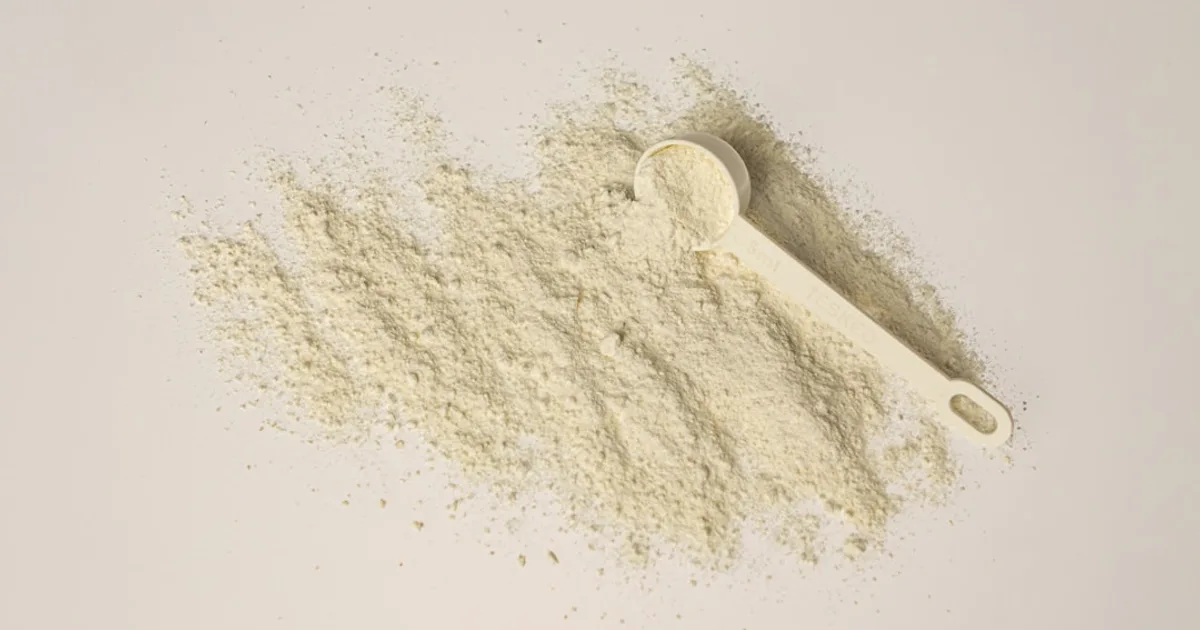
L-Carnitine is popular in the Muslim gym community for a specific reason: it is marketed as a fat-burning supplement compatible with a cutting phase, and many brothers and sisters use it during Ramadan to support metabolism during fasting periods. The name sounds meat-derived. The question of halal status is therefore very reasonable.
The short answer: commercial L-Carnitine is almost certainly halal — it is synthetic or fermentation-derived, and meat extraction from commercial production stopped decades ago.
Why L-Carnitine Sounds Like a Halal Concern
L-Carnitine’s name literally derives from meat — carnis in Latin. It was first isolated from meat extracts in 1905. In the body, it is synthesised from lysine and methionine, and is found in highest concentrations in red meat and dairy.
This history causes reasonable concern. But commercial supplement L-Carnitine is not extracted from meat. The quantities required for the global supplement market (hundreds of tonnes per year) make meat extraction completely impractical. Modern production uses chemistry or microbiology.
How Commercial L-Carnitine Is Produced
Route 1: Chemical Synthesis — Halal
The dominant production method worldwide. The synthesis starts from achiral precursors (typically 3-chloro-2-hydroxypropyl trimethyl ammonium chloride reacted with cyanide, followed by hydrolysis and resolution steps).
No animal materials are involved. This is a purely chemical industrial process.
Lonza® L-Carnitine: Lonza AG (Switzerland) is the world’s largest L-Carnitine supplier, producing pharmaceutical and supplement grade L-Carnitine via chemical synthesis. Lonza holds kosher certification for its L-Carnitine — accepted by most halal scholars for this ingredient category. The vast majority of branded supplement products use Lonza as their L-Carnitine raw material source.
Route 2: Bacterial Fermentation — Halal
Some producers use bacterial fermentation to produce L-Carnitine, using Agrobacterium tumefaciens or Escherichia coli strains engineered to express carnitine biosynthesis enzymes. The fermentation substrate is plant-derived. No animal material involved. Fully halal.
Route 3: Meat Extraction — Theoretical Concern
This was the original method. It is not used commercially today. If a product somehow used meat-extracted L-Carnitine, it would require zabiha verification. But no mainstream supplement brand uses this method.
The Actual Halal Checks to Make
Capsule Form: Gelatin vs HPMC
The standard capsule concern. L-Carnitine capsules commonly use pork gelatin shells unless labelled otherwise.
- Standard hard capsule = assume porcine gelatin = haram
- “Vegetable capsule” / “HPMC” = halal
- Powder or liquid form = no capsule concern
Liquid L-Carnitine: Check the Carrier
L-Carnitine is highly water-soluble and commonly sold in liquid form (shots, bottles). Check:
- Alcohol-based carrier: Some liquid supplements use a small amount of ethanol as a preservative. This is a concern — check the label.
- Glycerin: Vegetable glycerin = halal; animal-derived glycerin = mushbooh. “Vegetable glycerin” on label = confirmed halal.
- Natural flavors: Standard undisclosed natural flavoring concern — lower risk in fruit-flavoured shots but unconfirmed.
Acetyl-L-Carnitine (ALCAR): Same Assessment
Acetyl-L-Carnitine is L-Carnitine with an acetyl group attached. It is produced synthetically from L-Carnitine. Halal status: same as L-Carnitine. Capsule form: check for HPMC.
Brand Comparison Table
| Brand | Product | Form | Source Confirmation | Halal Cert | Verdict |
|---|---|---|---|---|---|
| NOW Foods | L-Carnitine 500mg | HPMC capsule | Not stated | None | Halal (HPMC) |
| Bulk | L-Carnitine Powder | Powder | Synthetic (Lonza) | None | Halal |
| MyProtein | L-Carnitine Capsules | Capsule | Not stated | None | Mushbooh (capsule) |
| Optimum Nutrition | L-Carnitine 500mg | Capsule | Not stated | None | Mushbooh (capsule) |
| Applied Nutrition | L-Carnitine Liquid | Liquid | Synthetic | None | Halal (confirm carrier) |
| Scitec | L-Carnitine 100ml | Liquid shot | Not stated | None | Mushbooh |
| Myprotein | L-Carnitine Liquid | Liquid | Not stated | None | Mushbooh |
| Lonza Carnitine | Raw material | — | Synthetic (kosher) | Kosher | Halal |
Best choice: Bulk L-Carnitine Powder (cites Lonza, powder form, no capsule concern) or NOW Foods HPMC capsule version.
Does L-Carnitine Actually Work for Fat Burning?
Relevant context: the evidence base for L-Carnitine as a fat-burning supplement is modest. Effects are seen primarily in people with carnitine deficiency (vegetarians, older adults, people with kidney disease) and in specific training protocols. It is not a magic fat burner.
For Muslim gym-goers using L-Carnitine during Ramadan: potential modest benefit, no known contraindication with fasting. The halal question is the more important one to answer — and it resolves cleanly if you choose powder or HPMC capsule form.
How We Reached This Verdict
- Lonza AG product documentation: Confirmed synthetic production route; kosher certification noted
- Scientific literature: Commercial L-Carnitine production via chemical synthesis and bacterial fermentation — no meat extraction
- HMC/HFA: L-Carnitine from synthetic or fermentation routes not on haram/mushbooh ingredient list
- Darul Iftaa Birmingham: Synthetic amino acids and compounds = permissible; capsule format addressed separately
Madhab Note
All four Sunni madhabs agree:
- Synthetic or fermentation-derived L-Carnitine = permissible (no animal involvement)
- Porcine gelatin capsule = haram (unanimous)
- Trace processing alcohol: Hanafi and Maliki are generally more permissive on trace non-intoxicating residues; Shafi’i and Hanbali more cautious
Choose powder or HPMC capsule form and this question resolves cleanly across all schools.
Check our E-codes database for E441 (gelatin) and E422 (glycerol) — both relevant to L-Carnitine liquid products. Use the ingredient scanner to check any L-Carnitine product label. For the complete pre-workout ingredient picture, see is pre-workout halal.
Ingredients change. Be first to know.
Brands reformulate without warning. We track every E-code update and halal certification — one short weekly email.
Related Articles
 Shopping Guides
 Is Protein Powder Halal? UK Brands Compared (Whey, Vegan, Casein)
Whey protein is Mushbooh without halal certification — it's dairy-derived but processing aids may be animal-based. Vegan protein is generally halal. Full UK brand guide.
 Shopping Guides
 Is Pre-Workout Halal? Caffeine, Beta-Alanine & Proprietary Blends
Most pre-workout powders are halal in formula but lack halal certification. Key concerns: undisclosed flavoring sources, gelatine in capsule form, and alcohol-based extracts.
 Shopping Guides
 Is Inositol Halal? PCOS & Mental Health Supplement Checked
Inositol is halal when derived from plants — myo-inositol and D-chiro-inositol are typically made from plant sources. Check the capsule format.