
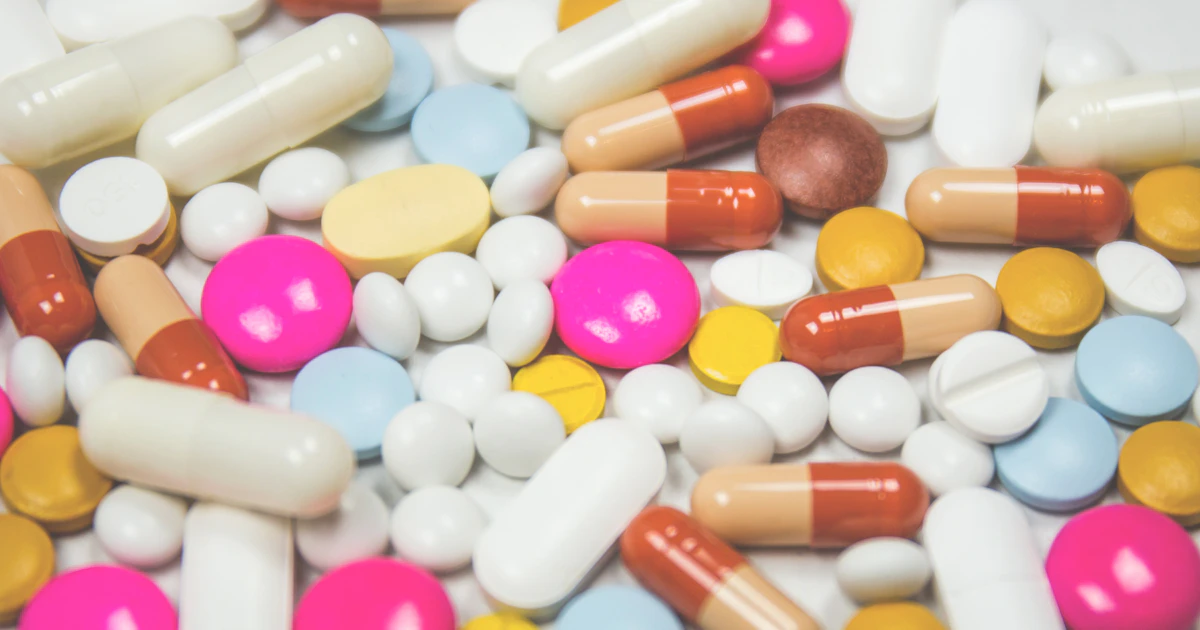
Every year, millions of Muslims in the UK take prescribed medicines without knowing whether the capsule shell they are swallowing is made from pork. This is not a niche concern — it affects elderly patients on multiple medications, parents giving medicines to children, and anyone managing a chronic condition with capsule-form drugs.
The pharmaceutical industry’s default capsule material is porcine gelatin. It has been for decades. This is not a conspiracy — it is cost and physics. But alternatives exist, the NHS can accommodate requests, and this guide gives you the tools to act.
Why Pharmaceutical Capsules Are Usually Pork Gelatin
The Industry Standard
Pharmaceutical-grade gelatin comes from two main sources:
- Porcine (pig) skin and bones — the dominant source globally; approximately 70–80% of pharmaceutical gelatin
- Bovine (cattle) skin and bones — approximately 15–20% of pharmaceutical gelatin
- Fish skin — emerging, small market share
- HPMC (plant cellulose) — synthetic alternative
Porcine gelatin is used because it:
- Dissolves predictably at body temperature
- Has precise viscosity for capsule manufacturing
- Is cheaper than bovine gelatin
- Has consistent supply
The species is rarely declared on pharmaceutical labels in the UK. Patient information leaflets (PILs) sometimes list “gelatin” as an excipient but do not specify origin. Without that specification, the default assumption is porcine.
Common Medication Types and Capsule Status
| Medication Category | Examples | Typical Capsule Form | Alternative Available? |
|---|---|---|---|
| Antibiotics | Amoxicillin, Doxycycline | Hard gelatin capsule | HPMC versions exist for some |
| Antifungals | Fluconazole | Hard gelatin capsule | Tablet alternative usually available |
| Supplements | Vitamin D3, Omega-3 | Softgel | HPMC softgels available |
| Pain relief | Tramadol, Gabapentin | Hard gelatin capsule | HPMC versions exist |
| Mental health | Some SSRIs, anxiolytics | Hard gelatin capsule | Often tablet alternatives |
| Vitamins | B12, Vitamin E | Hard gelatin capsule | Tablet/liquid alternatives common |
| Cholesterol | Some statins | Hard gelatin capsule | Tablet formulations widely available |
| Heart medicines | Some beta-blockers | Hard gelatin capsule | Tablet formulations available |
Important: The availability of halal alternatives changes over time as manufacturers update formulations. Always verify with your pharmacist for the current formulation.
The Two Capsule Alternatives
HPMC (Hydroxypropyl Methylcellulose) Capsules
HPMC is derived from plant cellulose (wood pulp). HPMC capsules are:
- Fully plant-based and halal
- Increasingly available as pharmaceutical-grade capsules
- Labelled as “hypromellose capsule”, “vegetable capsule”, “HPMC capsule”
- Used in brands like Sunvit-D3, some Solgar products, and an increasing range of NHS medicines
HPMC capsules have slightly different dissolution properties from gelatin — this is relevant for drug manufacturers and is why not every gelatin formulation has an HPMC equivalent. But for most standard medications, HPMC alternatives exist.
Fish Gelatin Capsules
Fish gelatin from halal sea creatures is halal. Fish gelatin capsules are increasingly used, particularly in countries with large Muslim populations. They are less common in standard UK NHS prescriptions but appear in some OTC supplements.
How to Request Halal Alternatives
Step 1: Check the Patient Information Leaflet (PIL)
The PIL is included with every prescription medicine. Check the excipients section for “gelatin” and whether the source is specified.
Step 2: Search the BNF (British National Formulary)
The BNF (bnf.nice.org.uk) lists excipients for all licensed UK medicines. Search your medication name and check the excipients section for capsule type.
Step 3: Check the SPC (Summary of Product Characteristics)
The SPC (available via medicines.org.uk/emc) lists full excipient data including gelatin source for some products.
Step 4: Ask Your Pharmacist
This is the most effective step. Say to your pharmacist:
“I need to avoid porcine gelatin for religious reasons. Is there an HPMC or vegetable capsule version of this medicine available, or a tablet/liquid alternative?”
Most UK pharmacists are familiar with this request. They can check the prescribing database for alternative formulations and contact your GP to adjust the prescription if needed.
Step 5: Ask Your GP for an HPMC Prescription
If your pharmacist confirms an HPMC version exists, your GP can specify it on the prescription. State clearly that you need the HPMC capsule version for religious reasons — this is a legitimate and valid request.
The Islamic Ruling: Darura (Necessity)
When no alternative exists, Islam has a clear provision: darura (necessity/dire need).
The principle: what is haram becomes temporarily permitted when life or health genuinely requires it and no permissible alternative is available.
Key scholarly positions:
-
Darul Iftaa Birmingham (UK): Pork gelatin in medicines is haram in principle. Where a halal alternative exists, it must be chosen. Where no alternative exists and the medicine is medically necessary, darura applies and the medicine is permitted. Condition: actively seek the alternative first.
-
Wifaqul Ulama (UK): Similar position — seek halal formulation first; darura applies only when genuinely no alternative.
-
IslamQA (Saudi/Hanbali): Conservative position — maximum effort to find alternatives before applying darura.
-
Dar al-Ifta al-Misriyyah (Egypt/Shafi’i-leaning): Darura is applied more broadly — necessity encompasses significant harm to health.
-
Hanafi mainstream via Mufti Taqi Usmani: Istihala (transformation) is discussed but not conclusively applied to pharmaceutical gelatin in his rulings; darura framework is the operative mechanism.
Practical summary: The scholarly consensus is that you should ask for halal alternatives. If none exist and the medicine is medically necessary, you can take the pork gelatin form without sin. The effort to find an alternative must be genuine.
Specific Concern: Children’s Medicines
Parents give medicines to children who cannot make these decisions themselves. For paediatric medicines:
- Many liquid medicines avoid gelatin entirely (liquid syrups, suspensions)
- Chewable tablets for children are often gelatin-free
- Paediatric capsule forms: same rules apply — ask for HPMC alternatives
For children’s vitamins and supplements specifically — vitamin gummies almost universally use pork gelatin, the same gelatin sourcing problem that affects gummy sweets. Liquid drops or chewable tablets are the halal alternative.
Softgel Capsules: A Special Case
Softgel (soft gelatin) capsules contain liquid inside a gelatin shell. Common for:
- Fish oil / Omega-3 supplements
- Vitamin D3
- Vitamin E
- Some prescription medications
Softgel shells use even higher quantities of gelatin than hard capsules. HPMC softgels are available but less common.
For fish oil specifically: The pork gelatin shell is particularly ironic given the halal fish contents. Halal-certified fish oil in HPMC softgels or liquid form is available from specialist halal supplement retailers.
Over-the-Counter Supplements: Higher Risk, Lower Necessity
For OTC supplements (vitamin D, omega-3, multivitamins), the darura principle does not apply — these are not medically necessary in the same way as prescription medicines. Alternatives are always available:
- Vitamin D3: Halal liquid drops widely available (Holland & Barrett, Amazon)
- Omega-3: Liquid omega-3 (Nordic Naturals, Seven Seas liquid) or halal-certified HPMC capsule
- Multivitamin: Tablet forms widely available from all major supplement brands
- Probiotics: Sachets/powder widely available
There is no justification for choosing a pork gelatin supplement version when plant-capsule or liquid alternatives are available and equally effective.
A Note for Pharmacists and Healthcare Professionals
If you are a pharmacist or healthcare professional reading this: awareness of capsule halal status among Muslim patients is increasing. Proactively offering to check HPMC alternatives when dispensing to Muslim patients is a positive patient care practice and appreciated.
The NHS Constitution includes respect for religious beliefs as a core patient right. Accommodating capsule type requests is part of this commitment.
Since darura offers no cover on the supplement shelf, the sensible move is to change the product rather than argue about the shell: our roundup of halal-certified multivitamins for 2026 sticks to certified tablets and halal-gelatine gummies, so the porcine capsule question never arises.
How We Reached This Verdict
- Pharmaceutical gelatin industry data: CPHI Worldwide, Gelatin Manufacturers of Europe (GME) — confirms porcine gelatin dominance (~75% pharmaceutical gelatin)
- UK regulatory sources: MHRA, NICE BNF, medicines.org.uk SPC database — excipient disclosure research
- Halal certification body guidance: HMC UK, HFA — porcine gelatin = haram; HPMC = halal
- Scholarly sources: Darul Iftaa Birmingham (extensive fatwa on pharmaceutical gelatin), Wifaqul Ulama UK, IslamQA, Darul Uloom Deoband, Mufti Taqi Usmani
- Patient advocacy: Halal-certified medicines campaign materials, NHS BAME health consultations
Madhab Note
- Hanafi: Porcine gelatin = haram. Darura framework applies when no alternative. Istihala (transformation) is contested — most contemporary Hanafi scholars in the UK do not accept it for pharmaceutical gelatin when alternatives exist.
- Maliki: More liberal on darura — broader application of necessity. Some Maliki scholars accept gelatin medicines more readily under necessity.
- Shafi’i: Porcine gelatin = haram. Darura applies narrowly. Seek alternative before taking.
- Hanbali: Strictest on seeking alternatives before applying darura. Clear necessity required.
All four schools are unanimous that the active effort to find halal alternatives is required before darura can be invoked.
Check the E-codes database — E441 is gelatin, the specific code to identify in any supplement or medicine excipient list. Use the ingredient scanner to photograph a supplement label and identify all ingredients at once. For supplement-specific capsule guidance, see is melatonin halal.
For the full picture on supplement halal status — including collagen sources, omega-3 softgels, and every E number found in tablets — see the Halal Supplements Complete Guide and the dedicated Halal Collagen Supplements guide.
Ingredients change. Be first to know.
Brands reformulate without warning. We track every E-code update and halal certification — one short weekly email.
Related Articles
 Shopping Guides
 Is Vidal Candy Halal? Spanish Sweets Checked for Gelatin & E-Codes
Vidal sweets are Mushbooh to Haram — most gummy products contain pork gelatine. Some products use plant-based alternatives — check the label for each variant.
 Shopping Guides
 Is Omega-3 Fish Oil Halal? Gelatin Capsules vs Enteric-Coated
Fish oil omega-3 is halal — fish is generally permissible. The concern is the capsule: standard softgels use pork gelatin. Look for fish gelatin or enteric-coated alternatives.
 Shopping Guides
 Is Melatonin Halal? Gelatin Capsules vs Gummies Checked
Melatonin itself is halal — it's synthetically produced. The concern is the delivery format: gelatin capsules and gummies may contain pork gelatin.