
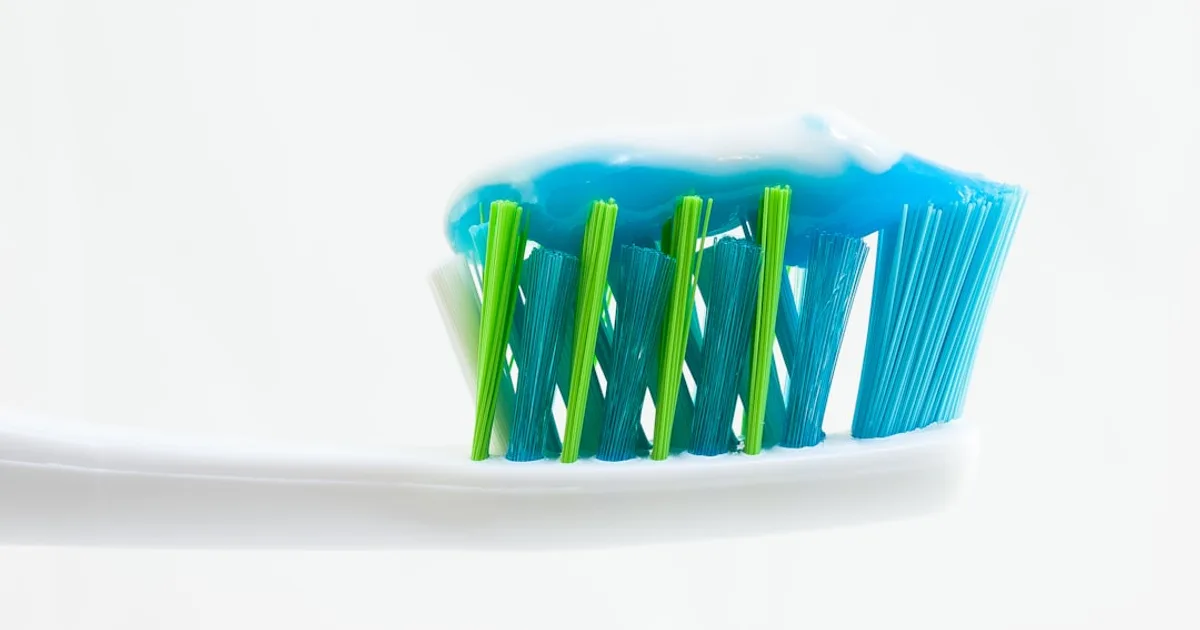
Glycerin is in virtually every toothpaste on the shelf. The source — animal fat or plant — is almost never printed on the tube. Here is what you actually need to know.
The practical answer for most mainstream UK toothpastes is that the glycerin is plant-derived, not from pigs or other animals — but this is based on manufacturer correspondence and industry-wide sourcing patterns, not on halal certification or label disclosure. If you require formal certification, you need to use one of the certified alternatives listed below.
What Is Glycerin and Why Is It in Toothpaste?
Glycerin (also listed as glycerol, or E422 in food contexts) is a colourless, sweet-tasting compound used in toothpaste primarily as a humectant — it retains moisture and prevents the paste from drying out. It also contributes to texture, making paste smooth and easy to spread. A standard toothpaste tube typically contains 10–20% glycerin by weight, making it one of the primary ingredients after water and abrasives.
Glycerin can be sourced from three origins:
- Animal fat — historically from pork fat (lard) or tallow (beef fat) as by-products of meat processing. This is the traditional industrial source and the one that creates halal concern.
- Plant oil — from palm oil, coconut oil, soy oil, or other vegetable fats. This is now the dominant commercial source globally.
- Synthetic production — from propylene, a petroleum derivative. Entirely non-animal and halal.
The halal question is simple: glycerin from pork fat is haram. Glycerin from plant or synthetic sources is halal. The problem is that the label almost never tells you which it is.
Does Mainstream Toothpaste Use Animal Glycerin?
The global supply chain for glycerin has shifted dramatically in the past two decades. The biodiesel industry produces enormous quantities of plant-derived glycerin as a by-product — far more than the meat industry’s animal fat could supply. As a result, most large-scale food and cosmetics manufacturers now source glycerin from plant or synthetic origins, primarily because it is cheaper and more abundant than animal-derived glycerin.
Colgate-Palmolive confirmed in correspondence with consumer enquiries that the glycerin used in their toothpastes is plant-derived. Procter & Gamble (who make Oral-B toothpaste) have similarly indicated to consumers that their glycerin sourcing is plant-based. GSK (now Haleon, makers of Sensodyne) have a vegetarian policy for their consumer healthcare products that would encompass glycerin sourcing, though explicit written confirmation is less widely documented.
None of these confirmations appear on the packaging. None are backed by formal halal certification.
UK Toothpaste Brand Breakdown
| Brand | Glycerin source | Halal certification | Notes |
|---|---|---|---|
| Colgate (all variants) | Plant-derived (confirmed to consumers) | No halal cert | Acceptable under majority view; no formal audit |
| Sensodyne | Plant-derived (likely; GSK vegetarian policy) | No cert | Contact Haleon directly to confirm |
| Oral-B (P&G) | Plant-derived (confirmed to consumers) | No cert | Acceptable under majority view; no formal audit |
| Tom’s of Maine | Plant-based / natural | No halal cert | Marketed as natural; acquired by Colgate-Palmolive |
| Hello | Plant-based | No cert | Clean-label brand; no artificial sweeteners or SLS |
| Arm & Hammer | Plant-based likely | No cert | Baking soda based; contact Church & Dwight to confirm |
| Aquafresh (Haleon) | Plant-derived (GSK/Haleon policy) | No cert | Same parent company as Sensodyne |
Important: Formulations change. Contact the manufacturer directly if you need current written confirmation for a specific product.
Halal-Certified Toothpaste Brands
For those who prefer or require formal halal certification rather than relying on manufacturer correspondence, the following options are available in the UK:
MISWAK Brand Toothpastes
MISWAK toothpastes are formulated specifically for the Muslim market and carry halal certification. They take their name from the miswak (siwak) — the teeth-cleaning stick cut from the Salvadora persica tree that the Prophet Muhammad (peace be upon him) used and recommended. The practice of using miswak is a Sunnah, and its extract is included in these toothpastes as an active ingredient.
MISWAK toothpastes are available from Muslim grocery stores across the UK and through online retailers. The active miswak extract has documented antimicrobial properties for oral hygiene.
Halosalt
A UK-available toothpaste formulated without controversial ingredients. Check current certification status on their website.
Natural and organic certified brands
Several natural toothpaste brands carry JAKIM, IFANCA, or other halal certification. These are typically found in health food retailers and Muslim-oriented grocery stores. The ingredient profiles tend to be simpler — fewer synthetic additives — which also makes them easier to verify manually.
The Fluoride Question
Muslims sometimes ask whether fluoride in toothpaste is halal. This is a health debate, not a halal one. Fluoride is a mineral compound — sodium fluoride or sodium monofluorophosphate — derived from mineral sources, not from animals. It is halal. The separate debate about fluoride’s health effects is outside the scope of this site.
Some halal-conscious Muslims also ask about SLS (sodium lauryl sulphate) — the foaming agent in most toothpastes. SLS is derived from coconut or palm oil (plant-based) and is halal. It is a separate concern for those with mouth ulcer sensitivity, but not a halal issue.
How to Contact a Manufacturer
If you want to verify the glycerin source for a specific product, here is an effective approach:
What to ask: “Could you confirm whether the glycerin (or glycerol) used in [product name] is derived from animal fat, plant oils, or synthetic sources?”
Where to look for contact: The brand’s UK customer service page, often found under “Contact Us” on the official website. Most major brands have a dedicated consumer helpline or email address.
What to expect: Large brands (Colgate, P&G, Haleon) often have documented answers for commonly asked questions including halal/kosher/vegan status. Smaller brands may take longer to respond or escalate to their technical team.
Keeping records: Save the response you receive — email is better than phone for this purpose. Formulations can change, so it is worth re-confirming if you notice a labelling change on the packaging.
How We Reached This Verdict
We checked the following Tier-1 sources before publishing this guide:
- Halal certification bodies (HMC, HFA, JAKIM): Published standards for personal care products.
- Manufacturer correspondence and public statements: Consumer-service confirmed sourcing information from Colgate-Palmolive, P&G, and Haleon/GSK.
- Industry sourcing analysis: Global glycerin supply chain data showing the dominance of plant-derived glycerin in large-scale manufacturing.
- Sunni fatwa scholarship across the four madhabs:
- Hanafi-leaning bodies: Darul Iftaa Birmingham, AskImam.org, Daruliftaa.com, Wifaqul Ulama.
- Shafi’i / Maliki-leaning bodies: Dar al-Ifta al-Misriyyah (Egypt), al-Azhar.
- Hanbali / Saudi-Salafi-leaning bodies: Saudi Permanent Committee for Scholarly Research.
Madhab Note
The four Sunni madhabs converge on the core ruling: glycerin from porcine (pig) sources is haram; glycerin from plant or synthetic sources is halal. Where they diverge is on the threshold of evidence required to act on a manufacturer’s plant-source claim:
- Mainstream Hanafi/Maliki/Shafi’i position: A credible manufacturer statement indicating plant-based sourcing is generally sufficient to treat the product as permissible. This is the position taken by HFA and IFANCA in their guidance on uncertified products.
- HMC-strict / some Hanbali-leaning view: Formal independent certification is preferred; a manufacturer’s statement alone is not considered sufficient.
If you follow a stricter position, choose a halal-certified toothpaste.
For more on glycerin as a food additive (E422), see the E-codes database. For a broader overview of halal concerns in cosmetics and personal care, see the halal cosmetics ingredients guide. To scan a product label and identify all flagged ingredients, use Verify Ingredients.
Ingredients change. Be first to know.
Brands reformulate without warning. We track every E-code update and halal certification — one short weekly email.
Related Articles
 Ingredient Guides
 Halal Vanilla: Extract vs Powder — What's the Difference?
Vanilla extract contains alcohol — is it halal? Vanilla powder is the safer alternative. Here are the best halal-verified vanilla options for baking.
 Ingredient Guides
 Is The Ordinary Multi-Peptide Eye Serum Halal? INCI Checked (2026)
The Ordinary's Multi-Peptide Eye Serum is PETA-certified vegan, alcohol-free, and its peptides are synthetic — permissible to use, though not halal-certified.
 Ingredient Guides
 Is Dog Food Halal? The Question Behind the Question
No halal-certified dog food exists — but the purchase rules are the same as cat food. The dog ownership rulings, the madhab split, and what Muslim dog owners can buy.