
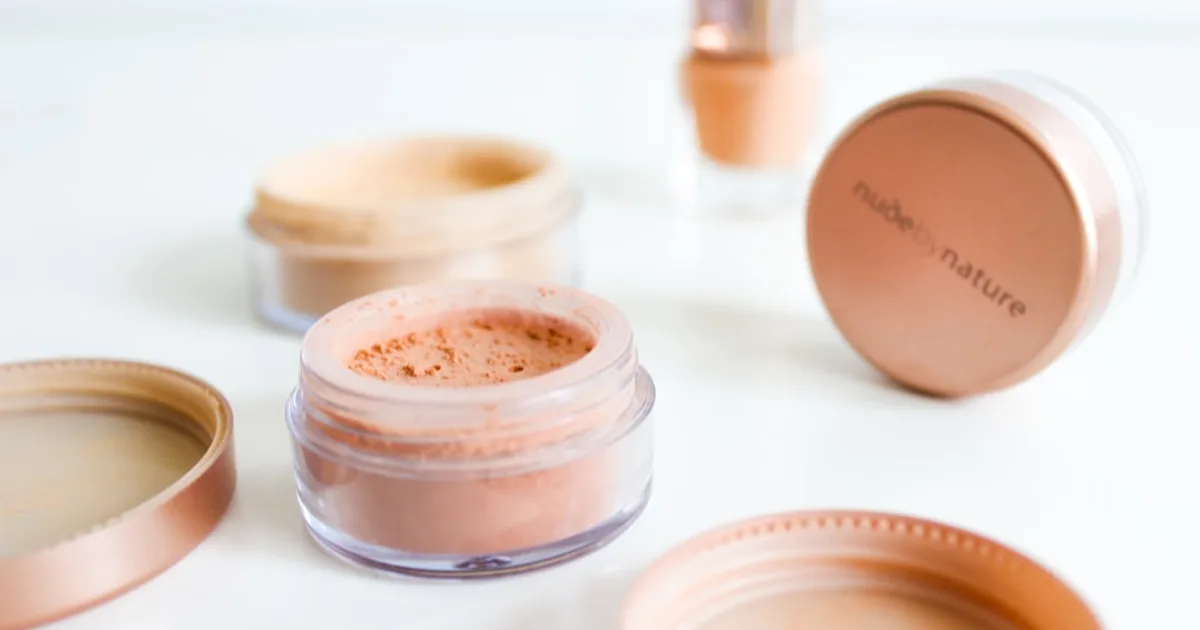
The halal checking habit that most Muslims apply to food rarely extends to what they put on their skin. But cosmetics and toiletries share many of the same problematic ingredients as food — carmine, gelatine, glycerin, and alcohol all appear in both aisles. The difference is that cosmetics labelling is governed by INCI (International Nomenclature of Cosmetic Ingredients) standards, which use Latin and technical names that are even harder to decode than food E-numbers.
This guide covers the halal status of every major ingredient category found in cosmetics, with practical advice on what to check and what to avoid.
Why Cosmetics Have a Halal Dimension
The question of whether cosmetics require halal compliance is sometimes dismissed — “we’re not eating it” — but the scholarly and consumer arguments for checking cosmetics are substantive.
The mainstream Sunni position on ingestion is clear: consuming haram substances is forbidden. On topical application, the majority view held by mainstream halal certifying bodies is that cosmetics and personal care products should also be free of haram substances. The reasoning operates on several levels:
Contact during prayer. Some scholars hold that having haram substances on the skin during salah is problematic, though there is variation in how strictly this is applied. Nail polish that contains carmine and also blocks wudu is a compound concern.
Consumer intent. Choosing products known to contain haram ingredients when alternatives exist is considered displeasing even where the precise harm is debated. This is the principle underlying most halal cosmetics certification.
The practical reality is that many Muslims simply want to know what is in what they are buying, and to make an informed choice. That is a reasonable position regardless of where you land on the fiqh.
The Main Ingredients to Check
The following table covers the most commonly encountered halal concerns in cosmetics:
| Ingredient | Where found | Halal concern |
|---|---|---|
| Carmine / CI 75470 | Lipstick, blush, nail polish, eyeshadow | Insect-derived — haram |
| Cochineal / Natural Red 4 | As above | Same as carmine |
| Gelatine | Face masks, nail polish, creams | Porcine by default — haram unless certified |
| Glycerin / Glycerol | Toothpaste, moisturisers, soaps | Animal or plant — source must be confirmed |
| Ethanol / Alcohol denat. | Perfume, toners, aftershave, mouthwash | Disputed — see position breakdown below |
| Lanolin | Lip balm, face cream, hair products | Wool wax (sheep) — permissible under majority view |
| Stearic acid | Soaps, creams, deodorant | Animal or plant — check source |
| Collagen | Anti-ageing creams, serums | Porcine or bovine by default — check source |
| Beeswax / Cera alba | Lipstick, balms, mascaras | Permissible under majority scholarly view |
| Elastin | Anti-ageing serums | Often bovine — check source |
| Squalene | Moisturisers | Shark-derived (haram concern) or plant (olive) — check source |
| Placenta extract | Some anti-ageing creams | Human or animal — deeply problematic |
| Keratin | Hair treatments | Bovine or porcine — check source |
How to Read a Cosmetics Label
Cosmetics sold in the UK use INCI names — standardised Latin-based names that look nothing like the ingredient as you’d find it in a kitchen. The key INCI names to recognise for halal purposes:
Carmine and its aliases:
- Carmine
- CI 75470
- Natural Red 4
- Cochineal
- Cochineal Extract
- Carminic Acid
If any of these appear, the product contains crushed cochineal insects and is haram.
Gelatine aliases:
- Gelatin
- Hydrolysed Collagen (source ambiguous — worth checking)
- Collagen (source ambiguous)
Glycerin aliases:
- Glycerin
- Glycerol
- Propane-1,2,3-triol
The source of glycerin is rarely stated on the packaging. Most mainstream manufacturers use synthetic or plant-derived glycerin, but confirmation usually requires contacting the brand directly.
Alcohol aliases:
- Alcohol Denat.
- SD Alcohol
- Ethanol
- Isopropanol (different compound — not the same concern as ethanol)
“Certified vegan” as a proxy: A vegan certification eliminates carmine, gelatine, lanolin, collagen, elastin, and animal-derived glycerin. It does not cover alcohol or formal halal compliance. For Muslims primarily concerned with animal-derived ingredients (as opposed to alcohol in topical products), vegan-certified cosmetics are a useful practical shortcut.
UK Halal Cosmetics Certification Bodies
- IFANCA (Islamic Food and Nutrition Council of America) — certifies cosmetics internationally
- JAKIM (Malaysia) — respected internationally, certifies some cosmetics brands
- Halal Cosmetics Company (UK) — UK-specific certification for beauty and personal care
- HFA (Halal Food Authority, UK) — primarily food but covers some personal care
UK Halal Cosmetics Brands
The UK halal cosmetics market has grown significantly. The following brands have been active in this space, though you should verify current certification status directly with the brand before purchasing:
Inika Organic — Certified halal (and organic, vegan, cruelty-free). One of the most established certified halal cosmetics brands in the UK market. Stocks foundations, lipsticks, eye products, and skincare.
PHB Ethical Beauty — UK-based brand with halal certification. Focuses on ethical sourcing, vegan-friendly, with halal certification across much of the range. Available online and through selected retailers.
BareFaced Beauty — UK halal-certified mineral makeup brand. Mineral pigments rather than synthetic colourants, no carmine, no animal-derived ingredients.
Mineral Fusion (US-origin, available UK) — Does not use pork-derived ingredients; not formally halal-certified but frequently cited by halal-conscious consumers. Verify current status before purchasing.
Note: Certification status changes. Always check the current brand website or contact the brand directly to confirm active certification before purchasing.
Quick Product-Type Guide
Toothpaste
The main concern is glycerin — present in virtually every mainstream toothpaste as a humectant. See the dedicated glycerin in toothpaste guide for brand-by-brand breakdown. Most major brands use plant-derived glycerin but do not state this on the tube.
Perfume and fragrance
The main concern is ethanol — see the is alcohol in perfume halal guide for the full scholarly breakdown. The short version: the mainstream Hanafi position holds topical alcohol in perfume permissible; oil-based attars and oud are halal without any debate.
Lipstick and lip products
Two main concerns: carmine (CI 75470) in red and pink shades, and gelatine in some formulations. Check the INCI list on the brand’s website — most UK brands now publish full lists by shade. See the dedicated carmine in cosmetics guide for brand-by-brand assessment.
Foundation and powder
Red and pink shades are the main carmine risk. Foundations in the beige/neutral/brown range are lower risk (iron oxides are used instead) but still worth checking. Halal-certified foundations are available from Inika and PHB.
Moisturisers and skincare
The concerns are glycerin source, collagen source, and (in anti-ageing products) elastin and squalene source. Plant-derived alternatives to all of these exist. Certified vegan moisturisers resolve the animal-source concern effectively.
Deodorant
Stearic acid is a common emulsifier in stick and cream deodorants. It can be animal or plant-derived. Again, vegan-certified deodorants resolve this.
How We Reached This Verdict
We checked the following Tier-1 sources before publishing this guide:
- Halal certification bodies (HMC, HFA, JAKIM, IFANCA, Halal Cosmetics Company): Their published standards for cosmetics certification were used to establish the list of flagged ingredients.
- Sunni fatwa scholarship across the four madhabs:
- Hanafi-leaning bodies: IslamQA Hanafi, Darul Iftaa Birmingham, AskImam.org, Daruliftaa.com (Mufti Taqi Usmani), Wifaqul Ulama.
- Shafi’i / Maliki-leaning bodies: Dar al-Ifta al-Misriyyah (Egypt), al-Azhar.
- Hanbali / Saudi-Salafi-leaning bodies: Saudi Permanent Committee for Scholarly Research, IslamQA Saudi.
- INCI ingredient database and manufacturer published ingredient lists.
Madhab Note
The four Sunni madhabs broadly converge on the core concerns in this guide:
- Insect-derived dyes (carmine/E120) — Hanafi, Shafi’i, and Hanbali treat as haram. Some Maliki scholars permit small insects but this is a minority position not reflected in halal certifications.
- Porcine-derived ingredients (gelatine, collagen, stearic acid of porcine origin) — Haram across all four madhabs.
- Alcohol in topical products — Mainstream Hanafi position permits denatured/non-khamr alcohol in topical application. Stricter positions in all schools prefer avoidance.
- Bovine-derived ingredients (gelatine, collagen) without zabiha slaughter — Mushbooh across schools; most certifying bodies require the bovine source to be from a halal-slaughtered animal.
If your madhab differs on a specific ruling, consult a competent scholar in your tradition. This site follows the mainstream Sunni Hanafi methodology as its primary reference point.
For a worked example of this method applied to a single product — peptides, glycerin sourcing, benzyl alcohol and the wudu question — see our check of The Ordinary Multi-Peptide Eye Serum.
To check specific E-code numbers that appear in cosmetics ingredients lists, use the E-codes database. To scan a full cosmetics ingredient panel from a photo, try Verify Ingredients.
Ingredients change. Be first to know.
Brands reformulate without warning. We track every E-code update and halal certification — one short weekly email.
Related Articles
 Ingredient Guides
 Is The Ordinary Multi-Peptide Eye Serum Halal? INCI Checked (2026)
The Ordinary's Multi-Peptide Eye Serum is PETA-certified vegan, alcohol-free, and its peptides are synthetic — permissible to use, though not halal-certified.
 Ingredient Guides
 Is Dog Food Halal? The Question Behind the Question
No halal-certified dog food exists — but the purchase rules are the same as cat food. The dog ownership rulings, the madhab split, and what Muslim dog owners can buy.
 Ingredient Guides
 Is Cat Food Halal? What Muslim Cat Owners Need to Know
Cats don't have to eat halal — but buying cat food containing pork or carrion is where scholars differ. The full ruling, plus what's actually in the tin.