
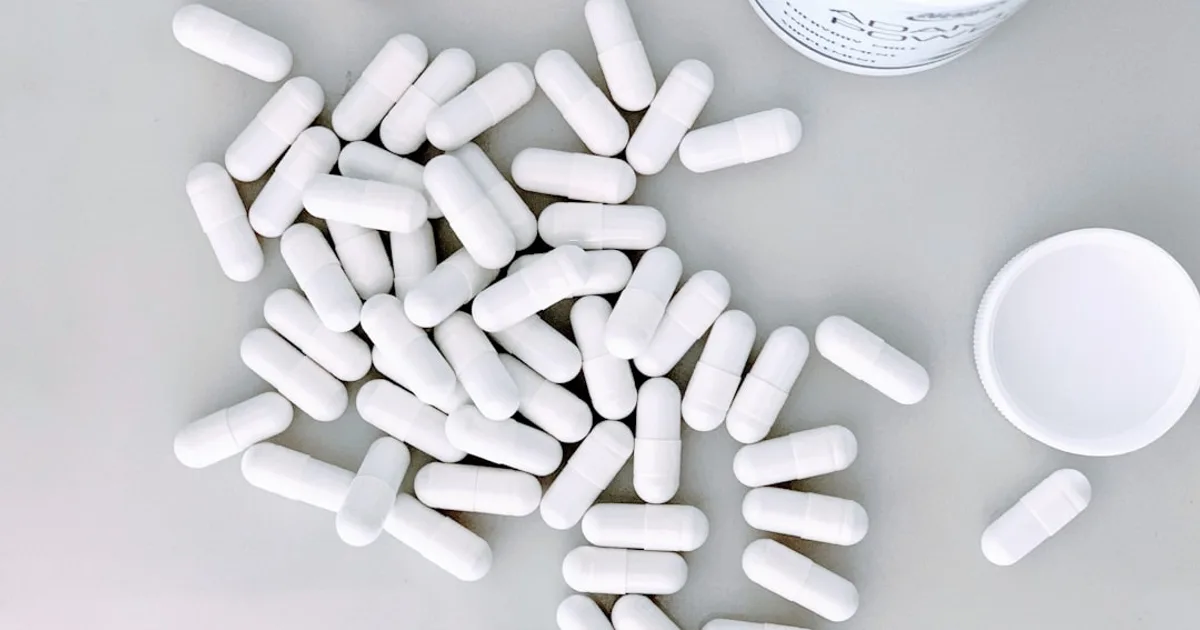
Marine collagen is halal. Most collagen supplements are not.
Collagen is one of the most popular supplements sold in 2026. The default source is porcine — from pig skin, tendons, and bones — because pork processing produces abundant collagen-rich material as a byproduct, at a fraction of the cost of alternatives. This commercial reality shapes almost every mainstream collagen brand on UK shelves.
Understanding which collagen products are actually safe requires knowing the source, the form factor, and the capsule shell. All three matter.
The Three Collagen Sources
Porcine Collagen — Haram
Porcine collagen is derived from pig connective tissue: skin, tendons, bones, and cartilage. Pig collagen is particularly abundant in processed pork production, making it the lowest-cost collagen source by a significant margin.
It is also the most common source in UK mainstream retail. If a collagen supplement does not explicitly state its source, porcine is the overwhelmingly likely default. This applies to collagen powders, capsules, softgels, gummies, and functional drinks that do not declare a marine or bovine source.
Porcine collagen is haram. There is no scholarly difference on this point — pig is explicitly prohibited in Islamic law.
Bovine Collagen — Halal Only with Certification
Bovine collagen comes from the hide, skin, and bones of cattle. Collagen peptides from cattle are permissible in Islam on condition that the animal was slaughtered according to halal requirements (zabihah) and the product is certified by a recognised halal body.
Two important distinctions:
“Grass-fed” is not halal certification. Grass-fed describes the animal’s diet and living conditions — not the slaughter method. A grass-fed bovine collagen product from a non-halal-certified abattoir is not halal.
Country of origin matters for probability, not for ruling. Collagen sourced from countries with large Muslim populations and halal-standard abattoirs (e.g., Australia, New Zealand, certain South American producers) may originate from halal-slaughtered animals, but without third-party certification, this cannot be verified by the consumer.
Treat bovine collagen without halal certification as mushbooh (uncertain). Where certification exists from HMC, HFA, IFANCA, JAKIM, or a comparable body, bovine collagen is halal.
Marine Collagen — Halal
Marine collagen is extracted from fish — typically the skin, scales, and bones of cod, tilapia, salmon, or snapper. Fish is halal in all four major Sunni madhabs without requiring a specific slaughter procedure.
Marine collagen is halal at the source level. The remaining concern is the delivery format:
- Marine collagen powder: No capsule shell — halal.
- Marine collagen in hard capsules: Check whether the capsule is HPMC (plant-based, halal) or gelatine (check source).
- Marine collagen softgels: Soft gelatine capsules are almost always porcine — even if the collagen inside is marine. Confirm capsule type with the brand before purchasing.
”Vegan Collagen” — Not Collagen at All
Products labelled “vegan collagen booster” or “plant-based collagen” do not contain collagen. Collagen is an animal protein; plants do not produce it. These products typically contain vitamin C, glycine, proline, and other cofactors that support the body’s endogenous collagen synthesis.
These products are halal (assuming no haram excipients) and may have genuine benefit for skin health via a different mechanism. They are not collagen supplements.
How to Identify the Collagen Source
Reading the Label
Collagen will appear on the ingredient list as “hydrolysed collagen”, “collagen peptides”, or “collagen hydrolysate”. The source should follow in parentheses: (porcine), (bovine), (marine), or (fish).
If no source is stated in the ingredient list:
- Check the brand’s product page for source declaration
- Contact the brand directly — a responsible manufacturer will tell you
- If neither step yields a clear answer, treat the product as porcine by default
What to Look For
| Label says | What it means | Halal status |
|---|---|---|
| ”Hydrolysed collagen (porcine)“ | Pig-derived | Haram |
| ”Hydrolysed collagen (bovine)” + halal cert | Halal-slaughtered cattle | Halal ✓ |
| “Hydrolysed collagen (bovine)” — no cert | Slaughter method unknown | Mushbooh |
| ”Marine collagen” / “Fish collagen” | From fish | Halal ✓ (check capsule) |
| “Hydrolysed collagen” — no source | Almost certainly porcine | Avoid |
| ”Vegan collagen booster” | No collagen — amino acids only | Halal (check excipients) |
UK Halal Collagen Options
The following UK-available marine collagen brands declare their source clearly and use powder or HPMC capsule formats — eliminating both the porcine collagen and porcine capsule concerns:
Correxiko — UK-based marine collagen brand, sourced from deep-sea wild cod. Available as powder. No capsule shell concern. The brand publishes its sourcing clearly on its website.
Bare Biology — UK marine collagen powder, sourced from Norwegian cod. Powder form. No porcine content. Bare Biology also produce fish oil in liquid form.
Rejuvenated — UK-based, marine collagen from sustainable fish sources. Available as powder sachets and capsules — check the current capsule specification on their website.
Ancient + Brave — UK brand, “Wild Collagen” is marine-sourced. Powder format. No capsule concerns.
For bovine collagen, UK halal-certified options are harder to find. Brands that supply HMC or HFA certified bovine collagen supplements in the UK change regularly — check the HMC and HFA product directories for current listings.
Collagen Powder vs Capsules
The format makes a significant halal difference:
Powder form simplifies the halal check considerably. There is no capsule shell. You only need to verify the collagen source. Mix into water, coffee, smoothies, or soup. Marine collagen powder dissolves well in both hot and cold liquids.
Capsule form requires two separate checks:
- What is the collagen source? (porcine / bovine / marine)
- What is the capsule shell made from? (HPMC / gelatine — porcine, bovine, or fish)
Most collagen capsules in mainstream UK retail use porcine gelatine as both the collagen source and the capsule shell material. Even marine collagen brands sometimes package their product in porcine gelatine softgels because it is the manufacturing default. Never assume the capsule matches the collagen source.
Gummies and functional drinks compound the issue further — collagen gummies almost universally use porcine gelatine as the gummy base regardless of the collagen source declared.
Since both the source and the shell have to check out, a pre-vetted shortlist saves considerable label-squinting: our roundup of halal collagen powders for 2026 sticks to marine and certified bovine products, with the format verified alongside the source.
How We Reached This Verdict
Halal status determinations in this guide are based on:
- HMC (Halal Monitoring Committee) UK — guidance on gelatine classification and collagen sources in supplements
- Darul Iftaa Birmingham — scholarly rulings on bovine gelatine and slaughter certification requirements
- IFANCA (Islamic Food and Nutrition Council of America) — certification standards for collagen supplements
- European Medicines Agency (EMA) — species classification of pharmaceutical and nutraceutical gelatine sources
- Direct brand verification for sourcing declarations from UK marine collagen brands
The ruling on marine collagen (halal without certification) is consistent across all four major Sunni schools of jurisprudence and is confirmed by HMC, HFA, and JAKIM guidance.
For full context on the supplement gelatine capsule issue, read our halal supplements complete guide and the dedicated are gelatine capsules halal explainer.
Use the HalalCodeCheck E-codes database to check any E numbers listed in your collagen product, or scan the ingredient label directly with the ingredient scanner.
Ingredients change. Be first to know.
Brands reformulate without warning. We track every E-code update and halal certification — one short weekly email.
Related Articles
 Ingredient Guides
 Is Cat Food Halal? What Muslim Cat Owners Need to Know
Cats don't have to eat halal — but buying cat food containing pork or carrion is where scholars differ. The full ruling, plus what's actually in the tin.
 Ingredient Guides
 Is Hemp Halal? Hemp Seeds, Hemp Oil and CBD Explained
Hemp seeds and hemp seed oil are halal — they contain no intoxicating THC. CBD is permissible with conditions. Here's what the fatwas actually say.
 Ingredient Guides
 Halal Omega-3 Fish Oil: The Capsule Problem No One Warns You About (2026)
Fish oil is halal. The capsule enclosing it usually isn't. This guide explains the porcine gelatine softgel problem and lists safe UK halal omega-3 alternatives.