
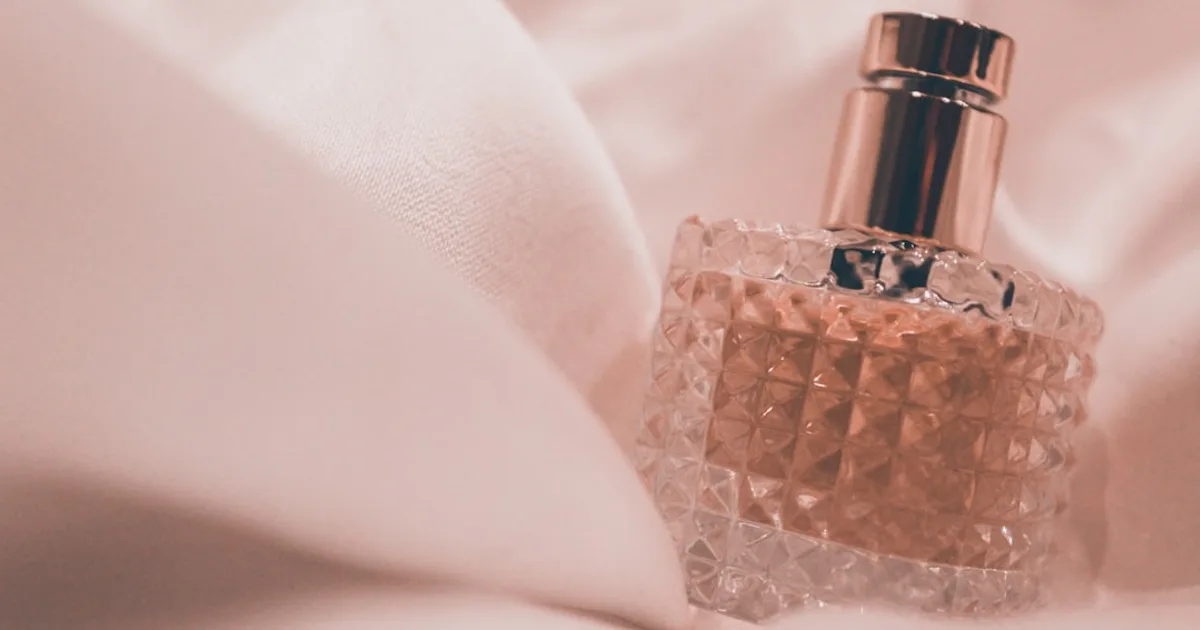
Perfume is one of the most contested halal questions in personal care — not because the answer is hidden, but because there is genuine scholarly disagreement and reasonable people hold different positions. This is a case where the fiqh (Islamic jurisprudence) actually matters to what you decide, and where knowing the different positions lets you make an informed choice rather than guessing.
This site follows the mainstream Sunni Hanafi methodology as its primary reference point. That position will be stated clearly. The positions of other schools will also be covered.
The Scholarly Positions on Alcohol in Perfume
The debate centres on a key distinction: khamr (wine — grape or date-based fermentation that is explicitly prohibited in the Quran) versus other forms of alcohol (ethanol produced from grain, sugar cane, or synthetic processes).
Mainstream Hanafi Position
The predominant view within the Hanafi school — and the position that most UK, South Asian, and global Muslim-majority population scholarship follows — holds that:
-
Khamr is absolutely haram in any quantity, whether consumed or applied topically. If a perfume were made using wine (grape fermentation), it would be problematic under this view.
-
Other ethanol (non-grape, non-date fermentation) applied topically is a separate matter. The Hanafi position, elaborated by scholars including Mufti Taqi Usmani and authorities at Darul Iftaa Birmingham, generally holds that non-khamr ethanol applied to the skin without intention of intoxication is permissible.
-
Denatured alcohol (alcohol with a denaturant added to make it undrinkable) in commercial Western perfume is even further from khamr — it cannot be consumed, is typically produced from grain or synthetic sources, and is applied topically. Under mainstream Hanafi reasoning, this is permissible.
In practice, this means: under the mainstream Hanafi position, using standard Western commercial perfume (Chanel, Dior, Jo Malone, etc.) is permissible.
Minority Conservative Position
A more conservative position, held by some scholars and most halal certification bodies including HMC (Halal Monitoring Committee) in the UK, holds that:
- All ethanol in products placed on the body should be avoided
- This is out of caution (ihtiyat) rather than a firm ruling that standard perfume is definitively haram
- Those following this position use oil-based perfumes and attars exclusively
This is a respectable position, particularly if you prefer to avoid the debate entirely.
Maliki Position
The Maliki school’s traditional ruling on nabidh (fermented drinks other than grape/date wine) being permissible in small, non-intoxicating quantities has sometimes been applied to ethanol in perfume. Contemporary Maliki scholars at al-Azhar and Dar al-Ifta Egypt have generally considered alcohol-based perfume permissible for topical use, though opinions vary.
Shafi’i Position
The Shafi’i school treats all alcohol — including non-grape fermentation — with more caution on the impurity (najasa) question. However, applying najis substances to the body for a valid purpose with the intention of removing it before prayer is a matter that Shafi’i scholars have addressed differently. Contemporary Shafi’i-leaning scholars (particularly in Southeast Asia, where the school is dominant) vary in their conclusions on perfume.
Hanbali Position
The Hanbali school has historically treated all intoxicating substances with considerable strictness. Many Hanbali-leaning scholars prefer oil-based fragrances as the unambiguously safe choice.
Types of Alcohol Found in Perfume
Understanding what is actually in a bottle helps when evaluating these positions:
Ethyl alcohol / Ethanol (C₂H₅OH): The most common carrier in Western perfume. Typically 70–95% of the fragrance by volume. It carries and disperses scent effectively, evaporates quickly, and is colourless and light. In commercial perfume production, ethanol is most commonly derived from grain fermentation (wheat, corn) or sugar cane — not from grapes or dates (khamr). This distinction is relevant to the Hanafi school’s analysis.
Alcohol Denat. / SD Alcohol / Denatured Alcohol: Ethanol with a denaturant added — a toxic or unpleasant-tasting additive (typically isopropanol, methanol, or bittering agents) that makes it unfit for consumption. This is the form found on most commercial Western perfume INCI lists. It cannot be drunk and is not khamr.
Isopropanol / Isopropyl alcohol: A different compound sometimes used in cosmetics. Not the same as drinking alcohol; not relevant to the khamr debate.
The key distinction for the Hanafi analysis: the ethanol in commercial Western perfume is not wine (khamr), it is grain or synthetic alcohol that has been denatured. Under mainstream Hanafi reasoning, this places it in a permissible category for topical use.
Alcohol-Free Halal Perfumes — UK Availability
There is no need to enter the fiqh debate at all if you prefer oil-based fragrances. The traditional Arabic/Middle Eastern perfume tradition is built entirely on alcohol-free formulations, and these are widely available in the UK.
Oil-Based Perfumes (Attars/Ittr)
Oil-based perfumes apply directly to the skin, carry scent differently from alcohol-based spray perfumes (warmer, closer to the skin), and typically last longer because the oil does not evaporate the way ethanol does. They do not project the same way as alcohol-based spray perfumes — they are personal fragrances rather than room-filling ones.
Traditional materials used in alcohol-free perfumery:
- Oud (agarwood resin/oil) — rich, complex, woody
- Rose water and rose oil (attar of roses)
- Sandalwood oil
- Musk (synthetic or animalic)
- Amber
- Various florals and spices
UK-Available Halal Fragrance Brands
| Brand | Type | Notes |
|---|---|---|
| Swiss Arabian | Oil-based and alcohol-free options | Widely available UK; founded in Dubai |
| Ajmal | Oil-based attars, also some alcohol-free sprays | Established Arabic brand |
| Rasasi | Oil-based, alcohol-free options | Dubai-based; good UK availability |
| Al Haramain | Oil-based attars, oud | Named for the two holy mosques; wide range |
| Lattafa | Oil-based options | Increasingly available in UK |
| Abdul Samad Al Qurashi | Premium oud-based | Available through specialist retailers |
These brands are available through specialist oud and Arabic fragrance retailers online, through Amazon UK, and through Muslim-oriented gift shops across the UK.
Mainstream Western Perfume Brands
Standard commercial perfumes from Chanel, Dior, Hugo Boss, Giorgio Armani, Jo Malone, and similar brands all use denatured ethanol as their carrier. None carry halal certification. Under the mainstream Hanafi position, they are permissible for topical use. Under stricter positions, they are avoided.
The alcohol content in a standard perfume (Eau de Parfum: 15–20% fragrance oil, 80–85% alcohol) means you are applying a very high-alcohol product to the skin — it evaporates immediately. The scent oil itself contains no alcohol.
The Position We Follow on This Site
HalalCodeCheck follows the mainstream Sunni Hanafi methodology. Under this methodology:
- Standard commercial perfume containing denatured ethanol derived from grain or synthetic sources, applied topically, is permissible.
- Wine (grape-derived khamr) as a perfume base — which is not the case for any mainstream commercial perfume — would be problematic.
- Oil-based attars and oud are halal without any debate across all four schools.
We note the minority stricter position for completeness, and we respect that many Muslims choose to follow it. If you prefer to avoid the debate entirely, the oil-based alternatives are excellent fragrances in their own right.
For a broader guide to halal concerns in cosmetics and personal care, see the halal cosmetics ingredients guide. To look up specific ingredients or E-numbers, use the E-codes database. To scan a product label photo, use Verify Ingredients.
Ingredients change. Be first to know.
Brands reformulate without warning. We track every E-code update and halal certification — one short weekly email.
Related Articles
 Ingredient Guides
 Is The Ordinary Multi-Peptide Eye Serum Halal? INCI Checked (2026)
The Ordinary's Multi-Peptide Eye Serum is PETA-certified vegan, alcohol-free, and its peptides are synthetic — permissible to use, though not halal-certified.
 Ingredient Guides
 Is Dog Food Halal? The Question Behind the Question
No halal-certified dog food exists — but the purchase rules are the same as cat food. The dog ownership rulings, the madhab split, and what Muslim dog owners can buy.
 Ingredient Guides
 Is Cat Food Halal? What Muslim Cat Owners Need to Know
Cats don't have to eat halal — but buying cat food containing pork or carrion is where scholars differ. The full ruling, plus what's actually in the tin.