
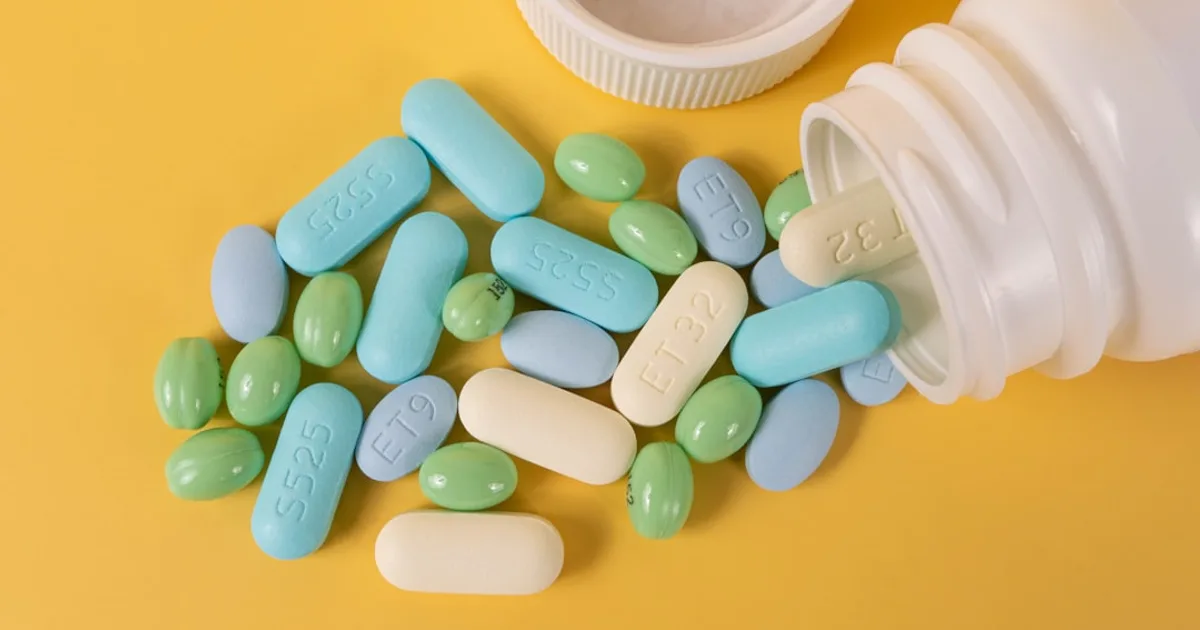
The supplement aisle is a minefield — not because of what’s on the front of the pack, but because of what’s in the capsule shell, the softgel coating, or the tablet binding agent. The active ingredient might be perfectly fine. The vehicle delivering it may not be.
This is not a theoretical concern. Independent lab analysis and halal certification body guidance consistently confirm that the majority of standard supplement capsules in UK retailers are made with porcine gelatine. That is the pharmaceutical and nutraceutical industry default, and it is rarely disclosed prominently on the front of the pack.
This guide gives you the tools to navigate every major supplement category, identify the specific halal concerns in each, and find certified or verifiably halal products in the UK market.
Why Supplements Are a Halal Grey Area
Supplements are not food in the traditional sense, yet they are not medicines either — which means they occupy a regulatory grey zone. They are not subject to the same disclosure rules as food products under UK food labelling law. Manufacturers are not legally required to specify the source of gelatine, the origin of stearic acid, or the species providing their D3.
The Gelatine Capsule Problem
The hard and soft capsule shells used in most supplements are made from gelatine. Gelatine is derived by boiling the skin, bones, and connective tissue of animals. The industry default is porcine gelatine — from pigs — because:
- It is the cheapest form of gelatine globally
- It has ideal physical properties for capsule manufacturing (reliable dissolution, consistent viscosity)
- Supply chains are mature and uninterrupted
Bovine gelatine (from cattle) is used in some products, but without halal slaughter certification, this is also not permissible. Fish gelatine exists but is rare and expensive. HPMC (Hydroxypropyl Methylcellulose) is the plant-based alternative — and it is fully halal.
The D3 Source Question
Vitamin D3 (cholecalciferol) is synthesised from lanolin, which comes from sheep’s wool. This is generally considered halal — it is not a slaughter byproduct and does not require animal death. However, some scholars apply caution, and where a vegan lichen-derived D3 is available, it eliminates all doubt. The capsule format is often the bigger concern.
Omega-3 Softgels
Fish oil is permissible in Islam. The capsule enclosing fish oil is almost always a soft gelatine shell — and that gelatine is porcine by default. The fish content is halal; the packaging is not.
Collagen: Porcine is the Cheapest Source
Collagen supplements default to porcine collagen because pork processing generates abundant collagen-rich material as a byproduct. Marine collagen and bovine collagen exist as alternatives but cost more. Most mainstream UK collagen brands do not use halal-certified bovine or marine sources.
Cross-Contamination in Manufacturing
Even where active ingredients are halal, shared manufacturing facilities may present cross-contamination concerns. A facility that handles porcine gelatine capsules and packs plant-based supplements on the same line without segregation introduces a contamination risk. Halal certification bodies audit manufacturing as well as ingredients.
Quick Decision Framework
Before checking individual categories, apply this fast filter to any supplement you are considering:
| What the label says | What it means for you |
|---|---|
| ”HPMC capsule” / “vegetable capsule” / “suitable for vegetarians/vegans” | Capsule shell is plant-based — halal ✓ |
| “Gelatine” with no source specified | Assume porcine — avoid |
| ”Bovine gelatine” | May be halal — check for halal slaughter certification |
| ”Fish gelatine capsule” | Halal — confirm with brand |
| Halal logo (HMC, HFA, IFANCA, JAKIM) | Certified — safe ✓ |
| “Softgel” with no capsule type stated | Almost certainly porcine gelatine softgel — check with brand |
The single most reliable shortcut is the vegetarian/vegan suitability marker. Products marked suitable for vegetarians are required to use plant-based excipients — that includes the capsule shell. This is not a halal certification, but it eliminates the gelatine concern.
Category-by-Category Breakdown
Multivitamins
Multivitamins are the most common supplement and come in tablets, hard capsules, and softgels. The specific concerns:
- Capsule shell: Hard capsule multivitamins use gelatine or HPMC. Check the label.
- D3 source: Most multivitamins include D3 from lanolin — generally accepted as halal.
- E numbers: Tablet binders and coatings may include E470b (magnesium stearate, animal or plant), E471 (mono/diglycerides), and occasionally E120 (carmine colouring in coloured caps — haram).
Best approach: Choose multivitamins labelled “suitable for vegetarians” in tablet or HPMC capsule form. Brands like Solgar B-Complex and selected Salaam Nutritionals multivitamins meet this standard.
Protein Powders
Protein powder is typically sold as a powder to mix into liquid — not a capsule — which removes the gelatine concern. The halal issues in protein powder are:
- Whey protein: Derived from milk. Cheese production uses rennet to separate curds; whey is the liquid byproduct. Microbial or vegetarian rennet is halal. Animal rennet from non-halal-slaughtered animals is a concern. Most large UK whey brands use microbial rennet and are halal, but certification is not universal.
- Flavourings: Natural flavourings can include animal-derived compounds. Vanilla flavour and chocolate flavour are generally safe; “natural flavour” is ambiguous and warrants checking.
- E numbers: Lecithin (E322) in protein blends can be soy-derived (halal) or egg-derived (check source). Sucralose and stevia sweeteners are halal.
- Plant proteins: Pea protein, rice protein, hemp protein — halal by default unless contaminated with haram additives.
Collagen Supplements
Collagen is almost always porcine unless specifically labelled marine or bovine (with certification). This category is covered in full in our halal collagen supplements guide.
Omega-3 Fish Oil
Fish is halal. The capsule is the problem — see our dedicated halal omega-3 guide for full brand breakdown and alternatives.
Probiotics
Probiotic strains (Lactobacillus, Bifidobacterium) are halal. The concerns are:
- Capsule shell type (HPMC is common in probiotics due to moisture protection requirements)
- Culture media: some probiotic strains are grown on dairy or plant media — generally halal
- Check for any gelatine in the capsule
Probiotics from reputable brands in HPMC capsules are generally safe. Optibac, Bio-Kult, and Symprove (liquid) are widely used UK options — check current formulations.
Iron Supplements
Iron supplements are frequently in tablet form (ferrous sulfate, ferrous fumarate) and often use HPMC excipients. This makes them one of the safer supplement categories. Spatone liquid sachets and Floradix liquid are iron supplements with no capsule concerns. Ferroglobin capsules — check the capsule type before purchasing.
Vitamin C
Vitamin C (ascorbic acid) is synthesised — not from animal sources. In tablet form it is halal. In capsule form, check the capsule shell. Vitamin C powders or effervescent tablets eliminate the capsule concern entirely.
UK Halal Supplement Brands
| Brand | Halal Certified? | Capsule Type | Best For |
|---|---|---|---|
| Salaam Nutritionals | Claimed — certifier not named publicly | HPMC | Multivitamins, D3, general wellness |
| Sunnah Supplements | Claimed — not publicly documented | HPMC | Black seed oil, general Islamic wellness |
| Zaytun Vitamins (US, available online) | IFANCA certified | HPMC | Multivitamins, prenatal, kids |
| Solgar (selected products) | No blanket cert | Mostly HPMC | B-complex, minerals — check each |
| Holland & Barrett own-brand | No blanket cert | Varies | Budget range — check each product |
| Seven Seas (selected liquid products) | No cert | Liquid (no capsule) | Omega-3, cod liver oil — liquid only |
Important: No single brand is uniformly halal across its entire range unless it holds product-by-product certification. Always verify the specific SKU before purchasing, as formulations change.
US and Australia Halal Supplements
United States: Zaytun Vitamins holds IFANCA certification across its range and ships internationally. Halalvitamins.com curates certified products. Islamic Food and Nutrition Council of America (IFANCA) publishes a certified products directory.
Australia: Look for AFIC (Australian Federation of Islamic Councils) or ANIC certified products. Many Australian health food retailers carry certified halal options. Halal Australia maintains a product directory.
Canada: ISNA Canada and IFANCA both certify Canadian supplement brands. Islamic Horizons Canada maintains a halal product list.
E Numbers to Watch in Supplements
Supplements carry E numbers just as food products do, but most consumers never read the excipient list. The critical ones:
- E470b (Magnesium stearate): Almost universal tablet flow agent. Derived from stearic acid — animal or plant. Rarely sourced-specified on the label. Contact the brand.
- E471 (Mono- and diglycerides of fatty acids): Used in tablet coatings and emulsifiers. Source is rarely stated.
- E904 (Shellac): Insect-derived resin used to glaze tablets. Haram. See our E904 shellac guide.
- E120 (Carmine): Red colouring from cochineal insects. Found in red and pink coloured capsule shells. Haram. See our E120 carmine guide.
Full breakdown of supplement E numbers is in our E numbers in vitamins guide.
How We Reached This Verdict
This guide draws on:
- HMC (Halal Monitoring Committee) UK guidance on gelatine in capsules and pharmaceuticals
- HFA (Halal Food Authority) UK certified product standards
- IFANCA (Islamic Food and Nutrition Council of America) certification database
- British National Formulary (BNF) excipient classification for capsule materials
- European Food Safety Authority (EFSA) technical reports on gelatine sources in food supplements
- NHS England guidance on capsule alternatives for patients with dietary requirements
Cross-contamination standards are assessed against BRCGS (British Retail Consortium Global Standards) halal-specific requirements.
Use the HalalCodeCheck E-codes database to look up any specific E number found in your supplement’s ingredient list. To scan a supplement label directly, use the ingredient scanner — upload a photo of the full ingredient panel and get an instant halal verdict.
Ingredients change. Be first to know.
Brands reformulate without warning. We track every E-code update and halal certification — one short weekly email.
Related Articles
 Shopping Guides
 Halal Protein Powder UK 2026: Every Major Brand Checked
Plant protein is halal by default; whey is majority-permissible. MyProtein lists certified flavours but names no certifier. Every major UK brand checked.
 Shopping Guides
 Is Protein Powder Halal? UK Brands Compared (Whey, Vegan, Casein)
Whey protein is Mushbooh without halal certification — it's dairy-derived but processing aids may be animal-based. Vegan protein is generally halal. Full UK brand guide.
 Shopping Guides
 Is Pre-Workout Halal? Caffeine, Beta-Alanine & Proprietary Blends
Most pre-workout powders are halal in formula but lack halal certification. Key concerns: undisclosed flavoring sources, gelatine in capsule form, and alcohol-based extracts.