
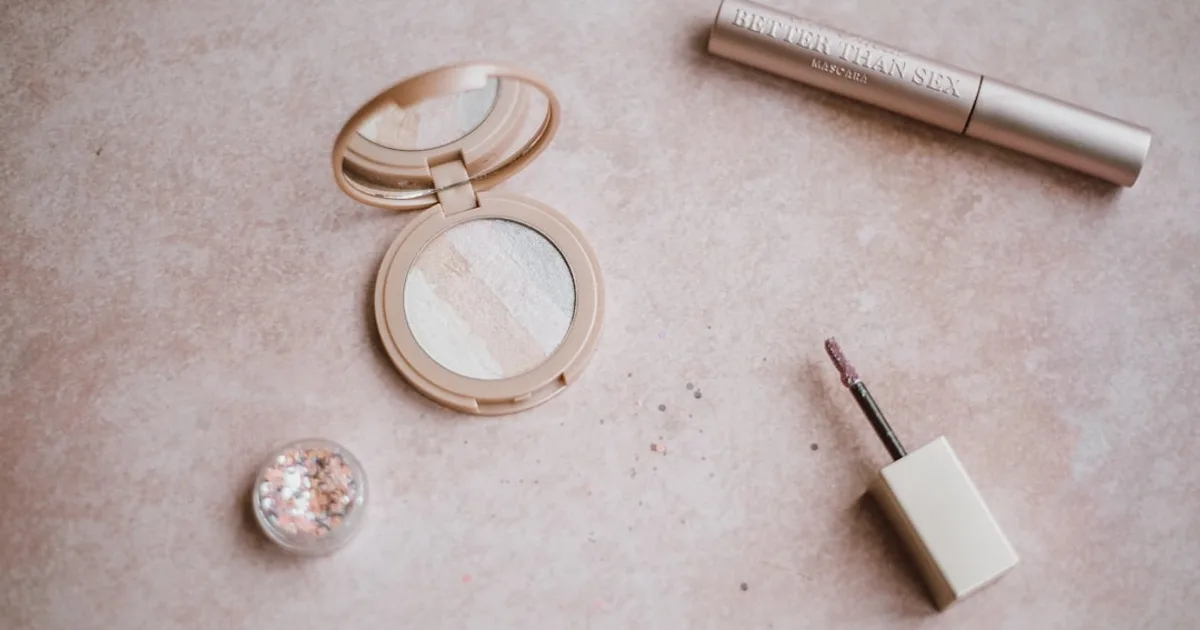
Carmine is an insect-derived red dye found in red and pink lipsticks from almost every major cosmetics brand. It is listed as CI 75470 on the INCI label — not carmine, not cochineal. Most consumers, halal-conscious or not, have never heard of it. The cosmetics industry’s use of INCI naming conventions means that the same ingredient that appears as E120 on a bag of sweets is completely hidden behind a colour index number in your lipstick.
This is the problem this guide addresses. If you wear red lipstick, blush, or eyeshadow, there is a reasonable chance you have been applying a product made from crushed insects without knowing it.
What Is Carmine and Why Is It Haram?
Carmine is a vivid red dye produced from the dried and crushed bodies of female cochineal insects (Dactylopius coccus) — a scale insect native to South America that feeds on cacti. Approximately 70,000 insects are required to produce 450g of carmine dye. The insect is killed in the process.
INCI names for carmine in cosmetics:
- Carmine
- CI 75470
- Natural Red 4
- Cochineal
- Cochineal Extract
- Carminic Acid
In food products the same ingredient appears as E120.
The halal ruling
Under mainstream Sunni scholarly opinion across the Hanafi, Shafi’i, and Hanbali schools, insects are considered impure (najis) and consuming or using insect-derived substances is haram. The Maliki school has a minority position that permits consumption of small insects, but this is not the position reflected in any mainstream halal certification standard.
Carmine in cosmetics is haram. This is not a grey area or a matter of scholarly debate. The uncertainty only arises for those unaware of what CI 75470 is — not in the ruling itself.
Which Cosmetic Products Contain Carmine?
Carmine is used wherever a red or pink pigment is needed. The products most likely to contain it:
- Lipstick — red, pink, berry, coral, and burgundy shades
- Blush / cheek colour — pink, peach, and coral shades
- Eyeshadow — red, pink, and purple shades
- Lip gloss — pink and red tints
- Nail polish — red and pink shades (though synthetic alternatives are more common here)
- Some foundations and tinted moisturisers — where a slight red/warm tone is added
Shades most likely to contain carmine
The depth of red or pink does not always predict carmine presence — a pale pink can contain carmine, and a deep red can be coloured with synthetic iron oxides. But the following categories carry the highest risk:
- Classic reds (blue-red, cool-toned reds)
- Hot pinks and fuchsias
- Berry shades (plum, mulberry, blackberry)
- Coral and orange-pink shades
Shades unlikely to contain carmine
- Nude, beige, and brown shades (iron oxides)
- Deep plum and aubergine that trend towards dark brown (iron oxides + black)
- Pale pink with a white base (titanium dioxide dominant)
The only reliable method is to check the INCI list for the specific shade you are buying.
UK Lipstick Brands: Does Carmine Appear?
The following table reflects the known formulation practice of major UK-available brands at the time of writing. INCI lists are published on brand websites and can change with reformulations — always verify the specific shade before purchasing.
| Brand | Red/pink shades | Carmine present? | How to verify |
|---|---|---|---|
| MAC | Broad red/pink range | Yes — many shades contain CI 75470 | Check shade INCI on maccosmetics.com |
| Charlotte Tilbury | Reds, berries | Some shades — check individually | INCI on charlottetilbury.com |
| Rimmel | Kate Moss Reds and others | Some shades contain CI 75470 | Check INCI on rimmellondon.com |
| Maybelline | SuperStay and others | Some shades — varies by formula | INCI on maybelline.co.uk |
| L’Oréal | Rouge Signature, Colour Riche | Some shades — check individually | INCI on lorealparis.co.uk |
| NARS | Iconic reds | Yes — several shades contain carmine | Check INCI on narscosmetics.co.uk |
| Revlon | Various | Some shades — check individually | INCI on revlon.co.uk |
How to check any brand’s INCI list:
- Go to the brand’s official UK website.
- Find the specific shade and product.
- Look for the ingredients/INCI list — usually under a “Full Ingredients” or “Ingredients” accordion tab on the product page.
- Use Ctrl+F / Cmd+F to search for “carmine”, “CI 75470”, “cochineal”, or “natural red 4”.
If any of these appear: the product contains carmine and is haram.
Halal Lipstick Alternatives in the UK
The good news is that a growing number of brands have entered the halal cosmetics space specifically to serve Muslim consumers. Both of the following offer a meaningful shade range across reds, pinks, and neutrals:
Inika Organic
Iinka is the benchmark for certified halal lipstick in the UK market. The brand holds halal certification and is also certified organic, vegan, and cruelty-free — which means no carmine, no gelatine, no animal-derived ingredients of any kind. Their colour range covers nudes through to deep reds, with the pigments achieved through natural mineral pigments and plant-based alternatives.
Available online through inika.com and through selected UK health and beauty retailers.
PHB Ethical Beauty
UK-based brand with formal halal certification. PHB Ethical Beauty offers lipsticks, lip glosses, and a full makeup range with halal-certified sourcing. The brand’s full INCI lists are published on their website. Available at phbethicalbeauty.co.uk.
BareFaced Beauty
UK mineral makeup brand. No carmine in formulations. Check current certification status on their website.
Nudestix
A Canadian brand available in the UK through ASOS and Cult Beauty. Nudestix products generally do not contain carmine — the range leans towards nudes and naturals where iron oxides are the pigment base. Not formally halal-certified, so verify the specific shade’s INCI list.
Lush Cosmetics
Lush’s solid lipstick and lip products are mostly vegan (clearly labelled), and vegan products by definition do not contain carmine. Lush publishes ingredient lists on their website and in-store. Confirm the specific product is marked vegan before purchasing.
Vegan Certification as a Halal Proxy
The rule is simple: carmine is not vegan (it is insect-derived). Therefore, any product that carries a certified vegan mark from a recognised body (Vegan Society, Leaping Bunny, PETA) cannot contain carmine.
This makes vegan certification a useful and practical proxy when checking for carmine specifically. If you are in a shop without internet access and cannot check the INCI list, a vegan certification mark is a reliable indicator that the product does not contain carmine.
Important limitations: Vegan certification is not equivalent to halal certification. A vegan lipstick may still contain:
- Alcohol (ethanol) in liquid formulations
- Synthetic colourants not covered by halal standards
- Other ingredients that require halal-specific review
Vegan certification resolves the carmine problem and removes all animal-derived ingredients. It does not replace halal certification. If you require a formally certified halal product, use Inika Organic or PHB Ethical Beauty.
How We Reached This Verdict
We checked the following Tier-1 sources before publishing this guide:
- Halal certification bodies (HMC, HFA, JAKIM, IFANCA): Published standards all classify insect-derived dyes including carmine as haram.
- INCI database and brand published ingredient lists: MAC, Charlotte Tilbury, Rimmel, Maybelline, L’Oréal, and NARS all publish full INCI lists on their UK websites.
- Sunni fatwa scholarship across the four madhabs:
- Hanafi-leaning bodies: Darul Iftaa Birmingham, AskImam.org, Daruliftaa.com, Wifaqul Ulama — all classify insect-derived substances as impure and haram.
- Shafi’i / Maliki-leaning bodies: Dar al-Ifta al-Misriyyah, al-Azhar — mainstream position treats carmine as haram; note Maliki minority permits small insects.
- Hanbali / Saudi-Salafi-leaning bodies: Saudi Permanent Committee, IslamQA Saudi — carmine is haram.
Madhab Note
- Hanafi, Shafi’i, and Hanbali: Insects are considered impure (najis). Carmine (derived from insects) is haram. This is the mainstream position adopted by all major halal certification bodies.
- Maliki: The classical Maliki position permits consumption of small insects (al-haytham) and some scholars extend this to insect-derived colourants. However, contemporary Maliki-leaning halal certification bodies do not certify carmine-containing products. The minority Maliki permission is not applied by any mainstream certifying body and is not relied upon on this site.
The ruling that carmine / CI 75470 in cosmetics is haram is one of the clearest and least disputed halal determinations in the cosmetics category.
For a broader overview of halal concerns in cosmetics, see the halal cosmetics ingredients guide. For the food additive side of carmine, see the E-codes database entry for E120 in the E-codes database. To scan a cosmetics ingredient panel from a photo, use Verify Ingredients.
Ingredients change. Be first to know.
Brands reformulate without warning. We track every E-code update and halal certification — one short weekly email.
Related Articles
 Ingredient Guides
 Is The Ordinary Multi-Peptide Eye Serum Halal? INCI Checked (2026)
The Ordinary's Multi-Peptide Eye Serum is PETA-certified vegan, alcohol-free, and its peptides are synthetic — permissible to use, though not halal-certified.
 Ingredient Guides
 Is Dog Food Halal? The Question Behind the Question
No halal-certified dog food exists — but the purchase rules are the same as cat food. The dog ownership rulings, the madhab split, and what Muslim dog owners can buy.
 Ingredient Guides
 Is Cat Food Halal? What Muslim Cat Owners Need to Know
Cats don't have to eat halal — but buying cat food containing pork or carrion is where scholars differ. The full ruling, plus what's actually in the tin.