
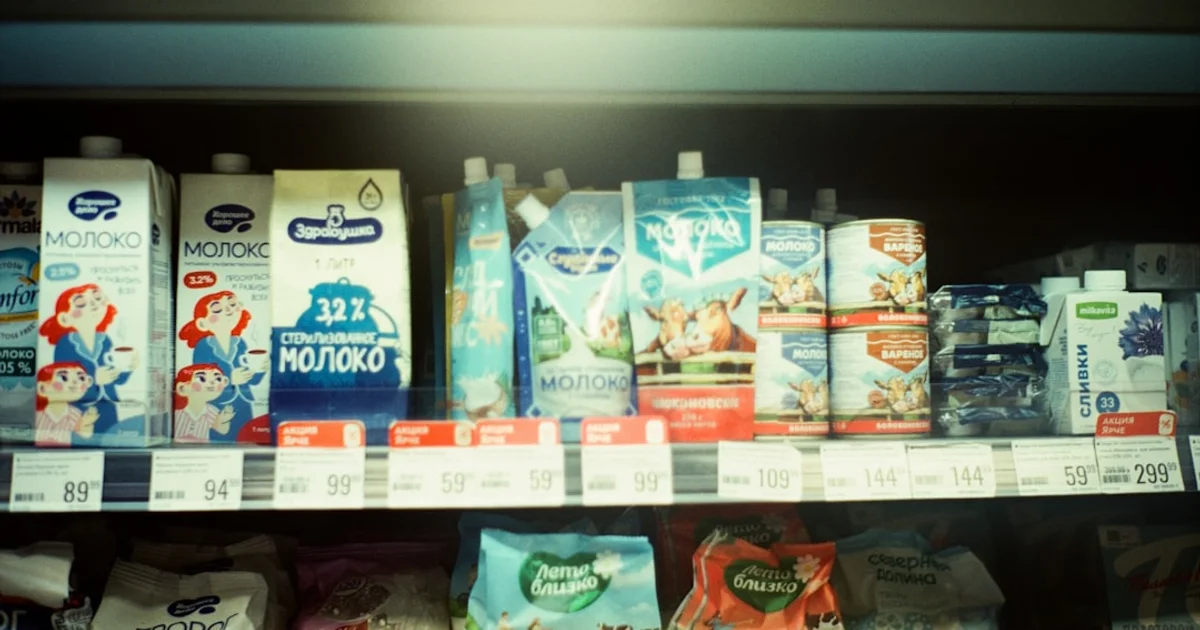
You’re reading a French yoghurt pot and the ingredients say “lait, ferments lactiques” — milk, lactic ferments. It sounds like it could be anything. It isn’t the ingredient you need to worry about.
The direct answer: ferment lactique is halal. It’s a bacterial starter culture, not an animal product. The ingredient that actually determines a French dairy or cheese product’s halal status is a different word entirely: présure, rennet.
What Ferment Lactique Actually Is
“Ferment lactique” (plural: ferments lactiques) is the French label term for lactic acid bacteria — strains like Lactobacillus bulgaricus and Streptococcus thermophilus in yoghurt, or various Lactococcus strains in cheese and charcuterie. These bacteria consume lactose and produce lactic acid, which is what curdles and thickens milk into yoghurt, or acidifies meat during curing.
The bacteria themselves are grown in a lab on a nutrient medium — usually plant-derived sugars such as beet or cane sugar. Nothing about that process touches animal tissue or requires zabiha slaughter.
Verdict on ferment lactique: Halal. No source disclosure needed.
The Ingredient You Actually Need to Check: Présure
Présure is rennet — an enzyme traditionally taken from the stomach lining of an unweaned calf, used to coagulate milk quickly for cheesemaking. This is a completely different process from lactic fermentation, and it’s the one with a real halal question attached: rennet from an animal that was not zabiha-slaughtered is Mushbooh or Haram depending on your madhab’s position.
French labels distinguish the two clearly if you know what to look for:
| Term | What it is | Halal concern |
|---|---|---|
| Ferment lactique / ferments lactiques | Bacterial starter culture | None — halal |
| Présure | Rennet enzyme, often animal-sourced | Yes — check source |
| Présure animale | Explicitly animal rennet | Yes — verify zabiha sourcing |
| Présure microbienne / végétale | Microbial or plant-based rennet substitute | None — halal |
A 2010 investigation by the French Muslim consumer site Al-Kanz flagged Candia’s Raïb fermented milk drink specifically for using présure animale — animal rennet — not ferment lactique. That case is a useful example of how the two get conflated in consumer discussion even though only one of them is the actual concern.
Where You’ll See Ferment Lactique
- Yoghurt — nearly universal; this is what makes yoghurt yoghurt
- Fermented milk drinks (like Raïb, lben) — alongside présure in some formulations
- Some cheeses — as part of the culture blend, alongside rennet as the coagulant
- Charcuterie and cured sausage — as a fermentation starter for flavour and preservation, unrelated to the meat’s slaughter method
In every one of these categories, ferment lactique is not the ingredient that determines the product’s halal status. Check for présure in dairy and cheese, and check the meat’s slaughter certification in charcuterie — ferment lactique itself needs no further scrutiny.
What the Scholars Say
Rennet from a properly (Islamically) slaughtered animal is halal by consensus across the Sunni madhabs. Rennet from a non-zabiha-slaughtered animal is more contested: many contemporary Hanafi scholars treat it as juridically permissible under istihāla (transformation) reasoning — the rennet enzyme is chemically transformed from the original animal tissue — while recommending abstention as a matter of taqwa (extra caution) rather than strict prohibition. No fatwa treats lactic ferments as a source of concern at all; the entire scholarly discussion is about rennet.
How to Check a French Dairy Label in 30 Seconds
- Find “ferments lactiques” — this is fine, no further check needed
- Look for “présure” nearby — this is the ingredient that matters
- If it says “présure microbienne” or “présure végétale” — halal, non-animal coagulant
- If it says “présure animale” or just “présure” with no qualifier — Mushbooh; the source and slaughter method are unconfirmed
- Check for a halal certification logo (AVS, ARGML, Ecocert Halal) — this resolves the présure question definitively if present
Summary
| Question | Answer |
|---|---|
| Is ferment lactique halal? | Yes — bacterial culture, no animal-slaughter concern |
| Is it the same as rennet (présure)? | No — separate ingredient, separate process |
| Which one needs source-checking? | Présure, not ferment lactique |
| Where does ferment lactique appear? | Yoghurt, fermented milk drinks, cheese, charcuterie |
| What if the label just says “ferments lactiques, lait, sel”? | Halal — no further checks needed for this ingredient |
Look up any other additive in the E-codes database.
To scan a full ingredient list for halal status in seconds, use the ingredient scanner.
How we reached this verdict
We checked the following Tier-1 sources before publishing this verdict:
- Halal certification bodies (AVS, ARGML, Ecocert Halal — the French-market certifiers): these bodies audit présure sourcing specifically in dairy and cheese certification; ferment lactique is not treated as an audit point because it carries no animal-source risk.
- Manufacturer statements and consumer investigations: the 2010 Al-Kanz investigation into Candia’s Raïb, which identified présure animale (not ferment lactique) as the ingredient of concern.
- Sunni fatwa scholarship across the four madhabs:
- Hanafi-leaning bodies: IslamWeb (fromage et présure fatwa), Darul Iftaa Birmingham, AskImam.org, Daruliftaa.com (Mufti Taqi Usmani).
- Shafi’i / Maliki-leaning bodies: NU (Nahdlatul Ulama, Indonesia), Dar al-Ifta al-Misriyyah (Egypt), al-Azhar.
- Hanbali / Saudi-Salafi-leaning bodies: Saudi Permanent Committee for Scholarly Research, IslamQA Saudi.
Madhab note
The four Sunni madhabs broadly converge on the rules applied in this guide:
- Bacterial starter cultures (ferments lactiques) — Halal across all four madhabs; no animal-tissue or slaughter question applies.
- Rennet (présure) from a halal-slaughtered animal — Halal by consensus.
- Rennet from a non-zabiha-slaughtered animal — Hanafi and Maliki scholars generally accept it under istihāla (transformation) reasoning; some Shafi’i and Hanbali scholars are more cautious and recommend avoidance.
- Microbial or vegetable rennet (présure microbienne/végétale) — Halal across all four madhabs; increasingly common in French cheese as a certification-friendly substitute.
If your madhab differs on a specific ruling, the relevant section above flags the school-specific position. For binding rulings on borderline products, consult a competent scholar in your tradition.
Ingredients change. Be first to know.
Brands reformulate without warning. We track every E-code update and halal certification — one short weekly email.
Related Articles
 Ingredient Guides
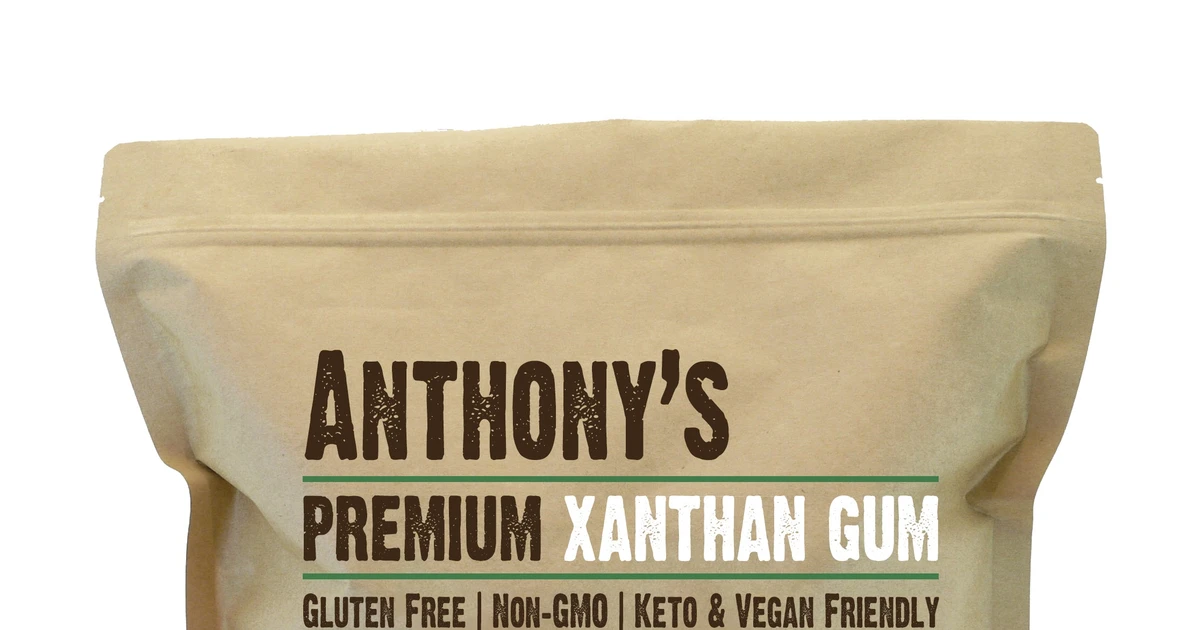
 Halal Xanthan Gum for Baking — Which Brand to Buy
Xanthan gum (E415) is produced by bacterial fermentation — halal by default, but the growth medium matters. Here are the best halal-verified xanthan gum brands.
 Ingredient Guides
 Halal Vanilla: Extract vs Powder — What's the Difference?
Vanilla extract contains alcohol — is it halal? Vanilla powder is the safer alternative. Here are the best halal-verified vanilla options for baking.
 Ingredient Guides
 Malaysia's Gummy Candy Ban and the Halal Gelatin Problem JAKIM Found
Malaysia banned eyeball-shaped gummy candy after a child's death, then JAKIM found pork DNA in most marshmallows tested. Here's how to check gummy candy is halal.