
Vanilla is in nearly every home-baked recipe. Cakes, cookies, rice pudding, custard, ice cream — the list runs long. For halal-conscious bakers, the choice between vanilla extract, vanilla flavouring, and vanilla powder is not just about taste. It is about whether the product is permissible in the first place.
The core issue: standard vanilla extract contains 35% alcohol. Vanilla powder contains none. The right product depends on your halal standard.
The Vanilla Alcohol Debate
Vanilla extract is made by soaking vanilla beans in ethanol. This dissolves the flavour compounds from the bean into the alcohol. Under US FDA regulations, pure vanilla extract must contain at least 35% ethyl alcohol by volume. This is not a trace amount — it is a substantial, intentional component of the product.
The Islamic ruling on vanilla extract is genuinely debated among scholars:
Position 1 — Not permissible (majority of major halal certification bodies) HMC, HFA, JAKIM, and MUI all exclude alcohol-based vanilla extract from certified products. The reasoning: alcohol is an intoxicant, and intentionally adding an intoxicant to food — regardless of the quantity or the purpose — is not permissible. These bodies require their certified products to use alcohol-free vanilla flavouring instead.
Position 2 — Permissible in cooking (minority scholarly position) Some scholars hold that the alcohol in vanilla extract evaporates during baking, and the residual amount is so small that it cannot intoxicate. Under this reading, vanilla extract in a baked cake — where the alcohol has largely cooked off — is permissible. This view exists in scholarly literature but is not adopted by mainstream halal certification bodies.
Position 3 — Permissible via Istihlak A small number of scholars apply the principle of istihlak (dilution until the original substance loses its essential character). They argue that a tablespoon of extract in a large cake batter no longer constitutes an intoxicant and therefore changes ruling. This is the least common position and is not accepted by HMC or JAKIM standards.
Practical guidance: If you follow the standards of a recognised halal certification body, avoid vanilla extract and use one of the alternatives below. If your scholar holds a more permissive view, follow their guidance on the specific ruling.
The simplest resolution: vanilla powder and alcohol-free vanilla flavouring remove the dispute entirely.
Vanilla Product Types Compared
| Type | Alcohol Content | Halal Status |
|---|---|---|
| Vanilla extract (standard) | 35–40% | Debated — avoid per major certification bodies |
| Vanilla flavouring (with alcohol stated) | Variable | Not halal — alcohol declared |
| Alcohol-free vanilla flavouring | None | Halal |
| Vanilla paste | Usually none (check label) | Generally halal |
| Vanilla powder | None | Halal — zero doubt |
| Vanilla bean (whole/split) | None | Halal |
| Vanillin (synthetic) | None | Halal |
Top Halal Vanilla Products to Buy
Dr. Vanilla Organic Alcohol-Free Vanilla Flavor 16oz (US)
This is the recommended choice for Muslim households that bake regularly. Dr. Vanilla produces a concentrated, alcohol-free vanilla flavouring using glycerine as the carrier solvent instead of ethanol. The result is a product that can be used in a 1:1 substitution for vanilla extract in virtually any recipe.
The 16oz bottle is substantial — ideal for regular bakers who do not want to reorder frequently. The organic certification adds a further quality indicator. No alcohol, no doubt.
Best for: regular bakers wanting a direct drop-in replacement for vanilla extract.
Native Vanilla Bean Powder 8oz (US)
Pure ground vanilla bean — nothing else. Native Vanilla sources premium-grade vanilla beans and grinds them into a fine powder that contains the full spectrum of vanilla flavour compounds, including the visible black specks that premium recipes call for.
Vanilla powder is more concentrated than vanilla extract. Because there is no alcohol to carry extra aroma, the vanilla notes in powder form are different — warmer and more rounded, particularly in dry applications like dry rubs, spice blends, or dry baking mixes.
No alcohol, no processing concerns, zero doubt about halal status.
Best for: premium baking where you want real vanilla flavour without any alcohol question.
Extract vs Powder: Substitution Guide
The most common question when switching from extract to powder is the ratio. Use this as your starting point:
| Recipe calls for | Use instead |
|---|---|
| 1 tsp vanilla extract | 1/2 tsp vanilla powder |
| 1 tsp vanilla extract | 1 tsp alcohol-free vanilla flavouring (1:1) |
| 1 vanilla bean (scraped) | 1 tsp vanilla powder |
| 1 tsp vanilla extract | 1 tbsp vanilla paste |
Note: Vanilla powder is more concentrated than extract because extract is diluted in alcohol. Start with less and adjust to taste.
How to Use Each Product
Alcohol-free vanilla flavouring (like Dr. Vanilla): Use exactly like vanilla extract. Add to wet ingredients. Works in all recipes — cakes, cookies, custard, ice cream, drinks.
Vanilla powder: Best in dry applications — dry spice blends, dry baking mixes, dusted toppings. Can be added to wet batters but dissolves slightly differently. Excellent in kheer (rice pudding), riz au lait, halal ice cream bases, and dry cake mixes.
Vanilla bean directly: Split the pod, scrape the seeds, and add to custard or warm liquid. The pod itself can be steeped in warm milk for 30 minutes to infuse flavour. This is the highest-quality option and leaves no doubt whatsoever.
Vanilla in Halal Baking Recipes
Here are the applications where vanilla appears most frequently in halal cooking:
Kheer / Rice Pudding: A staple across South Asian, Middle Eastern, and North African halal cooking. Vanilla powder dissolves beautifully in warm milk-based puddings and complements cardamom and saffron.
Eid Cakes and Biscuits: Vanilla is the baseline flavour in most celebration cakes. An alcohol-free flavouring like Dr. Vanilla’s gives you the familiar taste without any concern.
Halal Ice Cream: Vanilla ice cream made at home requires a strong vanilla base. Vanilla powder or alcohol-free flavouring both work; the powder gives visible specks in the final product (a premium visual cue).
Cookies and Shortbread: Classic vanilla shortbread uses vanilla heavily. Powder or alcohol-free flavouring are both suitable.
Drinks: Vanilla flavoured milkshakes, smoothies, and hot drinks are increasingly popular. Alcohol-free vanilla flavouring is the obvious choice here — no heat to evaporate any alcohol, so the alcohol question is most acute.
How to Spot Vanilla Extract on Packaged Food Labels
When you are not baking at home but buying packaged products, vanilla appears on labels in several forms:
| Label Text | What It Means | Halal Status |
|---|---|---|
| ”Vanilla extract” | Standard ethanol-based extract | Debated — check certification |
| ”Vanilla flavouring (contains alcohol)“ | Alcohol declared | Not halal |
| ”Vanilla flavouring” | May or may not contain alcohol | Check full ingredient list |
| ”Alcohol-free vanilla flavouring” | No alcohol | Halal |
| ”Natural vanilla flavouring” | Usually halal in industrial products | Verify — usually no alcohol |
| ”Vanillin” | Synthetic vanilla compound | Halal |
| ”Vanilla extract (alcohol)“ | Alcohol declared as carrier | Debated |
Key point: Major food manufacturers typically use vanillin (synthetic) or alcohol-free flavouring at industrial scale — not high-cost vanilla extract. When you see “vanilla flavouring” in a large brand’s biscuit or confectionery, it is usually not straight vanilla extract. The risk in packaged food is lower than in home baking products.
Vanillin: The Halal Default in Packaged Food
Most “vanilla flavour” in mainstream packaged food is synthetic vanillin — a chemical compound that replicates the primary flavour molecule in vanilla beans. Vanillin is produced from:
- Wood pulp lignin (most common industrial source)
- Guaiacol (petroleum-derived)
- Ferulic acid (rice bran-derived)
None of these sources involve animals or alcohol. Synthetic vanillin is halal. It is less aromatic than real vanilla — the reason premium products specify “real vanilla” or “vanilla bean” — but it carries no halal concern.
Quick Verdict
For home baking: use vanilla powder or a certified alcohol-free vanilla flavouring. Both are unambiguously halal, and both deliver excellent results.
For packaged food: “vanilla flavouring” in a mass-produced product is almost always synthetic vanillin or an alcohol-free extract — halal. The concern is greatest with boutique or artisan products that may use genuine vanilla extract.
For zero doubt: vanilla powder made from ground vanilla beans is the simplest, most direct option. No alcohol, no additives, no ambiguity.
Top picks: Dr. Vanilla Alcohol-Free for extract replacement, Native Vanilla Bean Powder for premium whole-bean flavour.
Use the HalalCodeCheck ingredient scanner to check any packaged product’s vanilla declaration against our database.
Ingredients change. Be first to know.
Brands reformulate without warning. We track every E-code update and halal certification — one short weekly email.
Related Articles
 Ingredient Guides
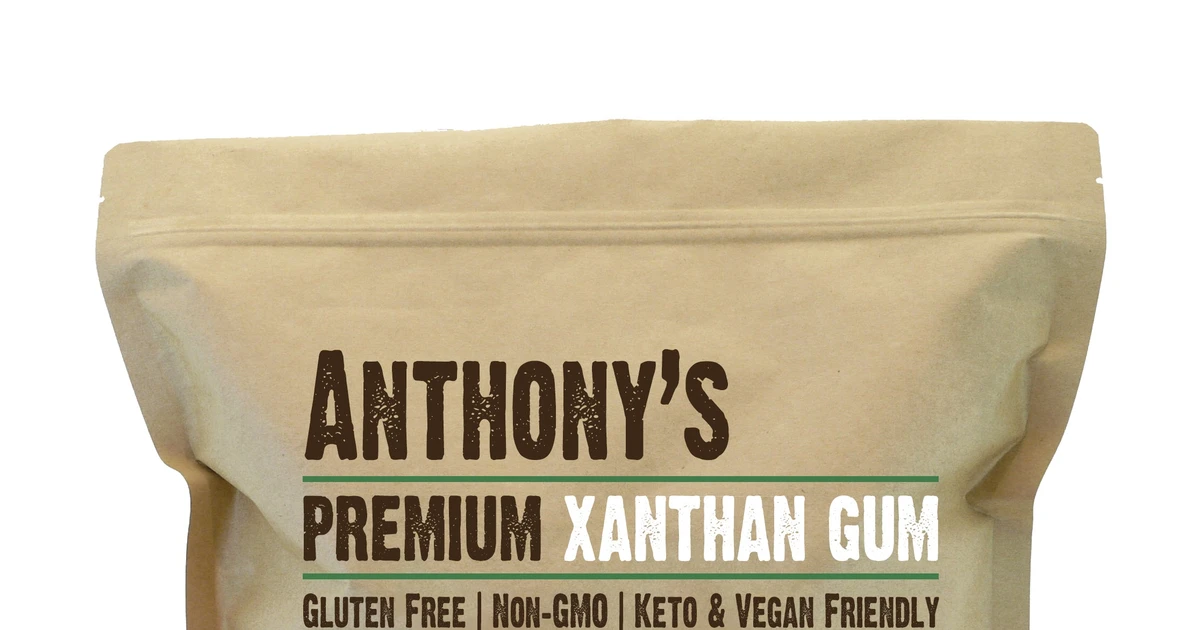
 Halal Xanthan Gum for Baking — Which Brand to Buy
Xanthan gum (E415) is produced by bacterial fermentation — halal by default, but the growth medium matters. Here are the best halal-verified xanthan gum brands.
 Ingredient Guides
 Is Glycerin in Toothpaste Halal? Plant vs Animal Sources by UK Brand (2026)
Glycerin is in almost every toothpaste. The source (animal vs plant) is rarely on the label. This guide checks Colgate, Sensodyne, Oral-B, and halal-certified alternatives.
 Ingredient Guides
 Is The Ordinary Multi-Peptide Eye Serum Halal? INCI Checked (2026)
The Ordinary's Multi-Peptide Eye Serum is PETA-certified vegan, alcohol-free, and its peptides are synthetic — permissible to use, though not halal-certified.