
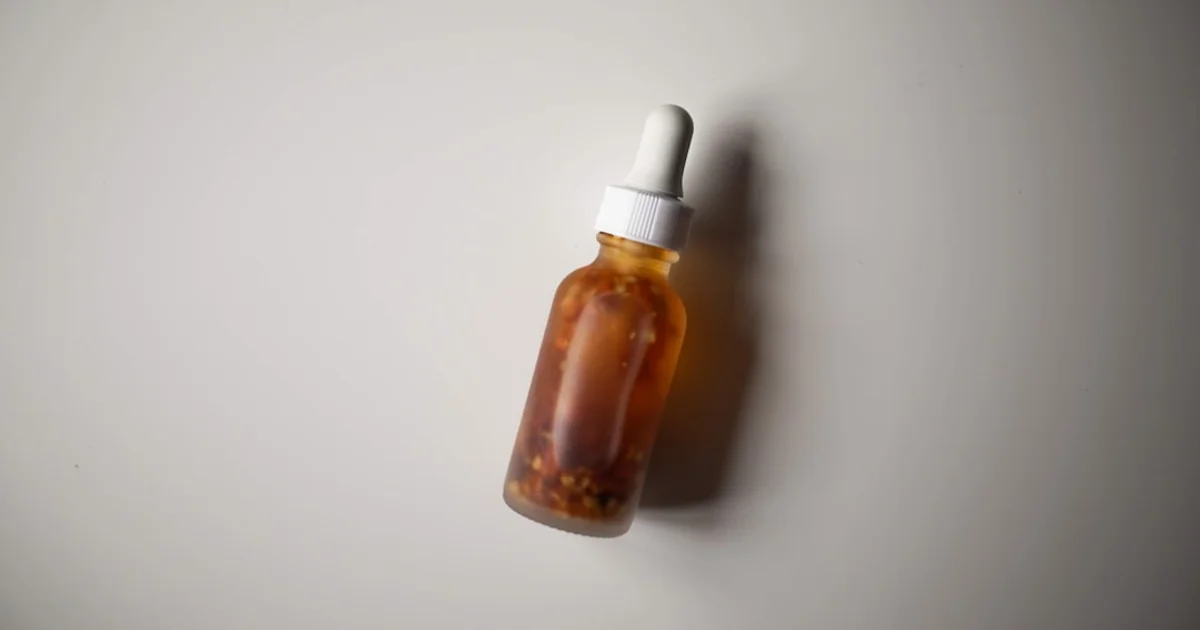
One of the peptides in The Ordinary’s Multi-Peptide Eye Serum is modelled on the venom of the Temple Viper. That detail alarms more Muslim shoppers than anything else on the label — and it turns out to be the least of the product’s problems, because it isn’t snake venom at all.
The verdict: The Ordinary Multi-Peptide Eye Serum contains no haram ingredients. It is PETA-certified vegan, free of intoxicant alcohol, and every peptide in the formula is synthesised in a lab. It is permissible to use under mainstream Sunni rulings on topical cosmetics — but it is not halal-certified, and DECIEM holds no halal certification for any product. That distinction matters if you buy certified-only.
What Is Actually in It?
The full ingredient list (from The Ordinary’s official product page, checked July 2026) is water-based: glycerin, glycols, niacinamide, caffeine, four peptides, plant extracts, and a preservative system. Here is every ingredient a halal-conscious buyer would stop at:
| Ingredient | The concern | What we found |
|---|---|---|
| Glycerin | Can be tallow-derived | Plant-derived — covered by DECIEM’s brand-wide PETA vegan certification. See E422 glycerol’s halal status for the food-side rule. |
| Four peptides | Animal origin? | All lab-synthesised (details below) |
| Benzyl alcohol | ”Alcohol” on the label | Aromatic preservative alcohol, not khamr — permissible |
| Xanthan gum | — | Microbial fermentation, halal (E415) |
| Polysorbate 20 | Fatty-acid source | Vegan-covered; plant-derived here (E432 background) |
| Carmine, collagen, lanolin, squalane | Common animal-derived cosmetics ingredients | None present |
No pork derivatives, no insect-derived colourants, no animal collagen. The formula also contains no ethanol or Alcohol Denat — The Ordinary explicitly markets it as alcohol-free.
The “Snake Venom” Peptide, Explained
The ingredient Dipeptide Diaminobutyroyl Benzylamide Diacetate is sold under the trade name SYN-AKE — a synthetic peptide designed in 2001 to mimic one effect of Waglerin-1, a protein found in Temple Viper venom. No snakes are involved in making it; it is built entirely in a lab, which is why it can sit in a PETA-certified vegan formula.
The same is true of the other three peptides (Matrixyl synthe’6, Eyeseryl, and Myristoyl Nonapeptide-3). Cosmetic signal peptides of this kind are synthetic as a class. The peptide category only becomes a halal question when a product uses collagen peptides, which can be animal-derived — none are present here. If collagen is on your radar, our halal collagen guide covers how to check sources.
Does It Affect Wudu and Prayer?
A serum raises two separate fiqh questions, and both resolve cleanly here:
- Impure (najis) ingredients. Applying pork-derived or impure substances to the body is impermissible — but this formula contains none, so the question doesn’t arise.
- The water barrier. A substance only invalidates wudu if it forms a layer that blocks water from reaching the skin, the way nail polish or wax does. Water-based serums absorb and leave no film, so wudu made after applying this product is valid. Per IslamQA’s ruling on barrier substances, absorbed creams and oils do not count as barriers — though rubbing the area during washing is good practice if any residue feels greasy.
How we reached this verdict
We checked the following sources before publishing this verdict (all checked July 2026):
- DECIEM / The Ordinary — official product page lists the full INCI and labels the product vegan, cruelty-free, and alcohol-free; DECIEM’s animal-ingredients page confirms brand-wide PETA vegan certification, covering the glycerin source question.
- Halal certification registries — no halal certification found for DECIEM or The Ordinary with any recognised body; the American Halal Foundation’s brand listings confirm the brand is uncertified.
- Peptide sourcing — SYN-AKE (Pentapharm) and the Matrixyl/Eyeseryl peptides are documented synthetic manufactures; no animal-derived peptide is listed.
- Sunni fatwa on topical cosmetics — IslamQA on animal-derived ingredients in non-food products (answers 12670, 97541), on alcohol in cosmetics (answer 59899, with SeekersGuidance concurring), and on barrier substances in wudu (answer 240518).
Community halal-status sites and app verdicts are not cited here. They do not verify ingredient sourcing and we do not treat them as authoritative.
Certified Alternatives, If You Buy Certified-Only
“No haram ingredients” and “halal-certified” are different standards. If you hold out for certification, the clearest options in skincare are PHB Ethical Beauty (UK, halal-certified), Iba Halal Care (India), and Wardah (Indonesia, LPPOM-MUI certified — the strongest certification pedigree in cosmetics). Brands like INIKA and Amara market themselves as clean or halal-aligned, but check per-product certification before relying on them.
For the full ingredient-by-ingredient method — carmine in lipsticks, gelatine in face masks, alcohol types — see our halal cosmetics ingredients guide and our deep-dive on carmine in cosmetics.
Summary
| Question | Answer |
|---|---|
| Any haram ingredients? | No — vegan formula, no najis substances |
| Intoxicant alcohol? | No — benzyl alcohol only (preservative, permissible) |
| Peptides animal-derived? | No — all four are lab-synthesised, including SYN-AKE |
| Halal-certified? | No — DECIEM holds no halal certification |
| Blocks wudu? | No — water-based, absorbs without forming a barrier |
Checking another product? Look up any additive in our E-codes database or scan a label with the ingredient checker.
Ingredients change. Be first to know.
Brands reformulate without warning. We track every E-code update and halal certification — one short weekly email.
Related Articles
 Ingredient Guides
 Is Dog Food Halal? The Question Behind the Question
No halal-certified dog food exists — but the purchase rules are the same as cat food. The dog ownership rulings, the madhab split, and what Muslim dog owners can buy.
 Ingredient Guides
 Is Sriracha Halal? A Guide to Halal Hot Sauces
Is sriracha halal? Most sriracha sauces are plant-based and halal — but not all. Here's what to check and the best verified halal hot sauces to buy.
 Ingredient Guides
 Is Samyang Buldak Halal? The Halal Version Explained
Samyang Buldak ramen exists in both halal and non-halal versions. Here's how to tell them apart and where to buy the certified halal version.