
Phosphate additives are among the most common food additives globally, yet they rarely feature in halal food discussions because their ruling is unambiguous. E339 sodium phosphates are halal, end of analysis. But understanding why they are in your food — and more importantly, what else to check in the products that contain them — is where the practical value lies.
What E339 Sodium Phosphates Are
E339 covers three related sodium phosphate compounds:
| Sub-type | Chemical Name | Formula | Common Use |
|---|---|---|---|
| E339(i) | Monosodium phosphate (MSP) | NaH₂PO₄ | pH control, stabiliser |
| E339(ii) | Disodium phosphate (DSP) | Na₂HPO₄ | Emulsifying salt, buffer |
| E339(iii) | Trisodium phosphate (TSP) | Na₃PO₄ | Emulsifier in cheese, pH adjustment |
All three are produced by neutralising phosphoric acid with sodium hydroxide (lye) in varying stoichiometric ratios. Phosphoric acid comes from phosphate rock (an abundant mineral resource), and sodium hydroxide comes from the chloralkali process using brine. Neither input involves animal materials.
The chemistry is entirely mineral. There is no biological input, no fermentation, no animal-derived processing aid. Sodium phosphates are as far from any halal concern as table salt.
The Key Distinction: Additive vs. Product
The distinction that matters for halal consumers is between the additive and the product it is found in. E339 is halal; the processed meat or cheese it appears in must be evaluated separately.
This pattern is crucial for navigating processed food labels. Many additives are halal while the products they are found in require careful checking:
In processed deli meats: E339 is used as a water-binding agent and preservative in cooked ham, chicken breast slices, and similar products. The E339 is halal. Whether the meat product is halal depends on:
- Species (chicken, beef, turkey = potentially halal; pork = haram)
- Slaughter method (zabihah required for beef, lamb, chicken)
- Halal certification
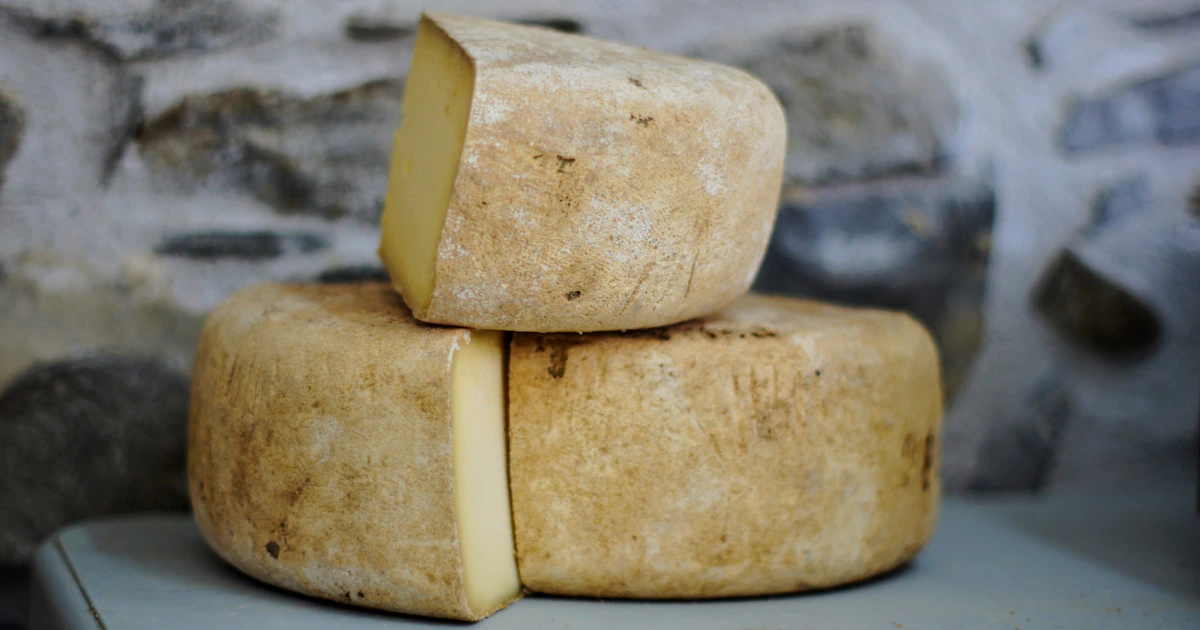
In processed cheese: E339 acts as an emulsifying salt in cheese slices, cheese spreads, and similar products. The E339 is halal. Whether the product is halal depends on:
- Rennet type used in the base cheese (microbial or plant rennet = halal; animal rennet from non-halal-slaughtered cattle = mushbooh)
- Other additives in the cheese
In instant noodles: E339 appears in the flavour sachet as a flavour enhancer and buffering agent. The E339 is halal. Whether the noodles are halal depends on the overall product certification and any meat-derived flavouring.
E339 in Processed Cheese: A Deeper Look
Processed cheese is one of the most common encounters with E339. Understanding what “processed cheese” actually is explains why these additives are present.
Natural cheese is made by coagulating milk with acid and rennet, draining the whey, and ageing the curd. The fat and protein in natural cheese are in a complex three-dimensional network. When you heat natural cheese, this network breaks down — fat separates as grease, protein becomes stringy.
Processed cheese is made by taking natural cheese (often blends of multiple varieties and ages) and re-melting it with emulsifying salts. The phosphate salts (E339, E450, E452) interact with the casein proteins in the cheese, breaking them away from the fat globules and re-forming them into a stable emulsion. The result is a product that:
- Melts smoothly without separating
- Slices cleanly from a cold block
- Has a longer shelf life than natural cheese
- Has uniform flavour and texture throughout
The emulsifying salts are essential to this process. Processed cheese without them would not achieve the texture consumers expect.
Halal concern in processed cheese: The emulsifying salts (E339) are fine. The relevant halal questions for processed cheese are:
- What rennet was used in the base cheese? Microbial rennet is the standard for major UK processed cheese products, but it is not always declared.
- Is the dairy from a halal source? Standard UK dairy is permissible.
- Are there any animal-derived additives beyond the emulsifying salts?
Phosphate Additives Compared
The phosphate family of food additives shares the same mineral origin and halal status:
| E-Code | Name | Phosphate Units | Halal Status |
|---|---|---|---|
| E338 | Phosphoric acid | 1 (acid) | Halal |
| E339 | Sodium phosphates | 1 | Halal |
| E340 | Potassium phosphates | 1 | Halal |
| E341 | Calcium phosphates | 1 | Halal |
| E343 | Magnesium phosphates | 1 | Halal |
| E450 | Diphosphates | 2 | Halal |
| E451 | Triphosphates | 3 | Halal |
| E452 | Polyphosphates | 4+ | Halal |
The entire phosphate additive category is halal. This is a family you can systematically clear from your halal analysis and focus attention on other additives.
How We Reached This Verdict: Halal
- E339 is produced from phosphoric acid (mineral source) and sodium hydroxide (mineral source)
- No biological inputs at any stage of production
- Identical ruling for all three sub-types (i, ii, iii)
- Universally certified halal by all major global halal certification bodies
- Present in countless halal-certified processed food products
- No scholarly opinion or historical debate about the halal status of mineral phosphate salts
Madhab Note
Mineral salts are unambiguously permissible under all jurisprudential schools. There is no madhab-specific variation in the ruling on sodium phosphates or related mineral salt additives. When evaluating products containing E339, the additive can be dismissed immediately from the halal analysis, and attention should go to the meat or dairy components.
Check any E-code instantly — our E-codes database has detailed halal rulings for all 370+ food additives.
Scan a processed cheese label — use our ingredient scanner to check every additive in a photo simultaneously.
Related reading — E450 Diphosphates: The Processed Food Additive Most People Miss — the related diphosphate family with the same clean halal ruling.
Ingredients change. Be first to know.
Brands reformulate without warning. We track every E-code update and halal certification — one short weekly email.
Related Articles
 E-Code Guides
 E951 Aspartame: Is It Halal? Diet Coke, Sugar-Free & More (2026)
E951 aspartame is halal — it's a synthetic amino acid sweetener with no animal derivatives. But check the capsule carrier in supplement form.
 E-Code Guides
 E450 Diphosphates: The Processed Food Additive Most People Miss
E450 diphosphates are halal — they're mineral-derived phosphate salts with no animal components. Found widely in processed meats and baking powder.
 E-Code Guides
 E322 Lecithin: Soy vs Sunflower — Which Is Halal?
E322 lecithin is usually halal — most is soy or sunflower-derived. Egg lecithin and animal-derived variants exist but are rare. Here's how to tell.