
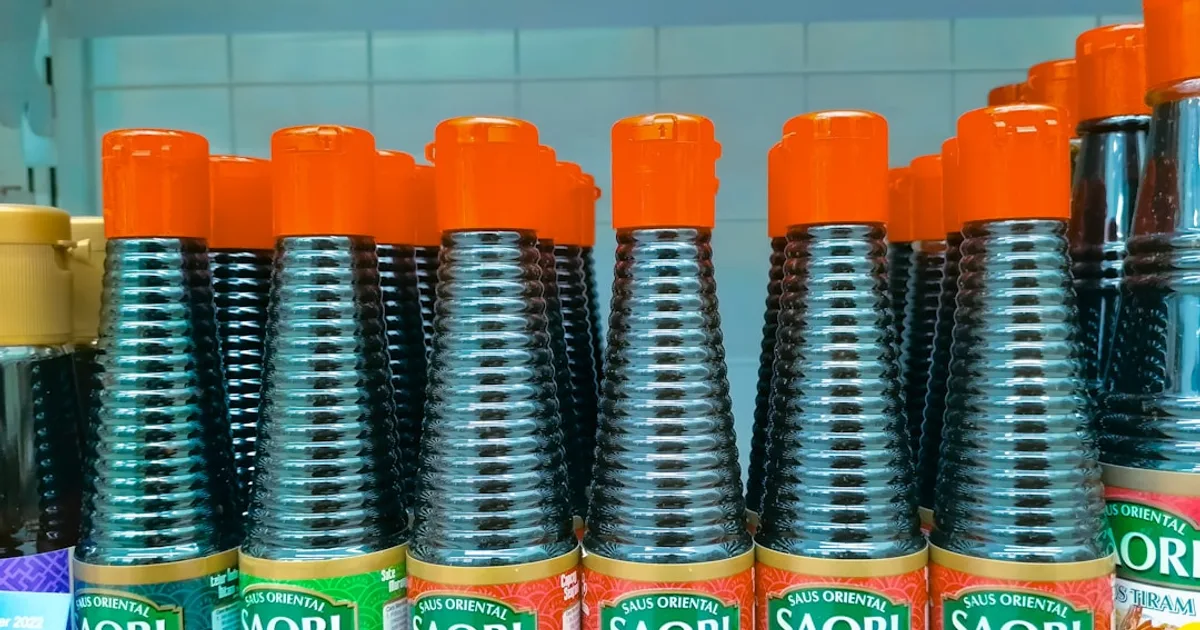
Mirin is a cornerstone of Japanese cooking — it provides the glossy finish to teriyaki, the depth in ramen tare, and the sweet balance in marinades. As Japanese cuisine becomes mainstream worldwide, Muslim home cooks are increasingly asking: is mirin halal, and can I use it?
The answer requires understanding that “mirin” covers several distinct products with very different alcohol contents.
What Is Mirin?
Mirin comes in three main forms:
Hon-mirin (本みりん — “true mirin”): Genuine mirin produced by fermenting mochi rice with rice koji and shochu (distilled spirit). Alcohol content: approximately 14% ABV. This is the traditional product.
Mirin-fu chomiryo (みりん風調味料 — “mirin-style seasoning”): A modern, cheaper imitation. Made with glucose, rice, organic acids, and flavourings. Alcohol content: approximately 1% or less, sometimes alcohol-free. Not the same as hon-mirin.
Shio-mirin (塩みりん): Salt-preserved mirin with 1.5%+ salt added to comply with Japanese tax classification. Alcohol content varies.
The Halal Verdict by Type
| Mirin Type | Alcohol Content | Halal Status |
|---|---|---|
| Hon-mirin (Takara, Kikkoman Hon-Mirin) | ~14% ABV | Haram |
| Mirin-fu chomiryo (standard) | ~1% | Mushbooh |
| Mirin-fu chomiryo (alcohol-free variants) | <0.1% | Generally Halal |
| Halal-certified alcohol-free mirin | 0% | Halal |
Takara Mirin: Hon-mirin — contains 14% alcohol. Not halal.
Kikkoman Manjo Aji-Mirin: This is a mirin-fu chomiryo (mirin-style) product with reduced alcohol. Kikkoman’s standard Manjo product contains some alcohol — check the specific label for “alcohol-free” or “アルコールフリー” labelling.
Lee Kum Kee or similar Asian brands labelled “mirin-style”: Check individual ingredient declaration for alcohol content.
The Fiqh Position on Alcohol in Cooking
This is one of the most commonly asked questions in Muslim cooking communities, and the scholarly consensus is clear:
Majority position (Hanafi, Maliki, Shafi’i, Hanbali): Alcohol does not become permissible through cooking or evaporation. Adding alcohol to food renders that food impermissible — regardless of whether the alcohol “burns off.” The reasoning: (1) not all alcohol evaporates in typical home cooking, (2) the intention to use a prohibited substance remains problematic, (3) the final dish may still contain trace alcohol.
A very small minority view holds that if alcohol is fully cooked off and the dish is non-intoxicating, it may be permissible — but this is not the mainstream or safe position.
Practical conclusion: Do not use hon-mirin in halal cooking. Do not rely on “cooking off” the alcohol.
Why Japanese Restaurants Are Not Halal by Default
This connects to a broader point about Japanese cuisine: most Japanese restaurants are not halal, even if no meat is involved. Mirin, sake (rice wine), and occasionally miso with alcohol-based preservatives are standard ingredients. Muslim diners should ask specifically about alcohol in sauces and marinades, not just about meat. For where mirin shows up in sushi specifically — eel glazes, teriyaki and rice seasoning — see our full sushi halal guide.
Halal Mirin Substitutes
Best substitute: Rice vinegar + sugar
- 1 tbsp mirin = 1 tbsp rice vinegar + 1 tsp sugar
- Provides the same sweet-acidic profile
- Available everywhere, unambiguously halal
Second option: White grape juice + small amount of rice vinegar
- Better for dishes where the fruity sweetness of mirin is important
- Works well in teriyaki and glazes
Dedicated halal mirin: Some brands in the UK, Malaysia, and Australia produce alcohol-free mirin with halal certification. Search for “halal mirin” or “alcohol-free mirin” at Asian grocery stores.
How We Reached This Verdict
Our assessment is based on Japanese food standards documentation for mirin product classifications, alcohol content declarations from major mirin manufacturers (Takara, Kikkoman), and scholarly positions on alcohol in cooking from UK Darul Uloom institutions, AMJA, and the ISNA Fiqh Council.
Madhab Note
All four major madhabs prohibit the use of alcohol in food preparation. There is no meaningful scholarly disagreement on this point for hon-mirin at 14% ABV. The mirin-fu chomiryo at <1% falls into a more nuanced discussion — some scholars apply the “small amount in large dish” analysis, but the mainstream and safe position is to use the alcohol-free variant.
Cooking Japanese food? Check any ingredient’s halal status with HalalCodeCheck before you cook.
Browse our E-code database for Asian food additives and their halal status.
Verify ingredients on any Japanese sauce or seasoning using your phone camera.
Ingredients change. Be first to know.
Brands reformulate without warning. We track every E-code update and halal certification — one short weekly email.
Related Articles
 Shopping Guides
 Is Vidal Candy Halal? Spanish Sweets Checked for Gelatin & E-Codes
Vidal sweets are Mushbooh to Haram — most gummy products contain pork gelatine. Some products use plant-based alternatives — check the label for each variant.
 Shopping Guides
 Is Tiramisu Halal? Alcohol, Mascarpone & Marsala Checked
Traditional tiramisu is not halal — it contains Marsala wine and sometimes rum. Halal tiramisu is simple to make and widely available in Malaysia and the UAE.
 Shopping Guides
 Is Omega-3 Fish Oil Halal? Gelatin Capsules vs Enteric-Coated
Fish oil omega-3 is halal — fish is generally permissible. The concern is the capsule: standard softgels use pork gelatin. Look for fish gelatin or enteric-coated alternatives.