
Stevia has gone from a niche health food shop product to a mainstream sweetener found in supermarkets, diet drinks, and sugar-free foods across the UK. For Muslims checking the halal status of sweeteners, stevia is one of the clearest cases — but the proliferation of brand names and occasional misinformation means it’s worth setting the record straight.
What Is Stevia?
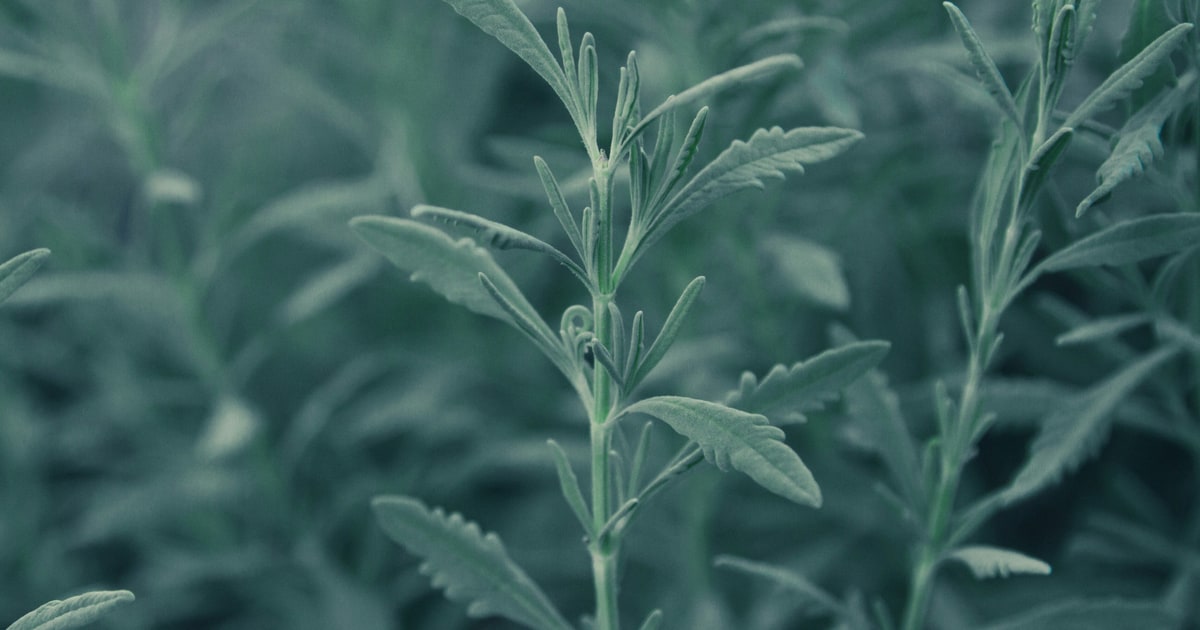
Stevia is a natural sweetener derived from the leaves of Stevia rebaudiana, a plant native to Paraguay and Brazil that has been cultivated and used by the Guaraní people for centuries. The plant’s leaves contain a family of compounds called steviol glycosides, which are between 200 and 400 times sweeter than sucrose (table sugar) by weight.
Unlike sugar, steviol glycosides are not metabolised in the same way — they pass through the upper digestive tract largely unchanged, contributing virtually no calories. This is why stevia is classified as a high-intensity, non-nutritive sweetener and used extensively in diet products.
E960: The European Additive Code
In Europe, stevia appears on food labels under the code E960 (or more precisely E960a for rebaudioside A, E960c for steviol glycosides, etc., following updates to the additive regulation). On UK food labels post-Brexit, the E960 designation remains in use.
You may see stevia listed as:
- E960 or E960a / E960c
- Steviol glycosides
- Stevia leaf extract
- Stevia
- Rebaudioside A (the specific glycoside used in many commercial products)
All of these are the same substance from the same plant. None of them are cause for halal concern.
Why Stevia Is Halal
The halal permissibility of stevia rests on several clear points:
1. Entirely plant-derived Stevia comes from the leaf of a plant. There is no stage in its production — cultivation, harvest, extraction, or processing — that involves animals or animal by-products. The source material is unambiguously halal.
2. No alcohol in the final product The extraction of steviol glycosides from stevia leaves involves water and sometimes food-grade solvents. However, no alcohol remains in the final steviol glycoside extract that enters food products. The finished ingredient is alcohol-free.
3. No prohibited additives in standard stevia products Pure stevia extracts and steviol glycosides do not contain any of the common problematic additives (carmine, gelatin, non-halal glycerol) that create halal concerns in other products.
4. Confirmed by certification bodies JAKIM (Malaysia), IFANCA (USA), MUI (Indonesia), and other leading halal certification bodies consistently classify stevia and steviol glycosides as halal. This is not a borderline case.
Common Stevia Products and Their Halal Status
Truvia
Truvia is one of the most widely available stevia brands in UK supermarkets and food service. It contains erythritol (a fermentation-derived sugar alcohol from corn — halal), stevia leaf extract, and natural flavours. All ingredients are plant-derived or fermentation-derived from plant sources. Halal.
PureVia / Whole Earth Stevia
PureVia and Whole Earth stevia products similarly contain rebaudioside A (from stevia) and dextrose or erythritol as bulking agents. Plant-derived throughout. Halal.
Supermarket own-brand stevia
Tesco, Sainsbury’s, ASDA, and other major supermarkets all carry stevia sweetener products under their own brands. These are typically steviol glycoside extract combined with maltodextrin (from corn or wheat) or erythritol. All standard ingredients; halal.
Stevia in soft drinks (Coca-Cola Life, Pepsi True, etc.)
Several soft drink manufacturers use stevia alongside sugar to reduce caloric content. The stevia in these drinks is the same plant-derived ingredient. The halal status of the drink will depend on all its other ingredients, but E960/stevia itself is not a concern.
Stevia vs Other Sweeteners: The Halal Comparison
| Sweetener | E-code | Source | Halal Status |
|---|---|---|---|
| Stevia | E960 | Stevia rebaudiana leaf | Halal |
| Aspartame | E951 | Synthetic (amino acids) | Halal |
| Saccharin | E954 | Synthetic | Halal |
| Acesulfame K | E950 | Synthetic | Halal |
| Sucralose | E955 | Modified sucrose | Halal |
| Sorbitol | E420 | Plant starch | Halal |
| Xylitol | E967 | Plant fibre (birch/corn) | Halal |
| Thaumatin | E957 | Katemfe fruit (Africa) | Halal |
All common high-intensity sweeteners are halal. The sweetener category is not a significant source of halal concern compared to the colourings and stabilisers categories.
Stevia for Diabetics and Health-Conscious Muslims
Stevia has particular relevance for Muslim communities managing type 2 diabetes or following reduced-sugar diets. Several factors make it a useful tool:
- Zero glycaemic impact — does not raise blood glucose levels
- No calories — suitable for weight management
- Heat stable — can be used in cooking and baking
- Available in granulated form — can substitute for sugar in most recipes (note: reduced volume, so recipes need adjustment)
For those fasting in Ramadan and monitoring blood sugar, stevia-sweetened products allow sweet foods and drinks without the glycaemic spike associated with sugar.
Is There Anything to Watch With Stevia Products?
Pure stevia extract is entirely straightforward. However, stevia-sweetened products may contain other ingredients worth checking:
- Bulking agents — maltodextrin (from corn, usually halal) or erythritol (from corn fermentation, halal)
- Natural flavours — these can occasionally include animal-derived carrier solvents; in stevia products this is rarely the case, but worth noting
- Gelatine capsules — some stevia supplements come in capsule form; the capsule itself may be gelatin-based (check for vegetarian/HPMC capsules)
For straight stevia sweetener sachets and tablets used to sweeten tea and coffee, none of these concerns apply.
Summary
| Factor | Detail |
|---|---|
| E-code | E960 |
| Common name | Stevia, Steviol glycosides, Stevia leaf extract |
| Source | Stevia rebaudiana plant leaves |
| Verdict | Halal |
| Animal derivatives | None |
| Alcohol content | None in finished ingredient |
| Common brands | Truvia, PureVia, Whole Earth, supermarket own-brand |
| Certification | JAKIM, IFANCA, MUI all classify as halal |
Ingredients change. Be first to know.
Brands reformulate without warning. We track every E-code update and halal certification — one short weekly email.
Related Articles
 E-Code Guides
 Is Propylene Glycol (E1520) Halal? The Flavour Solvent Explained
Propylene glycol (E1520) is halal. It is a synthetic diol made from petroleum-derived propylene oxide, contains nothing animal-derived and does not intoxicate. The word 'glycol' is not 'alcohol' in the fiqh sense. Where it does matter: as the carrier in flavourings that may also contain ethanol.
 E-Code Guides
 Is E471 in Baby Food Safe? What Muslim Parents Need to Know (2026)
E471 (mono- and diglycerides) appears in baby rusks, formula, and cereals. Source is rarely disclosed. This guide explains the halal status and which UK brands contain it.
 E-Code Guides
 E Numbers to Avoid for Children: Haram, Harmful and Questionable Additives (2026)
The E numbers children should avoid span two concerns: those that are haram and those with documented health effects. This guide covers both with a full list for parents.