
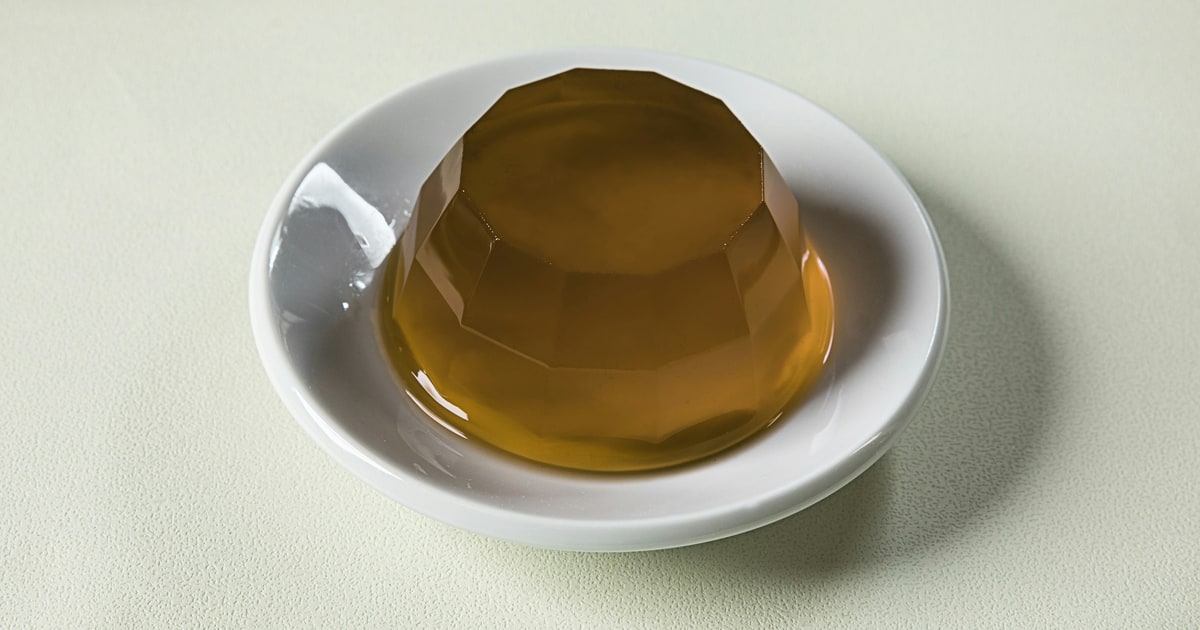
Few food additives cause as much confusion for Muslim shoppers as gelatin. Unlike E120 (which is always haram) or turmeric (which is always halal), gelatin sits in a genuinely ambiguous middle ground. The same E-number — E441 — can come from pork, beef, or fish, and only one of those three options can be halal.
What Is E441?
E441 is the European additive code for gelatine (also spelled gelatin). It is a protein obtained by the prolonged boiling of animal connective tissue — specifically skin, bones, tendons, and ligaments. The collagen in these tissues breaks down into gelatin during this process.
Gelatin has extraordinary functional properties: it forms stable gels at low concentrations, melts at body temperature (which gives gummy sweets that characteristic melt-in-mouth quality), and is stable across a wide range of acidities. This makes it irreplaceable in many food and pharmaceutical applications — which is precisely why it’s so widespread and why alternatives are still catching up.
The Three Sources of Gelatin
Pork Gelatin — Haram
The majority of commercial gelatin used in food manufacturing in Europe and North America is derived from porcine (pig) skin. Pork skin produces gelatin with particularly desirable gelling properties and is the cheapest source. Products made with pork gelatin are definitively haram and must be avoided.
Beef Gelatin — Mushbooh (conditional)
Gelatin derived from cattle bones and skin can be halal, but only if:
- The cattle were slaughtered according to Islamic rites (zabiha/dhabihah)
- This is verified by a recognised halal certification body
Without confirmed zabiha slaughter, beef gelatin should be treated as doubtful (mushbooh). Many “beef gelatin” products are sourced from conventional (non-zabiha) slaughterhouses, making them impermissible for Muslims.
Fish Gelatin — Halal
Gelatin derived from fish skin and bones is halal, provided the fish itself is a permissible species (which covers the vast majority of commercially harvested fish). Fish gelatin has a slightly different texture and lower gel strength than mammalian gelatin, and is more expensive — but it is the only form of gelatin that is unambiguously halal without requiring further verification of slaughter method.
Where Gelatin Hides in Your Food
Gelatin is one of the most widespread food additives on the market. It appears in:
- Gummy sweets — Haribo Goldbears, Starburst Jelly Beans, Bassett’s Jelly Babies, and most supermarket Pick n Mix use pork gelatin
- Marshmallows — virtually all mainstream marshmallows in the UK contain pork gelatin
- Jelly and dessert mixes — Hartley’s jelly, supermarket own-brand jelly cubes
- Mousses and set cream desserts
- Some yoghurts — added to improve texture in lower-fat varieties
- Pharmaceutical capsules — most hard and soft gel capsules are made from gelatin; halal alternatives exist but are less common
- Supplements — cod liver oil capsules, omega-3 capsules, and many vitamin supplements
- Wine and beer — gelatin is used as a fining (clarifying) agent; it is removed from the final product but may be relevant for those avoiding all contact
Halal-Certified Gelatin Products
A growing range of products uses certified halal gelatin. When shopping, look for:
- “Halal gelatine” explicitly stated on the packaging (common in South Asian and Middle Eastern food ranges)
- “Fish gelatine” or “bovine gelatine from halal-slaughtered cattle”
- A recognised halal certification logo from HFA, JAKIM, MUI, or IFANCA
Halal-friendly sweets brands available in the UK include Candy Kittens (pectin-based), Haribo Halal (sold in some stores — uses halal-certified beef gelatin; our full Haribo guide explains which packs qualify), and a range of Turkish and Malaysian confectionery brands that are routinely gelatin-free or use halal gelatin.
Plant-Based Alternatives: The Truly Halal Options
If you want to avoid the gelatin question entirely, opt for products that use plant-based gelling agents:
| Alternative | E-code | Source | Halal Status |
|---|---|---|---|
| Agar-agar | E406 | Red algae | Halal |
| Pectin | E440 | Fruit peel (apple, citrus) | Halal |
| Carrageenan | E407 | Seaweed | Halal |
| Locust bean gum | E410 | Carob seeds | Halal |
| Guar gum | E412 | Guar beans | Halal |
Vegan sweets labelled “suitable for vegans” will not contain gelatin at all, making them automatically permissible from this angle (though always check other ingredients).
Medications and Supplements
This is an area many Muslims overlook. The vast majority of pharmaceutical capsule shells — both hard gelatine capsules (used in powders and granules) and soft gel capsules (used in oils like omega-3) — are made from porcine gelatin.
Halal alternatives exist: hydroxypropyl methylcellulose (HPMC) capsules are plant-derived and increasingly used by halal-conscious supplement brands. If you take regular supplements, check whether the brand offers HPMC or “vegetarian capsules” rather than standard gelatin capsules.
For prescription medications, most Islamic scholars apply the principle of darurah (necessity) — if there is no available halal alternative and the medication is medically necessary, it becomes permissible. Consult a scholar and your pharmacist for specific situations.
Summary
| Factor | Detail |
|---|---|
| E-code | E441 |
| Common name | Gelatine / Gelatin |
| Source | Animal bones, skin, tendons (pig, cattle, or fish) |
| Verdict | Mushbooh (depends on source and slaughter method) |
| Pork gelatin | Haram |
| Beef gelatin | Halal only if zabiha-certified |
| Fish gelatin | Halal |
| Found in | Sweets, marshmallows, jelly, yoghurts, capsules |
| Halal alternatives | E406 (agar), E440 (pectin), E407 (carrageenan) |
For the complete sourcing picture — beef vs pork vs fish gelatin, label-reading shortcuts, and country-specific certification guidance — see Is gelatin halal or haram?
Ingredients change. Be first to know.
Brands reformulate without warning. We track every E-code update and halal certification — one short weekly email.
Related Articles
 E-Code Guides
 E441 Gelatin: Pork vs Beef vs Fish — The 2026 Guide
The definitive guide to E441 gelatine: which source is halal, which is haram, how to identify gelatine on food labels, and the best halal-friendly alternatives.
 E-Code Guides
 Which Foods Contain E471? A Category-by-Category Halal Guide (2026)
E471 turns up in chocolate, biscuits, bread, ice cream, spreads, instant noodles and protein bars. Here is a category-by-category breakdown of where it hides and which certified alternatives exist.
 E-Code Guides
 Is Cheese Halal? Animal Rennet, Microbial Rennet and What to Check (2026)
The halal status of cheese depends on the rennet used to set it. Microbial or vegetarian rennet is halal; animal rennet from non-zabiha cattle is Mushbooh. Here is how to check.