
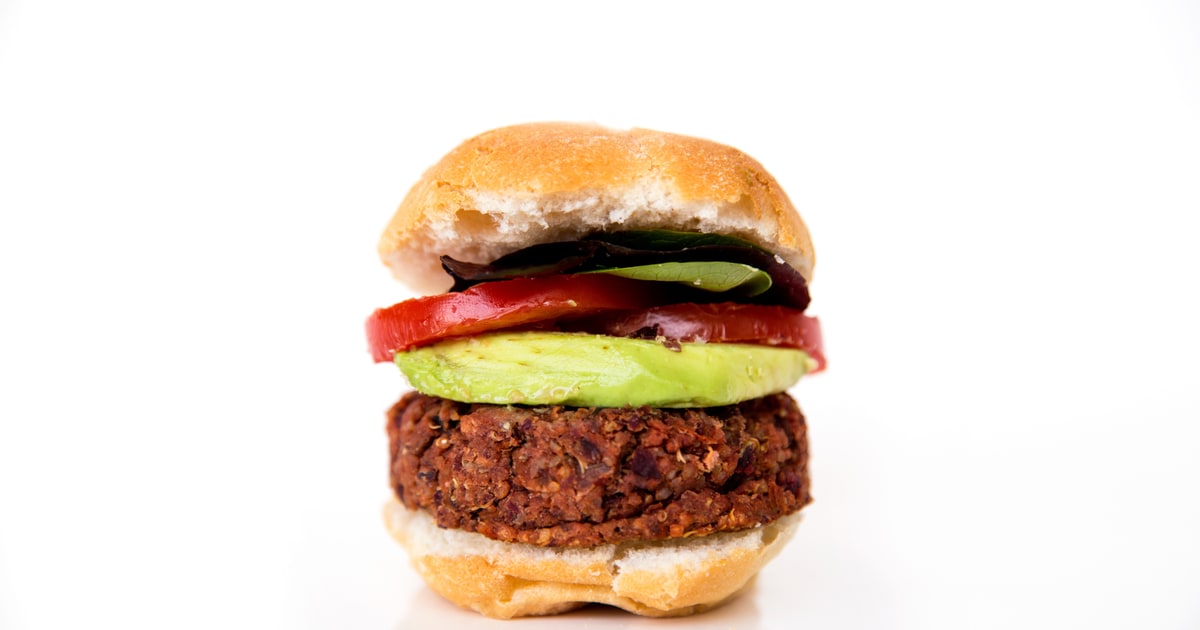
Plant-based meat has moved from health food fringe to supermarket mainstream. For Muslim consumers, the appeal is obvious — products that look and taste like meat without the halal slaughter question. But plant-based doesn’t automatically mean free from halal concerns. Some products use heme from yeast fermentation, others use egg white binders, and many share production facilities with non-halal items. Here’s what you actually need to know about each major brand.
The Core Question: What Makes a Plant-Based Product Halal?
A plant-based meat alternative is halal if:
- All ingredients are from permissible sources (plant, fungal, or halal-verified fermentation origin)
- No haram additives are used (no carmine E120, no pork-derived gelatin, no alcohol in formulation)
- Cross-contamination risk from haram substances is acceptable to the consumer
Most plant-based meats pass points 1 and 2 comfortably. Point 3 requires individual assessment. Formal halal certification remains the gold standard and is still sparse in this category.
Beyond Meat
Halal status: Halal by ingredients (no formal UK certification)
Beyond Meat burst into mainstream consciousness with the Beyond Burger — a plant-based patty designed to bleed (using beet juice extract) and sizzle like beef. The full ingredient profile is notable for what it doesn’t contain: no animal products of any kind.
Key ingredients: Pea protein (the primary protein), rice protein, mung bean protein, coconut oil, sunflower oil, cocoa butter, beet juice extract (for colour — not carmine), potato starch, methylcellulose.
Every protein source is plant-derived. The red colour comes from beet juice — not carmine (E120). No gelatin, no carmine, no alcohol. The emulsifiers and stabilisers used (methylcellulose, sunflower lecithin) are plant-derived.
What’s missing: Formal halal certification in the UK or USA. Beyond Meat has pursued halal certification in the Middle East and some Asian markets, where their products are sold as certified halal. In the UK, no certification logo appears on packaging.
Practical verdict: Most Islamic scholars and halal food authorities consulted on this product have found the ingredients to be permissible. The lack of certification means the burden of due diligence falls on the consumer — but the ingredient list itself presents no halal red flags.
Impossible Foods
Halal status: Halal by ingredients; certified halal in select markets
The Impossible Burger became famous — and in some quarters controversial — for its use of soy leghemoglobin, marketed as “heme.” This is the ingredient that gives the Impossible Burger its meat-like metallic, bloody flavour.
The question it raises: is “heme” halal if it mimics blood?
The answer is yes, and the reasoning is important. Soy leghemoglobin is not blood. It is a protein produced by genetically modified yeast (Pichia pastoris) that has been given the gene for soy leghemoglobin. The yeast produces this protein through standard fermentation — the same process used to produce vanilla flavouring, citric acid, and many food ingredients used throughout the halal food industry.
The prohibition in Islamic law is on the blood of slaughtered animals (dam masfuh — blood that flows freely at slaughter). Soy leghemoglobin is a fermentation-derived protein that resembles haem but comes from yeast cells, not animal blood. It does not fall under the prohibition.
Full ingredient profile: Water, soy protein concentrate, coconut oil, sunflower oil, potato protein, methylcellulose, yeast extract, salt, soy leghemoglobin, tocopherols (vitamin E, from sunflower).
All permissible. No animal content, no haram additives.
Certification: Impossible Foods holds halal certification in the UAE and Singapore. In the UK and USA, products are sold without formal halal certification, but the company confirms the ingredient sourcing is plant and fermentation-based throughout.
Quorn
Halal status: Halal base ingredient; some products use egg; no formal certification
Quorn’s story is different from Beyond Meat and Impossible Foods because it predates the modern plant-based meat movement by decades. Quorn has been on UK shelves since 1985.
The foundation of every Quorn product is mycoprotein — a protein derived from the fermentation of Fusarium venenatum, a naturally occurring filamentous fungus (related to mushrooms and mould, not bacteria or animals). Mycoprotein is halal: it comes from a fungus, involves no animal content in its production, and is nutritionally similar to lean meat protein.
The complication: Many Quorn products use egg white as a binder to hold the mycoprotein fibres together in a firm structure (important for products like nuggets and fillets). Egg white is halal, but it makes many Quorn products unsuitable for vegans — and it means the products share production with egg-containing lines.
Quorn has an expanding vegan range — products labelled as vegan use potato protein or other plant-based binders instead of egg. These are egg-free and easier to verify.
Certification: Quorn does not hold formal halal certification. The company acknowledges Muslim consumers in its FAQ and recommends consulting a local Islamic authority for individual products.
Practical approach:
- Quorn mycoprotein base: halal
- Egg content: halal (eggs are permissible)
- No pork, no carmine, no haram additives in standard lines
- For cross-contamination-sensitive consumers: the lack of certification means shared-facility risk cannot be ruled out
Linda McCartney Foods
Halal status: Halal by ingredients; vegan lines are most clearly permissible
Linda McCartney Foods is one of the UK’s longest-standing vegetarian/vegan brands. Their products are made from a combination of soy protein, wheat protein, pea protein, and vegetable ingredients.
All Linda McCartney products are free from meat, poultry, fish, and shellfish. The brand’s vegan lines contain no animal products at all. Standard vegetarian lines may contain milk or egg, which are halal but worth noting.
No carmine, no gelatin, no pork derivatives appear in the Linda McCartney range. Their ingredient lists are typically short and straightforward.
Practical verdict: Linda McCartney products are halal by ingredient composition. As with the other brands, formal halal certification is absent — but there are no ingredients that would make them impermissible.
What About Cross-Contamination?
All four brands above produce their products in facilities that may also process other foods. Cross-contamination from pork products is theoretically possible if a facility also produces pork-containing items.
In practice:
- Beyond Meat: produced in dedicated plant-based facilities; cross-contamination with pork is highly unlikely
- Impossible Foods: similarly, dedicated plant-based production
- Quorn: produced in dedicated Quorn facilities focused on mycoprotein; no pork production
- Linda McCartney: vegetarian/vegan specialist; no meat production
For consumers who require formal halal certification for peace of mind — particularly regarding facility-level controls — none of these brands currently provides UK halal certification, and that is a legitimate reason to apply personal caution.
The Alcohol-in-Flavouring Question
Some plant-based meat products use natural flavours in their formulations. Natural flavours can occasionally be dissolved in alcohol carriers. None of the major brands listed here has disclosed alcohol-based flavour carriers, and the quantities involved would be at trace-carrier levels (not intoxicating), but it is a question that technically applies to any product using “natural flavours” without further specification.
Brand Comparison Table
| Brand | Protein Source | Halal Cert (UK) | Egg Content | Carmine-Free | Verdict |
|---|---|---|---|---|---|
| Beyond Meat | Pea, rice, mung bean | No | No | Yes | Halal by ingredients |
| Impossible Foods | Soy protein | No (Yes in UAE/SG) | No | Yes | Halal by ingredients |
| Quorn | Mycoprotein (fungal) | No | Some products | Yes | Halal by ingredients; check individual product |
| Linda McCartney | Soy, wheat, pea protein | No | Some products | Yes | Halal by ingredients |
Summary
| Factor | Detail |
|---|---|
| Beyond Meat | 100% plant-based; halal by ingredients; no UK certification |
| Impossible Foods | Plant and fermentation-based; soy heme is halal; no UK certification |
| Quorn | Mycoprotein (fungal); halal base; check egg content per product |
| Linda McCartney | Plant-based; halal by ingredients; no UK certification |
| Key concern | Lack of formal halal certification across all major UK brands |
| Verdict | Halal by ingredient composition for all four brands; certification-seekers should look for Middle East-certified imports |
Ingredients change. Be first to know.
Brands reformulate without warning. We track every E-code update and halal certification — one short weekly email.
Related Articles
 E-Code Guides
 Is Propylene Glycol (E1520) Halal? The Flavour Solvent Explained
Propylene glycol (E1520) is halal. It is a synthetic diol made from petroleum-derived propylene oxide, contains nothing animal-derived and does not intoxicate. The word 'glycol' is not 'alcohol' in the fiqh sense. Where it does matter: as the carrier in flavourings that may also contain ethanol.
 E-Code Guides
 Is Sodium Citrate (E331) Halal? The Short Answer (2026)
Sodium citrate (E331) is a fully synthetic acidity regulator made from citric acid and sodium hydroxide. No animal source, no alcohol — halal across all four Sunni madhabs.
 E-Code Guides
 Is Aspartame (E951) Halal? The Old Alcohol Myth Explained (2026)
Aspartame (E951/NutraSweet) is synthetic, made from amino acids. Alcohol is used in processing but doesn't appear in the finished sweetener — most scholars and certifiers now rule it halal.