
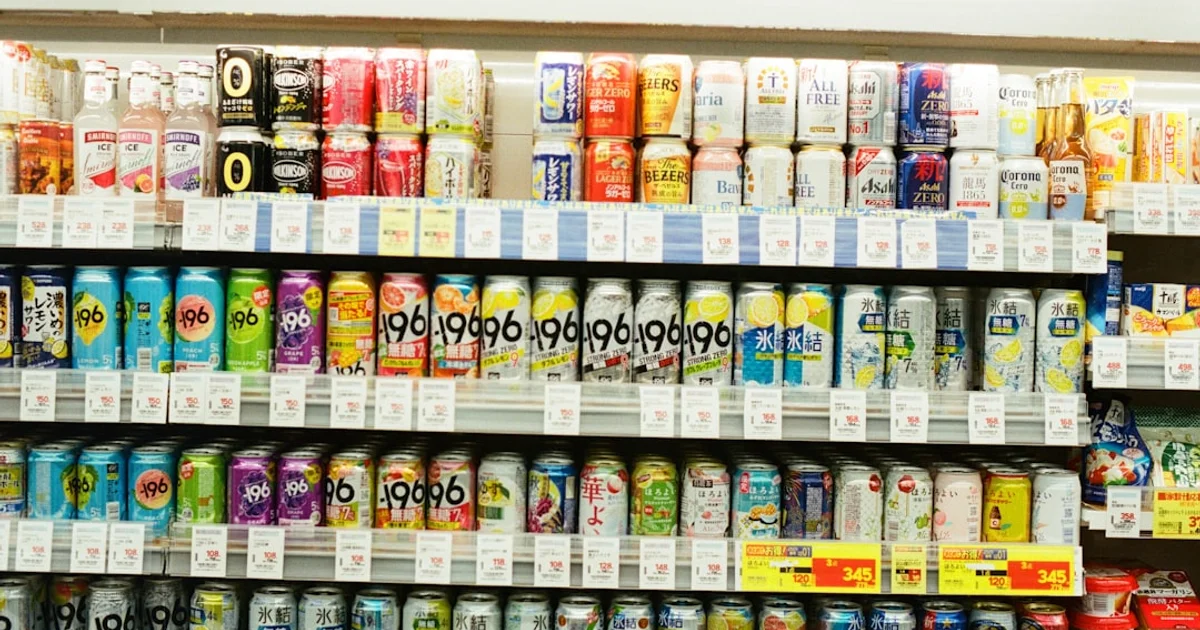
Finland is home to approximately 100,000 Muslims, a community that has grown steadily over the past two decades through immigration from Somalia, the Middle East, and South Asia, alongside a smaller number of Finnish converts. For Muslim residents and the growing number of Muslim tourists visiting for Lapland winter experiences or Helsinki city breaks, navigating the Finnish beverage market requires a clear understanding of what is safe to buy. Finland’s drink culture is closely associated with alcohol — Hartwall, Karjala, and Lapin Kulta are national names — but the majority of beverages in any Finnish supermarket are entirely alcohol-free and suitable for Muslim consumers once a few key ingredients are checked.
The Finnish Beverage Market and Halal
Finland has a unique alcohol retail structure: all beverages with alcohol content above 5.5% ABV are sold exclusively through Alko, the state alcohol monopoly, which operates separate stores. Regular supermarkets — K-Market, S-Market, Prisma, Lidl, and Tokmanni — sell only low-alcohol beer (up to 5.5% ABV), non-alcoholic beer, soft drinks, juices, water, milk, and energy drinks.
This structure is practically useful for Muslim consumers. In a standard Finnish grocery store, the shelves are dominated by soft drinks, juices, dairy beverages, coffee, tea, and water. You do not need to navigate past spirits or wine at the checkout. The risk is lower-alcohol beer at the beer fridge (clearly labelled with ABV%) and occasional flavoured beverages that may contain E120 (carmine, listed as “karmiini” in Finnish).
No mainstream Finnish beverage brand holds halal certification from a recognised Islamic body. Finland does not have a local halal certification authority for beverages, and EU import rules do not require one. The absence of certification does not automatically mean Haram — it means the burden of label-checking falls on the consumer.
Drinks to Avoid
The following are Haram and must be avoided regardless of where they are purchased in Finland:
Hartwall Original Long Drink — Finland’s national cocktail-style drink, made with gin and grapefruit soda. Clearly labelled with alcohol percentage. Available at Alko and in some supermarkets in sub-5.5% versions. Check the label: any version containing gin or “alkoholia” is Haram.
Finnish beers — Karjala, Lapin Kulta, Koff (Sinebrychoff), Sandels, and Olvi are all alcoholic lagers. Non-alcoholic versions of some of these brands exist (0.0% ABV) — these are generally Mushbooh (no certification) but contain no alcohol. Non-alcoholic beer remains a matter of scholarly debate; many mainstream Hanafi scholars accept it, while others advise caution due to brand association.
Ciders — Crowmoor, Somersby (sold in Finland), and other Finnish-market ciders are alcoholic and Haram.
Wine and spirits — Sold exclusively at Alko. Avoid entirely.
Flavoured beverages with E120 — Pink lemonade, some flavoured sparkling waters, and select juice-drink blends may use E120 (karmiini/carmiini on Finnish labels). E120 is derived from the cochineal insect and is Haram. Check the ingredients list of any pink or red-coloured flavoured drink. See E120 for the full ruling.
Safe Options in Finnish Supermarkets
The following are widely available across K-Market, S-Market, Prisma, and Lidl Finland and are safe for Muslim consumers:
Water — Finnish tap water is among the cleanest in the world and is halal. Bottled mineral waters including Hartwall Novelle (still and sparkling) and Vichy Salonen are halal.
Pure fruit juices — Innocent, Hohes C, and supermarket own-brand (K-Classic, Rainbow) pure fruit juices with no additives are halal. Check for E120 in red/pink juice blends.
Valio milk and dairy beverages — Valio is Finland’s largest dairy brand. Plain pasteurised milk, lactose-free milk, and oat milk (Valio Oddlygood range) carry no haram additives. No halal certification, but plain dairy without animal-derived additives is accepted as halal by mainstream Hanafi scholarship.
Coffee — Paulig (Finland’s major coffee brand) ground coffee, beans, and instant coffee are halal. Moccamaster filter coffee machines are ubiquitous in Finnish homes and workplaces — the coffee itself (plain) is halal. Flavoured coffee syrups may contain E120 or alcohol-based flavourings — check labels.
Mainstream colas and sodas — Coca-Cola, Pepsi, Fanta, Sprite, 7UP, and their variants sold in Finnish supermarkets do not contain alcohol or E120. The E150d colourant in cola drinks is accepted as halal by mainstream Islamic scholars. These are generally accepted as halal in practice, though uncertified.
Tea — Lipton, Twinings, and local Finnish herbal teas (Nordqvist, Forsman) are halal. Plain tea without added flavourings or colourings is safe.
Energy drinks — Hartwall Battery, Red Bull, Monster, and Celsius sold in Finland do not contain alcohol or E120. Taurine in commercial energy drinks is produced synthetically. Verdict: Mushbooh (no certification) but no identified haram ingredient. Red Bull is generally accepted as halal by mainstream Sunni scholars globally.
E-Codes to Watch in Finnish Drinks
Finnish product labels follow EU regulations and list additives by E-number or name. Key codes to check on beverage labels:
E120 (karmiini / karmiinipunainen) — Haram. Derived from the cochineal insect. Appears in some pink/red flavoured beverages, energy drinks, and juice blends. This is the most important code to check in Finnish drinks.
E150d (sulfiittiammoniumkaramelli) — Halal. Caramel colour used in cola drinks (Coca-Cola, Pepsi, some iced teas). Derived from carbohydrates using ammonia and sulphite — accepted as halal by mainstream Islamic scholars including ISNA and major fatwa councils.
E211 (natriumbensoaatti) — Halal. Sodium benzoate is a common preservative in soft drinks and juices, derived from benzoic acid (plant-based origin). No haram concern.
E202 (kaliumsorbaatti) — Halal. Potassium sorbate preservative used in fruit juices. Plant-based origin, no haram concern.
E296 (omenahappo / malic acid) — Halal. Synthetic or fruit-derived acid used in flavoured beverages. No haram concern.
For any additive you are unsure about, use the E-codes database or scan the ingredient label directly.
Finnish Beverages: Halal Status at a Glance
| Beverage | Verdict | Key note |
|---|---|---|
| Finnish tap water | Halal | No additives |
| Hartwall Novelle (mineral water) | Halal | Pure water, no additives |
| Valio plain milk | Generally Halal | No additives; uncertified |
| Valio Oddlygood oat milk | Generally Halal | Vegan; uncertified |
| Coca-Cola / Pepsi (Finland) | Generally Halal | E150d accepted; uncertified |
| Fanta / Sprite / 7UP | Generally Halal | Check E120 in red/orange variants |
| Hartwall Jaffa (non-alcoholic) | Mushbooh | Uncertified; no identified haram ingredient |
| Hartwall Battery Energy Drink | Mushbooh | Uncertified; no identified haram ingredient |
| Red Bull (Finland) | Generally Halal | No alcohol, no E120; synthetic taurine |
| Pure fruit juices (no E120) | Generally Halal | Check red/pink blends for E120 |
| Paulig / Nordqvist coffee & tea | Halal | Plain varieties; no additives |
| Hartwall Original Long Drink | Haram | Contains alcohol (gin) |
| Karjala / Lapin Kulta / Koff beer | Haram | Alcoholic |
| Somersby / Crowmoor cider | Haram | Alcoholic |
| Any beverage with E120 | Haram | Check for “karmiini” on Finnish labels |
Practical Tips for Muslim Consumers in Finland
Read the ABV first. Finnish supermarkets stock both alcoholic and non-alcoholic versions of some beers side by side. The alcohol percentage is printed prominently — 0.0% is safe from the alcohol standpoint; any percentage above 0.0% is Haram.
Look for “karmiini” on Finnish labels when buying any pink, red, or purple flavoured drink. This is the Finnish name for E120 (carmine/cochineal). If it appears in the ingredient list, the product is Haram.
K-Market and S-Market stores in Helsinki neighbourhoods with larger Muslim populations (Kontula, Mellunmäki, Itäkeskus) stock a broader range of halal-certified food products, though not beverages specifically. Ethnic grocery stores in the Hakaniemi and Itäkeskus areas carry Middle Eastern and South Asian branded beverages that may carry halal certification from their country of origin.
For Alko purchases: Muslims should not purchase from Alko at all. All products are alcoholic.
How we reached this verdict
- Finnish product label review: Hartwall, Valio, and Paulig product ingredient lists reviewed from Finnish brand websites and EU food information databases.
- E-code classification: Cross-referenced with HalalCodeCheck E-codes database and mainstream Sunni fatwa sources (IslamQA, AskImam, ISNA Fiqh Council) for each additive.
- Alko Finland: Confirmed as state alcohol monopoly selling exclusively alcoholic beverages — no halal products.
- Taurine in energy drinks: Classified as synthetic (L-taurine) in commercial production by Hartwall Battery and Red Bull — halal under mainstream Hanafi ruling.
- E150d ruling: Accepted as halal by ISNA, IFANCA, and major Sunni fatwa councils based on carbohydrate origin and manufacturing process.
Madhab note
This guide applies mainstream Sunni Hanafi scholarship, which is the dominant school among Finnish Muslims (majority Somali and South Asian background). On the non-alcoholic beer question, Hanafi scholars are divided — some accept 0.0% ABV products as halal, others advise avoidance on precautionary grounds. The E120 ruling (Haram) is consistent across all four Sunni madhabs. For E150d in cola drinks, acceptance is mainstream across Hanafi, Shafi’i, and Maliki positions; strict Hanbali positions may advise caution. When in doubt, water, plain juice, and plain dairy are the universally safe choices in any Finnish supermarket.
Ingredients change. Be first to know.
Brands reformulate without warning. We track every E-code update and halal certification — one short weekly email.
Related Articles
 Shopping Guides
 Is Ritz Crackers Halal? Nabisco Ingredients Checked (2026)
Ritz Original Crackers are Mushbooh — they contain E471 (mono and diglycerides) with no animal source disclosure and no halal certification.
 Shopping Guides
 Is Milka Chocolate Halal? Complete EU & UK Guide (2026)
Milka chocolate is Mushbooh — it contains E476 (PGPR) and E471 with undisclosed animal fat sources and no halal certification in UK or EU.
 Shopping Guides
 Are Mentos Halal? Every Variety Checked (Rainbow, Mint, Fruit)
Chewy Mentos rolls contain undisclosed gelatine — Mushbooh in UK/EU. Hard mints are gelatine-free but uncertified. Malaysian JAKIM-certified Mentos is halal.