Sweden’s fitness scene is booming — protein shakes on every gym counter, supplement aisles in ICA and COOP, and a thriving online market from brands like Gainomax, MyProtein, and Optimum Nutrition. For Sweden’s 800,000+ Muslim residents, however, buying supplements is not as straightforward as picking the best-reviewed tub. The halal status of mainstream protein powders in Sweden is largely unverified, and several common additives are outright problematic.
This guide covers the main brands available in Sweden, the E-codes you need to watch for, and where to find genuinely certified alternatives.
The Problem with Mainstream Protein Powders in Sweden
The Swedish supplement market is dominated by brands that were designed for a European mainstream audience. Halal certification is not on their radar for the Swedish market — even when the same brand may carry certification for Gulf export versions.
Gainomax is perhaps Sweden’s most recognised recovery drink. It is a whey-based chocolate milk product made from Swedish dairy, and it has strong brand recognition in gyms and sports stores. Gainomax does not hold halal certification. Some variants list E471 (mono- and diglycerides of fatty acids) — an emulsifier that can be derived from animal fat. This places those variants in Mushbooh territory: not confirmed Haram, but not verifiably halal either.
MyProtein, the UK giant that ships to Sweden via its website, has a halal-certified product line — but this is not a blanket guarantee. Only specific SKUs carry the certification. If you order from MyProtein Sweden, you need to check whether the individual product page shows a halal certification badge. Unflavoured whey isolates are generally lower risk, but flavoured variants with colouring agents require scrutiny.
Optimum Nutrition Gold Standard Whey is sold in Swedish supplement shops and online. It does not carry halal certification for the Swedish or European market. The US parent company produces halal-certified versions for Middle Eastern distribution, but those are not what you find on Swedish shelves.
Scitec Nutrition, a popular European brand available across Sweden, similarly holds no halal certification for European markets.
E-Codes That Should Stop You at the Shelf
Before buying any supplement in Sweden, check these four categories of additives. Our complete guide to E-numbers in vitamins and supplements covers the full picture, but these are the highest-risk ones in protein products.
E441 — Gelatine (Capsule Shells)
E441 is gelatine, and it is the single most important additive to check in capsule-format supplements — creatine capsules, BCAA capsules, vitamin D softgels, and omega-3 capsules all commonly use gelatine shells. Gelatine is Haram when derived from porcine (pig) sources, which is the default in European food manufacturing. Bovine gelatine from non-halal-slaughtered animals is also not permissible.
Unless the label explicitly states “bovine gelatine from halal-slaughtered animals” with a certification to back it up, treat capsule supplements as Mushbooh at best. See our dedicated article on whether gelatin capsules are halal for the full ruling.
E471 — Mono- and Diglycerides of Fatty Acids
E471 appears in ready-to-drink protein shakes, protein bars, and some powders that use anti-caking agents. It is classified as Mushbooh because it can be derived from plant fat (permissible) or animal fat (requires halal slaughter). Manufacturers rarely specify the source on the label. When in doubt, contact the brand directly or choose products that list “vegetable-sourced E471” or carry a halal certification.
E120 — Carmine (Red/Berry Flavours)
E120 is carmine, a red pigment made from crushed cochineal insects. It is Haram. It appears most commonly in berry-flavoured protein powders, protein bars, and pre-workout drinks. Check any product with a red, pink, or berry colour — especially budget brands. Our guide on is protein powder halal covers this in detail.
Alcohol-Based Flavourings
Some protein bars and flavoured powders use alcohol as a carrier for flavour compounds. This is not always visible as a named ingredient — it may appear as “natural flavours” or “flavouring.” At low concentrations, scholarly opinion varies, but if you follow a strict interpretation, look for brands that explicitly state “alcohol-free flavourings” or carry halal certification that covers flavours.
Quick-Reference: Major Brands Available in Sweden
| Brand | Available In Sweden | Halal Certified? | Notes |
|---|---|---|---|
| Gainomax | ICA, gyms, sport stores | No | Contains E471 in some variants (Mushbooh) |
| MyProtein | myprotein.se | Selective SKUs only | Check individual product page for badge |
| Optimum Nutrition | Supplement stores, online | No (Sweden/EU) | Halal versions exist for Gulf market only |
| Scitec Nutrition | Gyms, supplement stores | No | No halal certification for EU market |
| Applied Nutrition | Online (UK import) | Yes (some ranges) | Check specific product; UK halal-certified ranges available |
| Gnarly Nutrition | iHerb (international) | Selective | Verify at point of purchase |
Where Swedish Muslims Actually Buy Halal Supplements
Given the lack of certified products on mainstream Swedish shelves, most Swedish Muslim fitness enthusiasts use one of these channels:
UK halal supplement retailers — Several UK online stores stock halal-certified protein powders from Applied Nutrition and other brands. Shipping to Sweden is straightforward via EU postal routes. This is the most common route for serious Swedish Muslim athletes.
iHerb — iHerb ships to Sweden and carries some products from brands that have halal certification on specific lines. Filter by the certification or check product pages carefully.
Halal grocery stores in major cities — Stockholm (Rinkeby, Tensta, Husby), Gothenburg (Hammarkullen, Bergsjön), and Malmö (Rosengård) all have halal grocers that increasingly stock supplement products sourced from certified manufacturers. Selection is growing but still limited compared to mainstream supplement shops.
Unflavoured whey isolate as a baseline strategy — Some Swedish Muslims opt for plain, unflavoured whey isolate from brands with minimal additives, verify the ingredient list contains no animal-derived additives, and accept this as a pragmatic lower-risk (not certified halal) choice. This is a personal decision rather than a halal-certified recommendation.
What to Do When You Are Unsure
Our complete guide to halal supplements walks through a full verification process, but the short version for Sweden is:
- Read the full ingredient list — not just the macros panel
- Search each E-code on HalalCodeCheck before purchasing
- If you see E441, E471, or E120, contact the brand’s customer service and ask for the source
- Look for a certification badge from a recognised body (HMC, JAKIM, MUI, or equivalent)
- When in doubt, choose a different product
The fitness industry in Sweden is not yet halal-aware in the way that food manufacturers have started to become. Until that changes, verification falls on the consumer.
FAQ
Can I just use Swedish dairy protein and assume it is halal? No. Dairy protein (whey) from Sweden is not automatically halal. The raw milk may be permissible, but additives, processing aids, and flavouring agents used in the finished product may not be. Halal certification covers the entire production chain, not just the primary ingredient.
Are Swedish protein bars any safer than powders? Protein bars often carry more risk than powders because they use more additives — gelatine for texture, carmine for colour, and alcohol-based flavourings. Apply the same E-code check to bars as you would to powders.
Does Optimum Nutrition have a halal version I can order to Sweden? Optimum Nutrition’s halal-certified products are manufactured for Gulf Cooperation Council markets and are not routinely available in Sweden. It is theoretically possible to import from a Middle Eastern retailer, but there is no official Swedish distribution of the halal-certified line.
Ingredients change. Be first to know.
Brands reformulate without warning. We track every E-code update and halal certification — one short weekly email.
Related Articles
 Shopping Guides
 Is Cheetos Halal? E631, E627, E635 Explained (2026)
Cheetos in the US and UK are not halal-certified. Frito-Lay lists Crunchy, Puffs and Flamin' Hot as made without pork enzymes; natural flavours stay undisclosed — Mushbooh. Middle Eastern and Malaysian Cheetos are halal-certified.
 Shopping Guides
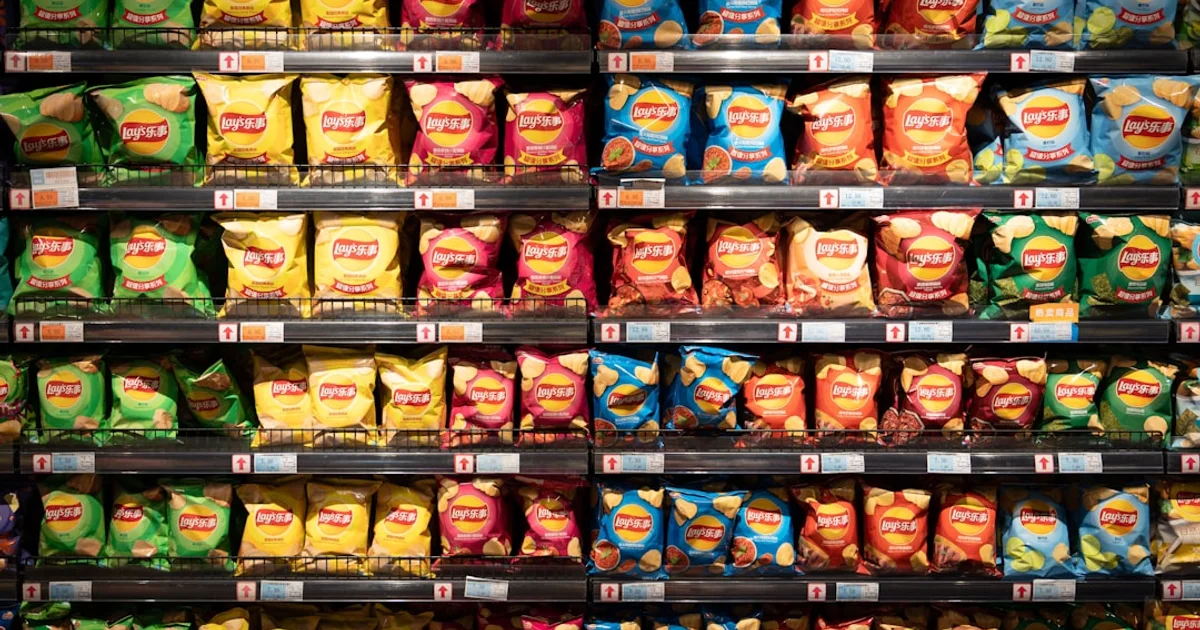
 Halal Snacks in Turkey: Why Ülker Has No Logo and Lay's Türkiye Has No Certificate (2026)
In Turkey halal is the default, not a label — so most domestic snacks carry no helal mark and are still fine. The exceptions worth checking: Frito-Lay's Turkish-made Lay's and Doritos publish no product-level certificate, and imported European snacks bring pork and gelatine with them.
 Shopping Guides
 Halal Snacks in Singapore: Calbee, Munchy's and the Country-of-Origin Trap (2026)
Calbee Singapore stock can be halal or not depending on which factory made it — Japan-made Calbee isn't halal-safe, but the Indonesian and Thai lines may carry local certification. Munchy's and Twisties are JAKIM-certified across the board.