
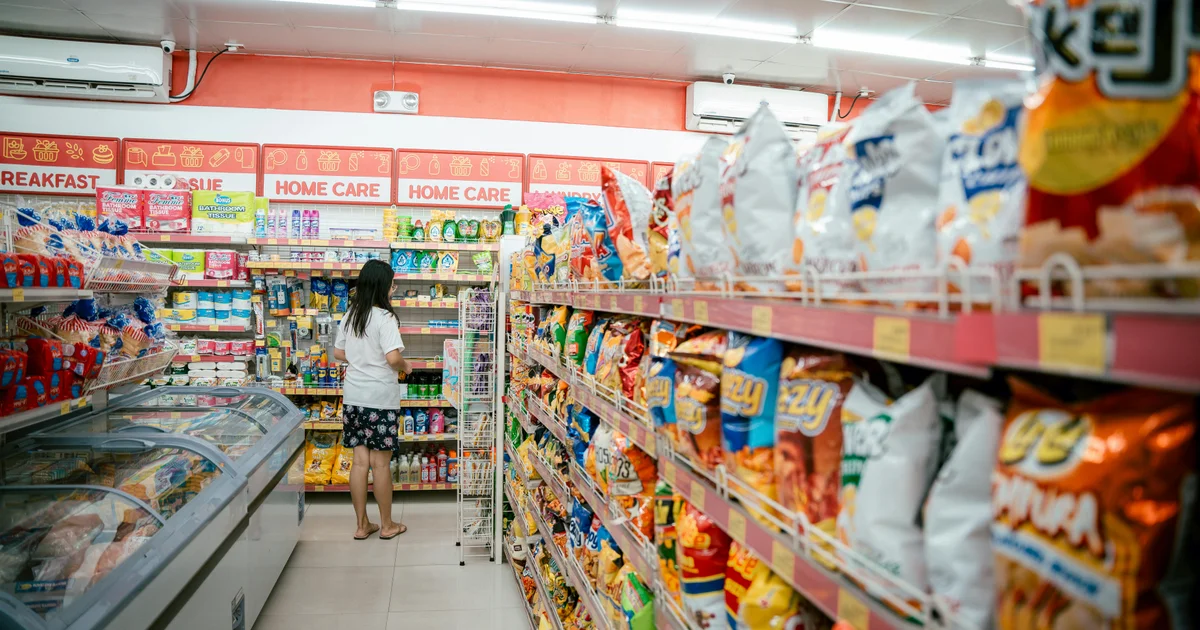
Canada is home to over 1.8 million Muslims — and the halal food market has grown to match. But between confusing certification logos, unrecognised E-codes, and ingredients that vary by manufacturer, knowing what is actually halal at a Canadian supermarket is harder than it should be.
This guide cuts through the noise. Here is exactly what to look for on a Canadian food label, which certification bodies to trust, and which E-codes are most likely to catch you off guard.
Halal Certification Bodies in Canada
Not all halal logos are equal. In Canada, the most recognised and rigorous certification organisations are:
| Organisation | Abbreviation | Notes |
|---|---|---|
| Islamic Society of North America (Canada) | ISNA Canada | Widely accepted; covers large food manufacturers |
| Halal Monitoring Authority | HMA | Strong presence in Ontario; restaurant and meat focus |
| Halal Transactions of Omaha | HTO | Accepted by many Canadian retailers |
| IFANCA | IFANCA | US-based but widely present in Canada |
| MAC (Muslim Association of Canada) | MAC | Community-level certification |
What to look for: A halal logo from any of the above organisations on the front or back of the package is the fastest verification. If you see a logo you do not recognise, search for the certifier name — fraudulent or inactive logos do appear on shelves.
E-Codes That Catch Canadian Shoppers Off Guard
Most E-codes are the same globally, but a few appear frequently in Canadian products and often cause confusion.
E622 — Monopotassium Glutamate (Mushbooh)
E622 is a flavour enhancer similar to MSG (E621). It is Mushbooh — usually produced from plant fermentation, but can come from yeast grown on animal media. The good news: in Canada and the US, most E622 is kosher certified, which generally meets halal requirements. Look for a “suitable for vegetarians” or kosher mark.
E471 — Mono and Diglycerides of Fatty Acids (Mushbooh)
E471 is one of the most common emulsifiers in Canadian baked goods, margarines, and dairy products. It is Mushbooh because the fat source is rarely declared. If the product carries a halal or vegetarian certification, E471 in that product is from plant fat.
E441 — Gelatine (Haram unless certified)
E441 is pork-derived unless the label specifically states “halal gelatine” or “beef gelatine” with halal certification. Common in Canadian gummy sweets, marshmallows, and some yoghurts. Always verify.
E120 — Cochineal / Carmine (Haram)
E120 is a red colouring derived from insects. It is Haram and appears in some Canadian fruit drinks, yoghurts, and sweets. Check the label — it may also appear as “carmine”, “natural red 4”, or “cochineal extract.”
E476 — Polyglycerol Polyricinoleate (Mushbooh)
E476 is common in Canadian chocolate products. It is usually plant-derived (castor oil) but is Mushbooh because glycerol can come from animal fat. Look for halal-certified chocolate brands.
How to Read a Canadian Food Label in 60 Seconds
- Check for a halal logo (front or back). If present from a recognised body, you are done.
- Scan the ingredient list for obvious red flags: gelatin, lard, carmine, rennet, alcohol.
- Look up any E-codes you do not recognise. Use the search box above or visit halalcodecheck.com/ecodes-database/.
- “Suitable for vegetarians” is a helpful indicator — it means no animal-derived ingredients, which rules out many Mushbooh E-codes. It is not a halal certificate, but it is a useful proxy.
- When in doubt, contact the manufacturer. Canadian manufacturers are generally responsive to halal enquiries.
Where to Shop Halal in Canada
National Retailers with Dedicated Halal Sections
- Loblaws / President’s Choice — PC brand has a growing range of halal-certified products, particularly in poultry and ready meals
- Metro — Halal meat counters in many Ontario and Quebec stores
- T&T Supermarket — Strong halal-certified Asian products; look for ISNA or IFANCA logos
- Walmart Canada — Carries halal-certified national brands; limited own-label halal range
- No Frills / FreshCo — Budget options; halal meat available at stores in areas with large Muslim communities
Specialist Halal Retailers
If you need reliably halal-certified meat and grocery staples, specialist halal grocers (common in Toronto, Ottawa, Montreal, Calgary, and Vancouver) are the most reliable option. Products sold here are typically certified by HMA or ISNA Canada.
The Biggest Misconception: Kosher ≠ Halal
Kosher food is sometimes used as a proxy for halal in Canada, especially for products where halal certification is hard to find. While kosher certification does ensure pork-free ingredients and proper slaughter for beef, there are key differences:
- Alcohol: Some kosher products contain alcohol (e.g., wine for cooking) — not halal.
- Seafood: Shellfish is not kosher but is debated in some halal schools of thought.
- Stun slaughter: Kosher stunning rules differ from halal requirements.
Kosher is a useful signal but not a substitute for halal certification.
Quick Reference: Common E-Codes to Check in Canada
| E-Code | Name | Status | Common Canadian Products |
|---|---|---|---|
| E120 | Carmine | Haram | Fruit drinks, yoghurt |
| E441 | Gelatine | Haram (unless certified) | Sweets, marshmallows, jellies |
| E471 | Mono & diglycerides | Mushbooh | Bread, margarine, ice cream |
| E476 | PGPR | Mushbooh | Chocolate |
| E622 | Monopotassium Glutamate | Mushbooh | Seasoning mixes, canned food |
| E415 | Xanthan Gum | Halal | Gluten-free products, dressings |
| E471 | Mono & diglycerides | Mushbooh | Baked goods |
Check Any E-Code Instantly
Shopping in Canada and unsure about an ingredient? Use the search box at the top of this page to check any E-code or ingredient name instantly.
Ingredients change. Be first to know.
Brands reformulate without warning. We track every E-code update and halal certification — one short weekly email.
Related Articles
 Shopping Guides
 Is Ritz Crackers Halal? Nabisco Ingredients Checked (2026)
Ritz Original Crackers are Mushbooh — they contain E471 (mono and diglycerides) with no animal source disclosure and no halal certification.
 Shopping Guides
 Is Milka Chocolate Halal? Complete EU & UK Guide (2026)
Milka chocolate is Mushbooh — it contains E476 (PGPR) and E471 with undisclosed animal fat sources and no halal certification in UK or EU.
 Shopping Guides
 Halal Shopping at Coles: Aisle-by-Aisle Australia Guide (2026)
Coles stocks halal-certified meat from accredited abattoirs but own-brand packaged goods require E-code checking — here's what to look for in each aisle.