
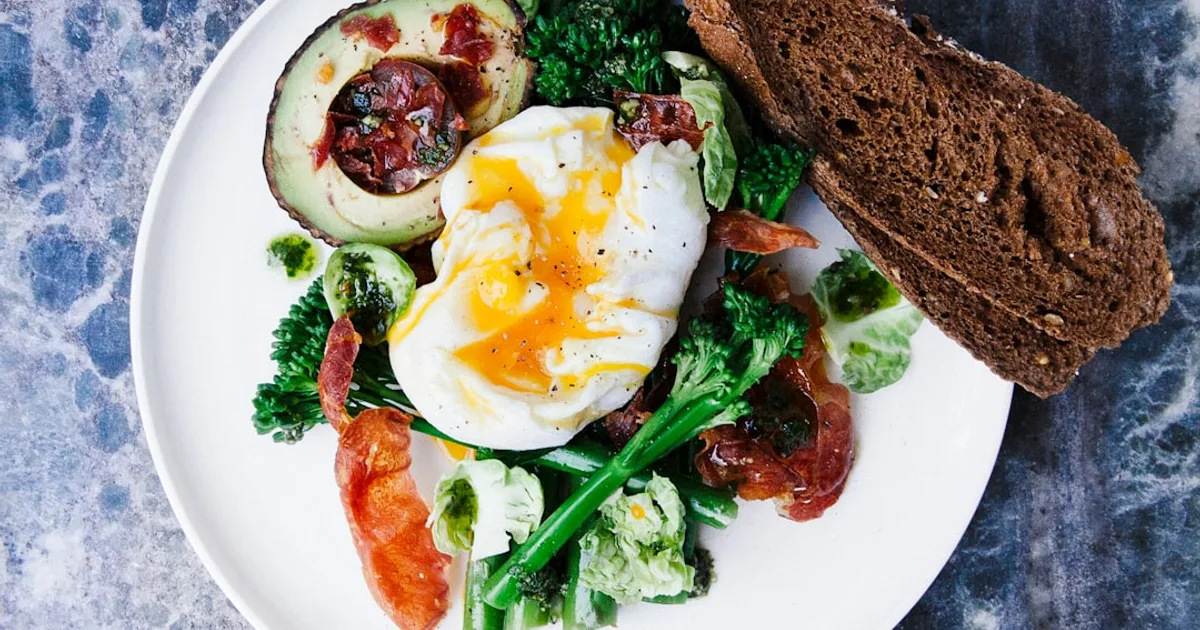
The biggest halal risk at breakfast is not the eggs or the toast — it is the bread improver hiding in your sliced loaf and the vitamin D3 sprayed onto your cereal. Most Muslims focus on meat at dinner but breakfast is where undeclared animal derivatives appear most often: L-cysteine in bread dough, animal-derived D3 in fortified cereals, carmine in some yogurts and juices, and gelatin in certain yogurt brands.
This guide covers every major breakfast category with specific brand verdicts, E-code flags, and practical swap options. Whether you are eating cereal and toast or cooking a full fry-up, you will know exactly what to check and what to buy.
Section 1: Cereals
The core concern — Vitamin D3 and E471
UK breakfast cereals are among the most heavily fortified foods on supermarket shelves. The two ingredients that trigger halal concerns are:
Vitamin D3 (cholecalciferol): Most mass-market cereals use lanolin-derived D3, extracted from sheep’s wool grease. Lanolin is a by-product of wool, not slaughter, so scholars differ on its permissibility. Under strict Hanafi criteria it is mushbooh. Vitamin D2 (ergocalciferol, from plant/fungal sources) is the halal-safe alternative and is used by some brands.
E471 (mono- and diglycerides of fatty acids): Used as a coating or texture agent in some cereals. Source is often undisclosed — may be animal fat derived.
Brand verdicts
| Brand / Product | D3 Source | E471 Present | Status |
|---|---|---|---|
| Kellogg’s Corn Flakes | Lanolin-derived D3 | No | Mushbooh |
| Kellogg’s Crunchy Nut | Lanolin-derived D3 | No | Mushbooh |
| Kellogg’s Rice Krispies | Lanolin-derived D3 | No | Mushbooh |
| Weetabix Original | Lanolin-derived D3 | No | Mushbooh |
| Quaker Oats (plain rolled oats) | No D3 | No | Halal |
| Quaker Oat So Simple (plain) | No added D3 | No | Halal |
| Jordans Country Crisp | No D3 stated | No | Halal |
| Dorset Cereals Muesli | No added vitamins | No | Halal |
| Nature’s Path Organic Flax Plus | Plant D2 | No | Halal |
| Aldi Harvest Morn Corn Flakes | Lanolin D3 likely | No | Mushbooh |
Practical advice: Plain rolled oats are the safest cereal option — they are naturally nutritious, require no vitamin fortification, and contain no E-codes. Brands like Quaker plain oats, Mornflake, and Nairn’s are clean. Porridge made from scratch with milk and a drizzle of honey is a solid halal breakfast with zero ambiguity.
If you prefer fortified cereals, look for D2 on the label or contact the manufacturer directly to confirm the D3 source.
Section 2: Bread and Toast
The two bread improver risks
UK bread production almost universally uses bread improvers — enzyme blends and processing aids that help dough rise faster, create a softer crumb, and extend shelf life. Two ingredients in these improvers cause halal concern:
E920 — L-cysteine: An amino acid used as a dough conditioner. It can be derived from:
- Human hair (collected from barber shops, predominantly in China and India)
- Duck or chicken feathers (hydrolysed feather meal)
- Synthetic fermentation (halal-safe)
UK labelling law does not require the source of E920 to be disclosed, so “E920” on a bread label gives no indication of whether it is from hair, feathers, or fermentation. The Vegetarian Society does not approve E920 from hair or feathers for its trademark, which is one indirect signal.
E471 — Mono- and diglycerides of fatty acids: Used as an emulsifier in bread to keep the crumb soft and moist. Source is typically undisclosed. May be animal-fat derived.
Enzymes: UK plant breads widely use enzymes (amylases, xylanases, lipases) as processing aids. These are not required to be declared on the label under EU/UK carry-over rules if they have no function in the finished product. Lipase — a fat-splitting enzyme — can be derived from pork pancreas. Most major UK bakers have moved to fungal or microbial enzyme sources, but disclosure is inconsistent.
Brand verdicts — sliced bread
| Brand / Product | E920 Present | E471 Present | Status |
|---|---|---|---|
| Warburtons Toastie White | Not listed | Not listed | Halal (no confirmed haram codes) |
| Warburtons Wholemeal | Not listed | Not listed | Halal |
| Hovis Soft White | Not listed | Not listed | Halal |
| Hovis Granary | Not listed | Not listed | Halal |
| Kingsmill 50/50 | Not listed | Not listed | Halal |
| Tesco Own Brand White | Not listed | Not listed | Halal |
| Sainsbury’s Taste the Difference Seeded | Not listed | Not listed | Halal |
| Roberts Bakery White | Not listed | Not listed | Halal |
| Genius Gluten Free White | Not listed | Not listed | Halal |
Important caveat: Absence of E920 on the label does not confirm the enzymes used were halal-sourced — it only means E920 was not used as a declared additive. For the strictest approach, contact the manufacturer or look for HMC/HFA or Vegetarian Society-approved bread.
Sourdough and artisan bread: Traditional sourdough uses only flour, water, salt, and a live starter culture. No bread improvers, no E-codes. Artisan sourdoughs from bakeries are typically the most reliably halal bread choice available in the UK.
Section 3: Spreads
Butter
Pure butter contains only cream and sometimes salt. No E-codes, no additives. Halal across all brands — Anchor, Kerrygold, President, Lurpak (unsalted), and all supermarket own-brand butters. This is the simplest and safest spread choice.
Margarine and spreads
Most UK margarines and dairy-free spreads contain E471, and some contain E322 (lecithin — usually soy-derived, occasionally from egg). The E471 source is almost never disclosed.
| Brand / Product | E471 Present | Notes | Status |
|---|---|---|---|
| Flora Original | Yes | Undisclosed source | Mushbooh |
| Flora Plant Butter | Yes | Claims plant-based | Halal (verify label) |
| Lurpak Spreadable | Yes | Butter blend with rapeseed oil | Mushbooh |
| Clover | Yes | Undisclosed source | Mushbooh |
| Anchor Spreadable | Yes | Undisclosed source | Mushbooh |
| Naturli Organic Vegan Butter | No E471 | All plant sources stated | Halal |
| Oatly Creamy Oat Spread | No E471 | All plant sources stated | Halal |
| Pure Sunflower Spread | Check label | Sometimes E471 free | Check label |
Summary: Use butter, or switch to a clearly vegan spread (Naturli, Oatly) that explicitly states plant sources for all ingredients.
Nut butters
100% nut butters (peanut, almond, cashew) with no added emulsifiers are halal. Watch for:
- Palm oil — halal but check brand ethics
- E471 in some flavoured or “smooth” varieties
| Brand / Product | Status |
|---|---|
| Meridian 100% Peanut Butter | Halal |
| Pip & Nut Almond Butter | Halal |
| Whole Earth Peanut Butter (smooth) | Halal |
| Sunpat Smooth Peanut Butter | Check — contains palm oil, verify E-codes |
Jams and preserves
Standard jam (fruit, sugar, pectin) is halal. The concern is E120 — carmine (cochineal), a red dye derived from crushed scale insects, used in some strawberry, raspberry, and cherry jams and conserves to enhance colour.
Check the label on:
- Premium strawberry conserves with deep red colour
- Raspberry jam (particularly budget lines)
- Any jam listing “colour (E120)” or “colour (cochineal)”
Most supermarket standard jams (Hartley’s, Robertson’s, Tesco own-brand) use no E120. Check the label to confirm.
Section 4: Eggs and Dairy
Eggs
All UK hen eggs — free-range, organic, barn, or standard — are inherently halal. No animal slaughter is involved in egg production. All UK eggs from all farms are halal. There is no halal certification requirement for eggs.
Exception: If an egg contains a blood spot (visually visible), Hanafi scholars advise discarding that egg or removing the spot, as blood is haram.
Milk
Pasteurised UK cow’s milk is halal. No animal-derived additives are used in plain whole, semi-skimmed, or skimmed milk. This applies to all brands — Arla, Cravendale, Yeo Valley organic, and all supermarket own-brand milks.
Plant milks: Oat milk (Oatly, Alpro), almond milk, soy milk, and coconut milk are all halal. Check added vitamin D source — some plant milks use lanolin D3.
Section 5: Yogurt
Yogurt warrants close attention at breakfast. Two concerns:
Gelatin (E441 or listed as “gelatine”): Used in some set yogurts and yogurt drinks to achieve a thicker texture. Most UK gelatin is pork-derived unless certified halal. Avoid any yogurt listing “gelatine” without a halal certification mark.
E120 — Carmine: Used in strawberry, raspberry, and cherry-flavoured yogurts for colour. An insect-derived dye — haram under all mainstream scholarly opinions.
| Brand / Product | Gelatin Present | E120 Present | Status |
|---|---|---|---|
| Muller Corner (strawberry) | No | Yes (check label) | Haram (if E120 confirmed) |
| Activia (plain) | No | No | Halal |
| Activia (strawberry flavour) | No | Check label | Check label |
| Yeo Valley Organic Natural | No | No | Halal |
| Total Greek Yoghurt (plain) | No | No | Halal |
| Onken Natural Set Yoghurt | No | No | Halal |
| Alpro Plain Soy Yogurt | No | No | Halal |
| Arla Skyr (plain) | No | No | Halal |
| Morrisons Fruit Corner (berry) | Check | Check E120 | Check label |
Safe choices: Plain, unflavoured yogurt from any major brand is almost always safe. For flavoured yogurt, check the E-code list carefully. Natural Greek yogurt with fresh fruit added at home is the cleanest option.
For a full yogurt audit with more brands, use the E-codes database to check E120 and E441 directly.
Section 6: Juice and Drinks
Fruit juice
Pure pressed fruit juice contains no additives and is halal. The concern arises in:
E120 — Carmine in juice drinks: Some blood orange, grapefruit, and berry-flavour juice drinks (not pure juices) use carmine for red/pink colour. This is most common in juice drinks, cordials, and smoothies rather than 100% pressed juices.
Alcohol in vanilla flavouring: Some breakfast drinks and flavoured milks list “natural flavouring” which may include vanilla extract with an alcohol carrier. In very small quantities this is considered permissible by many scholars (trace ethanol from natural fermentation of vanilla), but strict Hanafi opinion avoids it.
| Product | Concern | Status |
|---|---|---|
| Tropicana Pure Orange | None | Halal |
| Innocent Orange Juice | None | Halal |
| Copella Apple Juice | None | Halal |
| Ribena Blackcurrant (ready to drink) | Check label for colours | Halal (no E120) |
| Robinsons Fruit Shoot (raspberry) | Check E120 | Check label |
| Innocent Blood Orange Smoothie | Check E120 | Check label |
| Frijj Strawberry Milkshake | Check E120 and E471 | Mushbooh |
Tea and coffee: Both are halal. Be cautious with flavoured syrups (caramel, vanilla) in coffee shops — these sometimes contain alcohol-based flavour extracts.
Section 7: Cooked Breakfast
The full English breakfast is where the halal stakes are highest. Most items are safe, but pork is the obvious issue.
What to avoid outright
- Pork sausages — haram (pork flesh)
- Bacon and back rashers — haram (pork)
- Black pudding — haram (pork blood and fat)
- Lard-fried bread — haram if cooked in lard (pig fat)
Halal alternatives
Sausages: Look for HMC-certified beef or lamb sausages. Brands available in UK supermarkets:
- Heck Chicken Sausages (check for HMC or halal label)
- Morrisons Halal Beef Sausages
- Iceland Halal Beef Sausages
- Local halal butcher sausages (most reliable)
Avoid “pork-free” labelling without halal certification — cross-contamination and non-halal slaughter are still possible concerns.
Bacon alternatives:
- Halal beef rashers (widely available in halal butchers and some supermarkets)
- Turkey rashers with halal certification
- Quorn bacon-style rashers (vegetarian — no meat concerns)
Hash browns: Most supermarket frozen hash browns are potato, oil, and starch — no haram E-codes. McCain Hash Browns list: potatoes, sunflower oil, modified starch, salt, dextrose. Halal. Check own-brand variants for E471.
| Cooked Breakfast Item | Status | Notes |
|---|---|---|
| Eggs (fried, scrambled, poached) | Halal | No additives |
| Halal beef sausages (HMC) | Halal | Must be certified |
| Pork sausages | Haram | Contains pork |
| Bacon / back bacon | Haram | Pork |
| Turkey rashers (halal cert) | Halal | Confirm slaughter |
| Beef rashers (halal butcher) | Halal | Confirm slaughter |
| Black pudding | Haram | Pork blood |
| Mushrooms (fresh, pan-fried) | Halal | No concerns |
| Baked beans (Heinz) | Halal | No haram codes |
| McCain Hash Browns | Halal | Check own-brand |
| Toast with butter | Halal | Use pure butter |
| Tomatoes (grilled or fresh) | Halal | No concerns |
Heinz Baked Beans ingredients: navy beans, tomato paste, water, sugar, spirit vinegar, salt, modified cornflour, spice extracts, herb extract. No haram additives. Halal.
Quick-Reference Summary Table
| Food Category | What to Check | Safe Option |
|---|---|---|
| Cereal | D3 source (lanolin vs plant D2), E471 | Plain oats, Quaker plain, Dorset Muesli |
| Bread | E920 (L-cysteine source), E471, enzymes | Sourdough, Warburtons, Hovis |
| Butter | Nothing — pure butter is halal | Any pure butter (Anchor, Kerrygold) |
| Margarine | E471 undisclosed source | Naturli Vegan Butter, Oatly Spread |
| Jam | E120 (carmine) in red/pink jams | Hartley’s, Robertson’s (plain flavours) |
| Eggs | Blood spots (remove if present) | All UK eggs — halal |
| Milk | D3 in plant milks | Dairy milk, or check plant milk D source |
| Yogurt | Gelatin (E441), E120 in fruit flavours | Plain Yeo Valley, Total Greek, Arla Skyr |
| Juice | E120 in berry/blood orange drinks | Pure pressed fruit juice (Tropicana, Copella) |
| Sausages | Pork — haram; non-certified halal — risky | HMC-certified beef/lamb sausages |
| Hash browns | E471 in some own-brand | McCain, or check own-brand label |
| Baked beans | No concern | Heinz Baked Beans |
How we reached this verdict
Our halal status assessments for breakfast products are based on:
-
Label analysis: Reviewing current ingredient lists from UK supermarket websites and manufacturer product pages (Tesco, Sainsbury’s, ASDA, Morrisons, Waitrose).
-
E-code database cross-reference: Each E-code is checked against our database of 372+ codes with source and status information.
-
Manufacturer contact: Where E-code sources are ambiguous (particularly D3 and E471), we note the ambiguity rather than guess. Where manufacturers have publicly confirmed plant sources, we reflect that.
-
Certification body data: HMC (Halal Monitoring Committee), HFA (Halal Food Authority), and Vegetarian Society approvals are used as secondary signals for ingredient source.
-
Scholar consensus: We apply mainstream Sunni Hanafi scholarly positions as our primary benchmark, noting where other madhabs differ.
Formulations change. Always check the current label before purchasing.
Madhab note
This guide applies mainstream Sunni Hanafi criteria, which is the dominant standard in the UK Muslim community and the basis for most UK halal certification bodies including HMC and HFA.
D3 (lanolin-derived): Hanafi-strict — mushbooh, as lanolin involves secretion from a living animal and its status as a by-product is debated. Maliki and Shafi’i opinions may be more permissive. Many scholars consider wool-derived products permissible if the animal was not harmed.
E471 (undisclosed source): Mushbooh under all madhabs when source is unknown. If confirmed plant-derived, it is halal under all schools.
E920 (L-cysteine from hair): Human hair is najis (impure) under Hanafi opinion — haram. Duck feather-derived is debated. Synthetic fermentation-derived is halal. Since the source is rarely labelled, E920 is treated as mushbooh in this guide.
Insect-derived colours (E120): Haram under all mainstream Sunni madhabs. This is one of the clearest forbidden additives in food.
If you follow a different madhab, some mushbooh items above may be permissible for you. Consult your local scholar for specific rulings.
Final verdict
A clean halal breakfast is straightforward once you know what to look for:
- Oats over fortified cereals
- Sourdough or Warburtons/Hovis over unknown artisan bread
- Butter over margarine (or Naturli/Oatly if dairy-free)
- Plain yogurt over flavoured (or verify E-codes on flavoured)
- Pure pressed juice over juice drinks
- HMC-certified sausages for cooked breakfast
- Heinz beans, McCain hash browns, eggs, mushrooms — all clean
The hardest items to verify remain fortified cereals (D3 source) and sliced bread (enzyme sources). When in doubt, switch to unfortified oats and sourdough and your breakfast becomes one of the easiest halal meals of the day.
Use the E-codes database to look up any E-code you find on a label. Scan a full ingredient list with the ingredient scanner to check an entire product at once.
Ingredients change. Be first to know.
Brands reformulate without warning. We track every E-code update and halal certification — one short weekly email.
Related Articles
 Shopping Guides
 UK Breakfast Cereals: Full Halal Audit (2026)
We checked every major UK breakfast cereal for vitamin D3, E471, and natural flavours. Weetabix, Kellogg's, Nestlé, Quaker and own-brand — full results table.
 Shopping Guides
 The Complete Guide to Halal Crisps and Savoury Snacks (2026)
Every snack category covered: potato crisps, Doritos, Pringles, popcorn, rice cakes, nuts and crackers. Brand verdicts across Walkers, Tyrells, Kettle, Doritos, Cheetos, Pringles, Popchips and more.
 Shopping Guides
 The Complete Guide to Halal Chocolate: Bars, Hot Chocolate, Baking and Spread (2026)
E476 (PGPR), E471, and vanilla extract with alcohol are the three chocolate concerns. Every format covered: chocolate bars, hot chocolate, baking, Nutella alternatives, and white chocolate.