
E631 is in your Doritos. It’s in your Pringles Sour Cream & Onion. It’s in most flavoured Walkers crisps. And it is almost certainly derived from pork. One additive — disodium inosinate — is responsible for more halal snack failures than any other single ingredient in the UK market. Once you know what to look for, navigating the crisp aisle becomes significantly less stressful.
The short answer: plain, unflavoured crisps and snacks are almost always halal. The moment flavourings are added — cheese, sour cream, barbecue, beef, chicken — the risk of E631, E627 (disodium guanylate), or undeclared animal-derived flavour components rises sharply. This guide works through every major snack category and gives you clear, specific verdicts.
Section 1: Potato Crisps — The Flavour Problem
Plain salted potato crisps are among the simplest, cleanest snack foods you can eat. The ingredients are typically: potatoes, sunflower oil, salt. Nothing to check. Every major UK brand — Walkers, Tyrells, Kettle, Lay’s, Pringles Original — produces a plain variant that is halal-suitable.
The trouble starts with flavourings.
E631 and E627: the two codes to memorise
E631 (disodium inosinate) is a flavour enhancer produced by hydrolysing animal tissue — most commonly pork, but also from fish. It amplifies savoury, umami taste and is used extensively in flavoured crisps, seasoning mixes, and instant noodles. In the UK and EU, E631 does not have to specify its source on the label. You see “E631” and nothing more.
E627 (disodium guanylate) is a companion enhancer, almost always used alongside E631. Where you see one, you usually see both. E627 can be derived from yeast, fish, or other animal sources. Again, no source declaration is required.
These two codes still appear in many strongly flavoured crisps, seasoning mixes, and instant noodles — but not everywhere older guides claim. Walkers is the notable improvement: the current core range (Cheese & Onion included) lists no E631, E627, or MSG and is vegetarian-labelled across all core flavours (verified against walkers.co.uk, August 2026). The label check still matters, because other brands and imports do use these enhancers.
Brand-by-brand verdict: potato crisps
| Brand / Variant | Status | E631 Present? |
|---|---|---|
| Walkers Ready Salted | Halal | No |
| Walkers Cheese & Onion | Halal-suitable | No — current recipe is vegetarian-labelled, milk-based seasoning |
| Walkers Salt & Vinegar | Halal-suitable | No — yeast extract, vegetarian-labelled |
| Walkers Prawn Cocktail | Halal-suitable | No — vegetarian-labelled, no actual prawn |
| Tyrells Lightly Sea Salted | Halal | No |
| Tyrells Mature Cheddar & Chive | Halal-suitable | No — vegetarian-labelled, dairy seasoning (rennet unstated) |
| Kettle Chips Lightly Salted (Sea Salt) | Halal | No — vegan-labelled |
| Kettle Chips Mature Cheddar & Red Onion | Halal-suitable | No — vegetarian-labelled, dairy seasoning (rennet unstated) |
| Kettle Chips Sea Salt & Balsamic Vinegar | Halal-suitable | No — vegan-labelled; balsamic (wine-derived) vinegar is halal via istihala under the mainstream view |
| Lay’s (imported) | Check per flavour | Some import flavours list E621/E635 |
| Hula Hoops Original | Halal | No |
| Hula Hoops BBQ Beef | Mushbooh/Haram | Check |
| McCoy’s Flame Grilled Steak | Varies by standard | No E631 — contains E621 + E627, but vegetarian-labelled and meat-free (mainstream: acceptable; strict: mushbooh) |
| McCoy’s Salt & Malt Vinegar | Halal-suitable | No — yeast extract only, vegetarian-labelled |
Rule of thumb for potato crisps: plain/salted = halal. Any flavour involving cheese, beef, chicken, sour cream, or “meaty” seasoning = check for E631 before eating.
Neither Walkers, KP, nor Kettle carries HMC (Halal Monitoring Committee) or HFA (Halal Food Authority) certification for their mainstream crisp lines. Tyrells and Kettle are premium brands with slightly cleaner formulations, but they are still not certified halal.
Section 2: Corn Snacks and Tortilla Chips
The E631 problem is even more pronounced in corn-based snacks. Tortilla chips and corn puffs rely heavily on flavour enhancers because the corn base itself contributes little savouriness.
Doritos
Doritos are owned by PepsiCo (Frito-Lay). The plain/Lightly Salted variant does not contain E631. Nearly every other flavour does.
| Doritos Flavour | Status |
|---|---|
| Lightly Salted | Halal |
| Cool Original | Mushbooh/Haram — contains E631 |
| Chilli Heatwave | Mushbooh/Haram — contains E631 |
| Tangy Cheese | Mushbooh/Haram — contains E631 |
| Sweet Chilli | Mushbooh/Haram — contains E631 |
| Hint of Lime (where available) | Check — formulation varies |
The pattern is consistent: Cool Original is the most-consumed Doritos flavour in the UK, and it contains E631. Many Muslim consumers assume “original” means plain and therefore safe — it does not. Cool Original is a flavoured product with a seasoning blend that includes E631.
Cheetos
Cheetos cheese puffs rely on cheese powder and flavour enhancers for their characteristic taste. Most Cheetos variants sold in the UK contain E631 in the cheese seasoning. The Flamin’ Hot variants add additional complexity — check each label carefully as formulations differ by market.
| Cheetos Variant | Status |
|---|---|
| Crunchy (standard cheese) | Mushbooh/Haram — E631 in cheese seasoning |
| Flamin’ Hot | Mushbooh — check current label |
| Puffs | Mushbooh/Haram — E631 in cheese seasoning |
Takis
Takis (Barcel, popular in UK corner shops) use intense chilli and lime seasonings. E631 appears in several Takis flavours including Fuego and Nitro. Barcel does not provide halal certification for UK-market Takis.
Popchips
Popchips uses a popped (not fried) process and generally cleaner ingredient lists than traditional fried crisps. However, flavoured varieties should still be checked per packet.
| Popchips Variant | Status |
|---|---|
| Sea Salt | Halal |
| Sour Cream & Onion | Check — E631 risk |
| Barbeque | Check — E631 risk |
| Cheese | Check — E631 risk |
Section 3: Pringles
Pringles deserves its own section because it is sold in virtually every UK convenience store and is among the most commonly asked-about snack brands.
Pringles is owned by Kellogg’s (now Kellanova). Pringles Original is vegan-labelled with no flavour enhancers — halal. Every flavoured UK variety we verified (against Ocado/Waitrose labels, August 2026) contains E621 with E627/E631 or E635 — but every one also carries a suitable-for-vegetarians label, so the verdict depends on your standard: acceptable under the mainstream view, mushbooh under the strict view.
| Pringles Flavour | Status |
|---|---|
| Original | Halal — vegan-labelled, no enhancers |
| Sour Cream & Onion | Mushbooh (strict) — E621/E627/E631, vegetarian-labelled |
| Cheese & Onion | Mushbooh (strict) — E621/E635, vegetarian-labelled |
| Salt & Vinegar | Mushbooh (strict) — E621/E627/E631, vegetarian-labelled |
| Paprika | Mushbooh (strict) — E621/E627/E631, vegetarian-labelled |
| Texas BBQ | Mushbooh (strict) — E621/E635, vegetarian-labelled |
| Smokey Bacon | Mushbooh (strict) — E621/E627/E631; no pork — imitation flavour, vegetarian-labelled |
| Prawn Cocktail | Mushbooh (strict) — E635; no actual prawn, vegetarian-labelled |
Contrary to older guides (including an earlier version of this one), UK Smokey Bacon Pringles contain no pork — the label is vegetarian and the bacon taste is an imitation flavour. See the full breakdown in Is Pringles halal? Every flavour checked.
Section 4: Rice Cakes and Corn Cakes
Rice cakes and corn cakes (Kallo, Quaker, own-brand) are among the safest snack options for Muslim consumers. The base product is almost always just rice or corn, water, and salt. Plain varieties from all major UK brands are halal.
Flavoured rice cakes introduce the same risks as flavoured crisps, but to a lesser degree because the seasoning is typically lighter. Cheese-flavoured and caramel-flavoured rice cakes are common.
| Rice Cake Variant | Status |
|---|---|
| Kallo Plain (any base) | Halal |
| Kallo Lightly Salted | Halal |
| Quaker Oat Cakes (plain) | Halal |
| Quaker Rice Cakes Caramel | Halal — sugar-based flavouring |
| Quaker Rice Cakes Cheese | Check — E631 risk in cheese seasoning |
| Snack-a-Jacks Sour Cream & Chive | Check — flavour enhancer risk |
| Snack-a-Jacks Salt & Vinegar | Generally Halal — verify label |
If you are looking for the lowest-risk savoury snack, a plain salted rice cake or corn cake is your safest bet across any UK supermarket.
Section 5: Popcorn
Popcorn is largely a halal-safe category, with one specific exception.
Plain popped corn (home-made or minimally processed) is halal. The concern arises with flavourings and butter substitutes used in pre-packaged and cinema popcorn.
Sweet popcorn
Sugar-coated and toffee popcorn is generally halal. Standard toffee popcorn (as sold by Metcalfe’s, Tyrrells, and supermarket own-brands) uses sugar, glucose syrup, butter, and salt. Butter used in UK popcorn brands is dairy (not animal-fat derived) and poses no halal concern — dairy butter is halal in all mainstream Sunni schools.
Butter-flavoured and cinema popcorn
Cinema-style microwave popcorn and “butter flavour” popcorn use butter flavouring compounds rather than real butter. These flavouring compounds may use alcohol as a solvent carrier. Propercorn’s Sweet & Salty and Lightly Sea Salted variants are generally considered halal-suitable. Cinema popcorn sold at Vue, Odeon, and Cineworld uses butter-flavoured oil — the specific solvent used is not publicly disclosed by most chains.
Cheese-flavoured popcorn
This is where the E631 risk re-emerges. Cheese-flavoured popcorn — particularly microwave varieties and snack pouches — uses the same cheese seasoning blends as flavoured crisps. Check for E631 on any cheese popcorn label.
| Popcorn Product | Status |
|---|---|
| Propercorn Lightly Sea Salted | Halal |
| Propercorn Sweet & Salty | Halal |
| Propercorn Fiery Worcester Sauce | Check — complex flavouring |
| Metcalfe’s Sweet & Salty | Halal |
| Act II Butter Lovers (microwave) | Check — butter flavouring solvent |
| Butterkist Toffee | Halal |
| Butterkist Sweet & Salty | Halal |
| Cheese-flavoured popcorn (any brand) | Mushbooh — check for E631 |
Section 6: Nuts and Trail Mixes
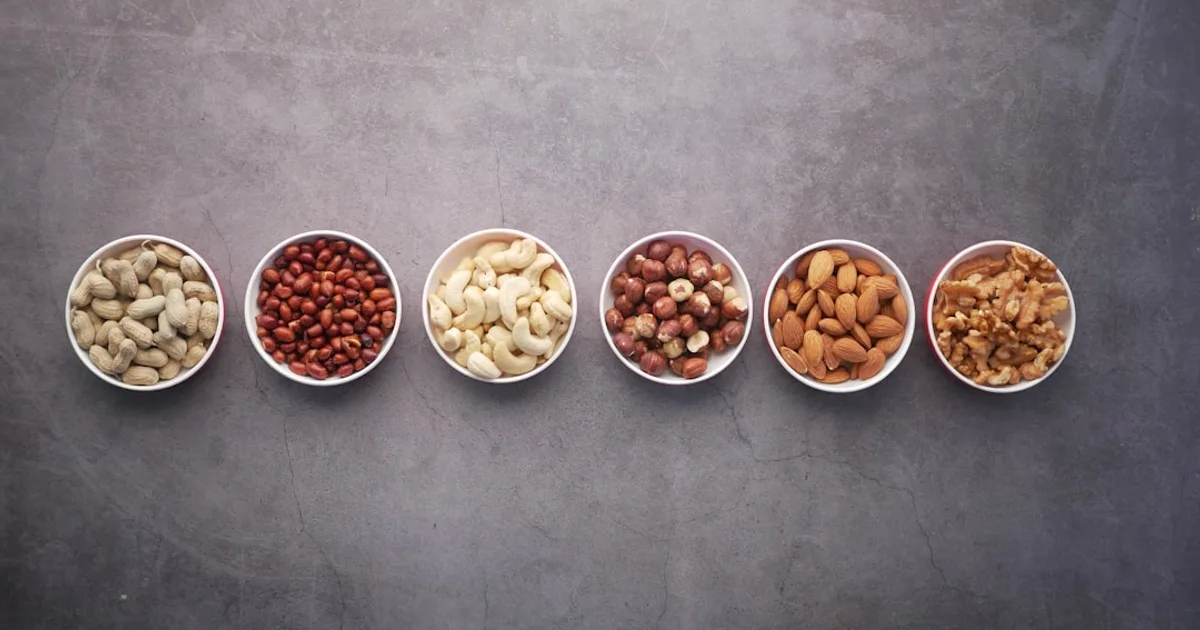
Plain salted nuts are unambiguously halal. Peanuts, cashews, almonds, pistachios, and mixed nuts with only salt added are safe across all major UK brands (KP, Tesco, Waitrose own-brand, M&S, etc.).
The concern with nuts arises from coating and flavouring:
Honey-roasted nuts: Honey itself is halal. The risk with honey-roasted nuts is the use of flavouring compounds to create or enhance honey taste. If “flavouring” or “natural flavouring” is listed alongside honey, the solvent carrier may be alcohol-based. This is a lower-risk concern than E631, but relevant for stricter observance.
Dry-roasted nuts: Dry-roasted peanuts (KP Dry Roasted) contain flavourings including E621 (monosodium glutamate — halal), E627, and E631. KP Dry Roasted Peanuts contain E631 and are therefore mushbooh.
Trail mixes: Trail mixes combining nuts with dried fruit, seeds, and chocolate buttons are generally halal, but check any chocolate component for emulsifiers (E471 — may be animal-derived) and gelatine in yoghurt-coated varieties.
| Nut Product | Status |
|---|---|
| KP Salted Peanuts | Halal |
| KP Dry Roasted Peanuts | Mushbooh/Haram — E631 present |
| KP Honey Roasted Peanuts | Check — flavouring type |
| Planters Salted Mixed Nuts | Halal |
| Tesco/Sainsbury’s own-brand salted mixed nuts | Halal |
| Nakd Trail Mixes (fruit and nut) | Halal |
| Whitworths mixed nuts with dried fruit | Halal |
Section 7: Crackers and Breadsticks
Crackers and breadsticks are generally a safe snack category. The ingredients in plain crackers — flour, oil, salt, yeast — are all halal.
Ritz Crackers are the one exception that frequently comes up. Ritz uses E471 (mono- and diglycerides of fatty acids) as an emulsifier. E471 may be animal-derived (including pork) or plant-derived. Mondelez (who makes Ritz) does not specify the source on the label, and does not carry HMC or HFA certification for Ritz crackers. This makes Ritz crackers mushbooh under a strict reading — the E471 source is unknown.
| Cracker / Breadstick | Status |
|---|---|
| Jacob’s Cream Crackers | Halal — clean ingredient list |
| Ritz Original | Mushbooh — E471 source undeclared |
| Ritz Cheese Flavour | Mushbooh — E471 + flavour enhancer risk |
| Grissini Breadsticks (Asda, Tesco own-brand) | Halal |
| Carr’s Table Water Biscuits | Halal |
| Hovis Digestive Crackers | Halal |
| Ryvita Original | Halal |
| Finn Crisp | Halal |
Supermarket Own-Brand Comparison
| Retailer | Own-Brand Crisps Certification | Plain Variants | Flavoured Variants |
|---|---|---|---|
| Tesco | None | Generally Halal | Check for E631 |
| Sainsbury’s | None | Generally Halal | Check for E631 |
| Asda | None | Generally Halal | Check for E631 |
| Morrisons | None | Generally Halal | Check for E631 |
| M&S | None | Generally Halal | Check for E631 |
| Lidl (Harvest Snacks) | None | Generally Halal | Check for E631 |
| Aldi (Snackrite) | None | Generally Halal | Check for E631 |
| Iceland | None | Generally Halal | Check for E631 |
No major UK supermarket carries halal certification for their own-brand crisp and snack lines. All must be checked individually by label.
How we reached this verdict
Our analysis is based on:
- Ingredient label review — physical packaging and manufacturer websites (checked June 2026)
- E-code source research — cross-referencing published databases on E-number animal derivation, including the European Food Safety Authority (EFSA) database and Islamic Food and Nutrition Council of America (IFANCA) guidance
- Certification body lists — HMC (halalmc.org) and HFA (halalfoodauthority.com) certified product registers
- Manufacturer responses — where manufacturers have publicly disclosed ingredient sources
E631 (disodium inosinate) is the single most important flag in savoury snacks. It is commercially produced primarily through the hydrolysis of meat (typically pork) or fish. While a yeast-derived route exists, it is not the default industrial process. Without halal certification from a recognised body, E631 must be treated as mushbooh at minimum and haram under strict application.
E627 (disodium guanylate) carries the same concern. E471 (mono- and diglycerides of fatty acids) is the secondary concern in crackers and biscuits — source is almost never disclosed.
Madhab note
This verdict applies mainstream Sunni Hanafi methodology, which is the dominant framework used by UK Muslim consumer organisations including HMC and HFA.
Hanafi position on E631: The default ruling is that pork-derived additives remain haram regardless of processing (the principle of istihalah — transformation — does not apply here because E631 is not chemically transformed to a degree that removes its original najis nature under Hanafi fiqh). E631 from pork is haram.
Maliki, Shafi’i, Hanbali: Similar conclusions. Pork-derived additives are impermissible; fish-derived E631 would be halal but the source is not disclosed.
Where there is genuine doubt (mushbooh): If the source of E631 is not confirmed as pork — for example, in products where the manufacturer states fish or yeast derivation — the ruling shifts to mushbooh. In such cases, individual Muslims may exercise caution based on their own madhab and scholarly guidance.
For the products listed in this guide, where E631 is present and no halal certification exists, we apply the label Mushbooh/Haram to reflect this uncertainty while erring on the side of caution.
Quick-Reference Summary
| Question | Answer |
|---|---|
| Are plain/salted crisps halal? | Yes — all major UK brands |
| Are flavoured crisps halal? | Check for E631 — most are not |
| Are Doritos halal? | Lightly Salted only |
| Are Pringles halal? | Original only |
| Are Walkers crisps halal? | Ready Salted only; most flavours contain E631 |
| Is Hula Hoops Original halal? | Yes |
| Is popcorn halal? | Plain, sweet, butter — yes. Cheese-flavoured — check E631 |
| Are plain salted nuts halal? | Yes |
| Are KP Dry Roasted nuts halal? | No — contains E631 |
| Are Jacob’s Cream Crackers halal? | Yes |
| Are Ritz crackers halal? | Mushbooh — E471 source undeclared |
| Which rice cakes are safe? | All plain varieties |
If this guide has just ruled out most of what you actually reach for, our UK pillar guide lists the certified savoury alternatives we’d point you to instead — Snapdown’s zabiha jerky and halal-labelled Shin Ramyun Black. Be warned that nothing on it is a bag of crisps — the certified options in this category simply do not exist yet. Treat that list as a replacement for the flavoured-packet habit, not a like-for-like swap.
What to Do Next
The single most useful habit you can develop when buying crisps and snacks is scanning the additives section of the label before the main ingredients. If you see E631 or E627, put it back. If you see E471, check whether it sits alongside a halal certification mark.
Use the E-codes database to look up any E-code you are unsure about — it covers all 370+ codes with halal status, source information, and usage context.
If you have a full ingredient list in front of you, use the ingredient scanner to analyse it in seconds — paste or photograph the label and get an instant verdict.
Ingredients change. Be first to know.
Brands reformulate without warning. We track every E-code update and halal certification — one short weekly email.
Related Articles
 Shopping Guides
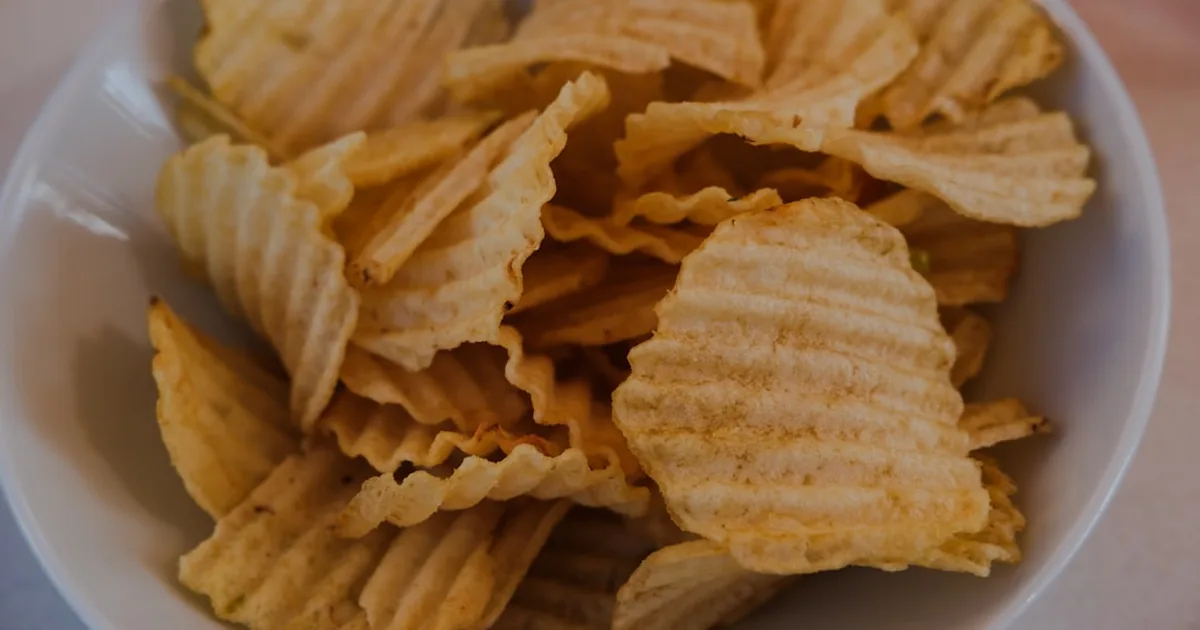
 Is Pringles Halal? Every Flavour Checked by Region (2026)
Pringles Original is halal and vegan-labelled. Every flavoured UK variety we verified contains E621 with E627/E631 or E635 — but all carry vegetarian labels. Flavour-by-flavour table for UK, US and certified Gulf/Malaysian versions.
 Shopping Guides
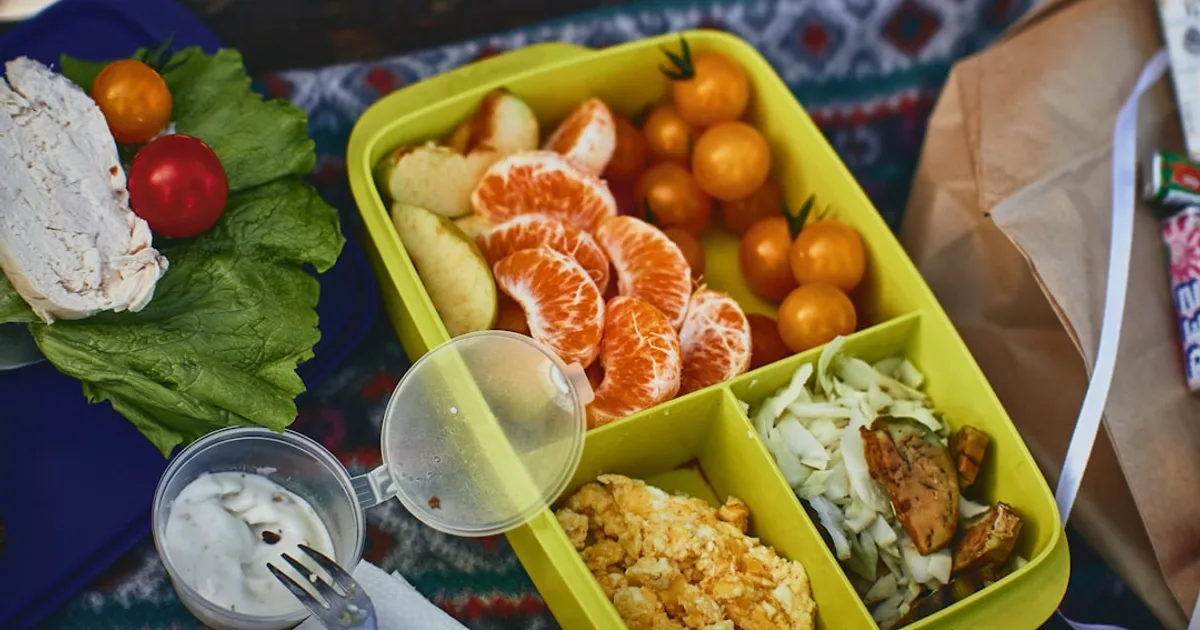
 Halal Lunchbox Guide for Muslim Kids at UK Schools (2026)
Flavoured crisps, yogurt tubes, gummy snacks and cereal bars hide haram ingredients. Aisle-by-aisle guide to halal-safe lunchbox staples, with branded alternatives per category.
 Shopping Guides
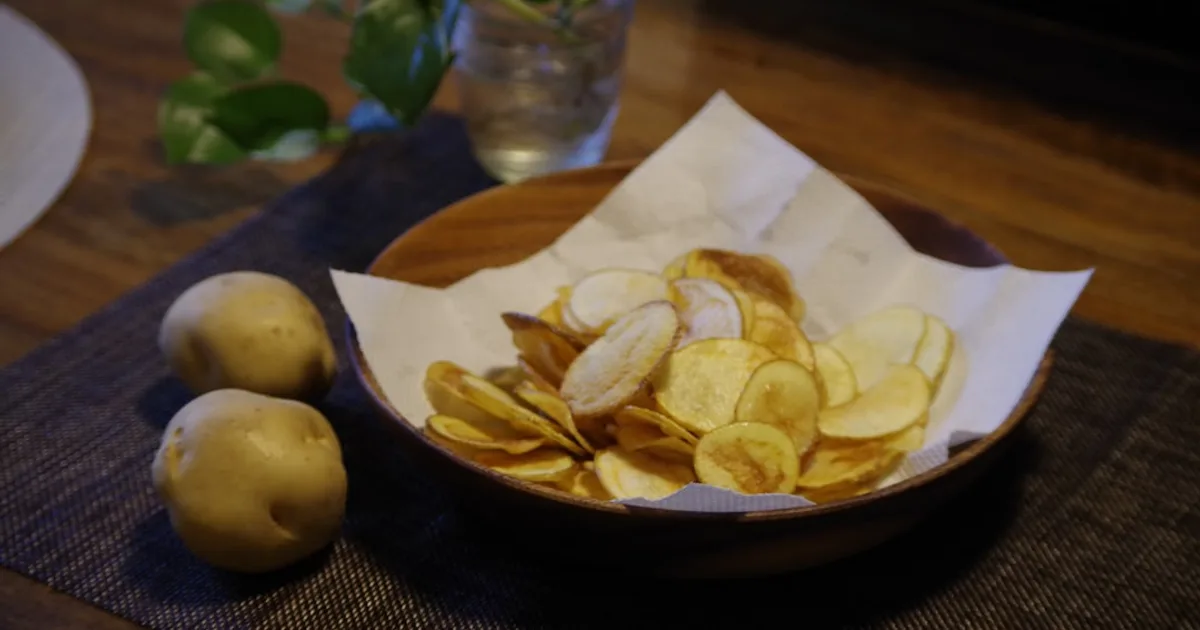
 Which Crisp Flavours Are Haram? UK Brand-by-Brand Guide (2026)
We verified 30+ UK crisp flavours against current official labels. Fewer are haram than you think — Walkers is now enhancer-free, but flavoured Pringles still use E631/E635. Full brand guide: Walkers, Pringles, Tyrrells, Kettle, McCoy's.