
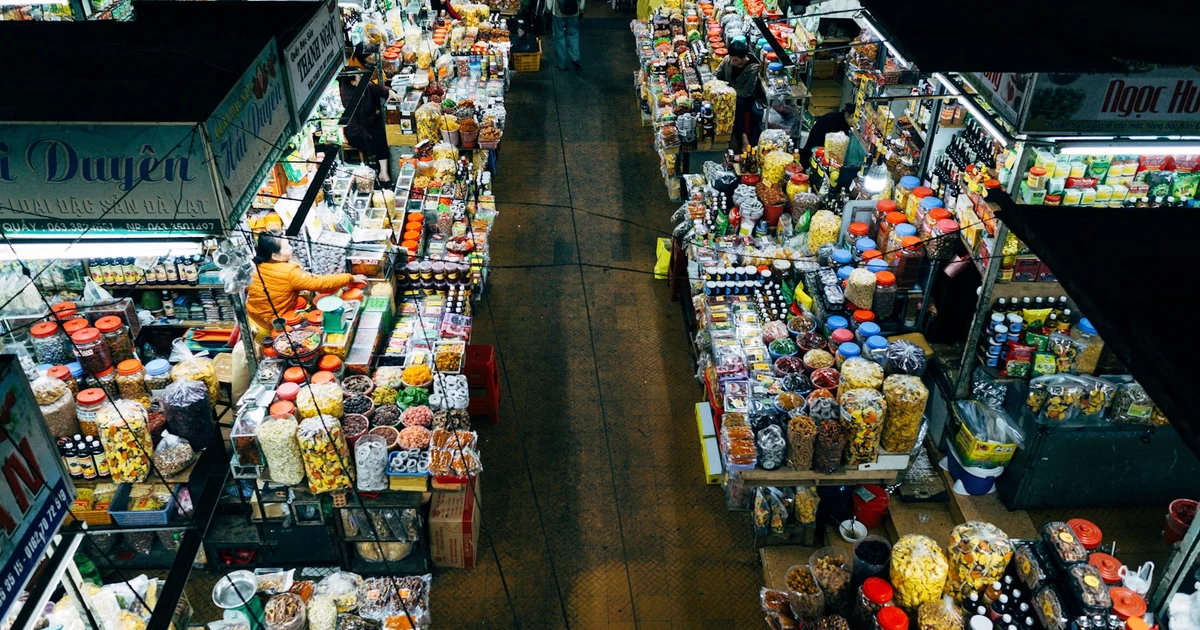
The direct answer: Sainsbury’s stocks halal-certified meat in selected stores, and the World Foods aisle is your most reliable source of certified products across the store — but there is no blanket halal policy. You need to check every label.
Sainsbury’s is one of the UK’s most widely used supermarkets for Muslim shoppers, thanks to its broad World Foods range and halal meat sections in many stores. The challenge is that halal-certified and non-certified products sit side by side without consistent signposting. This guide gives you a section-by-section breakdown of what to look for, which E-codes to avoid, and how to verify quickly at the shelf.
Does Sainsbury’s Sell Halal Meat?
Larger Sainsbury’s stores — particularly in areas with significant Muslim communities — stock halal-certified fresh meat. You will find halal-certified chicken, lamb, and sometimes beef either in a dedicated halal section or clearly labelled within the main meat aisle.
What to look for on the pack:
- HMC logo (Halal Monitoring Committee) — the stricter of the two main UK certification bodies; requires hand slaughter
- HFA logo (Halal Food Authority) — widely recognised UK certification; permits mechanical slaughter with conditions
The differences between the two bodies are real — HMC vs HFA breaks them down — and our supermarket halal meat comparison shows where Sainsbury’s sits against Tesco, Asda and Morrisons.
Important distinctions:
- “Suitable for halal diet” is not the same as halal certified. This phrase indicates the product contains no explicitly haram ingredients, but does not confirm an audit, certification, or halal slaughter method. Look for the HMC or HFA logo specifically.
- Sainsbury’s “Taste the Difference” range — check individually. Some premium meat products carry halal certification; the premium branding alone means nothing.
- Sainsbury’s standard own-brand chicken and lamb — may carry HMC certification in stores with a halal meat section. The label will show the certification mark if certified.
If your local Sainsbury’s does not have a dedicated halal section, the standard meat aisle products are unlikely to be halal certified.
Which Aisles Have Halal Products?
Beyond the meat section, halal-certified products are concentrated in two key areas:
World Foods aisle: This is the single most reliable section for halal-certified products in Sainsbury’s. You will find:
- Halal-certified cooking sauces, pastes, and condiments from South Asian, Middle Eastern, and Malaysian brands
- Certified rice, lentils, pulses, and dry goods (halal by default — no animal additives)
- Imported confectionery and snacks carrying country-of-origin halal certification (JAKIM, MUI, Diyanet)
- Products from halal brands including Al-Noor, Shazans, and Tayyab
Free From aisle: No halal certification as a category, but many vegan products in this aisle contain no animal derivatives and are suitable for halal diets by default. Particularly useful for gelatine-free confectionery alternatives.
Sainsbury’s Own-Brand Products — What to Watch For
Sainsbury’s own-brand range covers everything from basics to the premium Taste the Difference line. There is no blanket halal certification across any own-brand tier. The concerns vary by product type:
Baked goods and bread: Most Sainsbury’s own-brand bread and bakery products contain E471 (mono and diglycerides of fatty acids). E471 can be derived from plant or animal fats — UK manufacturers are not required to disclose the source. When the source is undisclosed, E471 is classified as mushbooh (doubtful). Check for an HFA halal logo on the specific product.
Chocolate and biscuits: Sainsbury’s own-brand chocolate products commonly contain E322 (lecithin). E322 is most often soya-derived and is generally considered halal, but products from this range are not certified. Biscuits may also contain E471.
Flavoured crisps and snacks: Watch for E631 (disodium inosinate) in flavoured snack products. E631 can be pork-derived and is commonly used alongside E627. When these two appear together on a snack label, treat the product as questionable unless it carries halal certification.
Sweets and confectionery: The vast majority of Sainsbury’s own-brand sweets contain E441 (gelatine). In UK confectionery, gelatine is overwhelmingly pork-derived. Avoid own-brand sweets without a halal certification mark — certified halal gummy brands cover the gap.
One worked example of why own-brand needs checking beyond the obvious aisles: our Sainsbury’s Caesar dressing verdict — the Parmesan in it drags the animal-rennet problem into a salad-dressing bottle.
Certified Halal Brands at Sainsbury’s
Beyond own-brand products, these certified halal brands are commonly stocked:
- Al-Noor — halal-certified chicken and meat products
- Shazans — halal-certified ready meals and meat products; Shazans fresh chicken is also listed on Ocado — see our Ocado halal guide
- Tayyab — halal-certified meat and deli products
- Crescent Foods (occasionally available in World Foods) — certified halal poultry
- Bebeto / Sweetzone — halal-certified sweets, available in some stores
Always verify the logo on the specific pack you are buying — product ranges and certifications can change.
E-Codes to Watch in Sainsbury’s Products
These are the E-codes that appear most frequently in Sainsbury’s products and carry the highest halal risk:
| E-code | Name | Commonly Found In | Concern |
|---|---|---|---|
| E441 | Gelatine | Sweets, desserts, yoghurts | Pork-derived in most UK products |
| E471 | Mono and diglycerides of fatty acids | Bread, baked goods, spreads | Animal fat source often undisclosed (mushbooh) |
| E322 | Lecithin | Chocolate, biscuits | Usually soya-derived but source not always specified |
| E120 | Cochineal / Carminic acid | Red and pink food and drinks | Insect-derived; haram by majority scholar opinion |
| E631 | Disodium inosinate | Flavoured crisps and snacks | Can be pork-derived; often combined with E627 |
Scan any ingredient list instantly with the HalalCodeCheck ingredient scanner, or look up any individual code in the E-codes database.
Halal Shopping Near You
Sainsbury’s plus a local independent is how most halal households actually shop — the supermarket for the basics, the halal grocer for certified meat and the brands the World Foods aisle misses. We keep checked listings for five cities:
- London, Sainsbury’s heartland, is also the UK’s densest halal grocery map — Whitechapel, East Ham and Southall lead it: see the London halal directory
- Birmingham’s Stratford Road and Alum Rock Road independents out-range any World Foods aisle: halal grocers in Birmingham
- Manchester runs on the Curry Mile in Rusholme and the Cheetham Hill Road corridor: see the Manchester halal directory
- Wolverhampton’s independents sit conveniently around the city centre: see the Wolverhampton halal directory
- Milton Keynes shoppers head to the Queensway cluster in Bletchley: halal grocers in Milton Keynes
Shopping in Ireland instead? Sainsbury’s does not trade in the Republic, and no major Irish chain sells halal meat — see our halal shopping in Ireland guide for how the market works there.
Tips for Halal Shopping at Sainsbury’s
1. Use the Sainsbury’s website before you visit. Go to sainsburys.co.uk and use the halal filter in the product search. This lets you build a list of certified products before entering the store and avoids standing in aisles reading labels under time pressure.
2. Prioritise the World Foods aisle. It concentrates the highest density of halal-certified and halal-suitable products in the store. Imported brands from South Asia, the Middle East, and South East Asia frequently carry their home country’s halal certification.
3. Do not assume — always check the pack. Even products you have bought before can change formulation. A product that was halal certified last year may not carry the same certification today. Check the label every shop.
4. Look for the certification logo, not just the word “halal”. Phrases like “suitable for halal diet” or “no pork” are not the same as certified halal. The HMC or HFA logo is what confirms an independent audit has taken place.
5. For confectionery, go vegan or certified. If you cannot find halal-certified sweets, the Free From aisle’s vegan options use pectin instead of gelatine and are safe from the gelatine concern — though they are not halal-certified as a category.
Quick Shopping Checklist
Use this checklist on your next Sainsbury’s shop:
- Check fresh meat packs for the HMC or HFA logo before buying
- Visit the World Foods aisle for certified cooking ingredients and sauces
- Check bread and bakery products for E471 — look for an HFA logo if present
- Avoid own-brand sweets unless they carry a halal certification mark
- Scan flavoured crisps for E631 and E627 together
- Use the HalalCodeCheck scanner on any product you are unsure about
- Check sainsburys.co.uk halal filter before visiting to plan your shop
Summary
| Department | Halal Availability | What to Check |
|---|---|---|
| Meat | Yes — in selected stores | HMC or HFA logo on the pack |
| World Foods aisle | Often halal | Check each product for certification logo |
| Bread & Bakery | Partial | HFA logo; avoid E471 without source disclosure |
| Chocolate & Biscuits | Not certified | Watch for E322 source; no blanket certification |
| Flavoured snacks | Varies | Check for E631 + E627 combination |
| Sweets & confectionery | Mostly not halal | Avoid E441; look for Bebeto/Sweetzone |
| Free From range | No cert, often suitable | Vegan items are gelatine-free |
Sainsbury’s is a workable halal supermarket — particularly if you know to lean on the World Foods aisle and to check the meat section carefully. The store does not do the filtering for you, but with the right approach, a confident halal shop at Sainsbury’s takes no longer than any other weekly visit.
Check ingredient labels in seconds with the HalalCodeCheck scanner — scan the text on any Sainsbury’s product and get an instant halal status for every additive listed.
Ingredients change. Be first to know.
Brands reformulate without warning. We track every E-code update and halal certification — one short weekly email.
Related Articles
 Shopping Guides
 Best Halal Meal Kits UK 2026 — Which Are Actually Certified
Most UK halal meal kit brands don't name a certifying body. We checked six directly — one names HMC, one admits its kitchen isn't certified, the rest are unverified claims.
 Shopping Guides
 Halal Shopping at Ocado: The Halal Aisle, Butcher Brands & Online Label Checks (2026)
Ocado runs a dedicated halal aisle with fresh halal chicken from brands including HFA-certified Shazans — and every product page shows the full ingredient list.
 Shopping Guides
 Halal Shopping at Costco UK: Bulk Halal Meat, Kirkland & the Membership Question (2026)
Some Costco UK warehouses stock halal-certified chicken and lamb, but Costco publishes no halal range list — the pack logo is your only evidence. Full guide.