
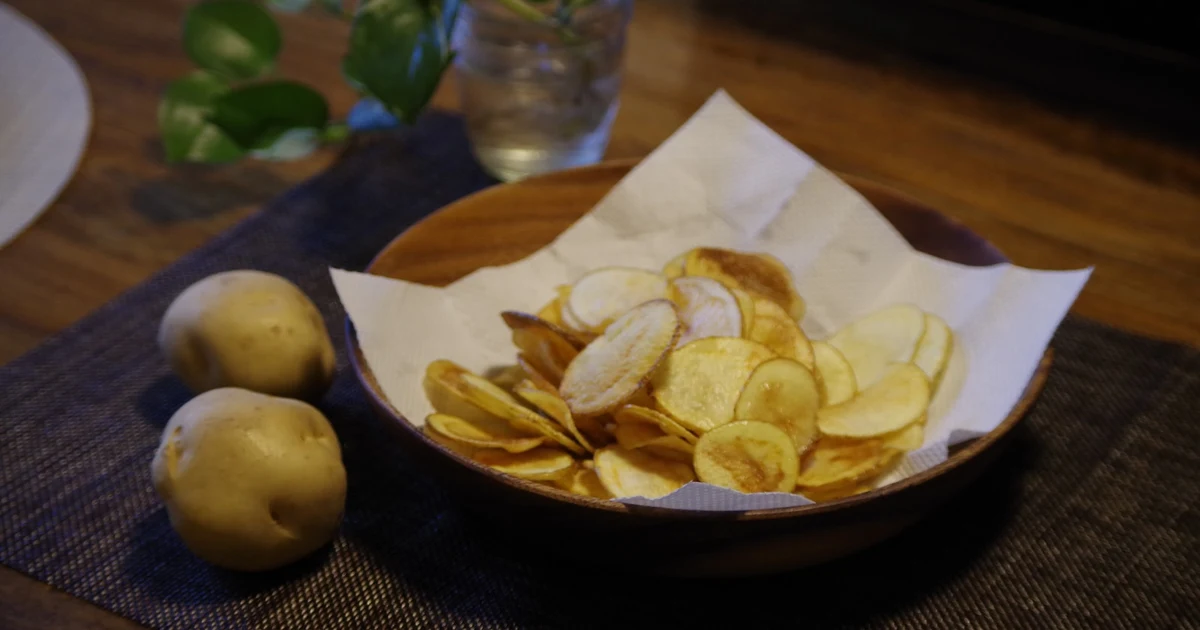
The direct answer: the current Walkers core range is halal-suitable by ingredients. We verified every core flavour against official Walkers UK ingredient lists in August 2026: no flavour lists E631, E627, E635, or MSG, and every core flavour — including Cheese & Onion, Prawn Cocktail, Smoky Bacon, and Roast Chicken — carries a “Suitable for Vegetarians” label. Walkers holds no halal certification, and limited editions must always be checked individually.
Walkers is the best-selling crisp brand in the UK, made by PepsiCo. If you have read that flavoured Walkers contain E631 from an undisclosed source, that information describes older recipes. The current range is different — and better. Here is what the labels actually say today.
E631 in Walkers: The History and the Current Recipe
E631 — Disodium Inosinate
E631 (disodium inosinate) is a flavour enhancer commonly used alongside E621 (monosodium glutamate/MSG) to create a synergistic savoury boost. It can be manufactured from:
- Pork — haram
- Beef — permissible only if from halal-slaughtered animals
- Fish — permissible if from a halal-acceptable species
- Fermentation — using yeast or bacterial cultures, which is permissible
Because UK labels do not disclose the source, E631 without further information is classified as mushbooh — of uncertain permissibility. Older Walkers recipes used E631, which is why the question still dominates search results.
The current position is simpler: no core Walkers flavour lists E631, E627, E635, or MSG. Several official product pages carry an explicit “No MSG or artificial colours” statement. The savoury depth in flavours like Salt & Vinegar and Smoky Bacon now comes from yeast extract and yeast powder — both halal.
Meat-Named Flavours That Contain No Meat
The surprising finding from the current labels: the meat-named flavours are vegetarian.
- Smoky Bacon contains no pork or bacon. The seasoning is flavourings, yeast extract, yeast powder, salt, and paprika extract — and the pack is labelled suitable for vegetarians. It is an imitation flavour. Some Muslims prefer to avoid pork-imitation flavours as a matter of personal comfort; by ingredients there is nothing haram in it.
- Roast Chicken contains no chicken. The seasoning is sugar, salt, flavourings, onion powder, and dried sage, under a vegetarian label.
- Prawn Cocktail contains no prawn. The seasoning is vinegar-style acids, sugar, flavourings, and tomato powder, under a vegetarian label.
- Worcester Sauce contains no anchovy in the current recipe, and is also vegetarian-labelled.
The one caution is limited editions: the retired BBQ Pulled Pork variant reportedly contained real pork powder. The rule is always the specific packet’s label, never the flavour name.
Which Walkers Products to Watch
Verified against walkers.co.uk, August 2026. All flavours below are labelled suitable for vegetarians.
| Product | Flavour Enhancers | Animal Ingredients | Status |
|---|---|---|---|
| Ready Salted | None | None | Halal-suitable |
| Lightly Salted | None | None | Halal-suitable |
| Cheese & Onion | None | Milk only (whey, lactose, cheese powder) | Halal-suitable |
| Prawn Cocktail | None | None — no actual prawn | Halal-suitable |
| Roast Chicken | None | None — no actual chicken | Halal-suitable |
| Smoky Bacon | None | None — no actual pork | Halal-suitable (imitation flavour) |
| Smokin’ BBQ | None | None; hydrolysed protein source unstated, vegetarian label implies plant | Halal-suitable |
| Salt & Vinegar | None (yeast extract) | None | Halal-suitable |
| Pickled Onion | None | None | Halal-suitable |
| Worcester Sauce | None | None — no anchovy in current recipe | Halal-suitable |
| Limited editions (e.g. past Pulled Pork) | Varies | Can contain real pork | Check every label |
No Halal Certification
Walkers, owned by PepsiCo UK, holds no halal certification from HMC (Halal Monitoring Committee), HFA (Halal Food Authority), or any other recognised UK Islamic certifying body for its mainstream crisp range.
This means there is no third-party verification of flavouring supply chains or manufacturing processes. The vegetarian label is the manufacturer’s own declaration — sufficient under the mainstream Hanafi/Maliki/Shafi’i position on source-ambiguous ingredients, but not equivalent to formal certification. Those who follow the HMC-strict standard should treat uncertified products accordingly.
Regional Note
This guide applies to Walkers crisps manufactured and sold in the UK. PepsiCo products sold under different brand names (Lay’s in the US, for example) are manufactured separately and should be assessed independently.
Halal Alternatives to Walkers
For certified or clean-ingredient alternatives to flavoured Walkers:
Propercorn
Propercorn’s lightly salted and plain popcorn varieties contain no animal-derived E-codes. Not technically a crisp, but a widely available halal-friendly snack for the office or lunchbox.
Tyrrells
Tyrrells plain crisps often have very short ingredient lists — potato, oil, salt — with no flavour enhancers. Check the label of any flavoured Tyrrells carefully, but plain varieties are a strong option.
Supermarket Own-Brand Plain Crisps
Tesco, Sainsbury’s, Asda, and Morrisons all produce own-brand ready salted or plain crisps that typically share the same short ingredient profile as Walkers Ready Salted: potato, oil, salt.
How to Check Any Crisp Label
When buying any flavoured crisp in the UK:
- Look for E631 or E635 — if present without a halal cert, treat as mushbooh
- Check for animal flavourings — chicken, beef, prawn, or anchovy flavourings without halal certification are a concern
- Look for a halal certification logo — HMC, HFA, or another recognised UK body
- Plain = safest — unflavoured crisps with potato, oil, and salt only are the lowest-risk choice
Use the ingredient scanner to check any full ingredient list instantly.
Summary
| Question | Answer |
|---|---|
| Are Walkers Ready Salted halal? | Yes — potatoes, oil, salt, plant antioxidants |
| Are Walkers flavoured crisps halal? | Current core range is halal-suitable — no E631/E627/MSG, all vegetarian-labelled |
| Are Walkers halal-certified? | No — no UK halal certification |
| Does Smoky Bacon contain pork? | No — vegetarian-labelled imitation flavour |
| What about limited editions? | Check every label — past Pulled Pork edition contained real pork |
| Overall verdict | Halal-suitable by ingredients; not certified; recipes can change, check the pack |
If you require a stated halal credential rather than a vegetarian label, our roundup of UK snacks whose flavourings come with a stated halal credential is the next place to look. Be warned that nothing on it is a crisp — no certified mainstream crisp exists in this market that we could verify.
For the full Walkers brand profile, see the Walkers brand page.
Check any additive in the E-codes database or scan a full ingredient list at verify ingredients.
How we reached this verdict
We checked the following Tier-1 sources before publishing this verdict:
- Halal certification bodies (HMC, HFA, JAKIM, MUI): Where the brand or ingredient appears in certified products, the certifying body’s audit covers source verification; where it appears in uncertified products, manufacturer disclosure is required.
- Manufacturer statements: Public ingredient lists, vegetarian / vegan suitability labels, customer-service correspondence on source disclosure.
- Sunni fatwa scholarship across the four madhabs:
- Hanafi-leaning bodies: IslamQA Hanafi, Darul Iftaa Birmingham, AskImam.org, Daruliftaa.com (Mufti Taqi Usmani), Wifaqul Ulama, Darul Iftaa New York.
- Shafi’i / Maliki-leaning bodies: NU (Nahdlatul Ulama, Indonesia), Dar al-Ifta al-Misriyyah (Egypt), e-fatwa.com (UAE), al-Azhar.
- Hanbali / Saudi-Salafi-leaning bodies: Saudi Permanent Committee for Scholarly Research, IslamQA Saudi.
Madhab note
The four Sunni madhabs broadly converge on the rules applied in this guide:
- Pork-derived sources — Haram across all four madhabs.
- Alcohol-based ingredients — Haram across all four madhabs.
- Source-ambiguous E-codes (E471, E476, E631, E627, E635, E920) — manufacturer plant-source disclosure (vegetarian-suitable label) is treated as sufficient under the Hanafi/Maliki/Shafi’i mainstream rule (Darul Ifta Birmingham, IslamQA case 245452); HMC-strict / Hanbali-leaning view requires formal independent certification.
- Istihāla (transformation) — Hanafi and Maliki accept istihāla strongly; spirit vinegar (alcohol → vinegar) is halal. Most Shafi’i scholars permit spirit vinegar specifically; some Hanbali scholars more cautious.
- Insect-derived dyes (E120 cochineal/carmine) — Hanafi, Shafi’i, and Hanbali generally treat as haram; some Maliki scholars permit small insects.
- Non-zabihah meat (Ahl al-Kitāb / People-of-the-Book slaughter) — Maliki and classical Shafi’i/Hanbali generally accept; Hanafi-Deobandi tradition more restrictive.
If your madhab differs on a specific ruling, the relevant section above flags the school-specific position. For binding rulings on borderline products, consult a competent scholar in your tradition.
Ingredients change. Be first to know.
Brands reformulate without warning. We track every E-code update and halal certification — one short weekly email.
Related Articles
 Shopping Guides
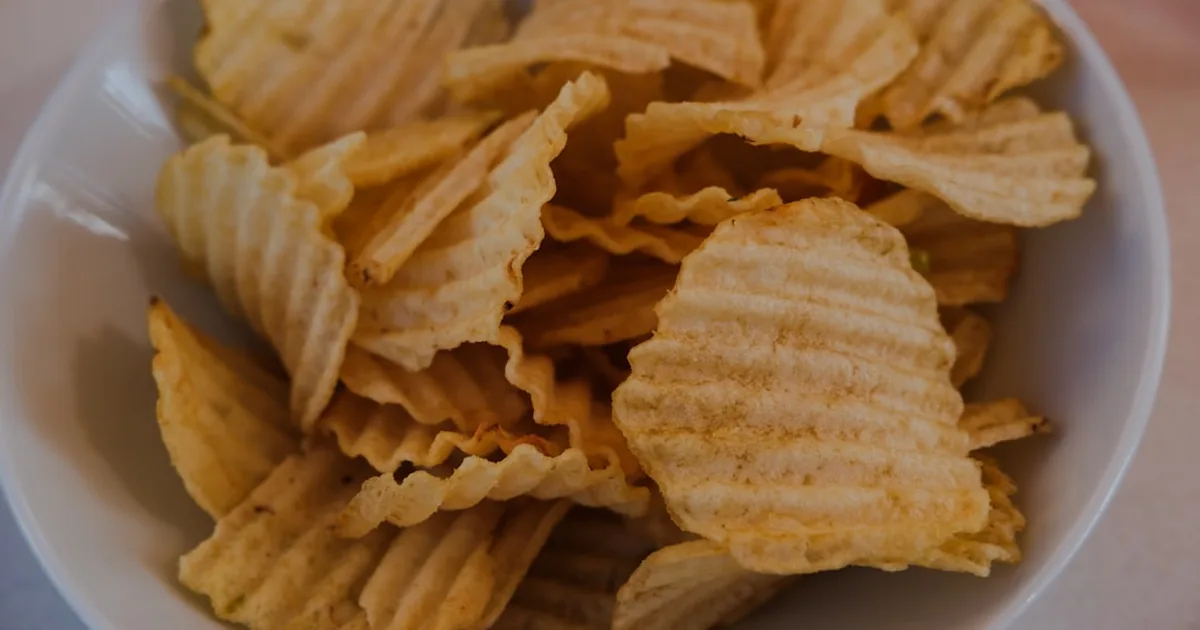
 Is Pringles Halal? Every Flavour Checked by Region (2026)
Pringles Original is halal and vegan-labelled. Every flavoured UK variety we verified contains E621 with E627/E631 or E635 — but all carry vegetarian labels. Flavour-by-flavour table for UK, US and certified Gulf/Malaysian versions.
 Shopping Guides
 Which Crisp Flavours Are Haram? UK Brand-by-Brand Guide (2026)
We verified 30+ UK crisp flavours against current official labels. Fewer are haram than you think — Walkers is now enhancer-free, but flavoured Pringles still use E631/E635. Full brand guide: Walkers, Pringles, Tyrrells, Kettle, McCoy's.
 Shopping Guides
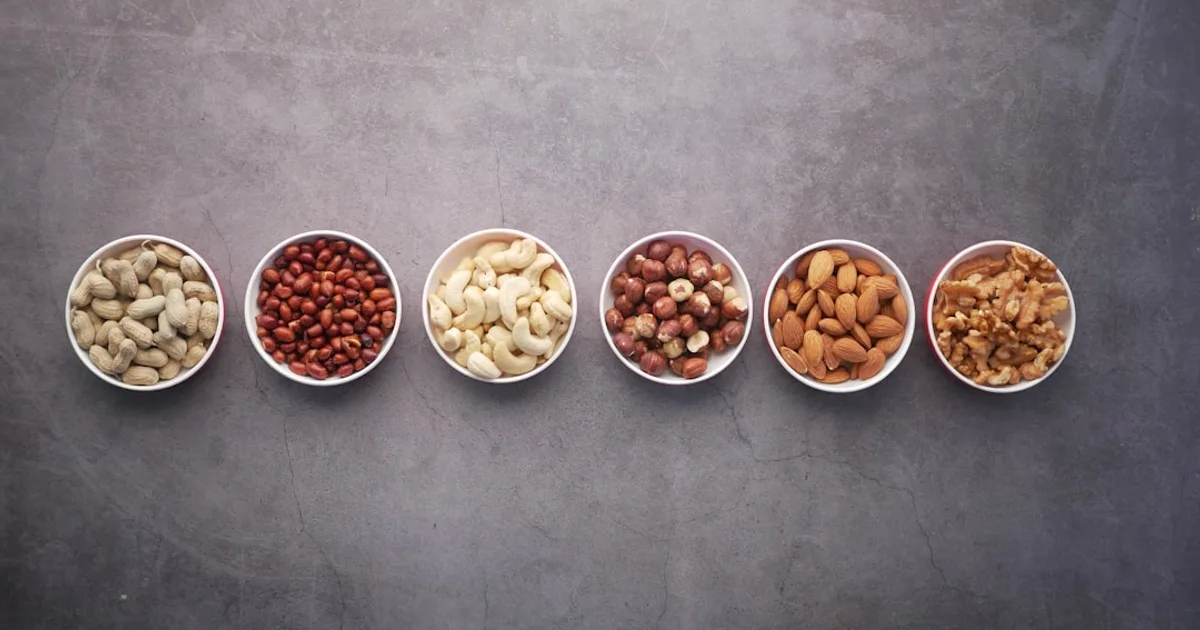
 The Complete Guide to Halal Crisps and Savoury Snacks (2026)
Every snack category covered: potato crisps, Doritos, Pringles, popcorn, rice cakes, nuts and crackers. Brand verdicts across Walkers, Tyrells, Kettle, Doritos, Cheetos, Pringles, Popchips and more.