
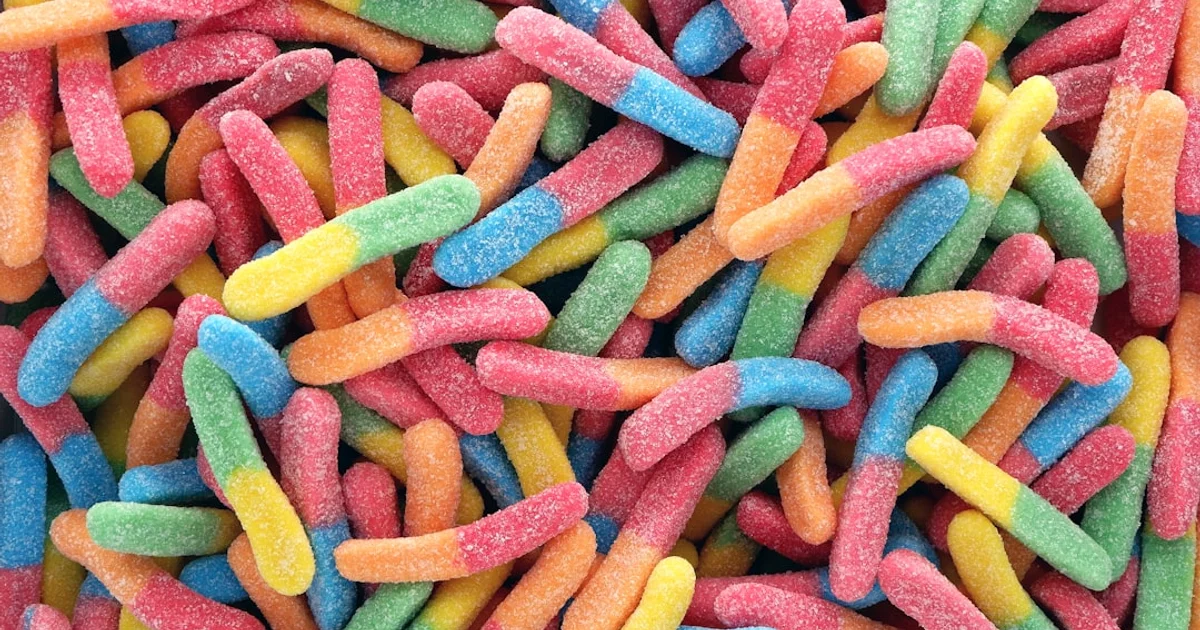
Kik Imly candy is one of the most recognisable tamarind sweets in South Asian grocery stores and diaspora shops across the UK. Its tangy-sweet-spicy flavour makes it a staple of Pakistani and Indian sweet sections — and it is especially popular among children and those who grew up with it. The halal question comes up frequently in British Muslim households.
The verdict: Mushbooh. The tamarind base is fine. The issue is that Kik Imly carries no halal certification for Western markets, and the artificial colour additives need to be considered in context.
What Is Kik Imly Candy?
Kik Imly is a tamarind-based confectionery produced in Pakistan. The core product is a small, sticky, individually wrapped tamarind sweet — intensely tangy, with added salt and spice. It is sold in small bags and large bulk packs in South Asian grocery stores.
The primary ingredients are typically:
- Tamarind pulp
- Sugar
- Salt
- Citric acid
- Artificial food colours
- Artificial flavouring
No meat-derived ingredients, no alcohol, and no gelatine are typically present in the standard recipe.
The Colour Question: Azo Dyes
The main concern with Kik Imly is its artificial colour content. Depending on the batch and variant, the candy contains one or more of the following:
| E-code | Name | Source | Halal status |
|---|---|---|---|
| E110 | Sunset Yellow FCF | Synthetic azo dye | Halal (synthetic, not animal-derived) |
| E122 | Carmoisine (Azorubine) | Synthetic azo dye | Halal (synthetic) |
| E129 | Allura Red AC | Synthetic azo dye | Halal (synthetic) |
Important: These colours are not E120 (carmine/cochineal), which is insect-derived and Haram. E110, E122, and E129 are all petroleum-derived synthetic dyes. The mainstream Sunni position across the four madhabs accepts synthetic food colours as halal unless there is specific evidence that the manufacturing process introduces haram substances.
The concern here is purely the absence of halal certification — not a specific haram ingredient in the colour list.
Halal Certification Status
Kik Imly does not carry a halal certification mark from HMC, HFA, JAKIM, MUI, or any other recognised body on UK-market packaging reviewed. The manufacturer is based in Pakistan, where halal is the default food standard under Pakistani law — however, Pakistani domestic production standards and international export halal certification are separate things. A product being manufactured in a Muslim-majority country does not automatically mean it holds a recognised halal certification accepted by UK Islamic scholars.
Verdict
| Factor | Detail |
|---|---|
| Tamarind base | Halal |
| Gelatine | None listed |
| Alcohol | None |
| Artificial colours | Synthetic azo dyes — not haram by ingredient |
| Halal certification | None for UK/EU market |
| Overall verdict | Mushbooh — no manufacturing audit |
For strict halal compliance (HMC / Hanbali standard), the absence of certification means the product cannot be confirmed as fully halal regardless of the ingredient list. For those following a more lenient Hanafi position, the absence of any overtly haram ingredient in the recipe makes this a lower-risk Mushbooh.
Where that certification gap is a dealbreaker in your household, the tangy-sweet corner of the confectionery aisle is well served by manufacturers who have actually been audited — our roundup of halal-certified gummy sweets you can order online ranks the ones carrying a recognised mark.
To check any other sweets or candy additives, use the E-codes database or scan the full ingredient label.
How we reached this verdict
- Halal certification bodies: HMC, HFA — no entry for Kik Imly. No JAKIM or MUI export certification found.
- Manufacturer: Production in Pakistan under domestic halal food standards (not internationally certified for export). UK-market packaging reviewed — no halal logo present.
- Sunni fatwa on synthetic azo dyes: Mainstream Hanafi, Shafi’i, and Maliki positions accept synthetic food colours derived from non-animal petroleum sources as halal. Darul Iftaa Birmingham, IslamQA Hanafi: synthetic azo dyes are not haram unless contaminated with animal derivatives. Hanbali / strict position: requires formal halal certification for processed food regardless of individual ingredient status.
Madhab note
There is no scholarly controversy about tamarind or sugar. The madhab differences here come down to the certification requirement for manufactured foods. Strict positions (Hanbali, HMC-aligned Hanafi) require formal halal certification for any processed confectionery sold outside Muslim-majority countries. More lenient Hanafi and Maliki positions permit manufactured foods from Muslim-majority-country manufacturers where the ingredients are clean and no haram items are present. Both positions would benefit from the manufacturer obtaining a recognised halal certification for Western export — which, given the product’s popularity in UK diaspora markets, would be commercially worthwhile.
Ingredients change. Be first to know.
Brands reformulate without warning. We track every E-code update and halal certification — one short weekly email.
Related Articles
 Shopping Guides
 Are Mentos Halal? Every Variety Checked (Rainbow, Mint, Fruit)
Chewy Mentos rolls contain undisclosed gelatine — Mushbooh in UK/EU. Hard mints are gelatine-free but uncertified. Malaysian JAKIM-certified Mentos is halal.
 Shopping Guides
 Is Vidal Candy Halal? Spanish Sweets Checked for Gelatin & E-Codes
Vidal sweets are Mushbooh to Haram — most gummy products contain pork gelatine. Some products use plant-based alternatives — check the label for each variant.
 Shopping Guides
 Is Terry's Chocolate Orange Halal? Ingredients Checked
Terry's Chocolate Orange is Mushbooh — it contains E476 (PGPR) with undisclosed glycerol source. No halal certification. The Dark version has the same concern.