
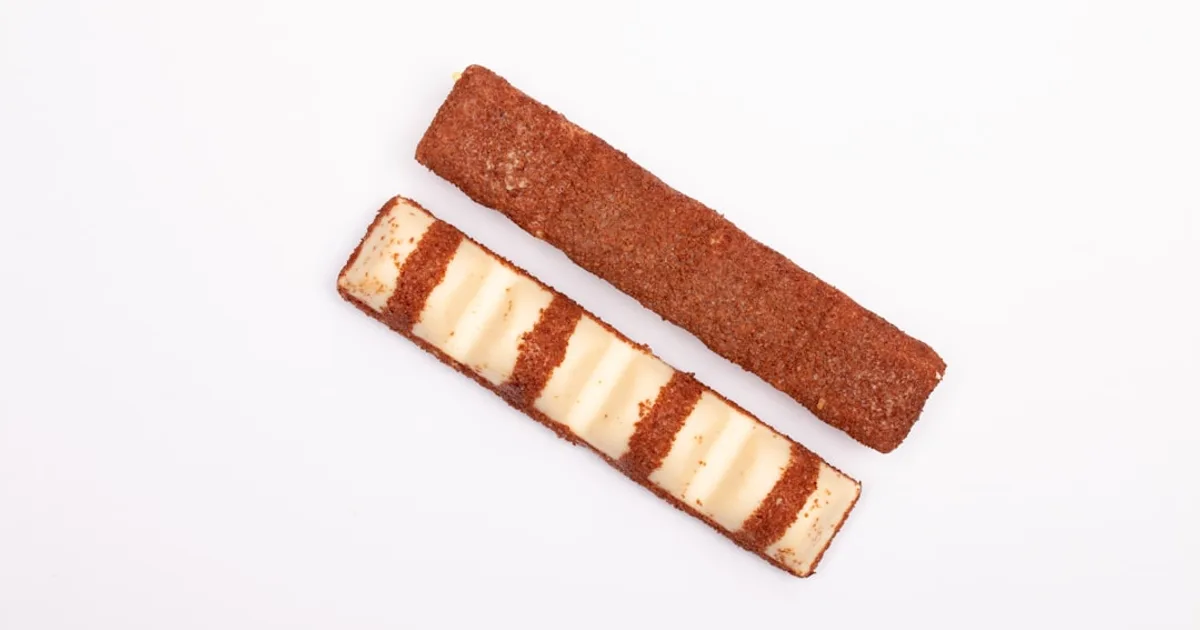
Biscolata is a Turkish chocolate biscuit brand with a large following in the UK’s Turkish, Arab, and South Asian diaspora communities — it shows up in Turkish supermarkets, halal grocery stores, and corner shops. The halal question is asked constantly, and the answer for UK buyers is: Mushbooh — check your specific pack for a halal logo.
Here is the complete picture.
What Is Biscolata?
Biscolata is produced by Şölen, a Turkish confectionery manufacturer based in Gaziantep. The Biscolata range includes:
- Biscolata Mood — chocolate-coated biscuit pieces with hazelnut or plain filling
- Biscolata Stix — thin pretzel-like sticks with chocolate coating
- Biscolata Pia — chocolate biscuit sandwiches
- Biscolata Nirvana — filled chocolate bar with biscuit layers
These products are sold in Turkey and exported across the Middle East, EU, and UK. Şölen is a significant Turkish confectionery exporter and competes in the same category as Ülker and ETi.
The E471 Concern
E471 (mono and diglycerides of fatty acids) appears in Biscolata’s chocolate and biscuit formulations as an emulsifier. The same concern applies here as with other European-manufactured chocolate products: the fatty acid source — plant oil or animal fat — is not specified on UK/EU market packaging.
E471 is used in the chocolate coating of Biscolata products to improve flow, mouthfeel, and shelf stability. Without source disclosure and without internationally recognised halal certification, it is Mushbooh.
The Turkey Factor — Does Turkish Production Mean Halal?
This is the most important question for Biscolata buyers.
Turkey is a majority-Muslim country and Turkish food manufacturing often follows domestic halal standards. Many Turkish consumers would not think to question whether a product like Biscolata is halal. However, there are important caveats for UK buyers:
-
Turkish domestic halal compliance ≠ international halal certification: Turkey has its own domestic food standards that may (or may not) require halal-compliant emulsifier sourcing. But these standards are not certified by HMC (UK), HFA (UK), JAKIM (Malaysia), IFANCA (US), or other internationally recognised bodies.
-
Export packaging may differ from domestic packaging: Biscolata exported to the UK may use a different packaging format, different label language, and potentially different ingredient sourcing from the Turkish domestic version.
-
No visible halal logo on standard UK-sold Biscolata: The standard packaging of Biscolata products sold in UK Turkish and Middle Eastern grocery stores does not carry an internationally recognised halal certification logo.
-
Şölen may hold Turkish domestic certification: Some Turkish food companies hold certification from Turkish Diyanet-affiliated bodies. If such certification exists and is printed on the pack, it should be visible. UK buyers should look for it.
Biscolata Product Check
| Product | E471? | Gelatine? | Visible Halal Logo (UK pack)? | Verdict |
|---|---|---|---|---|
| Biscolata Mood Hazelnut | Yes | No | Not standard | Mushbooh |
| Biscolata Mood Chocolate | Yes | No | Not standard | Mushbooh |
| Biscolata Stix | Yes | No | Not standard | Mushbooh |
| Biscolata Pia | Yes | No | Not standard | Mushbooh |
| Biscolata Nirvana | Yes | No | Not standard | Mushbooh |
How to Check Your Specific Pack
If you have a pack of Biscolata in front of you, check for:
- A halal logo — look for crescent, “Helal,” or a Turkish Diyanet certification stamp (TSE Helal Belgesi or similar)
- “Helal” text — Turkish products sometimes carry the word “Helal” in Turkish on the label even if not in Roman script
- Source disclosure for E471 — does the label specify “of plant origin” or “from sunflower/palm oil”?
- Arabic labelling variant — if the product is labelled for Middle Eastern markets, it may carry a Gulf halal certification logo
If none of these markers are present on your specific pack, the product is Mushbooh.
The Diaspora Community Context
Biscolata is particularly popular with Turkish and Kurdish diaspora communities in the UK — in many cases, it is purchased at a Turkish supermarket where the assumption is that Turkish products are inherently halal. This assumption is understandable but not reliable for UK-market export products where the E471 source is unverified.
Arab and South Asian consumers who encounter Biscolata in halal shops may similarly assume certification — but the product’s presence in a halal shop does not guarantee it carries halal certification. Halal shops stock a range of products, and buyer verification remains necessary.
How we reached this verdict
- UK-market Biscolata packaging review: E471 confirmed, no halal logo on standard UK/EU-exported packs
- Şölen corporate information: Turkish manufacturer based in Gaziantep; exports reviewed
- Turkish halal certification landscape: Turkish Standards Institute (TSE) Helal Belgesi programme context
- Sunni fatwa scholarship: Darul Iftaa Birmingham on Turkish manufactured products without international cert; IslamQA on E471; Wifaqul Ulama
Madhab note
- E471 with undisclosed source — Mushbooh under Hanafi/Maliki/Shafi’i mainstream; Haram by precaution under HMC-strict and Hanbali-leaning approaches
- Turkish domestic halal standards — Not automatically accepted as equivalent to HMC/HFA certification by UK-based Islamic scholars; formal recognition would require the specific certifying body to be endorsed
- Country of origin ≠ halal certification: A product manufactured in a Muslim-majority country carries no automatic halal status in Islamic law — certification is required to verify ingredient sourcing and production standards
Check any E-code from a biscuit or chocolate label in the E-codes database.
Scan a full ingredient list instantly with the ingredient scanner.
Related: Is Milka Chocolate Halal? — another chocolate brand with the same E471 and E476 concerns.
Ingredients change. Be first to know.
Brands reformulate without warning. We track every E-code update and halal certification — one short weekly email.
Related Articles
 Shopping Guides
 Is Ritz Crackers Halal? Nabisco Ingredients Checked (2026)
Ritz Original Crackers are Mushbooh — they contain E471 (mono and diglycerides) with no animal source disclosure and no halal certification.
 Shopping Guides
 Is Milka Chocolate Halal? Complete EU & UK Guide (2026)
Milka chocolate is Mushbooh — it contains E476 (PGPR) and E471 with undisclosed animal fat sources and no halal certification in UK or EU.
 Shopping Guides
 Is Terry's Chocolate Orange Halal? Ingredients Checked
Terry's Chocolate Orange is Mushbooh — it contains E476 (PGPR) with undisclosed glycerol source. No halal certification. The Dark version has the same concern.