
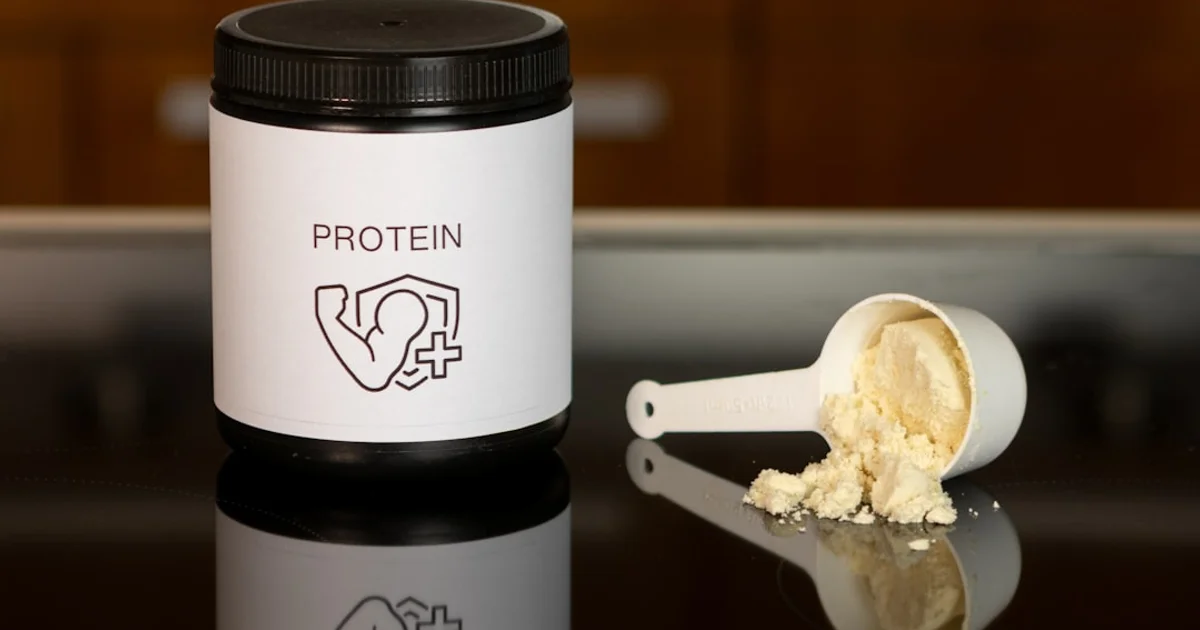
Indonesia is home to the world’s largest Muslim population, and its government has taken a firm stance on halal compliance for all consumable products — including protein powders, multivitamins, and sports supplements. Since October 2024, the Halal Product Act mandates MUI certification for every food, beverage, and supplement sold in the country.
If you train regularly or take daily vitamins, this guide will help you identify which products are certified, which are uncertain, and which ingredients to avoid on the label.
Why MUI Certification Matters for Supplements
MUI (Majelis Ulama Indonesia) is Indonesia’s national halal authority. Its certification is not optional branding — it is a legal requirement under the Halal Product Act (Undang-Undang Jaminan Produk Halal). Products sold without it face regulatory action, and for Muslim consumers, the absence of MUI certification places a product firmly in Mushbooh (uncertain) territory.
The risks are especially high in the supplement category because:
- Whey protein is derived from cheese production, which sometimes uses porcine rennet or porcine-derived enzymes in processing.
- Capsule shells frequently contain E441 (gelatine), which is Haram if sourced from pork.
- Protein bars and meal replacements often contain E471 (mono- and diglycerides), which is Mushbooh without source confirmation.
- Some products use E120 (carmine) as a colouring agent — this is derived from insects and is Haram.
For a deeper look at supplement ingredients in general, see our complete guide to halal supplements.
MUI-Certified Brands Available in Indonesia
| Brand | Origin | MUI Status | Notes |
|---|---|---|---|
| Muscle First | Indonesia | Certified | Locally manufactured, full MUI certification |
| Herbalife Indonesia | US (Indonesia variants) | Certified (select products) | Confirm specific SKU on MUI website |
| Blackmores Indonesia | Australia (Indonesia variants) | Certified (select products) | Indonesia-specific products only |
| Ultimate Nutrition | US (imported) | Mushbooh | Check for MUI hologram on each batch |
| Optimum Nutrition | US (imported) | Not certified | No MUI; treat as Mushbooh |
How to verify: MUI maintains a searchable halal product database at halalmui.org. You can enter a product name or look up the certification number printed on the MUI hologram sticker.
Ingredients to Watch on the Label
E441 — Gelatine in Capsule Shells
Gelatine (E441) is the most common Haram risk in supplement capsules. It can be derived from porcine (pig) bones or bovine (cow) hides. Porcine gelatine is Haram. Bovine gelatine from a properly slaughtered animal is permissible, but only if certified.
What to look for:
- “Bovine gelatine capsule” — permissible if MUI-certified
- “Vegetable capsule” or “HPMC capsule” — plant-based, permissible
- “Gelatine capsule” with no source stated — Mushbooh, avoid without certification
E471 — Emulsifier in Protein Bars
E471 (mono- and diglycerides of fatty acids) is widely used as an emulsifier in protein bars, meal replacement shakes, and flavoured protein powders. It can be derived from animal or vegetable fat. Without MUI certification confirming vegetable origin, this ingredient is Mushbooh.
Our complete guide to halal protein powder covers this emulsifier in detail.
Enzymes in Casein and Whey Protein
Some casein and whey proteins are processed using pepsin or rennet, which may come from porcine sources. This is not always declared on the label. The safest approach is to choose MUI-certified products where the certification process has already audited the enzyme source.
Read more about enzyme sourcing in our guide to are enzymes halal?
E120 — Carmine Colouring
Carmine (E120) is a red colouring derived from cochineal insects. It appears in some flavoured protein shakes and sports drinks. It is Haram according to the majority Sunni position and should be avoided outright.
Buying Imported Supplements in Indonesia
Imported supplements are widely sold through gyms, health stores, and online marketplaces like Tokopedia and Shopee. The key rule is straightforward: if there is no current MUI hologram sticker on the packaging, the product is Mushbooh regardless of how well-known the brand is.
Counterfeit MUI stickers are also a known issue. Verify the certification number on the MUI website before purchasing high-value imported products.
Practical checklist when buying supplements in Indonesia:
- Look for the MUI hologram sticker on the outer packaging
- Verify the certification number at halalmui.org
- Check the expiry date of the certification (MUI certs have renewal cycles)
- Inspect the capsule type (bovine, plant-based, or unspecified)
- Scan the ingredient list for E120, E441, and E471
- For whey and casein, confirm the protein source and processing method
Quick Reference: E-Code Status for Supplements
| E-Code | Name | Status | Common Use |
|---|---|---|---|
| E441 | Gelatine | Haram (if porcine) / Halal (if certified bovine) | Capsule shells |
| E471 | Mono- and diglycerides | Mushbooh (without cert) | Protein bars, shakes |
| E120 | Carmine | Haram | Red/pink colouring in flavoured products |
| Pepsin/Rennet | Enzymes | Mushbooh (if porcine) | Whey and casein processing |
For a full breakdown of E-codes found in vitamins and supplements, see our E-numbers in vitamins and supplements guide.
Summary
Indonesia’s Halal Product Act puts a clear legal obligation on supplement brands: MUI certification is mandatory, not optional. For local brands like Muscle First, this certification is already in place. For imported brands from the US and EU, the situation is more complex — many popular gym brands do not carry MUI certification, which makes them Mushbooh for Indonesian Muslim consumers.
The practical steps are simple: look for the MUI hologram, verify it on the MUI website, check the capsule type, and scan for E120, E441, and E471 on the ingredient list. When in doubt, choose a locally certified alternative or contact the brand’s Indonesia distributor for their MUI certificate documentation.
Methodology note: Our halal status assessments follow the mainstream Sunni Hanafi position unless otherwise stated. Always cross-reference with your local scholar for personal rulings.
Ingredients change. Be first to know.
Brands reformulate without warning. We track every E-code update and halal certification — one short weekly email.
Related Articles
 Shopping Guides
 Halal Shopping at Coles: Aisle-by-Aisle Australia Guide (2026)
Coles stocks halal-certified meat from accredited abattoirs but own-brand packaged goods require E-code checking — here's what to look for in each aisle.
 Shopping Guides
 Halal Shopping at Carrefour: France, UAE & Turkey Guide (2026)
Carrefour's halal status varies by country — UAE stores stock certified halal products throughout, while French stores require label-by-label checking.
 Shopping Guides
 Halal Food in Pakistan: Label Reading & Brand Trust Guide (2026)
Pakistan is a majority-Muslim country with mandatory halal standards — but imported brands, unlabelled products, and certification gaps still create real consumer questions.