
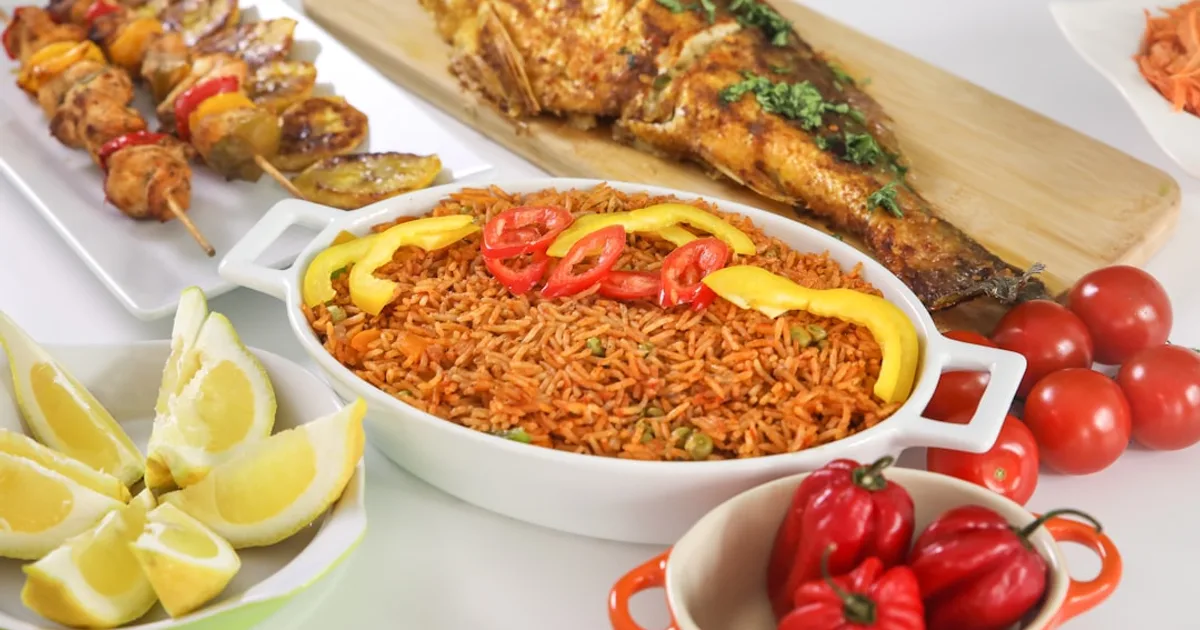
Nigeria is Africa’s most populous country and home to an estimated 90–100 million Muslims — roughly half the population. Yet the halal food landscape varies dramatically between the Muslim-majority north and the cosmopolitan south. Lagos-based Muslim consumers face a very different shopping environment than their counterparts in Kano or Sokoto.
The Nigerian Halal Divide
Northern Nigeria (Kano, Kaduna, Sokoto, Maiduguri): Halal food is the norm. Local markets sell halal-slaughtered meat by default. Pork and alcohol are socially and commercially marginalised. The practical risk is low for fresh food and local products.
Southern Nigeria / Lagos: A highly mixed food environment. Lagos supermarkets (Shoprite, Spar, Ebeano) stock products from South Africa, Europe, and Asia — many of which contain ingredients that require scrutiny. Muslim consumers in Lagos need to be label-literate.
Regulatory Framework
SON (Standards Organisation of Nigeria): The national standards body that includes halal food certification under its remit. SON-halal certification exists but uptake among manufacturers is uneven.
NAFDAC: Regulates food safety and requires ingredient labelling on packaged foods. NAFDAC registration numbers appear on compliant products — but registration does not imply halal status.
In practice: Many Nigerian Muslims rely on community knowledge, Islamic council endorsements, and brand reputation rather than formal certification logos.
E-Codes in Nigerian Supermarkets
The imported packaged goods available in Lagos Shoprite, Spar, and Ebeano are largely the same products sold in European and South African supermarkets. The halal risk profile is identical.
| E-Code | Found In | Halal Risk |
|---|---|---|
| E441 (Gelatine) | Imported gummy sweets, marshmallows | High — often pork-derived |
| E471 (Mono/diglycerides) | Biscuits, margarine, chocolate | Mushbooh — source undisclosed |
| E120 (Cochineal/Carmine) | Red drinks, sweets, yoghurt | Haram — insect-derived |
| E542 (Bone phosphate) | Some processed meats | Mushbooh |
| E631 (Disodium inosinate) | Noodles, crisps, seasonings | Mushbooh — may be pork-derived |
Trusted Nigerian Brands
| Brand | Category | Notes |
|---|---|---|
| Indomie (De United Foods) | Noodles | Widely consumed; check seasoning sachet |
| Nestlé Nigeria | Maggi, Milo, Golden Morn | Large local operation; check E-codes on specific products |
| Dangote Sugar | Sugar, pasta | Domestic, halal by default |
| Chi Limited | Juices, dairy | Local — NAFDAC registered |
Indomie note: Nigerian-produced Indomie is not the same as Indonesian Indomie. The local De United Foods production should be checked for E631 in seasoning sachets — this has been a community concern.
Practical Guide for Lagos Muslim Shoppers
Fresh food: Buy meat from halal butchers in Ikeja, Surulere, or Lagos Island Muslim markets. Fish and vegetables are halal without certification.
Imported confectionery: Apply the same rules as UK/European shopping. If it contains E441, it is likely haram unless certified. If it contains E471, treat as Mushbooh.
Supermarket own-brands: Shoprite SA own-brand products are produced for the South African market — some are SANHA-certified. Check for the SANHA logo.
Noodles and seasonings: Indomie, Dangote pasta: locally produced, lower risk. Imported Asian noodles (Korean, Japanese brands): check for E631, E635.
How We Reached This Verdict
Our assessment draws on SON halal framework documentation, NAFDAC food labelling requirements, and ingredient analysis of products commonly stocked in Lagos supermarkets. Community reports from Nigerian Muslim consumer groups on E-code concerns (particularly E441 in imported sweets) have been factored in.
Madhab Note
Nigerian Muslims predominantly follow the Maliki school, with significant Shafi’i and Tijaniyya-influenced communities. The Maliki position on doubtful ingredients (Mushbooh) requires avoidance when certainty of halal status cannot be established — the same practical conclusion as the Hanafi position. Imported gelatine-containing products without halal certification should be avoided.
The Verdict
| Location | Fresh Meat | Packaged Food | Imported Goods |
|---|---|---|---|
| Kano/North | Halal (default) | Low risk | Check labels |
| Lagos | Use halal butcher | Mixed | Check E441, E471 |
| Shoprite Lagos | Halal section available | Mixed | Verify per product |
Use HalalCodeCheck to verify any E-code you encounter on imported products sold in Nigerian supermarkets.
Check our full E-code database for instant halal status on any additive.
Travelling in Nigeria? Scan product labels directly with your phone camera.
Ingredients change. Be first to know.
Brands reformulate without warning. We track every E-code update and halal certification — one short weekly email.
Related Articles
 Shopping Guides
 Halal Shopping at Coles: Aisle-by-Aisle Australia Guide (2026)
Coles stocks halal-certified meat from accredited abattoirs but own-brand packaged goods require E-code checking — here's what to look for in each aisle.
 Shopping Guides
 Halal Shopping at Carrefour: France, UAE & Turkey Guide (2026)
Carrefour's halal status varies by country — UAE stores stock certified halal products throughout, while French stores require label-by-label checking.
 Shopping Guides
 Halal Food in Pakistan: Label Reading & Brand Trust Guide (2026)
Pakistan is a majority-Muslim country with mandatory halal standards — but imported brands, unlabelled products, and certification gaps still create real consumer questions.